Running Shoes
Saucony Tempus Review: A Soft, Bouncy Stability Shoe With Race-Day Foam
A dual-foam stability trainer that blends PWRRUN PB with a firmer EVA cradle, delivering a soft, structured ride that works for daily miles and faster days.
Introduction
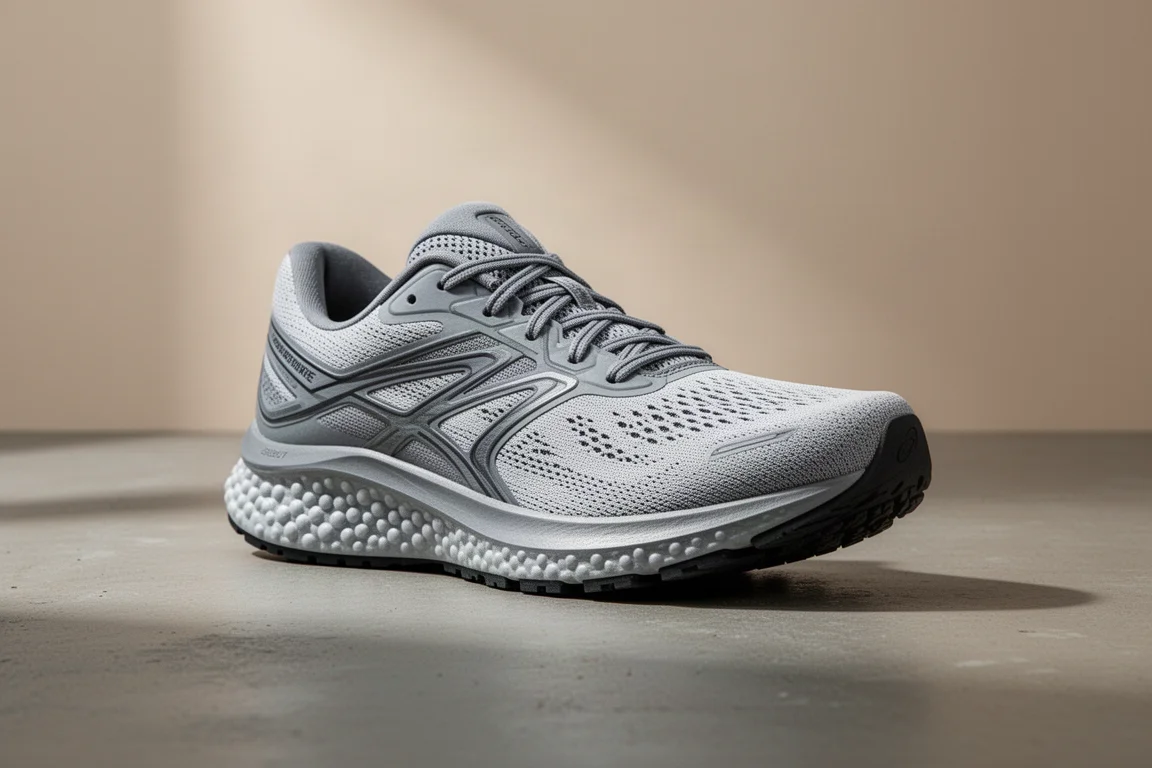
The Saucony Tempus has been one of the most requested shoes to test, and after a solid ten-mile recovery run in it, the appeal is easy to understand. This is a stability shoe built around Saucony’s PWRRUN PB race-day foam, paired with a firmer PWRRUN EVA frame for support. That combination makes it one of the first stability trainers to use a race foam in the midsole, and it changes the feel of the category in a good way.
At around 268g in a men’s 10.5, it is remarkably light, matching the weight of the Adidas Boston 12 and undercutting the Cloudmonster Hyper. It sits comfortably in daily-trainer territory rather than feeling like a heavy support shoe. And thanks to discount pricing, it can often be found for under $100, which makes it an even more interesting proposition since the upper is an older design and a successor is expected to be an upper-only update.
Who This Shoe Is For
The Tempus is aimed at runners who want a soft everyday trainer with real stability built in, plus enough bounce to handle faster workouts and marathon-pace work. If you run everyday miles around nine-minute pace and do harder sessions in the seven-to-eight-minute range, this could serve as both your easy-day and workout shoe.
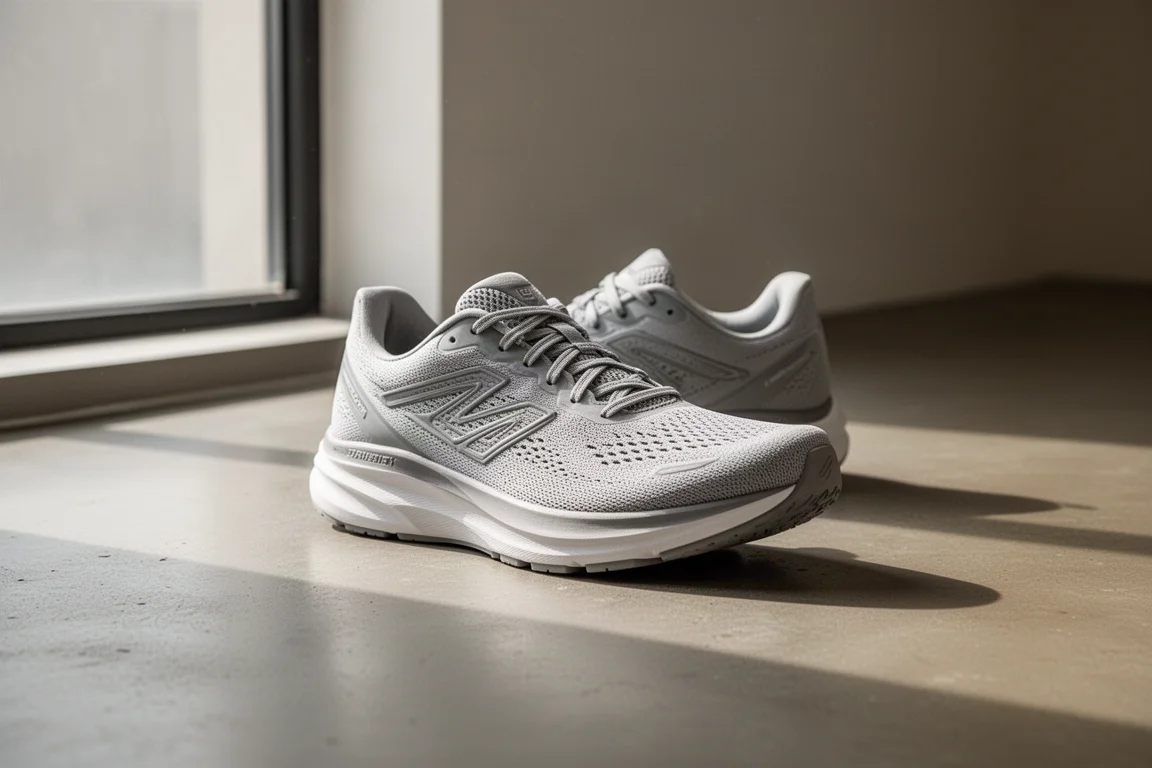
It is also a strong pick if you have been disappointed by stability shoes that feel overly prescriptive. The support here comes from the geometry of the firmer EVA cradle and slightly higher sidewalls, not from heavy posting, so the ride stays natural. For heavier runners concerned about bottoming out on longer runs, something firmer and more protective like the Kayano-style alternatives may be a safer bet, but most runners should find the foam holds up well over an hour and twenty minutes on foot.
Main Strengths
The dual-foam midsole is the headline. PWRRUN PB on top of the forefoot and under the heel delivers the soft, bouncy, peppy feel you would expect from Saucony’s faster shoes, while the firmer PWRRUN EVA cradle wraps the foot and keeps it locked in place. The result is a ride that is soft but still structured, with a pleasant squish on landing and a noticeable snap at toe-off.
The ride is softer than expected. It is softer than the New Balance 860 v14, softer than the Zoom Structure 25, and arguably softer than the Triumph, without any bottoming-out feeling even at the end of a long run. The mild rocker is just aggressive enough to keep transitions smooth without forcing you onto your toes the way some plated shoes do.
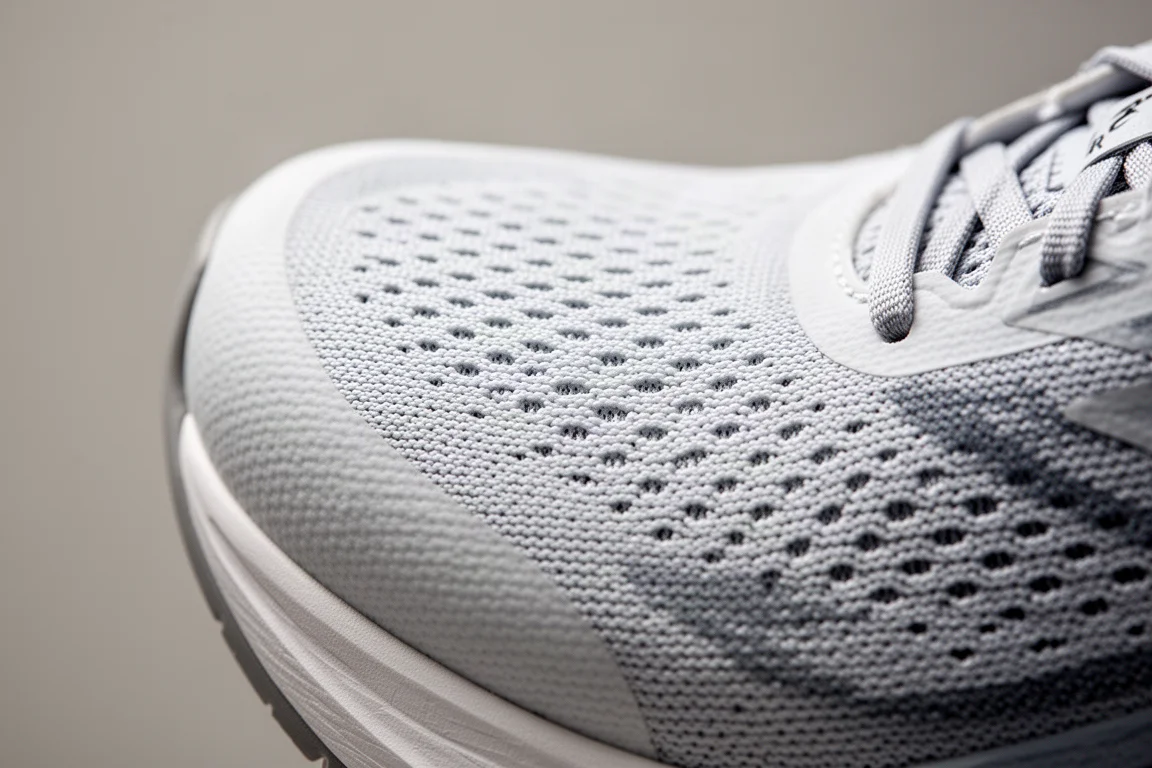
The fit is another win. The upper is thin, breathable, and comfortable even in hot summer conditions, with no rubbing in the usual hot spots around the midfoot overlays. The toe box feels slightly roomier than other Saucony models of the same generation. At an 8mm drop, it avoids the aggressive toe-ward pitch of recent 10mm-drop shoes that can push you up on your forefoot.
Things to Consider Before Buying
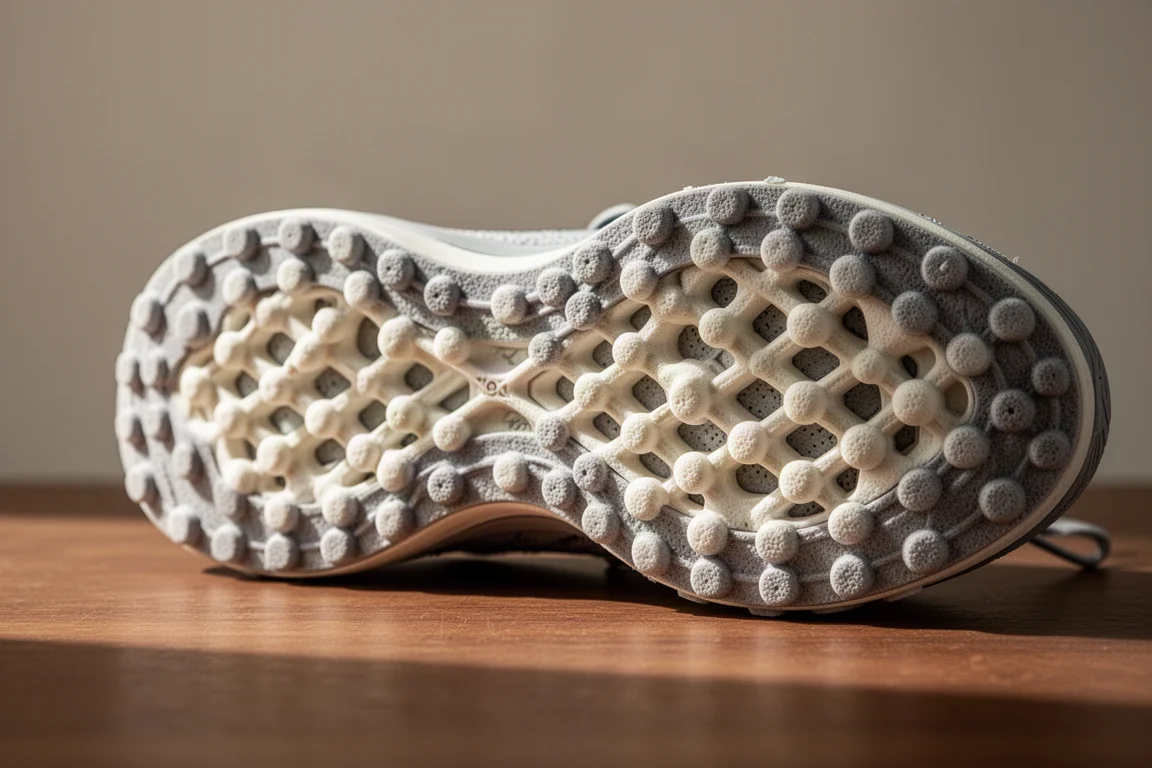
The outsole rubber is the clear weak point. Coverage is fine, but the compound itself is slippery, especially in wet conditions. On damp roads, grip was noticeably poor. If you frequently run in rain, this is worth taking seriously.
The upper design also looks dated at this point, since the shoe launched about two years ago. It borrows styling from an older generation of Saucony speed shoes, and with an upper-only refresh on the horizon, buying this version at a discount rather than full price is the sensible move. Finally, one review pair showed a notable weight discrepancy between shoes, which may point to looser quality control on discounted stock, though nothing about the ride felt compromised.
Buying Advice
If you want a bouncy, poppy, soft stability shoe, the Tempus is a great choice at a discount. If you prefer a more rolling, structured, workhorse feel instead, the New Balance 860 v14 or a firmer option like the Kayano-style alternatives will suit you better. The Nike Zoom Structure 25, often available under $100 as well, is a traditional-feeling alternative with more ground feel and a slight toe-ward pitch.

For value, this is hard to beat: same weight as premium speed trainers, more race foam than shoes costing twice as much, and street prices expected to continue dropping as the newer version rolls out. It works well as a recovery-day shoe with a softer feel, and probably as a workout shoe for runners at moderate paces. As a walking shoe, it should also hold up nicely given the supportive heel.
Conclusion
The Saucony Tempus earns its reputation. It is soft, bouncy, fun, and stable, with a genuinely unique dual-foam implementation that delivers race-foam energy in a supportive package. The slippery rubber and dated upper are real flaws, but at under $100 they are easy to forgive. For runners seeking a soft-but-stable daily trainer, this belongs on the shortlist.
Product link
View more details for Saucony Tempus
This product is mentioned in the review. Check the specifications, options, and compatibility before buying.
View more details for Saucony TempusFurther reading
Related Reviews

Running Shoes
Best Road-to-Trail Running Shoes: Three Versatile Options for Mixed Terrain
A practical guide to three road-to-trail running shoes that handle both pavement and mild trails, with clear strengths and trade-offs for different runner types.

Running Shoes
Best Running Shoes for Achilles Tendonitis: Three Options Explained
Three running shoes with different heel drops and support features designed to help reduce Achilles tendon pain during walking and running.

Running Shoes
Best Running Shoes for Women: Five Top Choices Ranked
A ranked guide to five women's running shoes, from versatile daily trainers to high-performance racing options, with real strengths and trade-offs for each.