Running Shoes
Saucony Tempus 2 vs Brooks Hyperion GTS 2: Stability Running Shoes for Faster Days
The two main stability options for fast training and racing go head to head on weight, stack, fit, and feel to help you pick the right one.
Introduction
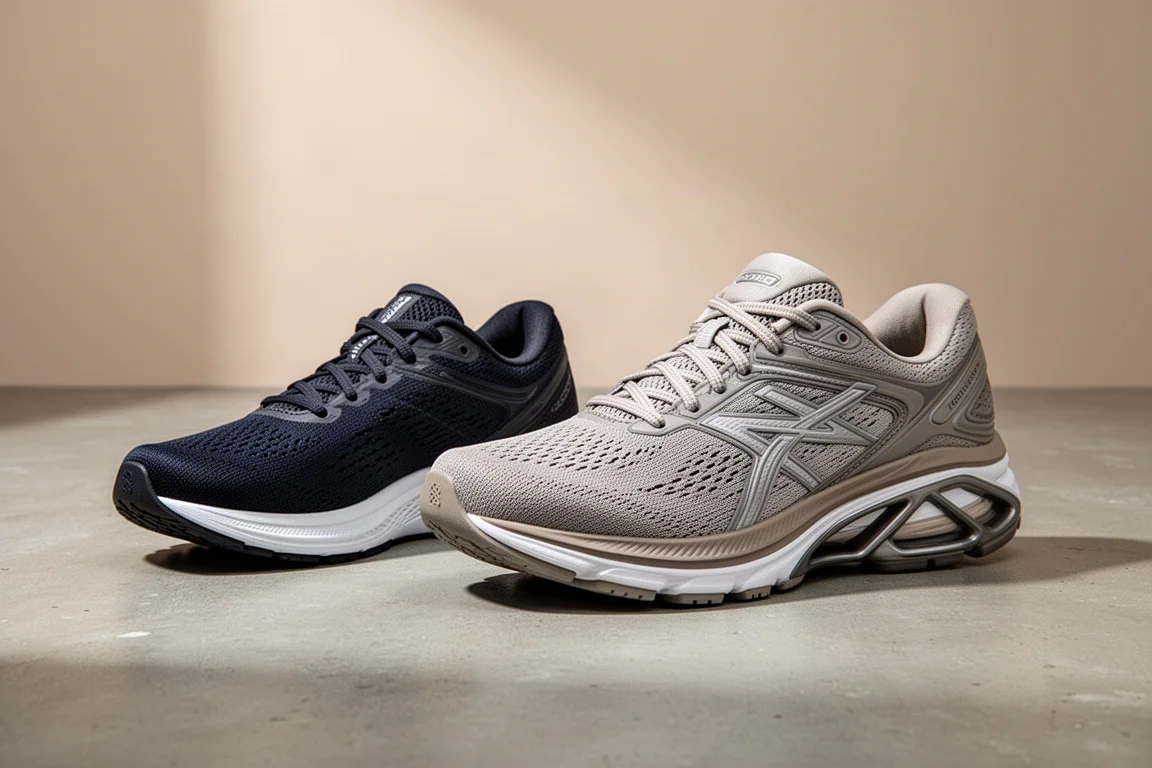
Stability running shoes that can genuinely handle fast workouts and races are a small category, and right now two models stand at the top of it: the Saucony Tempus 2 and the Brooks Hyperion GTS 2. If you can tolerate a “stable neutral” shoe, more options exist in the super shoe space, but if you truly need stability for faster running, workouts, and races, these are essentially the two choices on the market.
They are very different shoes, though, and both can earn a place in the same rotation. This comparison walks through weight, stack, ride, fit, stability, and durability to help you decide which one suits your running better.
Specs and First Impressions
In a men’s size 10, the Saucony Tempus 2 weighs 9.6 oz (272 g), while the Brooks Hyperion GTS 2 comes in noticeably lighter at 8 oz (about 226 g). That is a substantial gap between two shoes aimed at the same rider profile.
Stack heights diverge even more. The Tempus 2 measures 38 mm at the heel and 30 mm at the forefoot for an 8 mm drop. The Hyperion GTS 2 measures 26 mm at the heel and 18 mm at the forefoot, also with an 8 mm drop. Brooks may or may not include the insole in that measurement, so the real stack could be a touch higher, but the on-foot difference is easy to feel.
Saucony Tempus 2: Cushioned Stability for Longer Faster Work
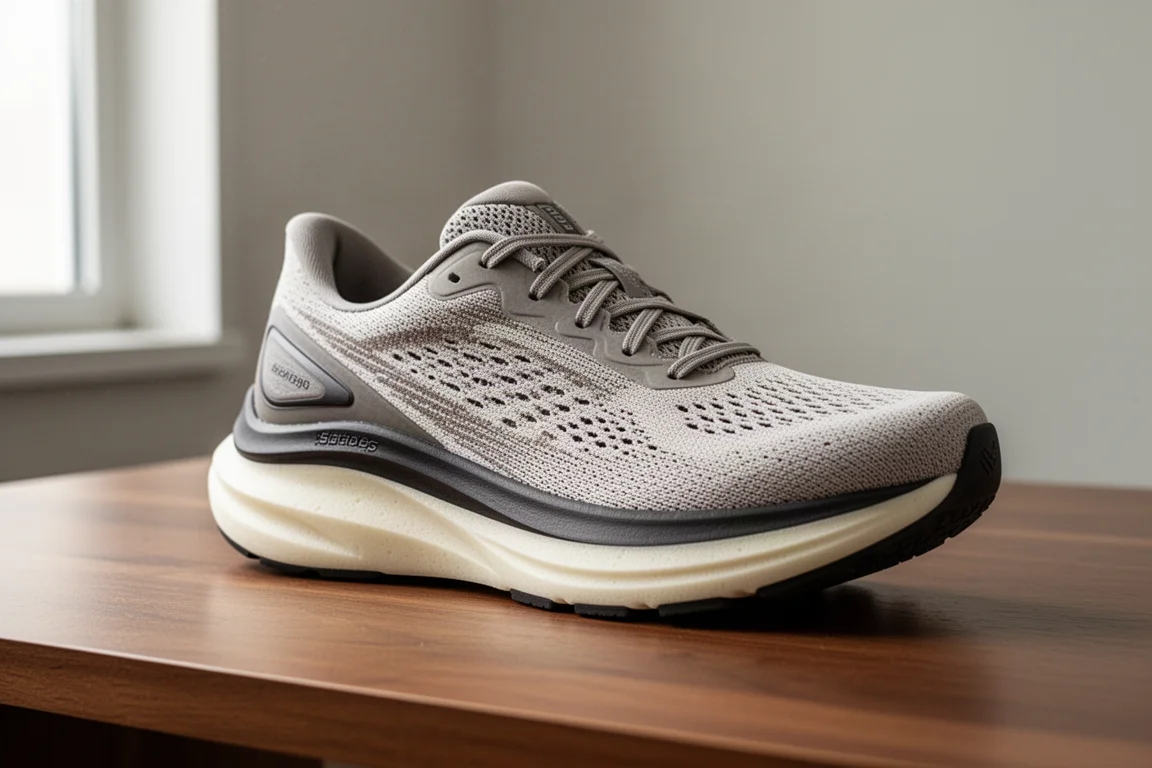
The Tempus 2 is built around a taller, more traditional training-style stack that includes a super foam: PWRRUN PB. It feels like an earlier generation of that foam, firmer than what you find in the latest super trainers, but with noticeably more bounce and softness than the Brooks.
Because there is more material underfoot plus a firmer PWRRUN frame layer in the midsole, the Tempus 2 is less flexible and slightly stiffer, so it rolls a little better without needing as much foot strength to snap off. That combination makes it the stronger choice for long runs, tempo runs, and faster longer workouts, and it has more cushioning for going longer on race day.

Riders coming from shoes like the Brooks Hurricane or Levitate will also find the Tempus 2 an easier transition, since the stack height is closer to what they are used to.
Brooks Hyperion GTS 2: Lightweight Snappiness for Short, Fast Efforts
The Hyperion GTS 2 is more of a traditional lightweight racing and workout shoe. Its DNA Flash midsole has a bit of softness but lacks the bouncy super-foam feel, instead offering much better groundedness. It responds very well for faster efforts, especially if you want to run a little more naturally.
The snappier ride comes from the geometry: it is more flexible and turns over quickly, though that means your feet need to do a bit more work. It also carries guide rails on both sides, with the stability felt mainly as mild support on the medial side of the foot.
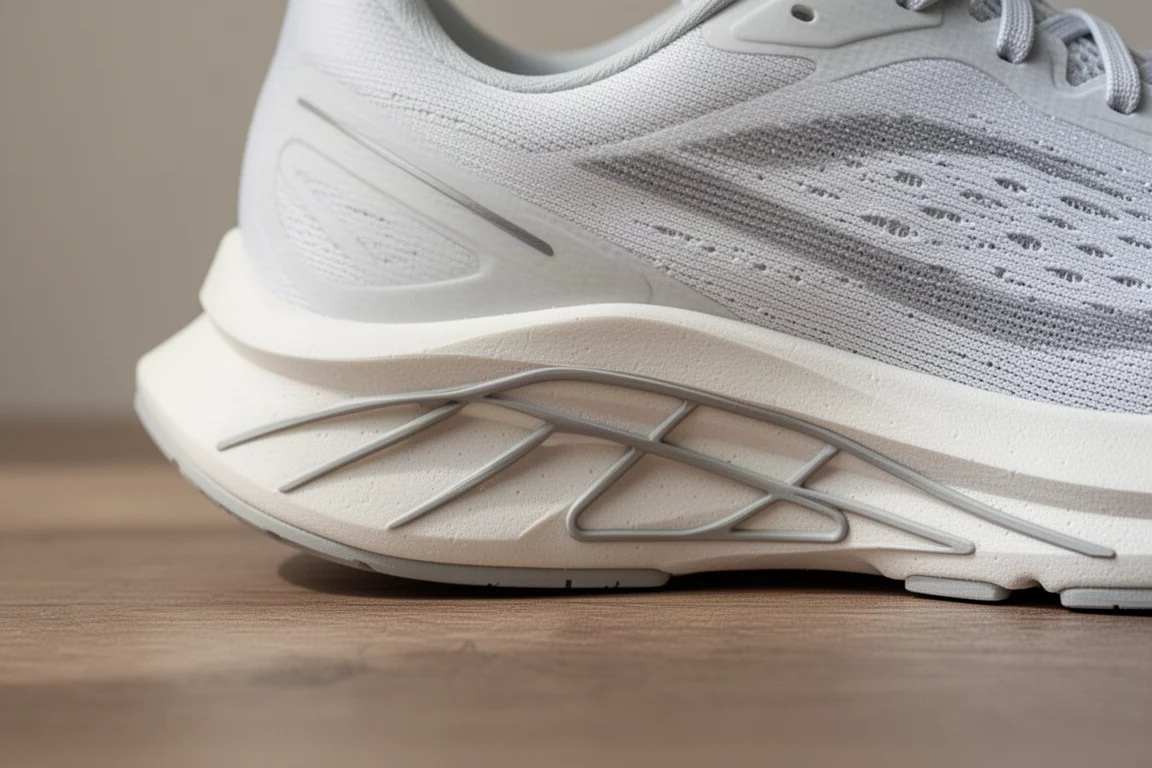
For 5K and 10K efforts, track work, and shorter faster runs, the Hyperion GTS 2 is the better pick of the two. It is also the shoe to reach for when you feel like you are overdoing the super-foam shoes but still want a touch of stability.
Fit and Sizing: Narrow vs Wide
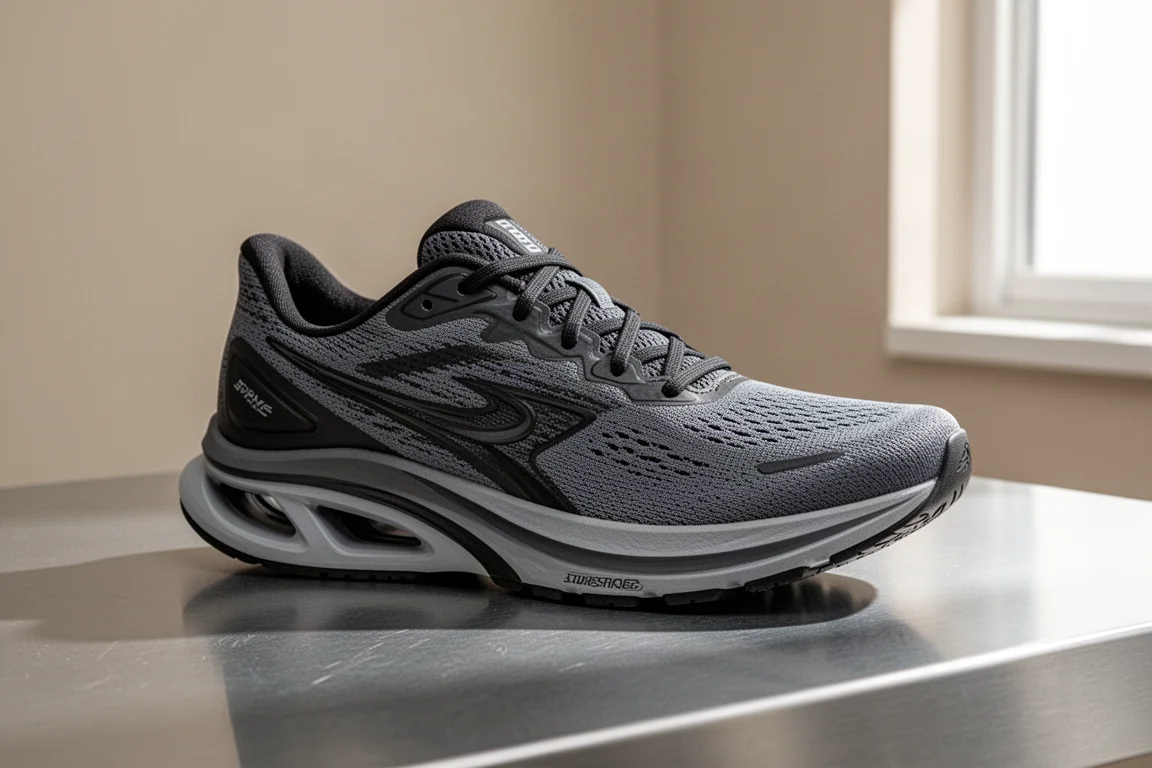
These two shoes fit very differently. The Tempus 2 fits much more snug and lower volume than the previous version, which makes it a genuinely good match for narrow feet or runners who want a locked-in feel.
The Hyperion GTS 2 goes the other way with a wider fit and plenty of toe box room without feeling loose. Laces respond well and are easy to secure, and the slightly lower volume makes it feel quick without squashing your toes. Wide-footed runners should lean Hyperion GTS 2; narrow-footed runners should lean Tempus 2.
One shared trait: both shoes have really stiff heel counters. If you are sensitive back there, take note. If you like stiffness, both deliver it equally well.
Stability: Mild vs Moderate
Stability character differs noticeably. The Hyperion GTS 2 sits on the mild end. Even with guide rails on both sides, the support is felt mainly on the medial side, with a gentle arch feel.
The Tempus 2 is more moderate, with central guidance from the PWRRUN frame that wraps around the foot, plus medial sidewalls and an extension of PWRRUN foam down into the outsole that adds real midfoot support.
If you only need mild help and want a shoe with just a bit of extra support, the Hyperion GTS 2 fits better. If you want more support, especially over longer distances where fatigue sets in, the Tempus 2 provides more of it.
Durability
Both shoes have proven durable. With roughly 40 to 50 miles on the Tempus 2 and about 70 miles on the Hyperion GTS 2, there is barely any visible wear on either outsole.
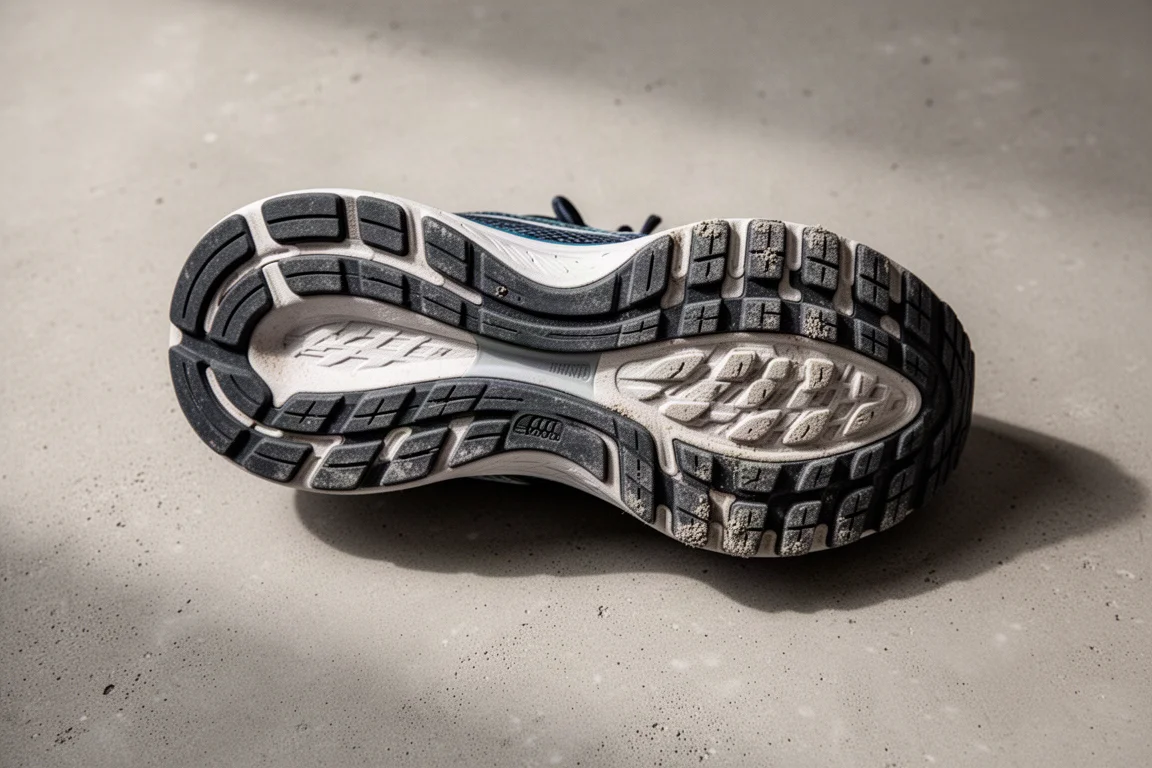
That means either shoe can handle racing, workouts, and even some daily training. Where they differ is who they suit for those tasks, not how long they last.
Race Distance: Where Each Shoe Wins
If you could only pick one for racing 5K and 10K, the Hyperion GTS 2 is the clear choice. For a half or full marathon, the Tempus 2 wins thanks to its extra cushioning and more economical balance over distance.
The lower-stack Hyperion GTS 2 is harder to handle for longer efforts unless you are already used to moderate-stack shoes, which are less common now that high-stack designs dominate. The Tempus 2 is the easier step up from traditional trainers.
Which One Should You Pick?
Both are excellent, but they solve different problems:
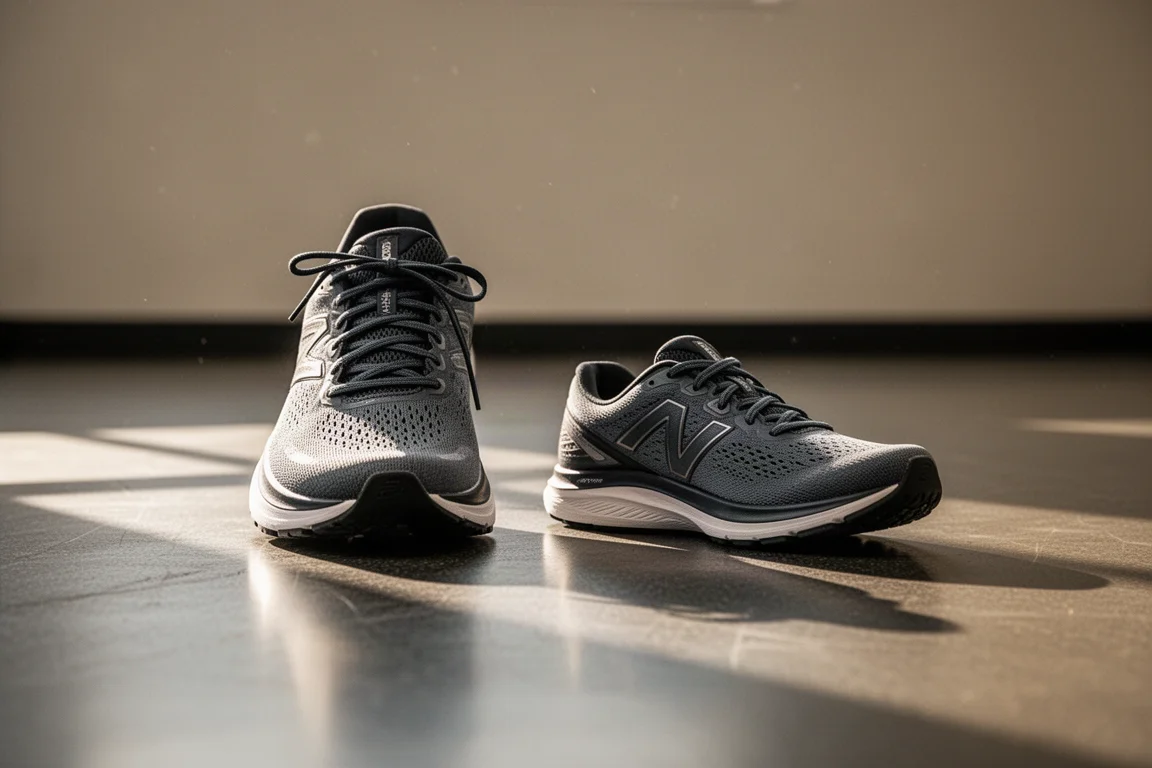
- Saucony Tempus 2: more cushioning, more moderate stability, super-foam bounce, better for half and full marathon, long runs, tempo runs, and faster longer workouts.
- Brooks Hyperion GTS 2: lighter, mild stability, snappier and more grounded, better for 5K and 10K racing, track sessions, and shorter fast efforts.
Many runners will find a place for both: the Tempus 2 for longer quality work and the Hyperion GTS 2 for short sharp speed.
Conclusion
The stability fast-running category may be small, but the Saucony Tempus 2 and Brooks Hyperion GTS 2 cover it well from opposite ends. Pick the Tempus 2 if you want cushioned, moderate stability for longer races and workouts. Pick the Hyperion GTS 2 if you want a light, snappy, mildly stable shoe for shorter and faster efforts. Matching the shoe to your distance and foot shape is what will make either one a success.
Further reading
Related Reviews

Running Shoes
Best Road-to-Trail Running Shoes: Three Versatile Options for Mixed Terrain
A practical guide to three road-to-trail running shoes that handle both pavement and mild trails, with clear strengths and trade-offs for different runner types.

Running Shoes
Best Running Shoes for Achilles Tendonitis: Three Options Explained
Three running shoes with different heel drops and support features designed to help reduce Achilles tendon pain during walking and running.

Running Shoes
Best Running Shoes for Women: Five Top Choices Ranked
A ranked guide to five women's running shoes, from versatile daily trainers to high-performance racing options, with real strengths and trade-offs for each.