Running Shoes
Saucony Tempest vs Saucony Guide 15: Which Stability Shoe Fits Your Running?
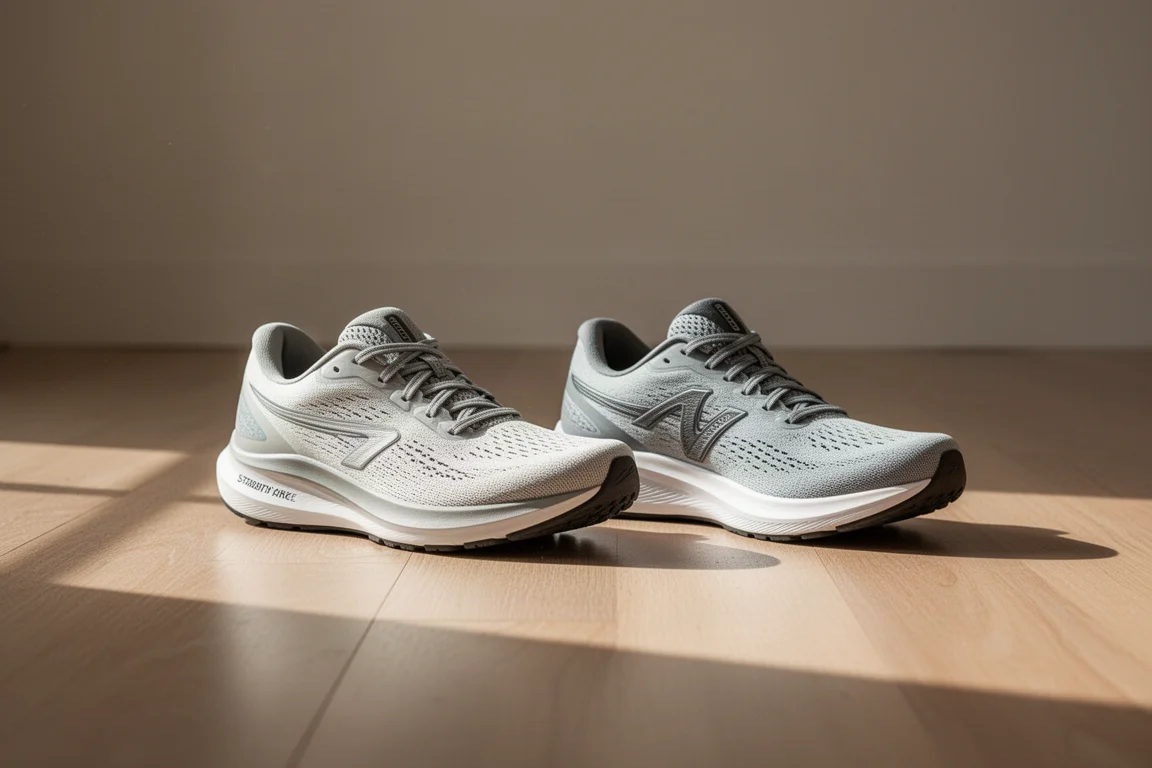
Two Saucony stability trainers with very different personalities: a firmer, structured daily shoe versus a faster, bouncier option that can stretch into workouts and racing.
Introduction
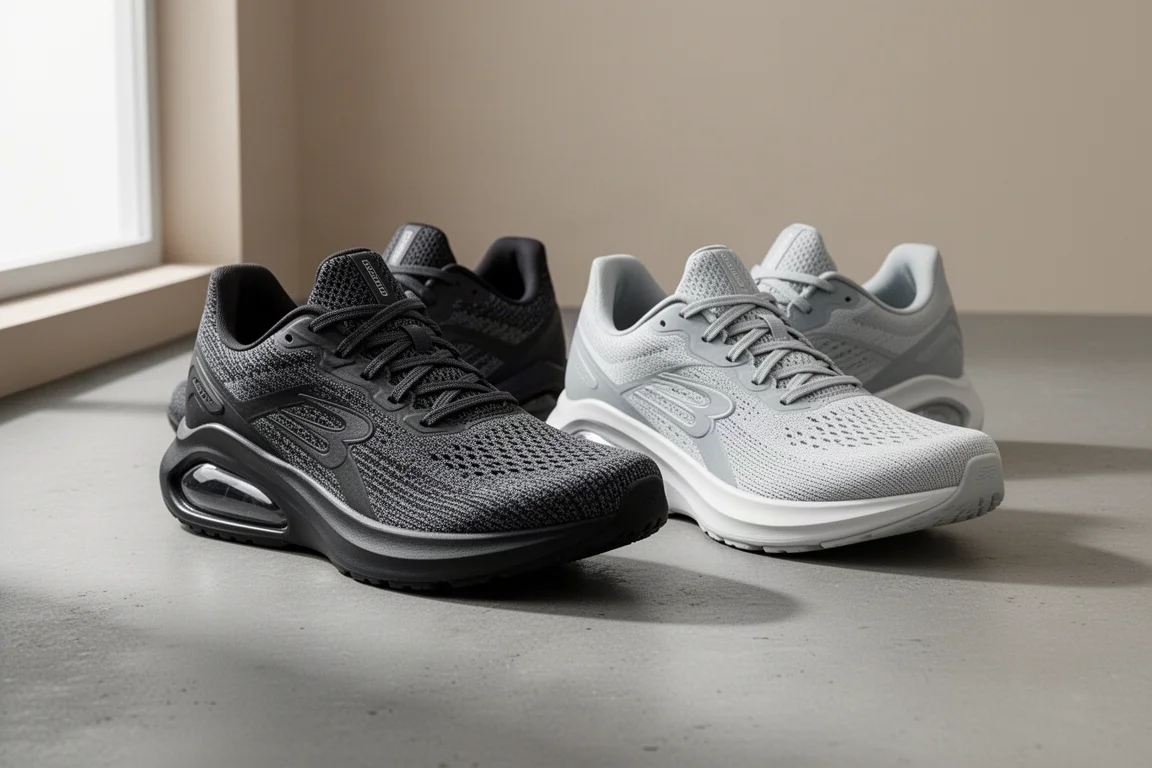
Saucony’s Tempest and Guide 15 are both stability shoes, but they are not interchangeable. The Guide 15 leans on a noticeable plastic arch piece for a more traditional, structured feel, while the Tempest uses full-length guidance frames and bouncier foam to deliver a faster, more versatile ride. This comparison breaks down how they differ in weight, stack height, foam, and fit so you can pick the one that matches how you actually run.
How They Compare on Paper
The spec sheets are closer than you might expect. The Guide 15 comes in at 9.5 ounces, while the Tempest is a touch lighter at 8.9 ounces. Stack heights differ slightly as well: the Tempest sits at about 36.5 mm in the heel and 28.5 mm in the forefoot, with the Guide 15 a little lower at roughly 35 mm heel and 27 mm forefoot. The reason for the weight difference is the foam setup: the Tempest adds PWTPB (Powerfoam PB) foam on top of PowerRun, whereas the Guide 15 uses only PowerRun.
Saucony Guide 15: Structured Support for Daily Miles
The Guide 15 is a complete rethink from previous versions. Instead of a traditional medial post, Saucony uses a plastic arch piece that is very noticeable underfoot. Runners who want to feel their stability element, and who prefer a stronger medial push, will get much more of that from this shoe.
The PWTPB is not in this one, so the PowerRun foam here rides on the softer side, though still firmer than many other shoes. Saucony also built in plenty of guidance elements, including sidewalls in the forefoot and heel. The fit runs a little narrower, which is worth noting if you have wider feet.
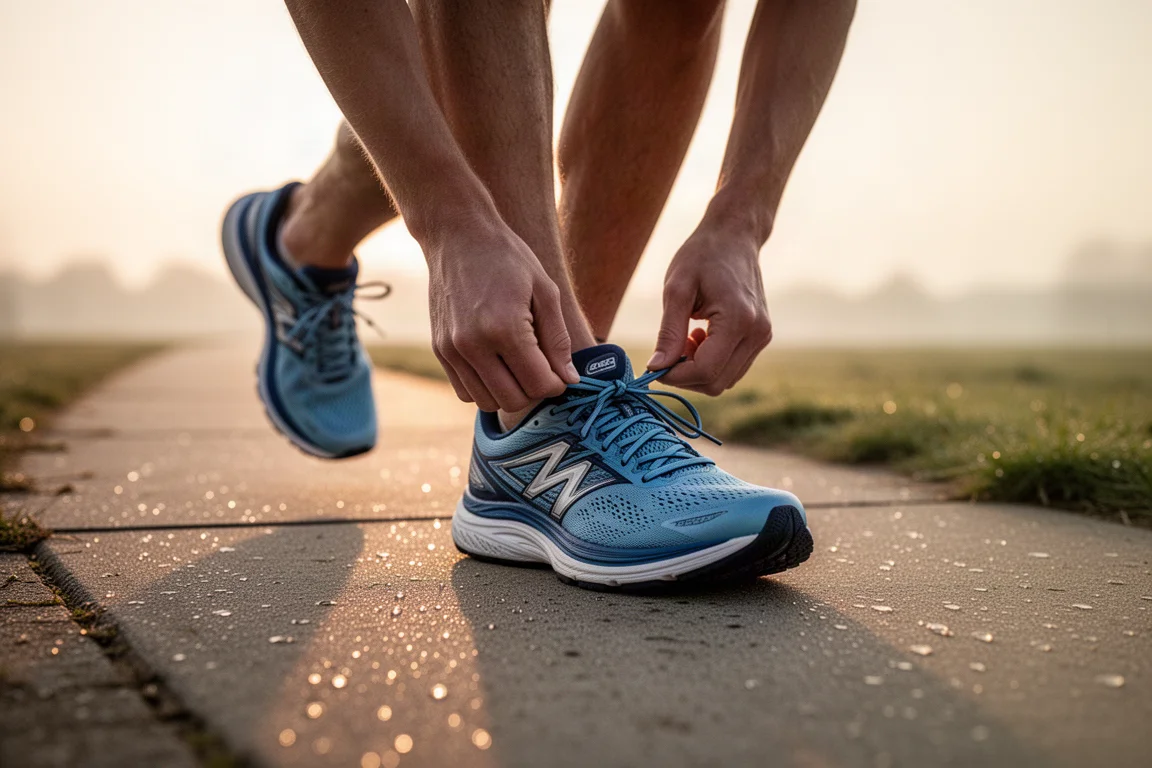
In practice, the Guide 15 works best as a dedicated training shoe, especially for easy miles and everyday mileage. It can handle some slightly uptempo work, but easy and steady running is where it shines.
Saucony Tempest: A Faster, More Guidance-Based Ride
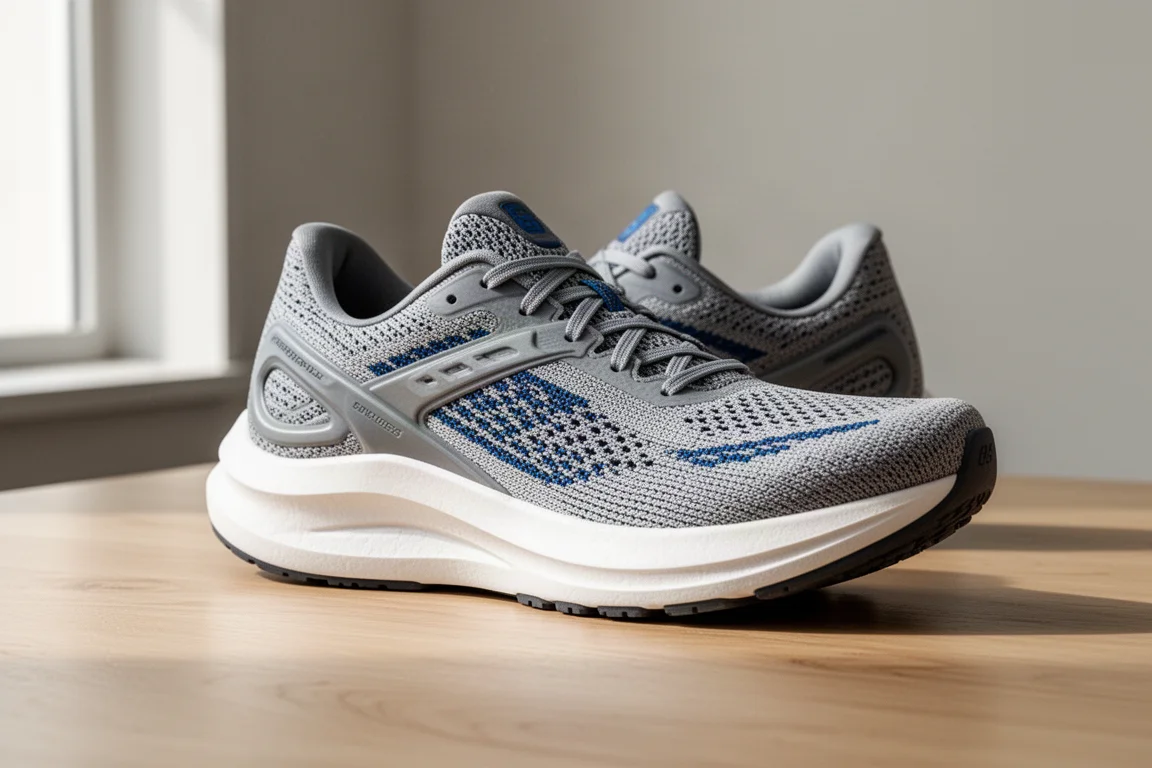
The Tempest takes a different approach to stability. Instead of relying on a prominent plastic piece, it uses full-length frames of PowerRun on both sides of the foot. The result is a more guidance-based, less intrusive stability feel.
The addition of PWTPB foam makes the ride livelier and far more versatile. The Tempest can absolutely work as a trainer, but it stretches comfortably into workouts and even some marathon racing. For runners who want one shoe that covers easy days and harder efforts, this is the one with the range.
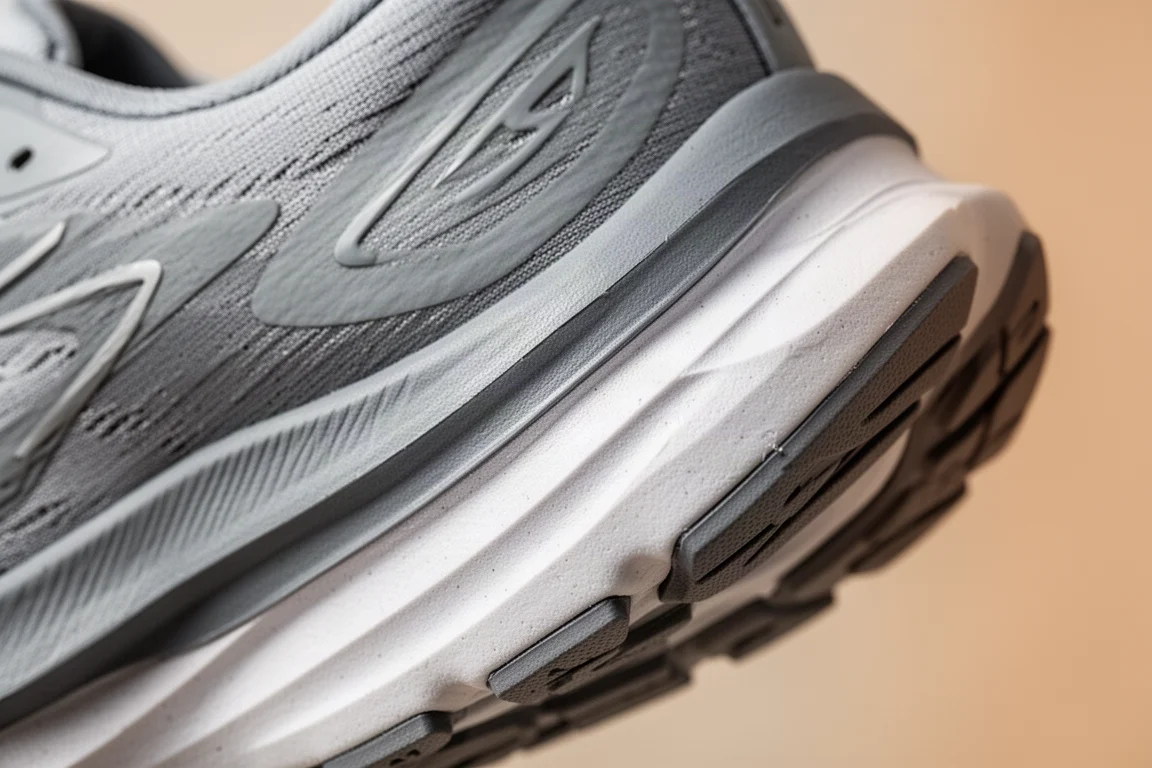
That versatility is the Tempest’s defining trait. Where the Guide 15 narrows its focus to training, the Tempest gives you options: steady miles during the week, tempo work on the weekend, and even a shot at a longer race day if you want extra guidance in a faster package.

Which One Should You Buy?
Both shoes are legitimate stability options, so the choice comes down to feel and intended use. If you want a strong, clearly felt medial push, a plastic arch piece you can really sense, and a shoe tuned for daily training miles, the Guide 15 is the more focused pick. Keep in mind the slightly narrower fit.
If you prefer a subtler, guidance-based stability that stays out of the way, plus bouncier foam that survives uptempo work and even marathon racing, the Tempest is the better all-arounder. It is the shoe you might realistically take from easy runs all the way to a longer race.
Conclusion
The Guide 15 and Tempest show two different philosophies of stability running. The Guide 15 delivers structured, noticeable support aimed squarely at training, while the Tempest trades some of that structure for a faster, more flexible ride that can dip into workouts and racing. Match the shoe to your running style and you get a genuinely good stability option either way.
Further reading
Related Reviews

Running Shoes
Best Road-to-Trail Running Shoes: Three Versatile Options for Mixed Terrain
A practical guide to three road-to-trail running shoes that handle both pavement and mild trails, with clear strengths and trade-offs for different runner types.

Running Shoes
Best Running Shoes for Achilles Tendonitis: Three Options Explained
Three running shoes with different heel drops and support features designed to help reduce Achilles tendon pain during walking and running.

Running Shoes
Best Running Shoes for Women: Five Top Choices Ranked
A ranked guide to five women's running shoes, from versatile daily trainers to high-performance racing options, with real strengths and trade-offs for each.