Running Shoes
Saucony Tempest 2 Review: A Lightweight Stability Shoe With Real Race Foam
The Tempest 2 keeps the dual-foam midsole that made the original a cult favorite and softens the upper. Here is what that means for the market and your rotation.
Introduction
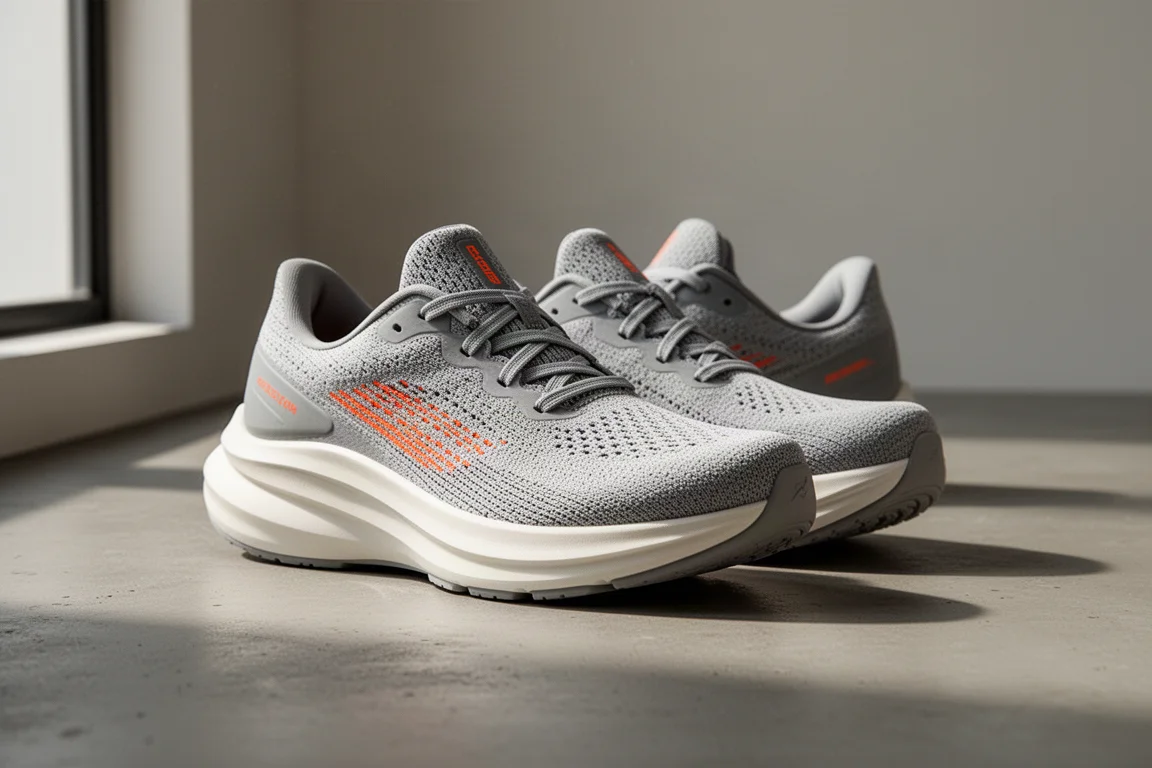
Some shoes look boring and run brilliantly. The Saucony Tempest 2 is firmly in that category. On paper, this is an upper update: Saucony kept the dual-foam midsole that made the original Tempest a sleeper hit from 2022 and 2023, and softened the fit with more padding and a modern knit material. The result is nearly the same shoe, with a slightly more comfortable feel on foot.
The headline spec remains unchanged. A softer PowerRun PB race foam layer sits on top of a firmer EVA cradle, giving the Tempest something almost no other stability shoe can claim: genuine race-grade foam in a supportive package. It weighs in around 283 grams, an 8 mm drop, and a ride that is bouncy, energetic, and lighter than the stability norm.
Who the Tempest 2 Is For
Three kinds of runners should pay attention here. First, high-mileage runners who want a lightweight, supportive recovery shoe. If you are stacking big weekly volume, a max-cushion recovery shoe can feel heavy and clunky on tired days. The Tempest gives you support with far less weight, which is a rare combination in a market where lightweight shoes usually trade away stability.
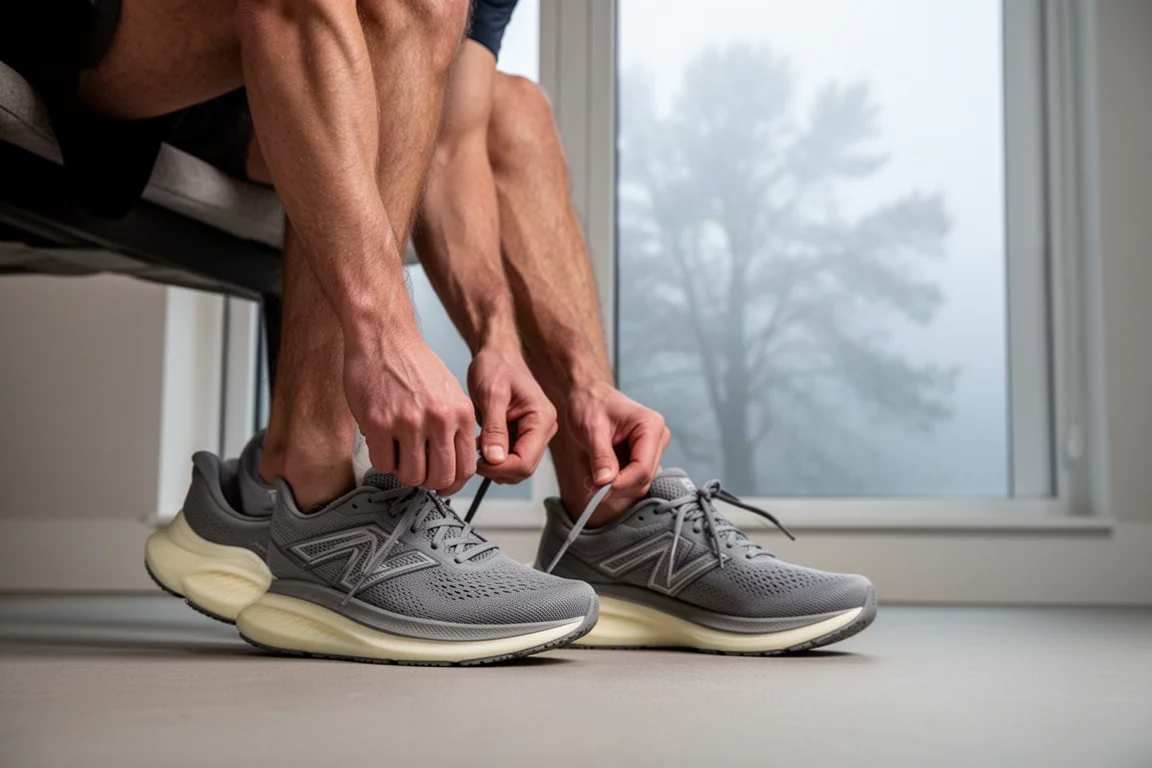
Second, newer runners who want one shoe to do everything: easy runs, workouts, long runs, and even your first half marathon or marathon. Nothing about the fit is awkward. The 8 mm drop is middle-of-the-road, the support is built in, and the rocker shape keeps the ride smooth. This is the kind of shoe you can pick up and run in every single day of the week.
Third, stability runners who occasionally want to go fast. If your everyday miles are in traditional support shoes, the Tempest is among the lightest and quickest options in the category, making it a strong pick for tempo runs, intervals, and even long-run days during marathon training.
Main Strengths
The midsole is essentially perfect, which is exactly why Saucony did not change it. PowerRun PB is the real deal, not a nerfed version, and it delivers a bouncy, energetic feel that fights fatigue on tired legs. The firmer EVA cradle adds structure, and the rocker shape, once rare on stability shoes, makes the transition smooth from heel to toe.
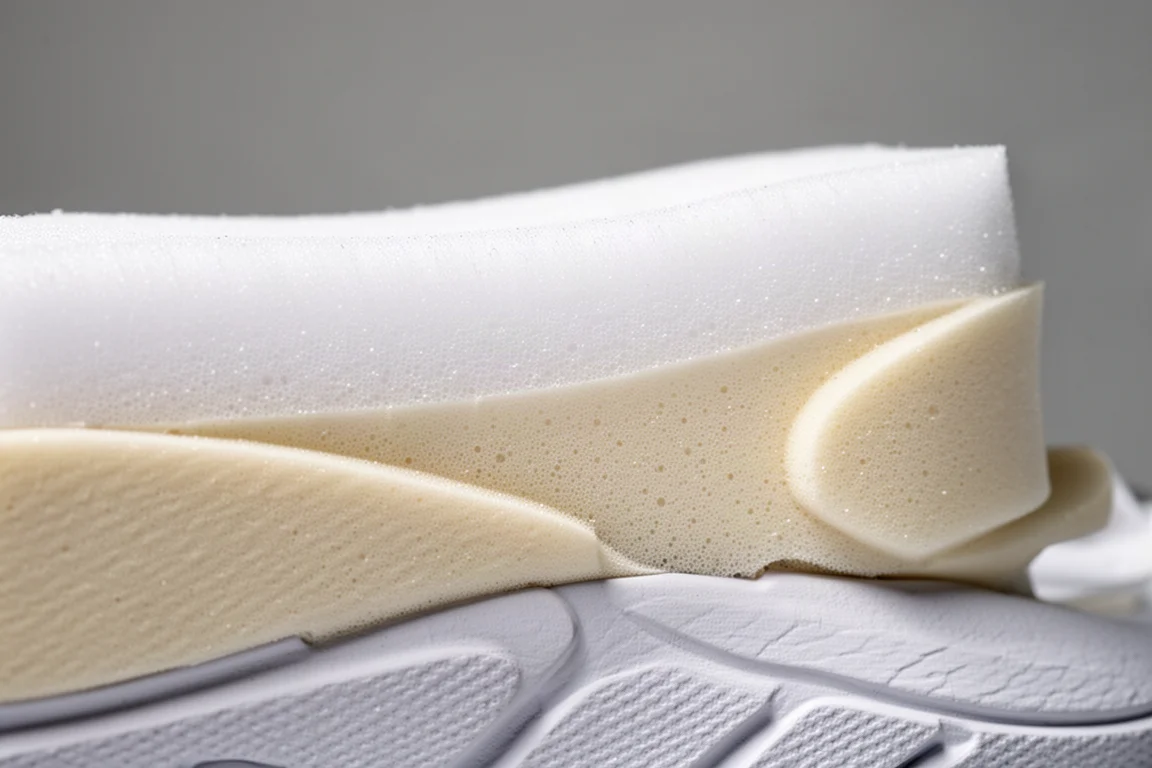
The ride sits in a genuine Goldilocks zone: soft, especially under the heel, with a bit of flexibility and ground feel up front because the race foam compresses. You give up some cushion compared to max-stack options, but you get that back in weight, roughly 15 to 20 percent lighter than comparable heavy stability trainers.
The updated upper brings more padding around the heel, a softer feel, a more padded tongue, and a cleaned-up lacing layout. It is not dramatically different on foot from the original, but the changes are all sensible and nothing was broken in the process. Durability also looks strong, with the community reporting roughly 300 to 350 miles or more per pair.
Things to Consider Before Buying
The colorways are the most obvious letdown. The gray and orange arrangement is as plain as running shoe design gets, and the rest of the launch lineup did not improve much. Some of the women’s colorways are noticeably better, so it is worth checking across the range. This is a shoe that looks like a shoe.
Grip is the other concern. The outsole traction on the original Tempest and on the Saucony Hurricane was poor, so expect similar here in wet conditions.
Fit-wise, Saucony’s toe box can run narrow for some feet, and the softer, thicker upper may be slightly warmer in summer. If you own the Tempest 1, the on-foot difference is small enough that buying the new model is not essential; if the original is on sale, that remains a perfectly good buy.
How It Compares in the Stability Market
The stability market has blurred in the last two years. Shoes like the Hoka Mach X2 and Brooks Glycerin Max bring wide bases and stabilizing foam designs to shoes that are not marketed as stability trainers, which has diluted the Tempest’s once-unique appeal.
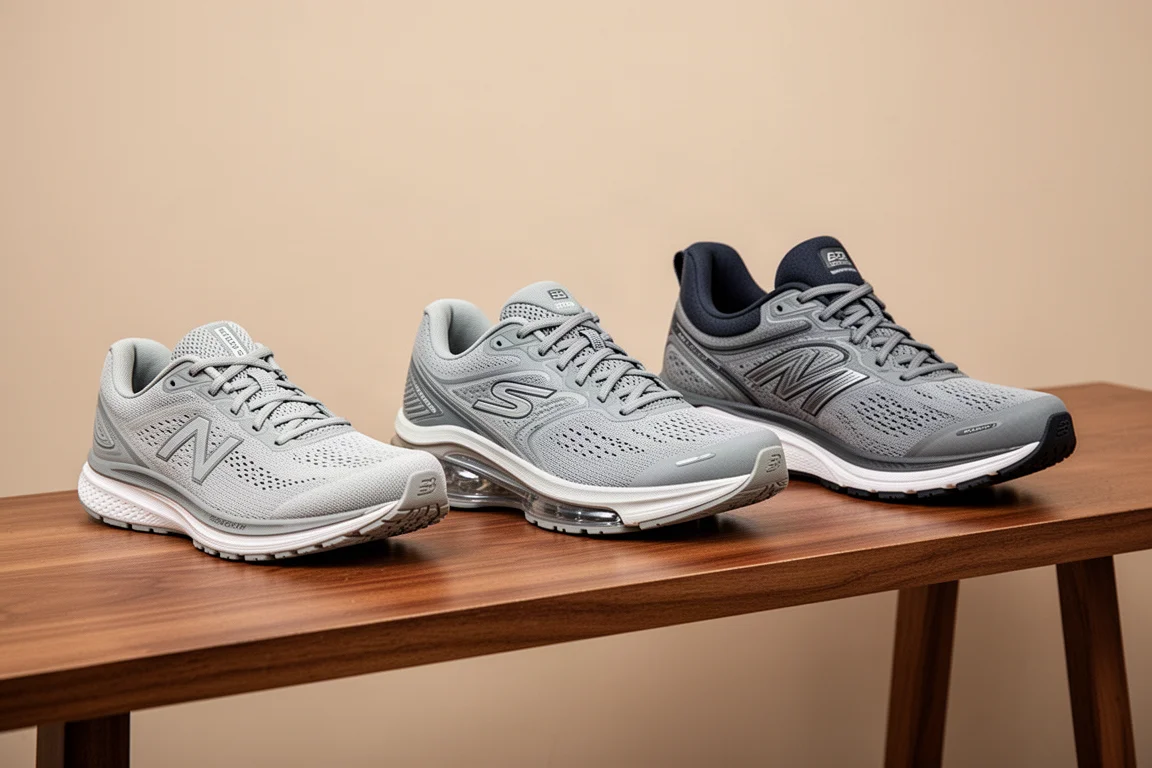
Within traditional stability shoes, the spectrum looks like this: the Tempest is the lightweight, energetic pick; the New Balance 860 v14 is the modern versatile workhorse with a plastic stability plane, denser foam, and more weight; and the Brooks Adrenaline GTS 24 is the old-school, most-padded option with a 12 mm drop. The 860 is firmer and more robust-feeling, while the Tempest feels softer, particularly at the heel. The Brooks Hyperion 2 GTS is the other race-foam stability shoe, but it is firmer, lower profile, and more stripped down; the Tempest is softer and more supportive. Many runners would pick the Tempest or the 860, not both.
Buying Advice
List price sits at $160, but the shoe launched quietly with a weak marketing push, so discounts are realistic. At a $120 sale price it becomes a much stronger proposition: race foam, built-in support, a comfortable upper, and genuine do-it-all versatility for well under the sticker.

If you are replacing an original Tempest, this is an easy call. If you are choosing your first stability shoe, decide between the Tempest for lightness and energy, the 860 for all-around versatility, and the Adrenaline for maximum cushion and support. And if you want a lighter, zestier spin on the reliable daily formula, the Tempest fits that bill nicely.
Conclusion
The Saucony Tempest 2 is a low-key banger. It does not chase hype, it does not look exciting, and Saucony barely promoted it, but the midsole remains one of the best dual-foam setups in running. As a lightweight stability shoe for recovery miles, a one-shoe answer for newer runners, or a fast option for marathon training, it earns a strong recommendation. The midsole was magic, Saucony kept it, and that is the whole story.
Product link
View more details for Saucony Tempest 2
This product is mentioned in the review. Check the specifications, options, and compatibility before buying.
View more details for Saucony Tempest 2Further reading
Related Reviews

Running Shoes
Best Road-to-Trail Running Shoes: Three Versatile Options for Mixed Terrain
A practical guide to three road-to-trail running shoes that handle both pavement and mild trails, with clear strengths and trade-offs for different runner types.

Running Shoes
Best Running Shoes for Achilles Tendonitis: Three Options Explained
Three running shoes with different heel drops and support features designed to help reduce Achilles tendon pain during walking and running.

Running Shoes
Best Running Shoes for Women: Five Top Choices Ranked
A ranked guide to five women's running shoes, from versatile daily trainers to high-performance racing options, with real strengths and trade-offs for each.