Running Shoes
Saucony Speed 2 vs Speed 3: Which One Deserves a Spot in Your Rotation?
Three years of running in the Saucony Speed lineup gives a solid basis for comparison. Here is how the Speed 2 and Speed 3 stack up across upper, midsole, outsole, fit, and value.
Introduction
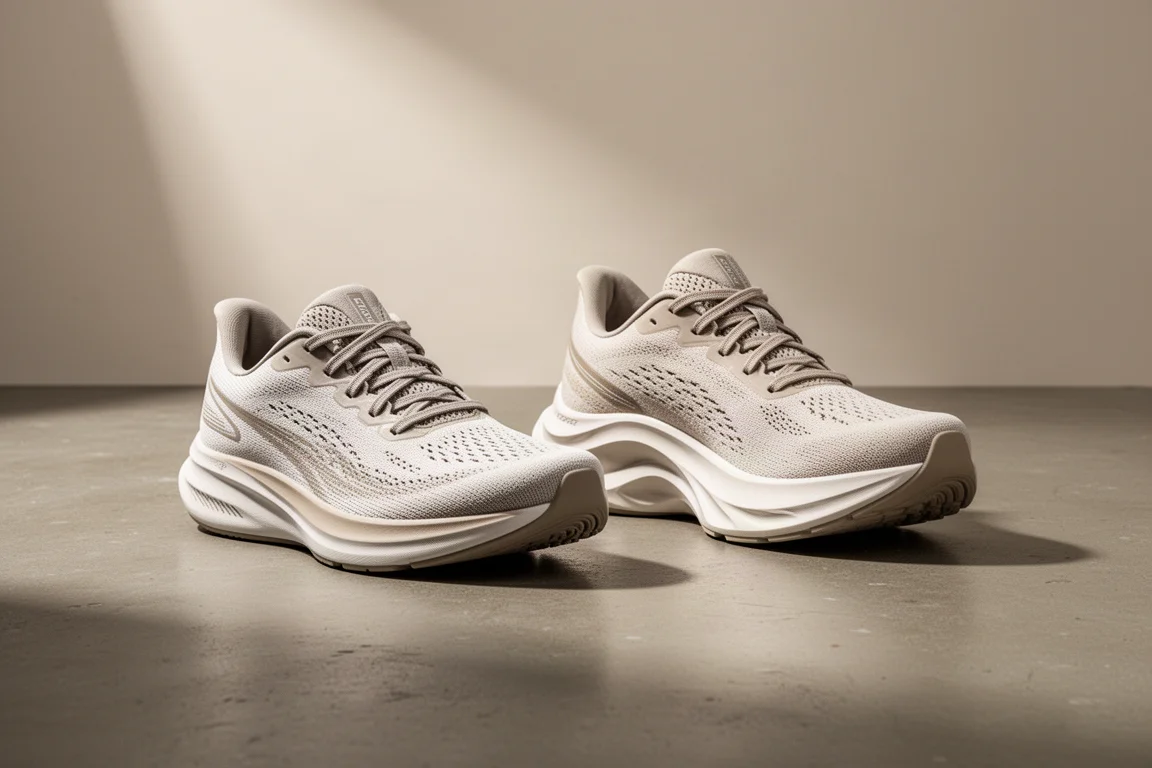
Some running shoe lineups just click. The Saucony Speed series is one of them, and after three years of running in these shoes, the Speed 2 versus Speed 3 comparison feels less like a spec sheet fight and more like choosing between two familiar training partners. Both share the same core recipe: a Power Run PB midsole and a lightweight, race-ready build priced at $160.
The overall verdict leans toward the Speed 2, which took six categories and a full review score of 7.83 versus 7.3. But the Speed 3 is not a downgrade across the board, and depending on your body and foot shape, it may actually be the better pick. Here is how the battle played out.
Upper and Fit
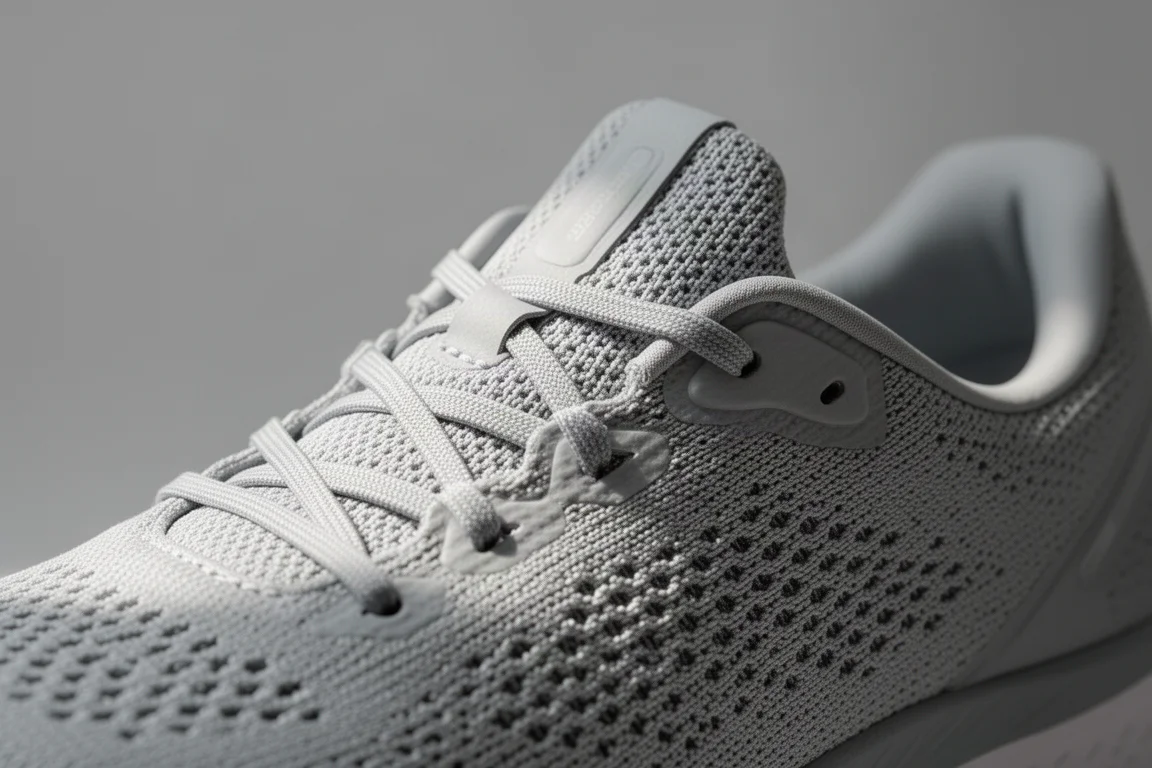
Both shoes use an engineered mesh upper, and both are true to size. The differences are subtle but meaningful. The Speed 2 offers slightly better lockdown, largely thanks to a bit more padding in the tongue. Breathability is very close between the two, so hard to call that a real separator.
The toe box is where things diverge. The Speed 3 toe box looks and feels slightly bigger overall. For narrower feet that extra volume does not help, but if you have a wider foot, the Speed 3 suddenly becomes the more attractive option.
Midsole and Ride
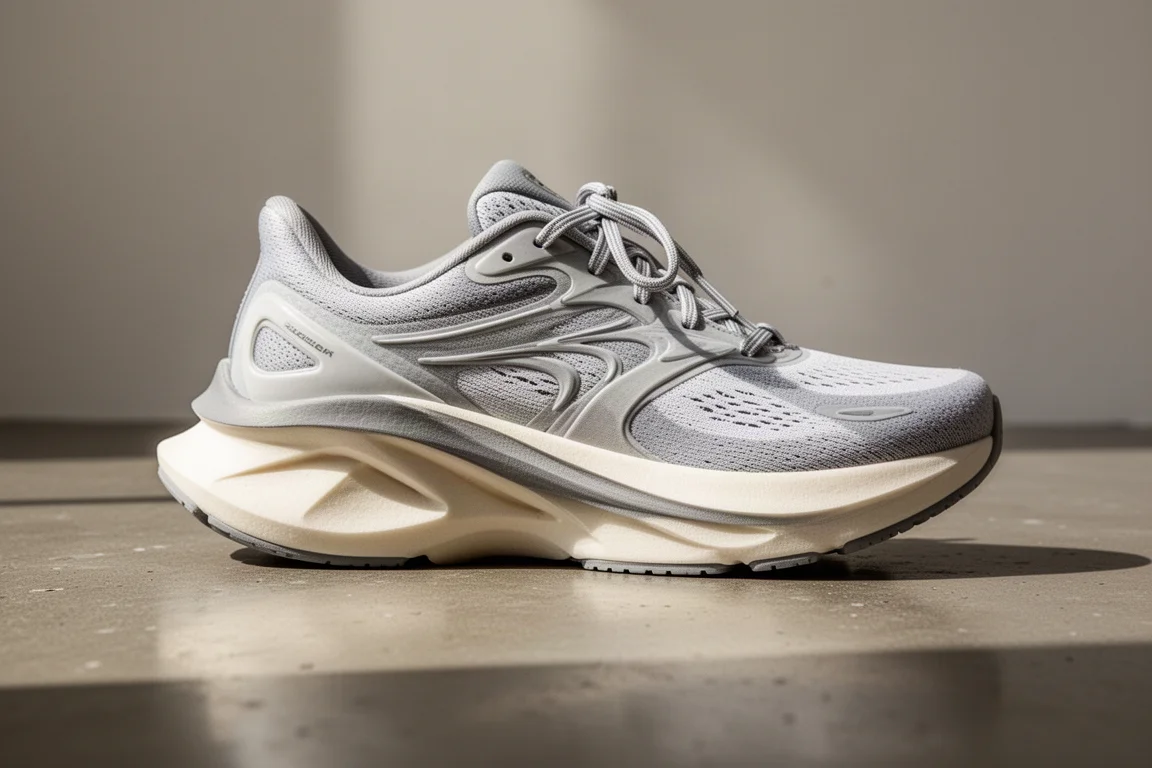
Both shoes carry the Power Run PB midsole, so the foam chemistry is the same. What changes is how much of it is packed in. The Speed 3 stuffs noticeably more midsole foam into the shoe, and it also adds an S-curved winged nylon plate for energy return along with Speedroll technology and a contoured EVA sockliner.
This comes down to personal preference and, honestly, body type. The Speed 2 rides a bit leaner and more streamlined under foot strike, which suits lighter runners. A bigger, stronger runner, say someone around 225 pounds, may well prefer the extra cushion of the Speed 3. For a lighter stride, the additional girth in the Speed 3 can feel slightly clunky rather than fast, a bit like stepping from a razor-sharp racer into something a touch more padded.
Outsole and Traction
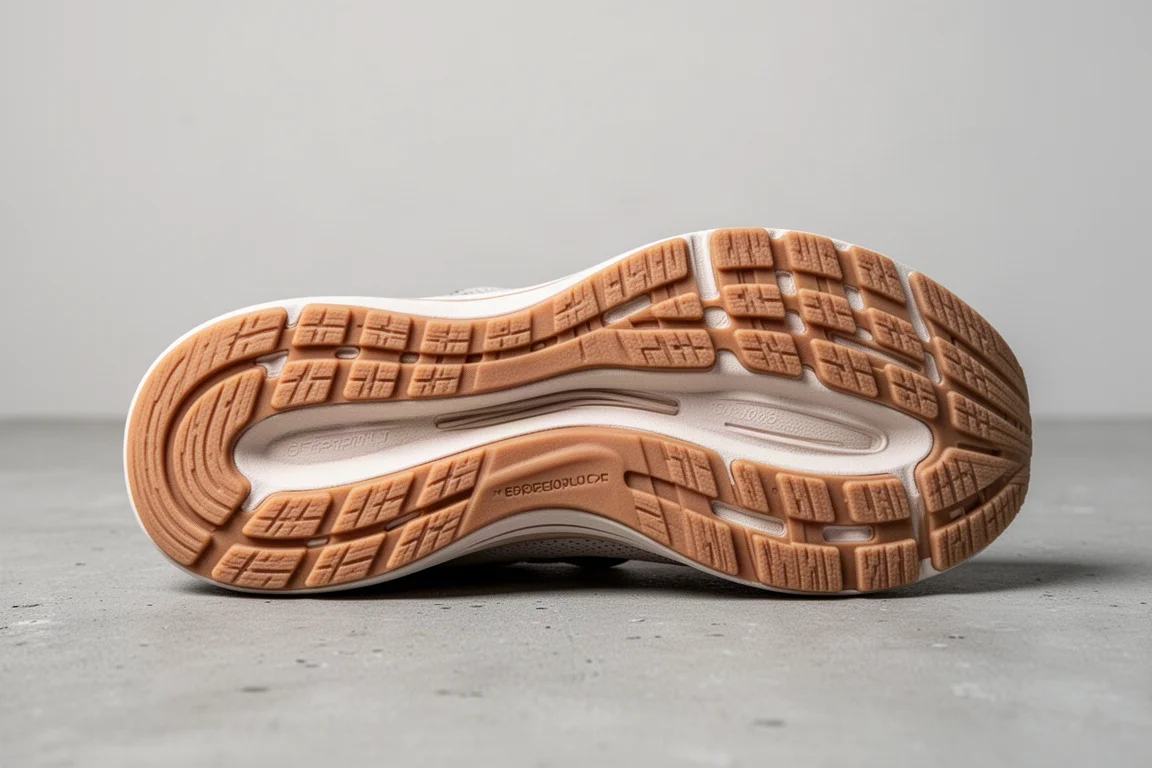
Both shoes use Saucony’s XT-900 rubber, which holds up well for the category. The Speed 3 drops the amount of rubber slightly and introduces a gentle decoupled groove along the outsole. The result is a more streamlined feel that works with the Speedroll concept to help you run straight down the road, whether you are training or racing.
Durability predictions land the same for both shoes, around 400 miles, so neither shoe gives up ground there.
Racing and Buying Advice
A question that comes up often: can you race a half marathon or full marathon, or even a 100K, in one of these? The answer is yes, with one caveat. Saucony’s Pro line is lighter, roughly an ounce lighter, and remains the more dedicated racing tool.
If you want to pinch pennies, the Speed is a genuinely capable race day shoe. One practical approach: pick up the Speed 2, train in it for the last three to four weeks of your training block, then rip a race in it. If you are chasing a serious PR or racing one of the majors, that is the moment to splurge on the Pro instead.
Conclusion
The Speed 2 edges out the Speed 3 overall, 7.83 to 7.3, thanks to its better lockdown and leaner, more streamlined midsole feel. But the decision is not one-sided. If you have a wider foot or want a plusher ride under a bigger frame, the Speed 3 earns its place. Both are $160, both predict around 400 miles, and both are more than capable of carrying you through training and race day alike.
Product link
View more details for Saucony Speed 2
This product is mentioned in the review. Check the specifications, options, and compatibility before buying.
View more details for Saucony Speed 2Further reading
Related Reviews

Running Shoes
Best Road-to-Trail Running Shoes: Three Versatile Options for Mixed Terrain
A practical guide to three road-to-trail running shoes that handle both pavement and mild trails, with clear strengths and trade-offs for different runner types.

Running Shoes
Best Running Shoes for Achilles Tendonitis: Three Options Explained
Three running shoes with different heel drops and support features designed to help reduce Achilles tendon pain during walking and running.

Running Shoes
Best Running Shoes for Women: Five Top Choices Ranked
A ranked guide to five women's running shoes, from versatile daily trainers to high-performance racing options, with real strengths and trade-offs for each.