Running Shoes
Saucony Sonic Blast Review: A Rigid Plated Trainer That Divides Opinion
A close look at the Saucony Sonic Blast, a max-stack plated trainer with a firm, controlled ride, a very comfortable upper, and some clear trade-offs to weigh before buying.
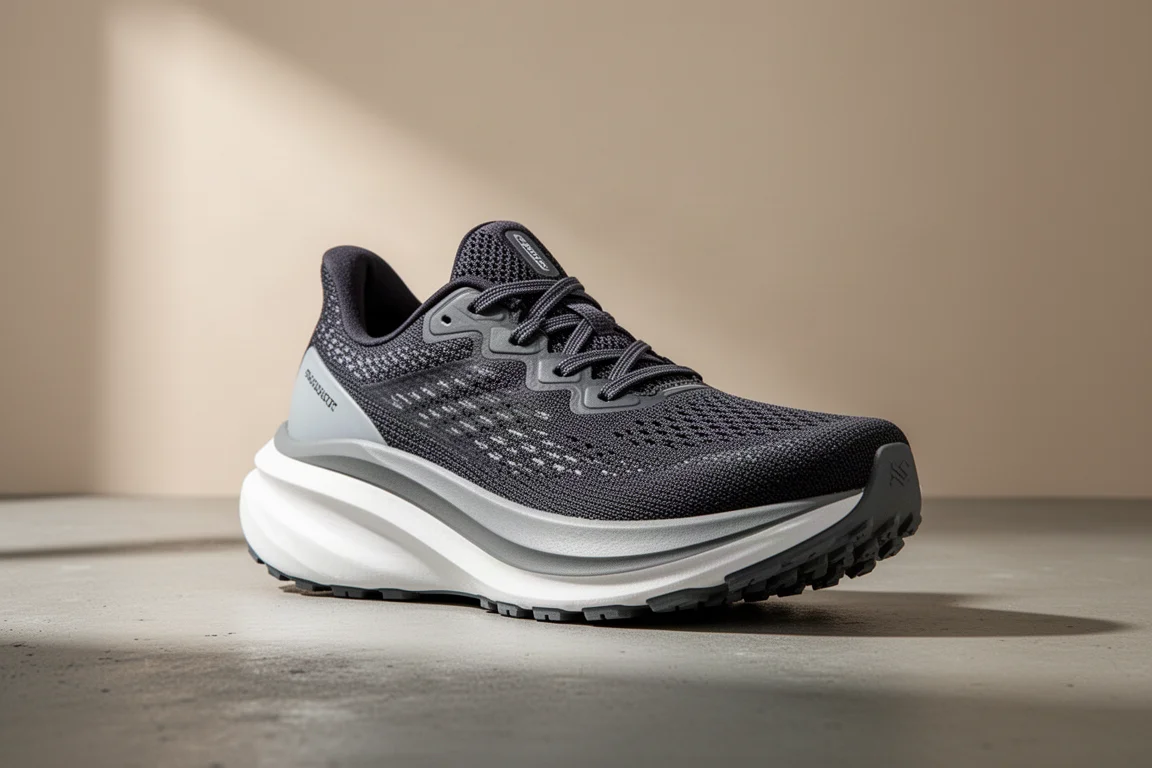
Introduction
The Saucony Sonic Blast arrives as the second release in this new Salvo lineup, positioned by the brand around tempo runs and daily training. After spending time in it, the shoe reads less like an everyday companion and more like a very specific, rigid, plated trainer that suits a particular type of runner. Here is how it shaped up over testing.
First Impressions and Specs
For the sample size, Saucony lists about 46 mm of stack in the heel and 38 mm up front for an 8 mm drop, with a weight of 245 g or 8.6 oz and a retail price of $170. A UK 11 / US 12 test pair weighed around 308 g or 10.9 oz, a touch heavier than the Nike Zoom Fly 6. Measured width came in around 12 cm in the forefoot and 9.7 cm in the heel, so there is still plenty of room up front.
The upper is one of the best parts of this shoe. The engineered mesh is flexible and comfortable, with decent tongue padding, partial gusseting on either side, and small lace loops near the final eyelets that help lock the foot in. Over 16 miles of testing the upper barely stretched, and there was no tongue slide or need to stop and retighten. It fits true to size, so there is no need to go up or down a half size.
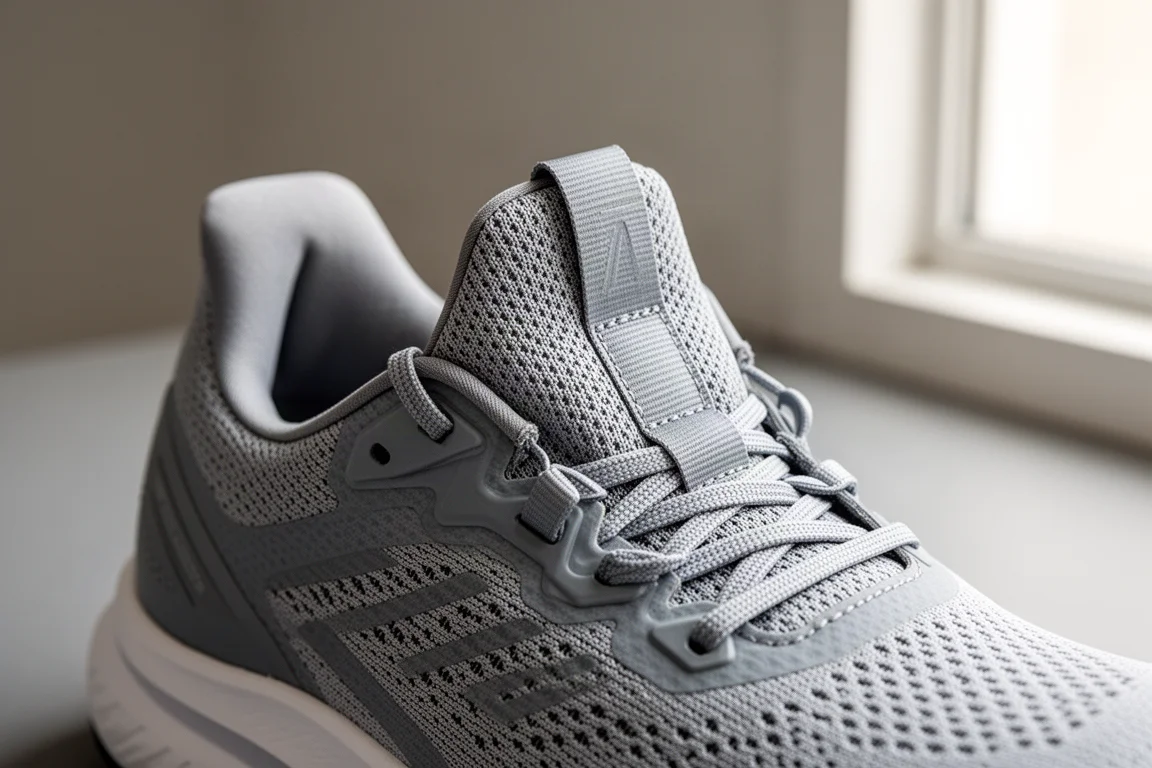
A couple of small quirks worth noting: the laces lack the serrated finish seen on some other higher-end Saucony models, and the light colorway picks up dirt quickly. After just 16 miles of dry-road running the upper had a visible patina that was tough to clean. On the plus side, there were no irritations over a half marathon distance, and the thinner heel counter keeps excess bulk down.
Midsole and Ride
This is a two-foam shoe with a plate. The top layer is PWRRUN FF Turbo 2, which feels denser and tougher here than in the Mega Blast, reading around 29 on the Shore A durometer scale. The lower layer is PWRRUN PB Blast at around 32. For context, about 28 is typical across most tested shoes, so this is a firm setup by comparison.
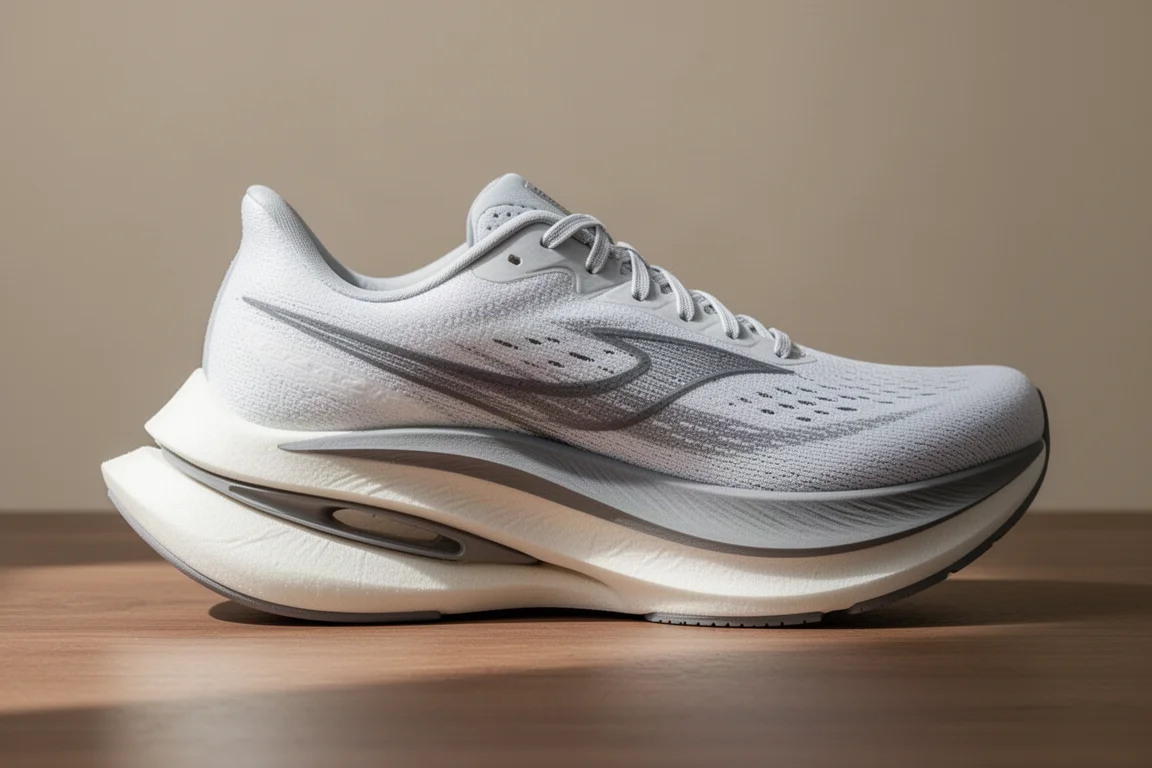
The ride is firmly anchored in the controlled and stabilized camp rather than the bouncy, energetic one. The plate is rigid, and even after a half marathon it did not noticeably free up. The closest comparisons in feel are the Nike Zoom Fly 6 or the Adidas Boston 13, both of which offer a softer, more fun ride straight out of the box at a lower stack and a lower price.
Where the Sonic Blast does work is at a faster clip and on hills. The Pebax plate seemed to provide genuine assistance charging uphill, and the test half marathon included considerable elevation. Heavier runners after dense, consistent cushioning underfoot may get more out of this foam combination than lighter runners, who may find it rigid and wanting a slightly more forgiving impact by the end of longer runs.
Outsole and Durability
The standard Saucony grip rubber is serviceable, with most of the coverage positioned in the forefoot in a trampoline-style section similar to the Nova Blast. That section does not add much bounce, and there is a lot of exposed midsole foam and visible plate, which means thorns and debris can get lodged in the gaps. The lateral heel rubber stretches well back into the rear of the shoe, though it ends abruptly on the medial side. Rubber depth is minimal, likely to keep weight down.
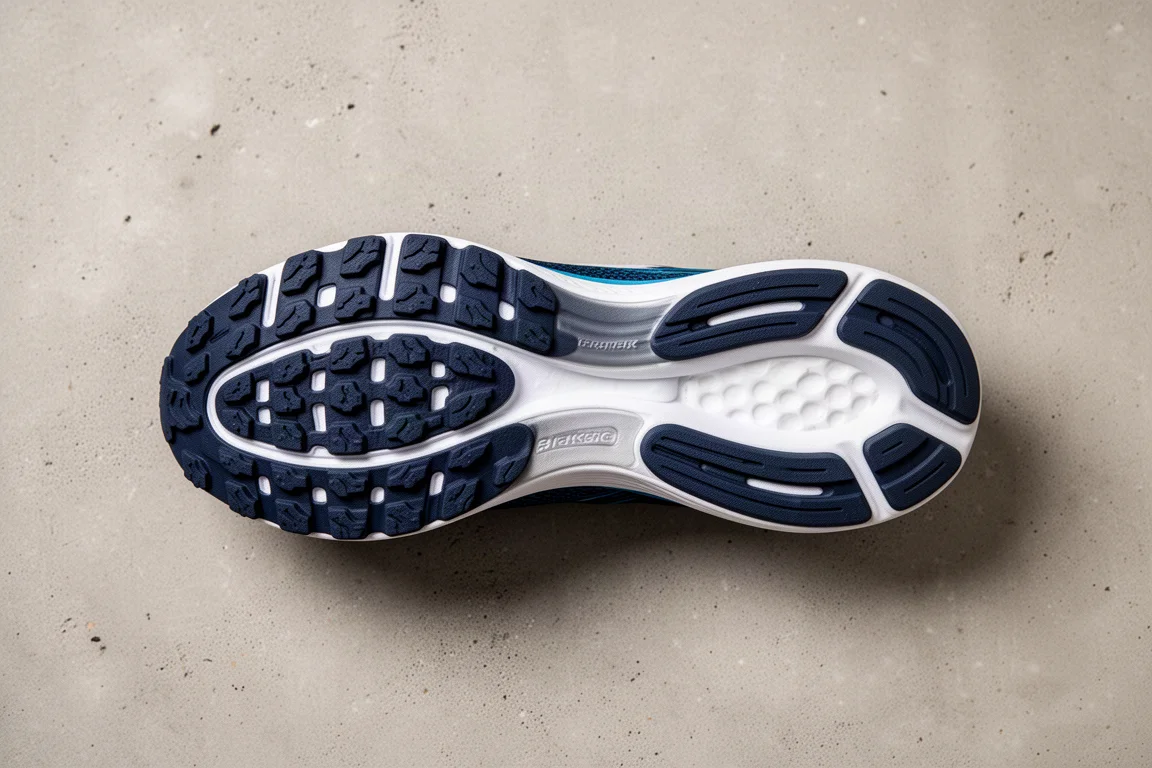
After 16 miles, the midsole foam already showed noticeable discoloration. This is strictly a road and pavement shoe. With shallow lugs, minimal rubber, and an exposed plate, it should not be taken on light trail or gravel. Trimming some of the exposed foam could also have reduced the heft.
Value and Verdict
At $170, the Sonic Blast is a bit of a puzzle. There are premium and race options not much more expensive that feel more versatile, including Saucony’s own Magic Speed and other models in a similar price bracket. The build quality is decent and it feels like a premium product out of the box, but it lacks the versatility expected at this price, scoring 2.7/3 for the upper, 2/3 for the midsole, 2.5/3 for the outsole, and 2.3/3 for value, for a total of 9.5 out of 12.
Who Should Buy the Sonic Blast
This shoe suits heavier-set runners after a plated, dense, consistent training option with a rockered feel and good hill assistance. If you are a lighter runner looking for a race shoe or an energizing daily trainer, the Zoom Fly 6 or Boston 13 are likely more enjoyable and cheaper, and the Brooks Hyperion Max 3 shares a similar stack and feel with comparable underfoot characteristics. If Saucony had used a softer foam formula somewhere in the stack, this could have been a much more versatile all-rounder.

Conclusion
The Saucony Sonic Blast gets a lot right with its comfortable, lockdown-focused upper and stable, plated ride, but the firm, rigid midsole limits it to a niche. Heavier runners who want dense, controlled cushioning will find the most value here, while anyone after a fun, versatile daily trainer or an out-of-the-box racer should look elsewhere.
Product link
View more details for Saucony Sonic Blast
This product is mentioned in the review. Check the specifications, options, and compatibility before buying.
View more details for Saucony Sonic BlastFurther reading
Related Reviews

Running Shoes
Best Road-to-Trail Running Shoes: Three Versatile Options for Mixed Terrain
A practical guide to three road-to-trail running shoes that handle both pavement and mild trails, with clear strengths and trade-offs for different runner types.

Running Shoes
Best Running Shoes for Achilles Tendonitis: Three Options Explained
Three running shoes with different heel drops and support features designed to help reduce Achilles tendon pain during walking and running.

Running Shoes
Best Running Shoes for Women: Five Top Choices Ranked
A ranked guide to five women's running shoes, from versatile daily trainers to high-performance racing options, with real strengths and trade-offs for each.