Running Shoes
Saucony Running Shoes: Four New Models Worth a Second Look
The Endorphin Pro 4, Peregrine 14, Endorphin Speed 4, and Triumph 22 all bring meaningful updates. Here is what sets each apart and who they suit.
Introduction
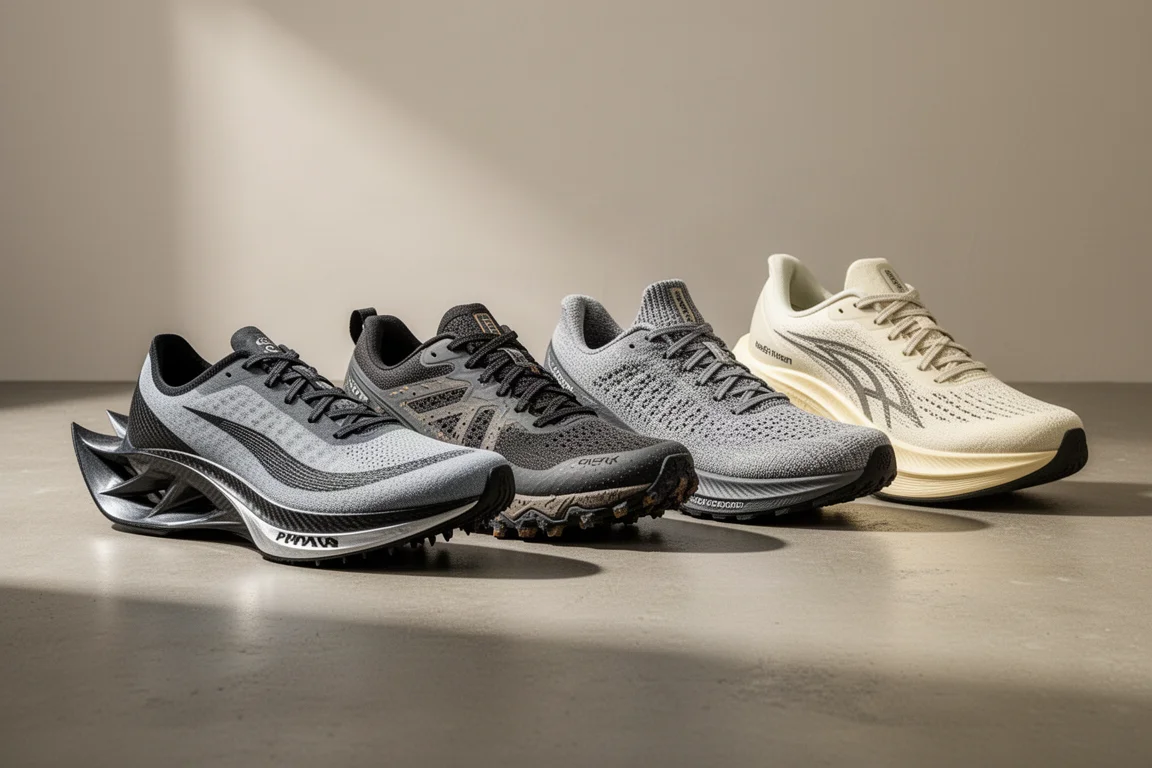
Saucony has a busy slate of new releases, and four models in particular deserve attention: the Endorphin Pro 4, the Peregrine 14, the Endorphin Speed 4, and the upcoming Triumph 22. Each one takes a different approach, from dual-foam race day speed to a surprisingly light trail build. Here is what makes each shoe interesting, along with the trade-offs to weigh before buying.
Saucony Endorphin Pro 4
Rather than reinventing the wheel, Saucony has done exactly that with the Endorphin Pro 4. The midsole now combines two premium foams, PowerRun PB and PowerRun HG2, creating a halfway house between the Pro 3 and the Endorphin Elite. That dual-foam approach lifts it above many carbon-plated shoes that simply reuse the same foam with new midsole wall sculpting. The firmer, denser feel of the PowerRun HG2 echoes foams that work well at 10K to half marathon distance.
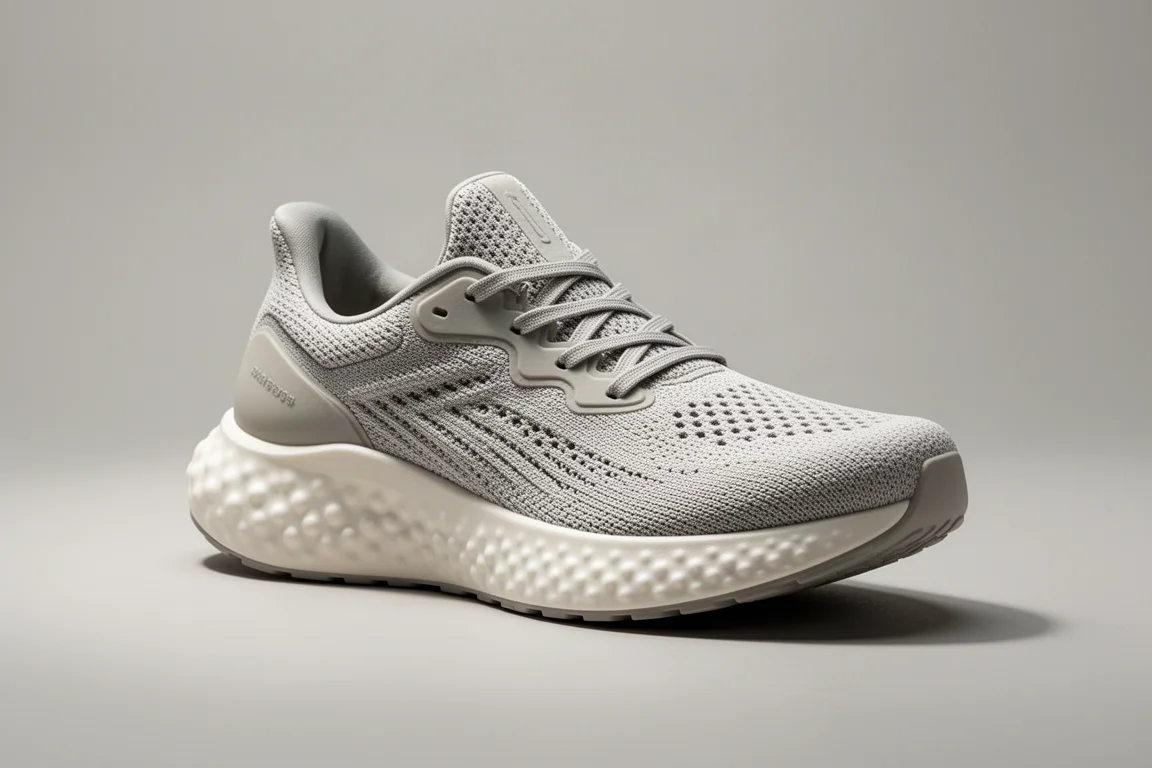
The upper is completely redesigned too, with a stretchy knit tongue, a flip-over tongue design with a welcome 90s flavour, and a spot of suede at the back of the shoe. The futuristic top-down profile, with jagged midsole protrusions and stark contrast in the laces, looks great from the running position.
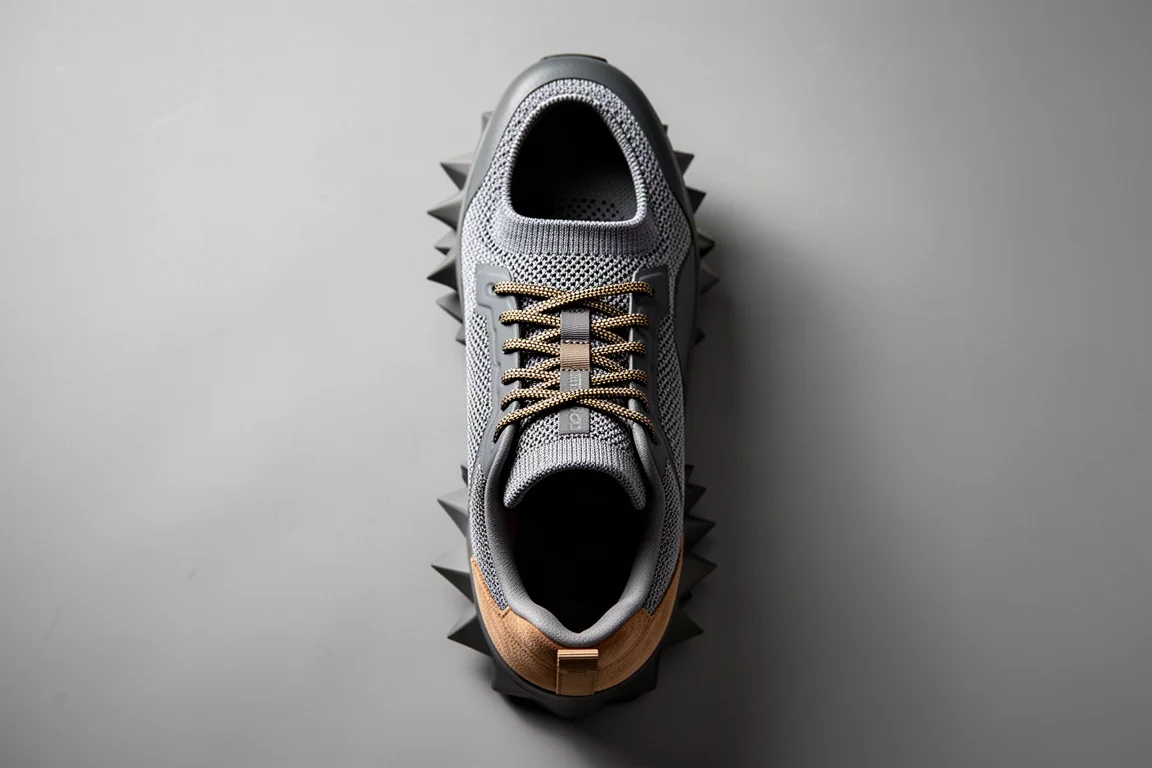
The Pro 3 was durable and exciting to run in, though the outsole was its weak point. That changes with the Pro 4, which makes this a genuinely promising race day option rather than a cookie-cutter update.
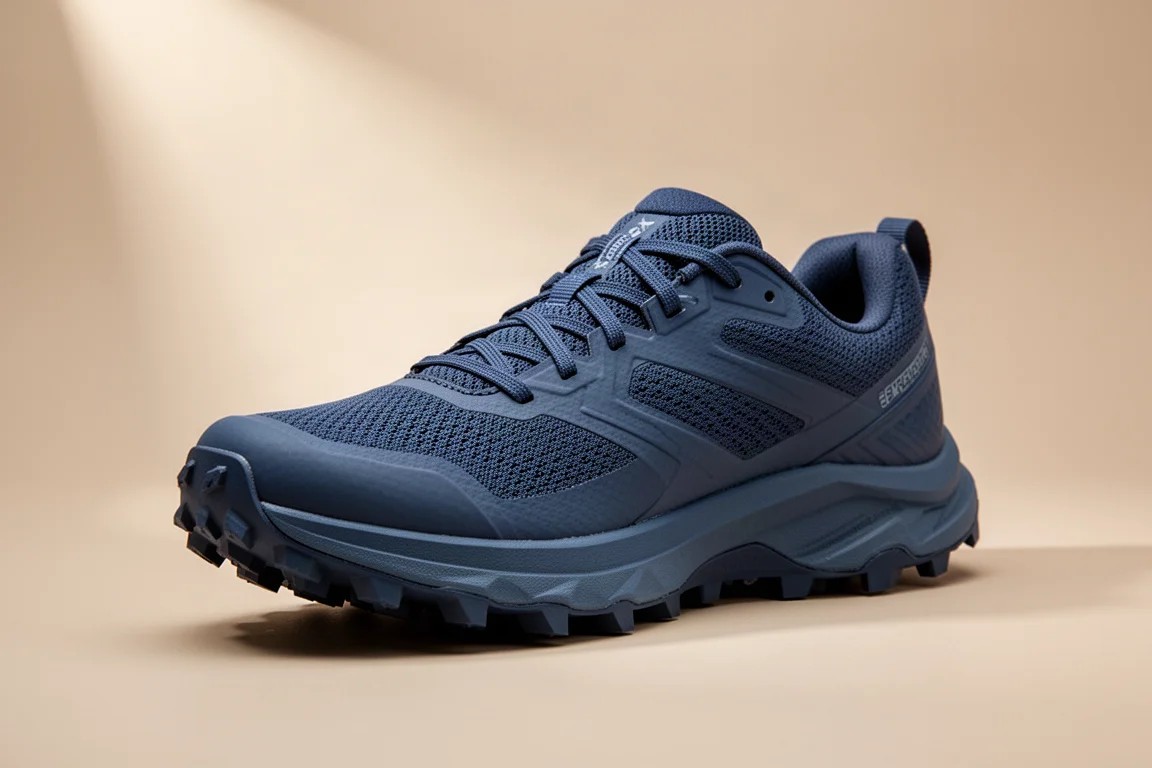
Saucony Peregrine 14
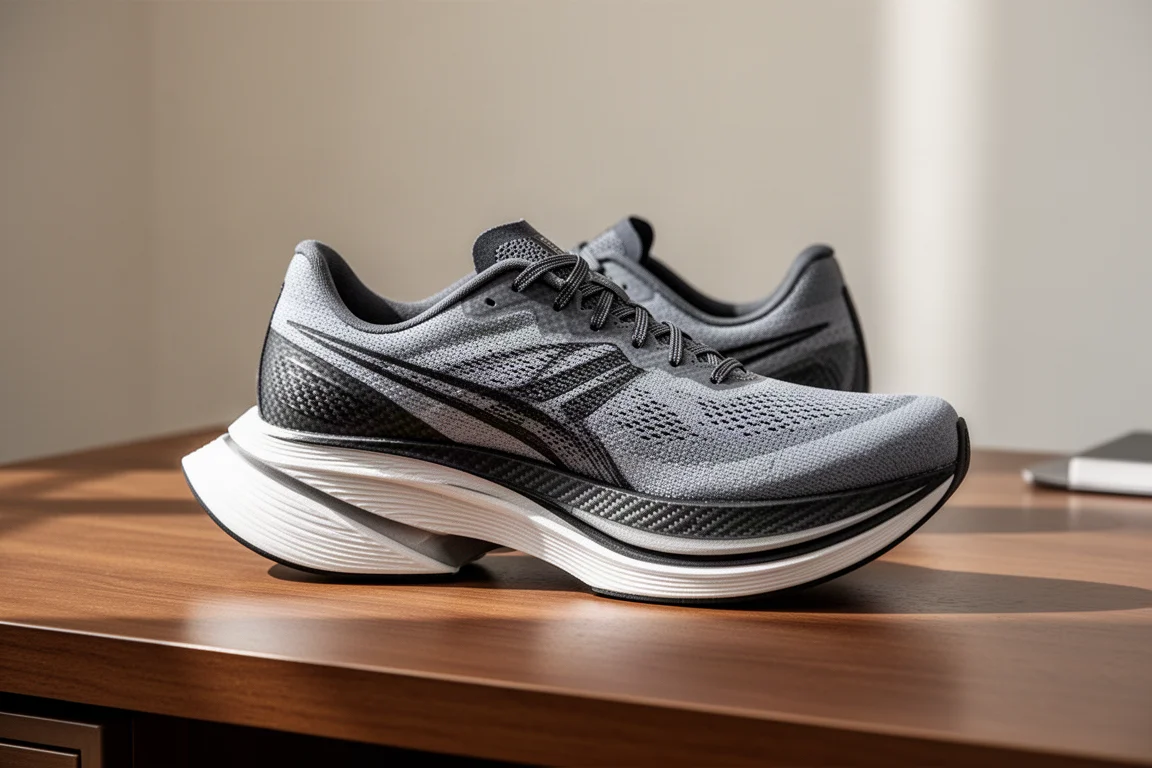
The headline stat for the Peregrine 14 is its weight: it comes in at the same weight as the Nike Pegasus 40, despite around 5mm lugs and far more durable upper materials built for trails. It is hard to understand how Saucony achieved that, and it bucks the trend of trail shoes feeling overly hefty and joyless.
Key to the ride is the PowerRun Plus insole sitting within a cup of the slightly more resilient PowerRun foam. That combination keeps the stack from feeling too tall on uneven ground, which matters when a max-cushioned trail shoe leaves you feeling unsteady. With only 28mm of heel stack in the sample size and a 4mm drop, the lower profile makes it easier to stay on the toes or midfoot on technical terrain. Traditional eyelets plus lace loops and a more padded heel help with lockdown.
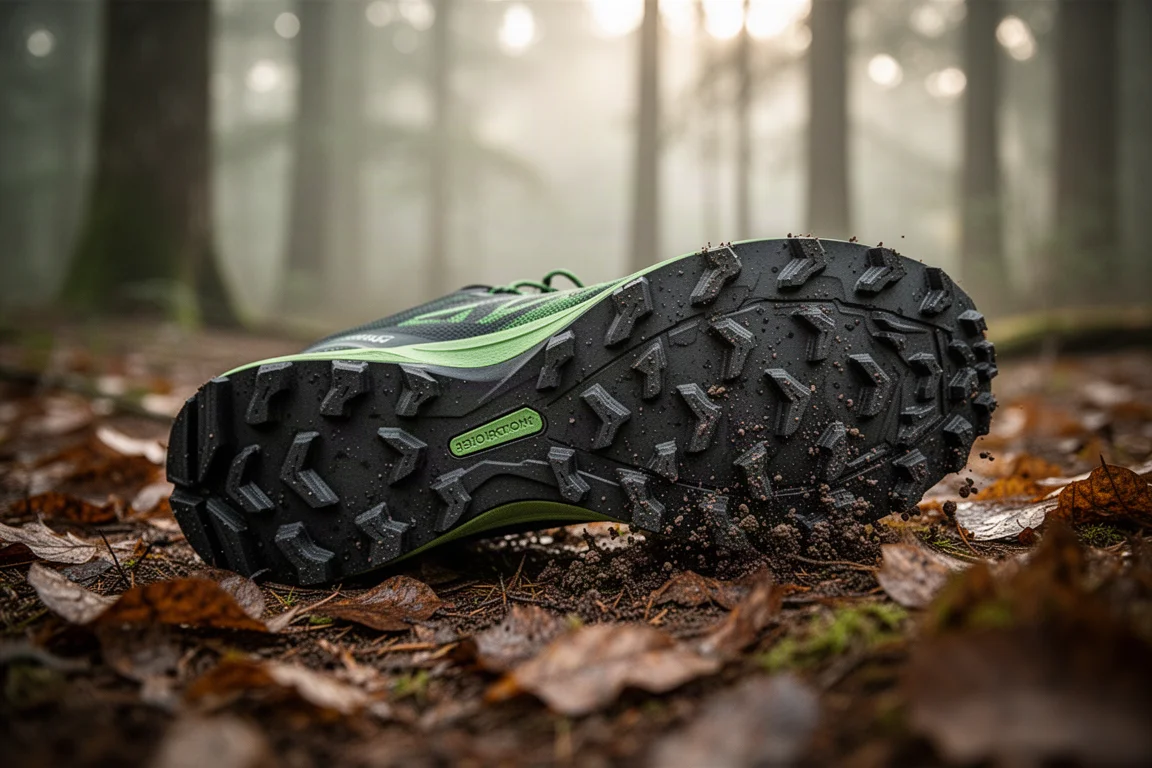
At around 135 pounds in the UK, it feels like a reasonable roll of the dice for sloppy, muddy trails and for building leg strength away from pounding concrete. A clear yay for anyone who wants cushion and grip without the bulk.
Saucony Endorphin Speed 4
Saucony is still sticking with a 36mm stack in the Speed 4, keeping it comparable to shoes like the Puma Deviate Nitro 2 in that it uses a nylon-style plate rather than a rigid carbon one. The midsole is the soft and springy PowerRun PB, paired with an 8mm drop. There is a noticeable weight increase over the Speed 3, and the model has been slowly getting heavier with each iteration.
Some runners found the midsole almost too soft last time out, coming from the firmer Speed 1 and 2. The Speed 4 also mimics the Pro 4’s profile with a slightly bulkier upper, moving away from the very lightweight versions of the first two generations, though it stops short of a super-thick knitted jumper.
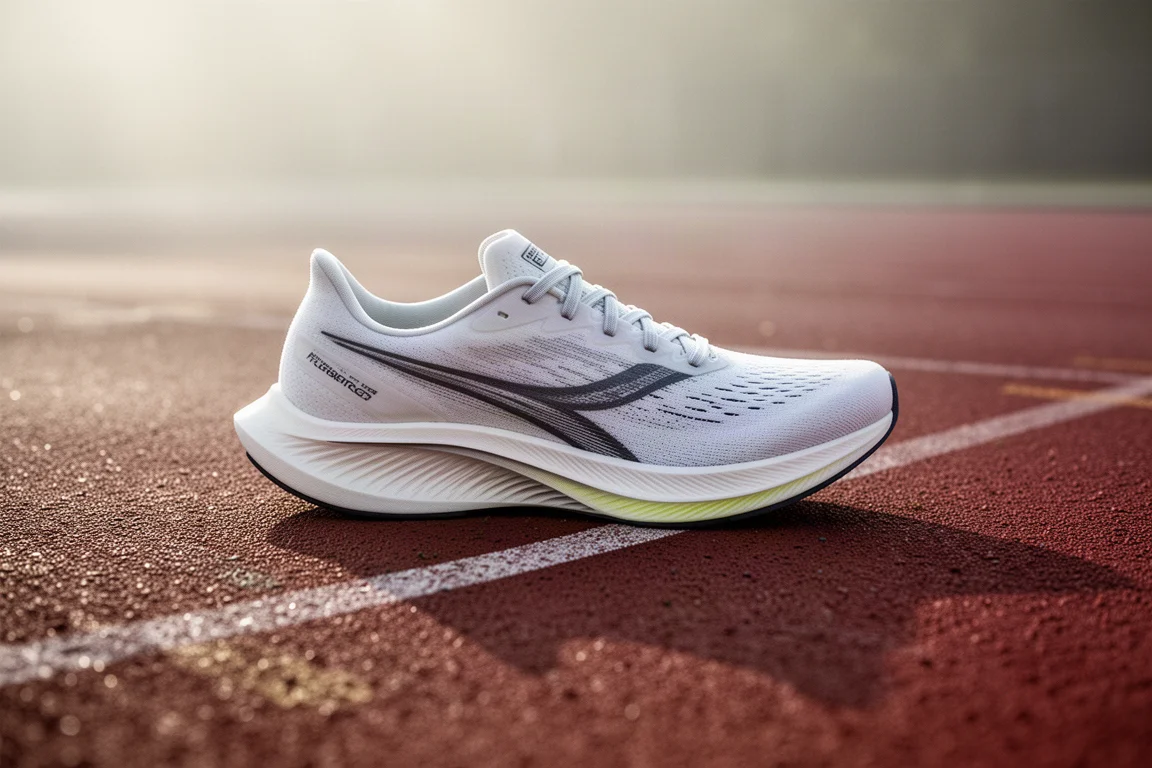
Priced at 180 pounds, an increase from where the line started, it sits 50 pounds cheaper than the Pro 4 and appeals to people who want a slightly cheaper marathon option without an overtly rigid plate. Some competitors now undercut it with more heel stack, so a longer look at how it stacks up is warranted. Consider it a tentative yay.
Saucony Triumph 22
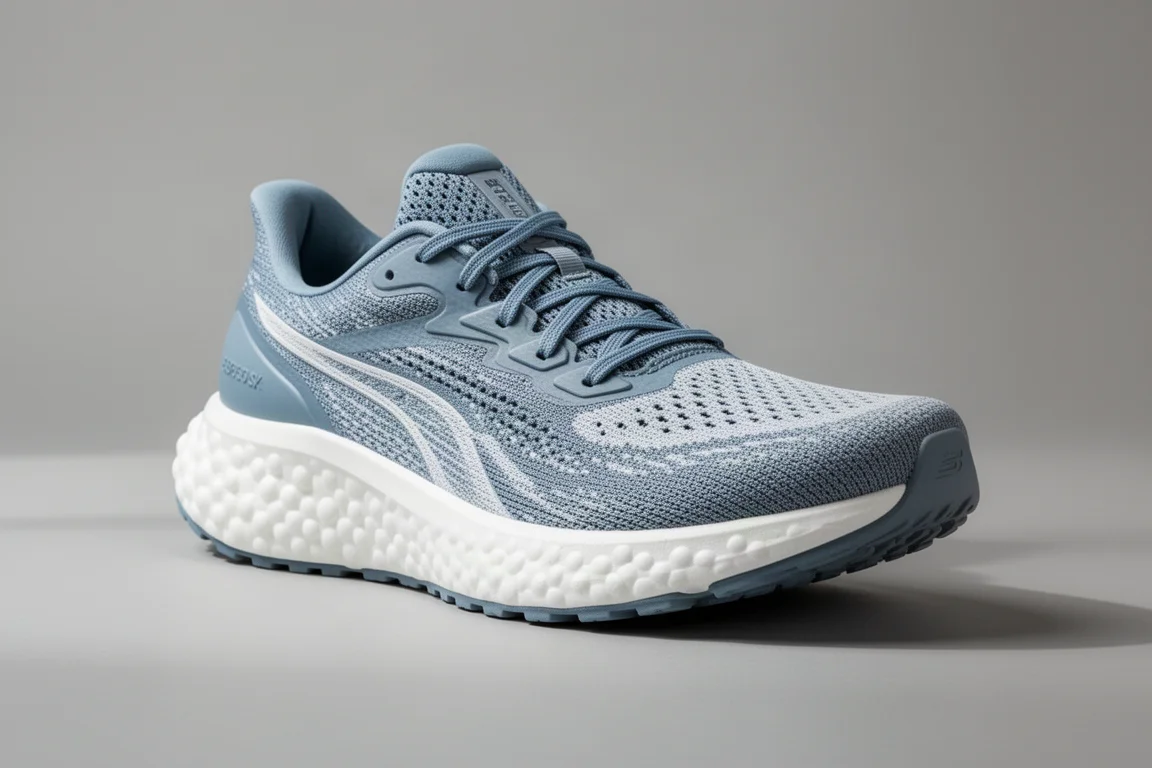
Big changes arrive in the Triumph 22. PowerRun Plus is being retired in favour of a special new blend of Pebax-based PowerRun PB, and this is a midsole monster. Reports put the heel stack at 37mm for the sample size, extending an already oversized platform.
The logic mirrors an industry trend: if you can add foam to the stack with no weight penalty, why not? PowerRun PB should bring a little extra bounce, and the Triumph 21 was already forgiving on foot and quite lively. The upper gets plusher too, with a more maximally cushioned tongue and midsole that fans of the current setup should enjoy.
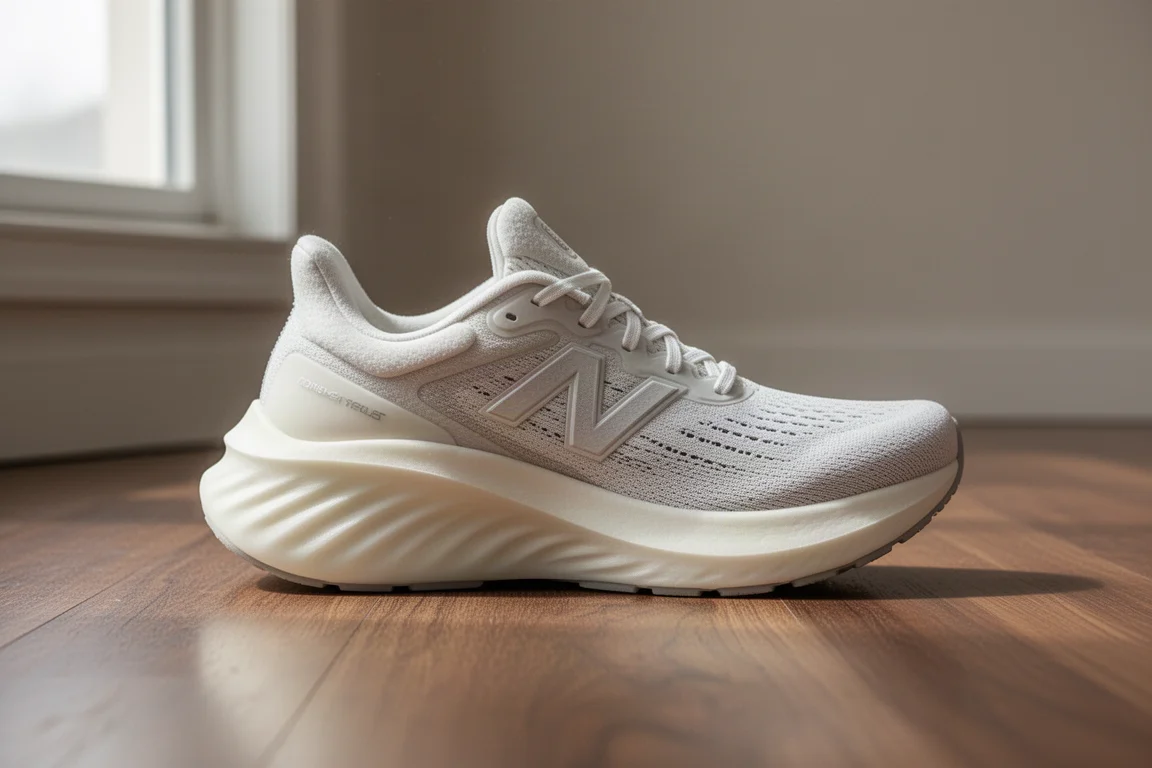
Two things to watch: the grip on the Triumph 21 was arguably its only real weakness, so an improvement there would complete the package, and there are hints of a weight increase, in line with many shoes getting a bit heavier this year. As a tentative yay, it looks like an easy sell for fans of max cushion daily trainers, pending a closer look at final details.
Buying Advice
Choose the Endorphin Pro 4 if you want a race day shoe with genuine dual-foam innovation and an improved outsole. Pick the Peregrine 14 if your trails are wet and muddy and you want grip and cushion in an unusually light package. The Endorphin Speed 4 suits runners who want softer, more forgiving foam and a flexible nylon plate at a lower price than a full carbon racer. The Triumph 22 is the one to watch if maximal cushioning is your daily-driver preference and you can wait on final details.
Conclusion
All four shoes show Saucony pushing foam technology in different directions, from dual-foam race setups to taller, lighter daily trainers. Match the shoe to the surface and pace you actually run most, and any of these four could earn a place in your rotation.
Further reading
Related Reviews

Running Shoes
Best Road-to-Trail Running Shoes: Three Versatile Options for Mixed Terrain
A practical guide to three road-to-trail running shoes that handle both pavement and mild trails, with clear strengths and trade-offs for different runner types.

Running Shoes
Best Running Shoes for Achilles Tendonitis: Three Options Explained
Three running shoes with different heel drops and support features designed to help reduce Achilles tendon pain during walking and running.

Running Shoes
Best Running Shoes for Women: Five Top Choices Ranked
A ranked guide to five women's running shoes, from versatile daily trainers to high-performance racing options, with real strengths and trade-offs for each.