Running Shoes
Saucony Running Shoe Lineup: Ride 15, Endorphin Azura, Pro 5 and Elite 2 Compared
Four Saucony running shoes covering daily miles, tempo work and race day, with clear guidance on which one fits your running.
Introduction
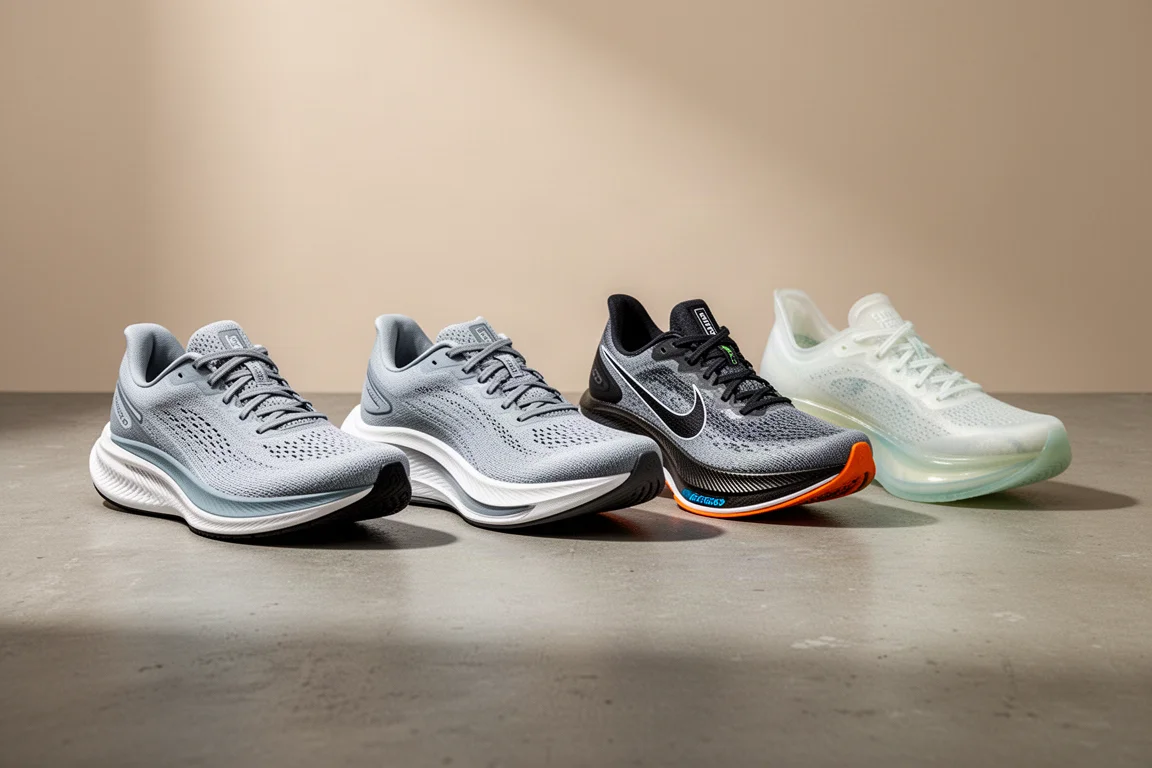
Saucony’s current lineup covers nearly every kind of runner, from the dependable everyday trainer to the softest race shoe the brand has produced. There is a real range in weight and character between the Ride 15 and the Endorphin Elite 2, yet interestingly, the Azura, Endorphin Pro 5 and Endorphin Elite 2 all share the same heel and forefoot stack, at least in a UK 11/US 12. All four sit at an 8mm drop.
There are useful differences in fit and feel, though. The Ride 15 has the widest forefoot and heel of the group by quite a margin, while the Endorphin Elite 2 stands out with a Shore A softness score of 11. Remember: the lower the number, the softer the foam. It is the softest shoe in this entire comparison, and it also comes with a bigger price tag.
Here is how each shoe fits into a rotation.
The Daily Drivers: Ride 15 vs Endorphin Azura
The Ride 15 and Endorphin Azura really are two ends of the daily trainer spectrum. If you want a lower stack and a more consistent ride, the Ride 15 is the ideal option for absorbing daily miles at easier paces, building aerobic base and strength. It is the widest of the four shoes, with a huge surface area up front and in the heel, which translates into good stability and that middle-of-the-road compression many runners are after. For anyone who regularly asks about wider-fitting shoes, this is a great one. Its upper takes a traditional approach, with softer padding across the tongue and a lace loop to stop the tongue sliding to the sides or toward the front of the shoe.
Endorphin Azura: The Tempo-Friendly Trainer
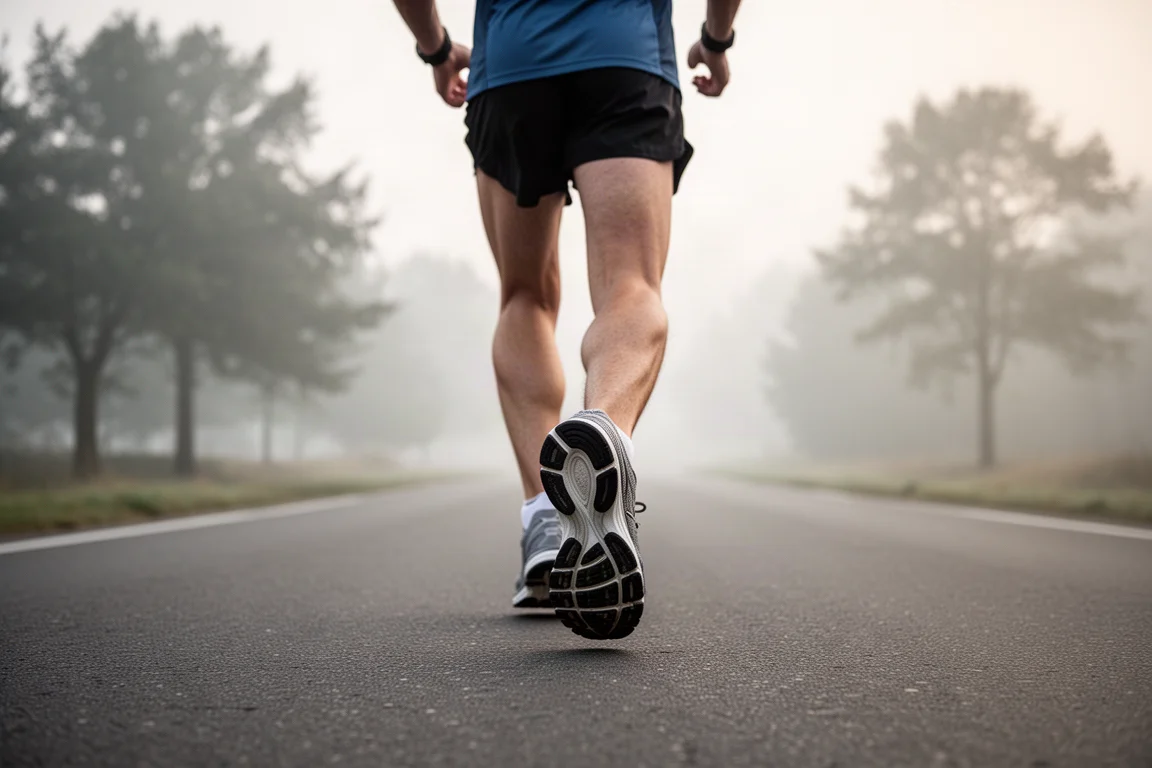
The Azura takes a very different approach. It has a very early rocker, with a real curve to the front of the shoe, producing a more dynamic ride that promotes a faster cadence. That makes it a good bet for faster work, or for longer runs with sections of speed work mixed in. On foot it feels noticeably lighter, around 1.3 oz less than the Ride 15 in a UK 11.
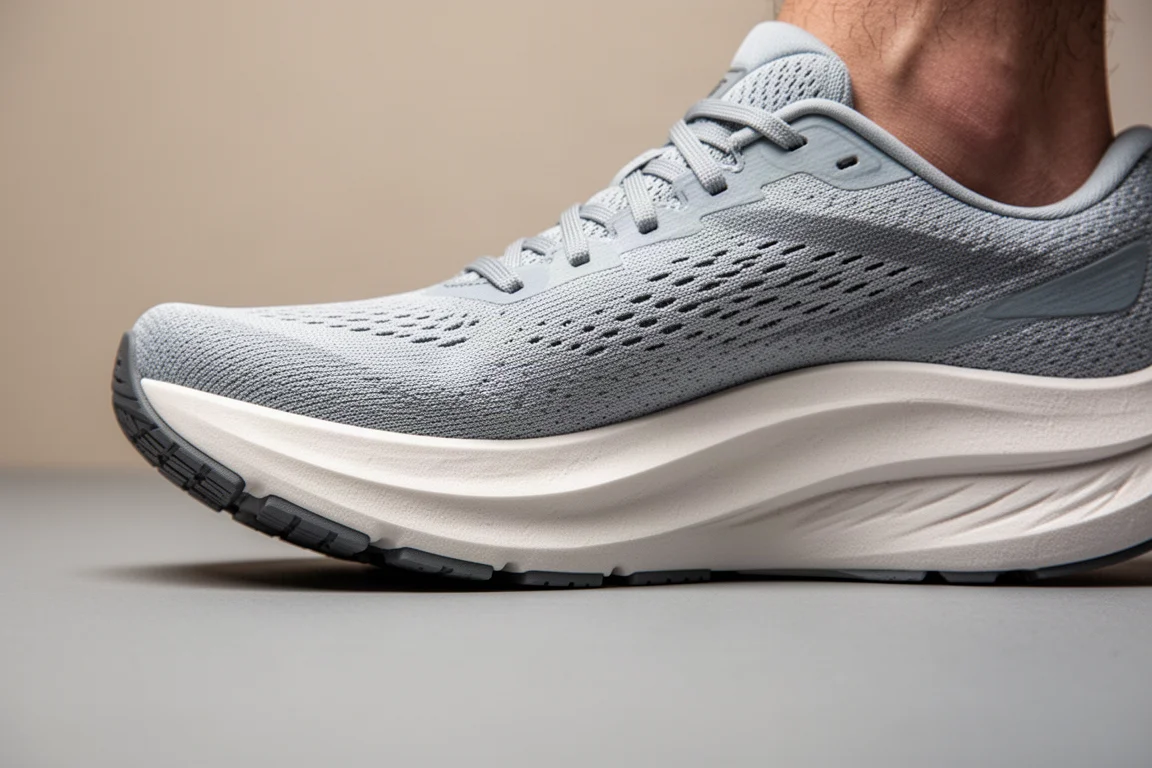
The upper is far less conventional too, with sections of pods across the tongue and gusseting on either side, giving a different on-foot experience. The key difference lies in the foams. The Ride 15 uses PWRRUN PLUS, while the Azura uses PWRRUN PB, a PEBA-based pellet foam that feels slightly snappier and lighter, since it is not quite as dense.
PWRRUN PLUS vs PWRRUN PB: Does the Super Foam Matter Daily?
So do super foams really make that much difference on a daily basis? Some runners simply want a more predictable and durable ride, and that is where PWRRUN PLUS still has a strong case over lighter foams with a bit more energy return. On outsoles, the Ride 15 carries more rubber in the forefoot, though a considerable section of exposed foam remains at the rear, just a touch more durable. The Azura segments its rubber, with denser, firmer rubber in two high-traffic areas: the lateral side of the heel and the medial side of the forefoot.
If durability is a concern, it is horses for courses. The Azura is the slightly more up-for-it model, lighter with more speed range, and could be a good training partner for the race shoes below. The Ride 15 remains the dependable daily driver if you just want something to absorb the impact of everyday miles.
Endorphin Pro 5: The Stable Carbon Race Shoe
Saucony sticks with a two-shoe race lineup, and the recently released Endorphin Pro 5 is the more stable of the two. It combines a carbon plate with very responsive foam that is not quite as soft as some other super shoe options, which may be music to your ears. If you want something a little wider and more consistent underfoot, the Pro 5 might be perfect. It also pairs naturally with the Azura: similar midsole character, but more rigid and a bit more nimble.
The Pro 5 uses two foams in the midsole. A lighter, higher energy return layer, PWRRUN HG, sits on top of the carbon plate, with a concentrated section in the forefoot plus some in the heel. The slightly denser PWRRUN PB sits underneath the plate, closer to the floor. That makes this shoe ideal if you are a heel striker: the denser foam absorbs impact at the rear, then delivers an energetic toe-off up front.
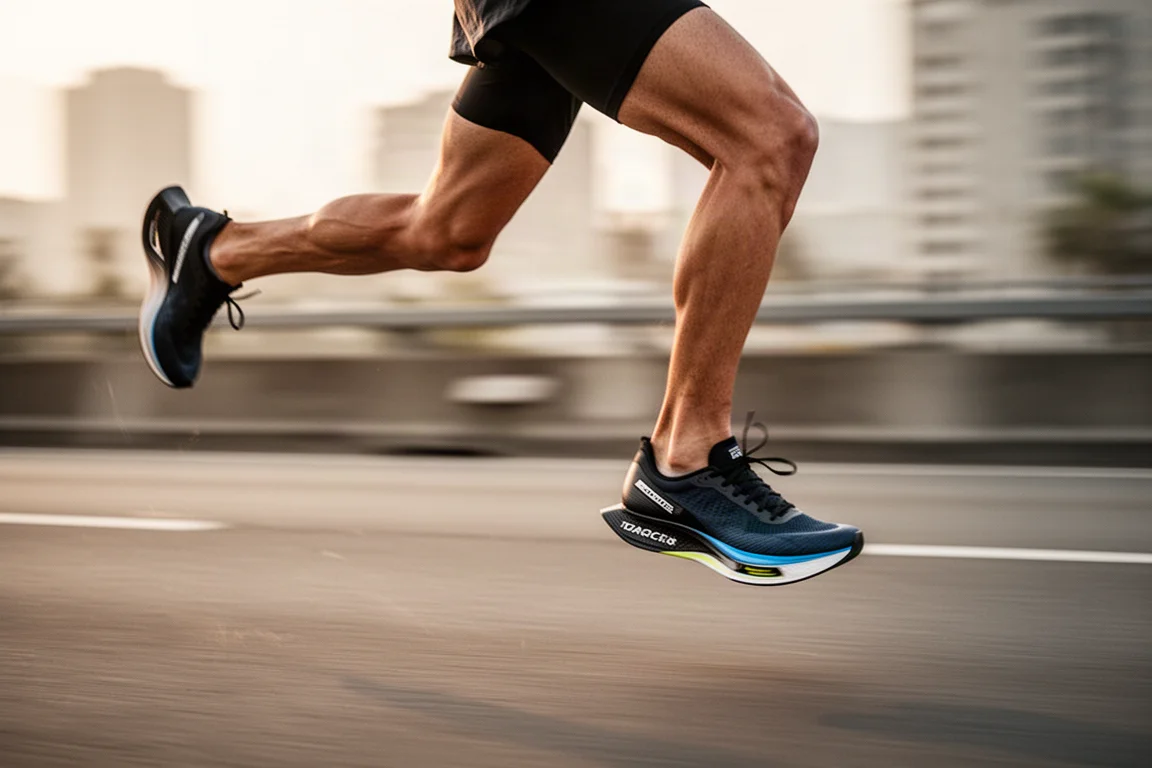
The upper uses an elasticated knit tongue that really holds the foot in place, with a mix of standard eyelets and lace loops to fine-tune tension. The rear is heel counter-less and quite floppy, though heel slip has not been a problem in testing, and a runner’s knot through the additional eyelets is an option. Despite its rigidity, the Pro 5 shares that very early rocker in the forefoot, with a curved heel bevel that gets you into a midfoot landing position quickly and helps keep turnover fast.
Who the Pro 5 Suits
This is a race shoe for marathon efforts, and it can also work for premium longer training runs with marathon-pace efforts thrown in. With plenty of width and stability, it may be the perfect beginner marathon shoe if you are dipping your toes into the carbon plate world: comfort with a genuine opportunity for fast cadence.
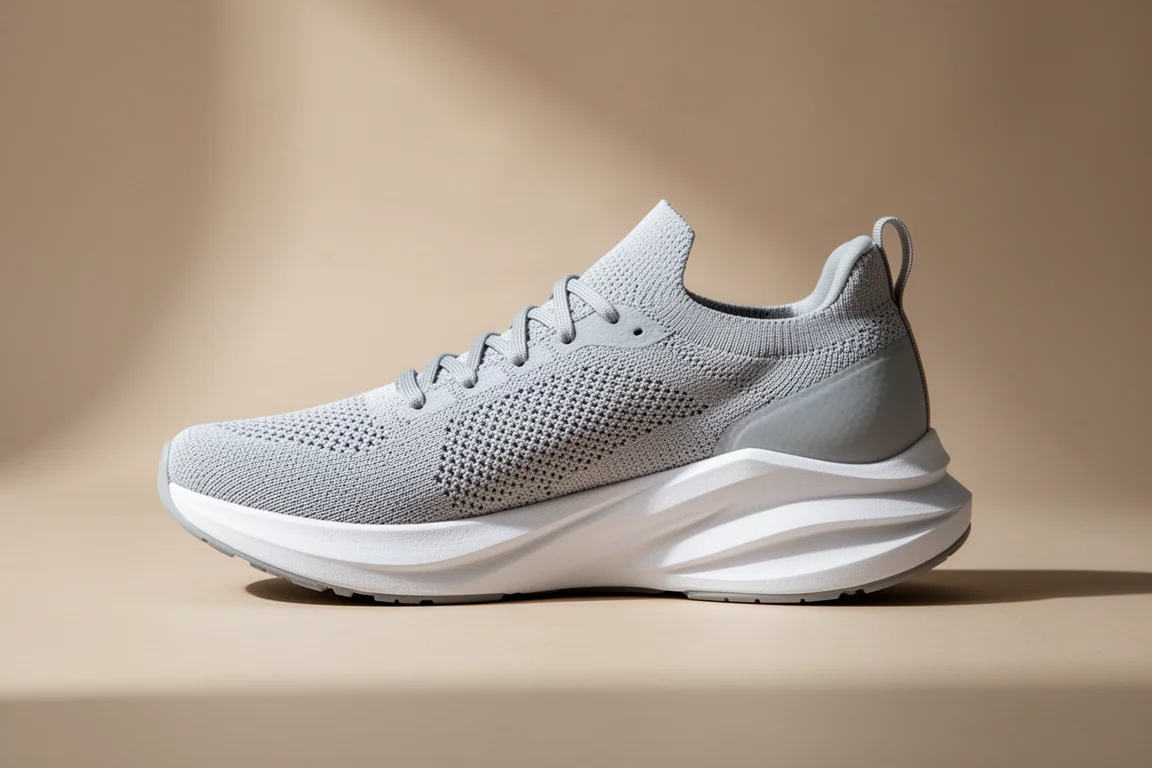
Endorphin Elite 2: The Softest Ride Yet
The Endorphin Elite 2 is the softest running shoe tested here, ever, and a genuine standout not just within Saucony but across the running shoe world. The run feel is remarkable. On first wear it seemed like it might be too soft and not durable enough, but that proved wrong: exceptional cushioning from the new foam and amazing energy return. If you are a fan of the completely flexible, almost elf-like heel section and the very odd, almost transparent upper, you will get a lot out of this shoe. It is Saucony’s more experimental option and an unmatched experience in how forgiving it feels on foot.
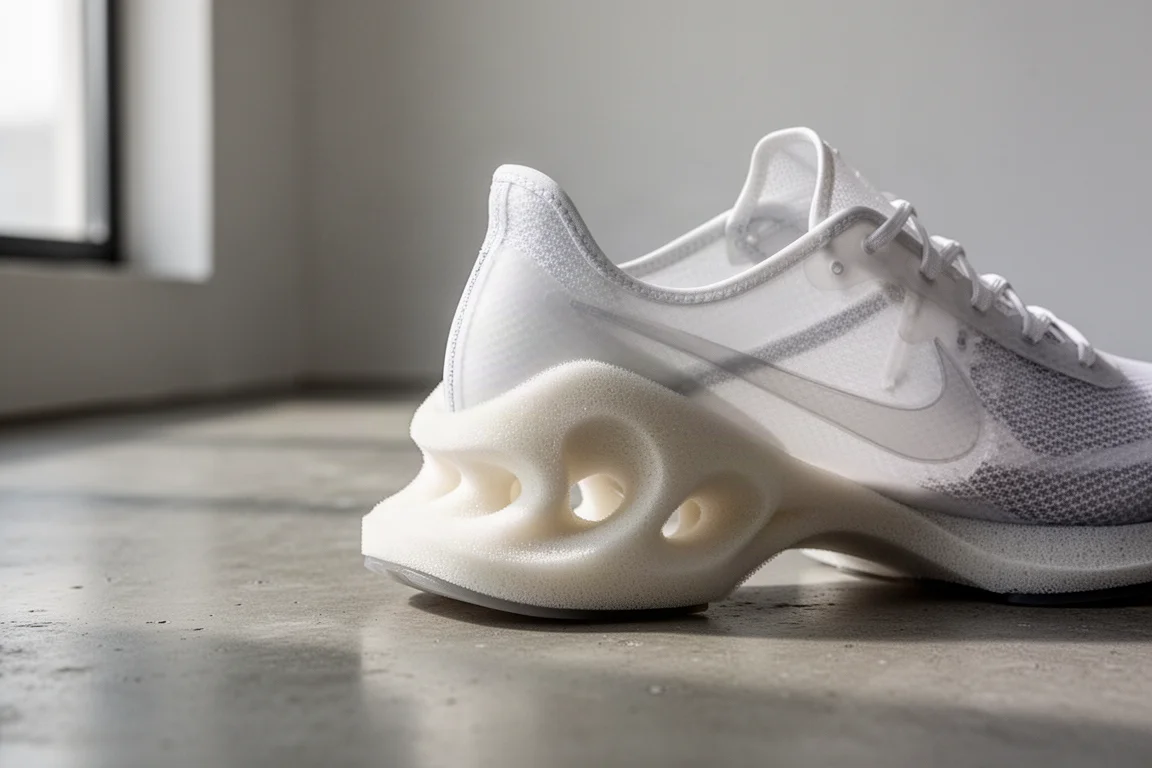
That softness means it works better for a mid-to-forefoot strike. Aggressive heel striking in this shoe could potentially lead to ankle-related issues, which is likely why Saucony kept the Endorphin Pro series in the lineup alongside the Elite. The Pro is the main meal; the Elite is the dessert. In character it is closer to shoes like the Metaspeed Sky or the Adios Pro 4 in terms of softness, though it will not be as stable or durable as the Pro 5. For longer training runs the Pro 5 remains the safer pick, but if you can handle the Elite 2’s aggressive feel, it is a tempting choice for all-out efforts, and it is a little lighter on foot than the Pro 5 thanks to minimized materials.
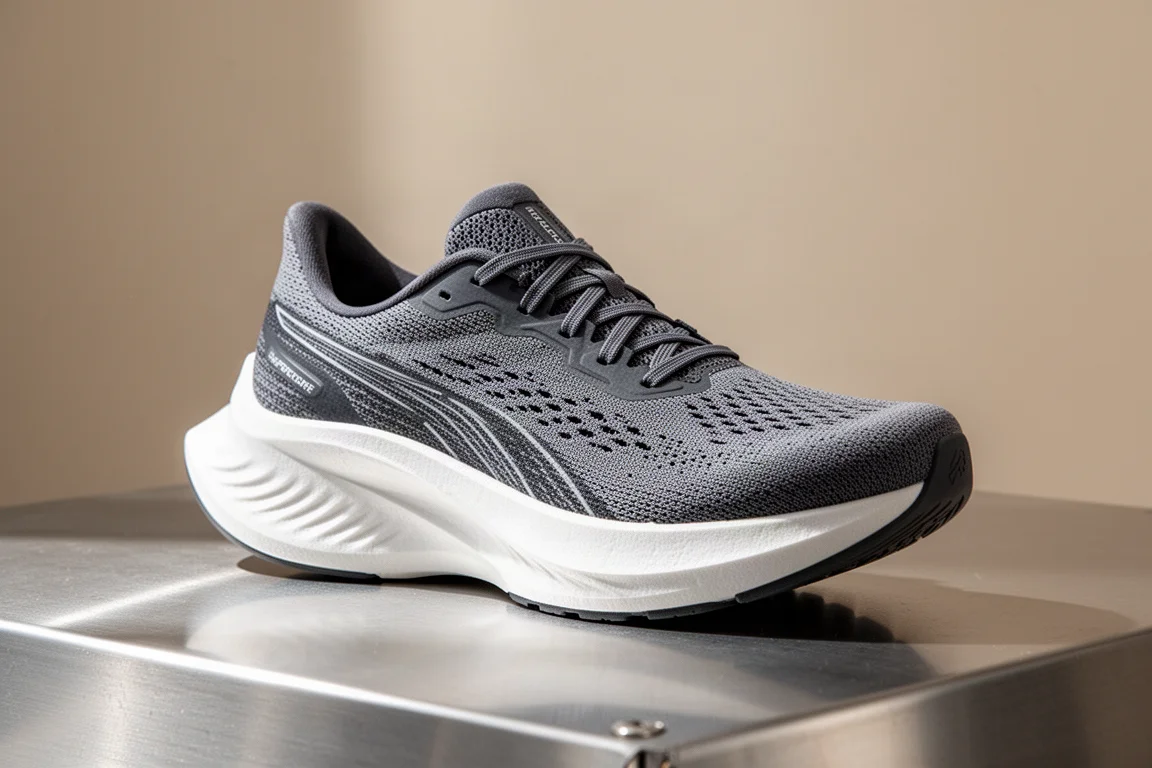
Elite 2 Durability and Fit Notes
Some skeptics claim the Elite 2 simply is not durable, but that has not held up in real use. The shoe was not babied and has been worn in fairly harsh conditions, yet it has held up really well over time, although the upper has picked up a grey cast along the way. Lighter-built runners are unlikely to have many problems here. For some runners, though, it will simply be too soft, and stability-focused runners will still feel more confident in the Pro 5 for longer running.
Overall Buying Advice
If you need one dependable shoe for everyday miles, the Ride 15 is the widest, most stable and most consistent of the four, with proven PWRRUN PLUS underfoot. If you want a lighter, snappier trainer for tempo days and mixed-pace long runs, the Azura earns its place. On race day, choose the Pro 5 for stability and confidence over the marathon distance, especially if you are a heel striker or new to carbon plates, and consider the Elite 2 if maximum cushioning and a fun, forgiving ride appeal to you for shorter, all-out efforts.
Conclusion
Saucony’s lineup is unusually well differentiated: the Ride 15 for plush daily mileage, the Azura for dynamic tempo work, the Pro 5 for stable marathon racing, and the Elite 2 for a uniquely soft and fun race day experience. Match the shoe to the run you do most often, and any of the four can earn a spot in your rotation.
Further reading
Related Reviews

Running Shoes
Best Road-to-Trail Running Shoes: Three Versatile Options for Mixed Terrain
A practical guide to three road-to-trail running shoes that handle both pavement and mild trails, with clear strengths and trade-offs for different runner types.

Running Shoes
Best Running Shoes for Achilles Tendonitis: Three Options Explained
Three running shoes with different heel drops and support features designed to help reduce Achilles tendon pain during walking and running.

Running Shoes
Best Running Shoes for Women: Five Top Choices Ranked
A ranked guide to five women's running shoes, from versatile daily trainers to high-performance racing options, with real strengths and trade-offs for each.