Running Shoes
Saucony Running Shoe Lineup Guide: Which Model Fits Your Running
A practical walkthrough of the Saucony range, from daily neutral trainers and stability shoes to super shoes and trail options, so you can pick the right pair.
Introduction
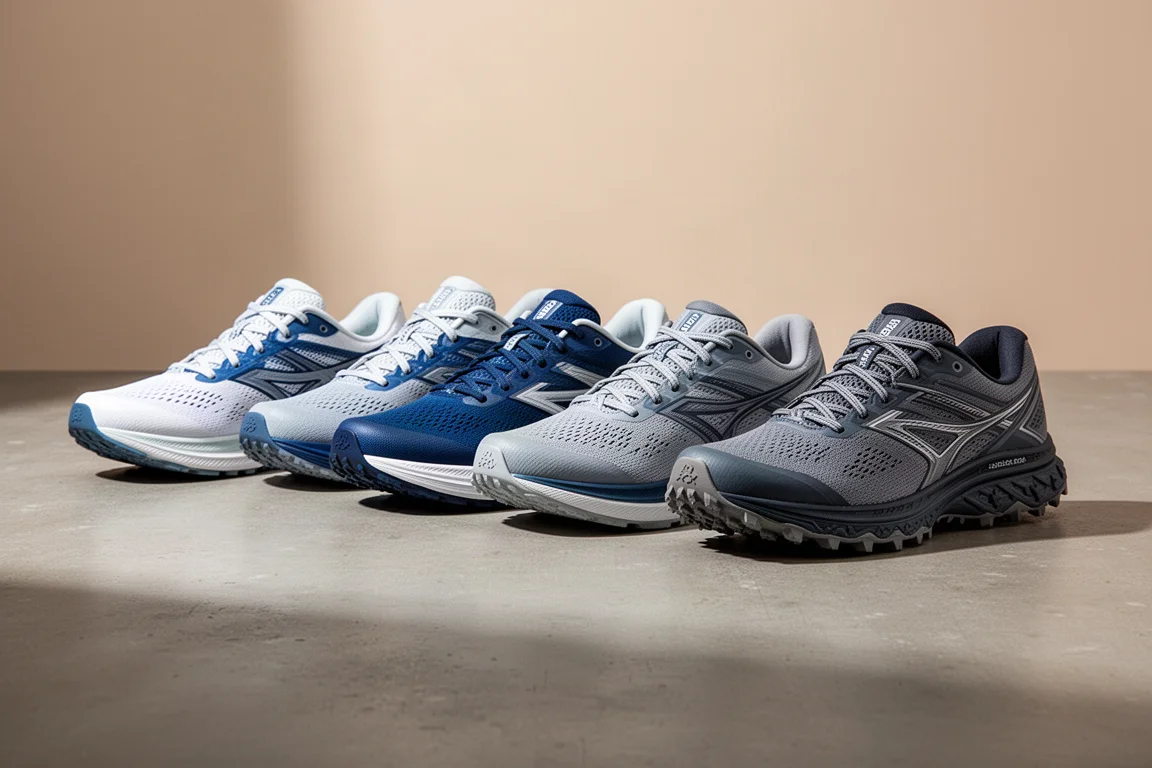
Saucony has quietly built one of the most complete running lineups on the market. Between neutral trainers, stability shoes, a deep racing family and a genuine trail range, there is something for almost every type of runner. The challenge is that the differences between models are not always obvious from the outside.
This guide walks through the core of the lineup, what each shoe is designed to do, and who it suits best. Note that updates arrive regularly, with newer versions of some models rolling out, so it is worth checking whether the version you find is the latest.
The Neutral Trainers: Ride 18, Triumph 22 and Echelon 9
The Ride 18 is the baseline daily trainer of the range. At around $140, it uses PWRRUN+ midsole foam, weighs about 9.7 oz (274 g) in a men’s size 9 and sits at 37 mm in the heel with a 29 mm forefoot. The ride is balanced and gently rockered, built to absorb high mileage without drama. It is also more responsive than you might expect, which makes it a genuine do-it-all option: easy miles, long runs and even workouts, especially if you want a break from carbon-plated super foams. For newer runners or anyone who wants one shoe that handles a bit of everything, it is one of the easiest recommendations in the lineup.
The Triumph 22 is the premium trainer above it, priced around $160. It steps up to PWRRUN PB foam with a 40/30 mm stack, a plush upper and a more pronounced rocker. The foam here is tuned for compliance rather than snap, so it shines as a high-cushion long run shoe, and it is one of the few super-foam trainers that genuinely works as a walking and standing shoe for people who spend long hours on their feet. If you want maximum softness and comfort over speed, this is the one.
The Echelon 9 fills a quieter but important niche: the stable neutral, orthotic-friendly trainer. Its high sidewalls and well-built rocker geometry make it excellent for flatter feet or higher-volume feet, and the removable insole leaves enough room for a custom orthotic. At 10.3 oz in a men’s size 9 with a 35/27 mm stack, it is lighter than most orthotic-friendly shoes and rolls along comfortably for running, walking or long days standing.
The Stability Line: Guide 18 and Tempest 2
The Guide 18 is the flagship stability shoe at $140, weighing 9.6 oz (272 g) in a men’s size 9 with a 35/29 mm stack and 6 mm drop. Saucony moved away from a traditional medial post here and toward a guidance-based platform: wide heel, tall sidewalls and geometry that keeps you centered rather than pushing you in one direction. With firmer PWRRUN EVA underfoot, it is best described as a mild stability daily trainer, which makes it a smart first stability shoe for newer runners and a comfortable walking shoe as well.
The Tempest 2 is the uptempo stability option, and it is one of the only shoes in the category with a super foam. It pairs an internal PWRRUN PB layer with a PWRRUN EVA frame, comes in at 9.3 oz (264 g) with a 38/30 mm stack, and can genuinely handle faster paces and even racing for runners who find super shoes too unstable. It runs a bit more aggressively in terms of stability than the Guide, with prominent sidewalls, and the fit runs snug, so wider feet should be cautious.
Beyond these two, the Hurricane 24 serves as the more premium, more aggressively guided stability option at $160 with more PWRRUN PB and a taller-feeling platform, best for runners who want maximum guidance with a softer ride. The Omni 22, on the other hand, is the last traditional medial-post shoe in the range, essentially a refined version of the older Guide formula, and the right pick if you specifically want to feel a post under your arch.
The Racing Line: Endorphin Speed 4, Pro 4 and Elite 2
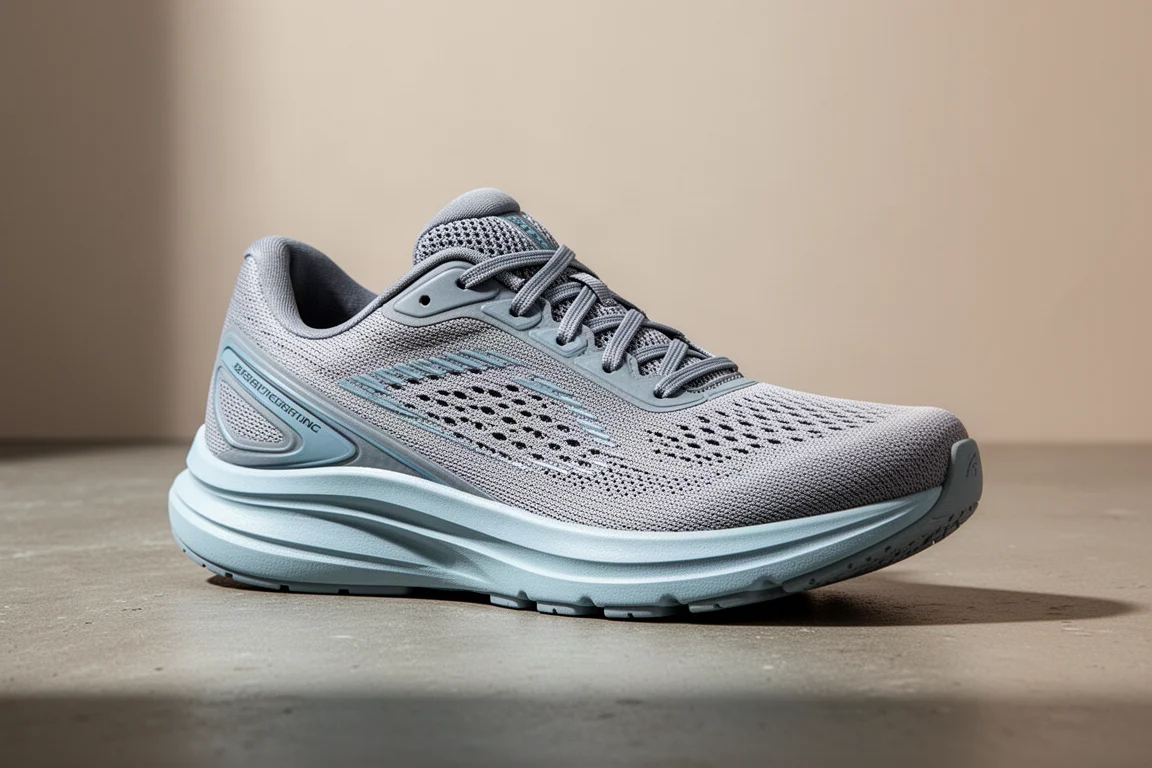
The Endorphin Speed 4 is the most versatile shoe in the racing family. At $170 with a nylon plate, PWRRUN PB midsole and a 36/28 mm stack, it weighs 8.2 oz (233 g) in a men’s size 9. It is flexible enough for daily training but quick enough for hard track sessions and racing, which is exactly why it has become such a popular training companion to a super shoe: you can beat it up in workouts while saving miles on your race-day pair. It is durable, approachable and genuinely fast.
The Endorphin Pro 4 is the stiffer, sharper racing option. With a carbon fiber plate, a full 40/32 mm stack, PWRRUN PB foam and a weight of 7.7 oz (218 g) at $225, it rewards runners who push hard through the forefoot. It is best for shorter, faster efforts like 5K and 10K or for runners who simply love a very stiff platform. The fit runs a little higher in volume, so expect to cinch the laces down, and it is not a training shoe by design.

The Endorphin Elite 2 sits at the top of the range at $275. It uses a full-length PWRRUN HG-adjacent super foam, the softest and bounciest material in the lineup, with a carbon plate and a 39.5/31.5 mm stack at just 7 oz (199 g). This is a marathon and half marathon shoe through and through. The foam is extremely soft, which is a strength over long rhythmic distances but can feel mushy for short, fast turning efforts, and heel strikers who land hard may find the soft heel a little unstable. If you want the softest super shoe on the market and have stable mechanics, it is a standout.
There is also the Endorphin Trainer, designed as a racing shoe for mid-pack and recreational runners, built on the idea that slower runners can still benefit from super shoe geometry. It is a stable neutral carbon-plated option that doubles as a versatile faster trainer, with durability that holds up well over high mileage.
For minimalists, the Saucony Sinister is a rare bird: a 4.9 oz (139 g), 25/19 mm traditional flat with PWRRUN PB foam, no plate and no rocker. It fits like a track spike and works beautifully for track workouts, road 5Ks and 10Ks, and even cross country on fast courses.
The Trail Line: Peregrine 15 and Beyond
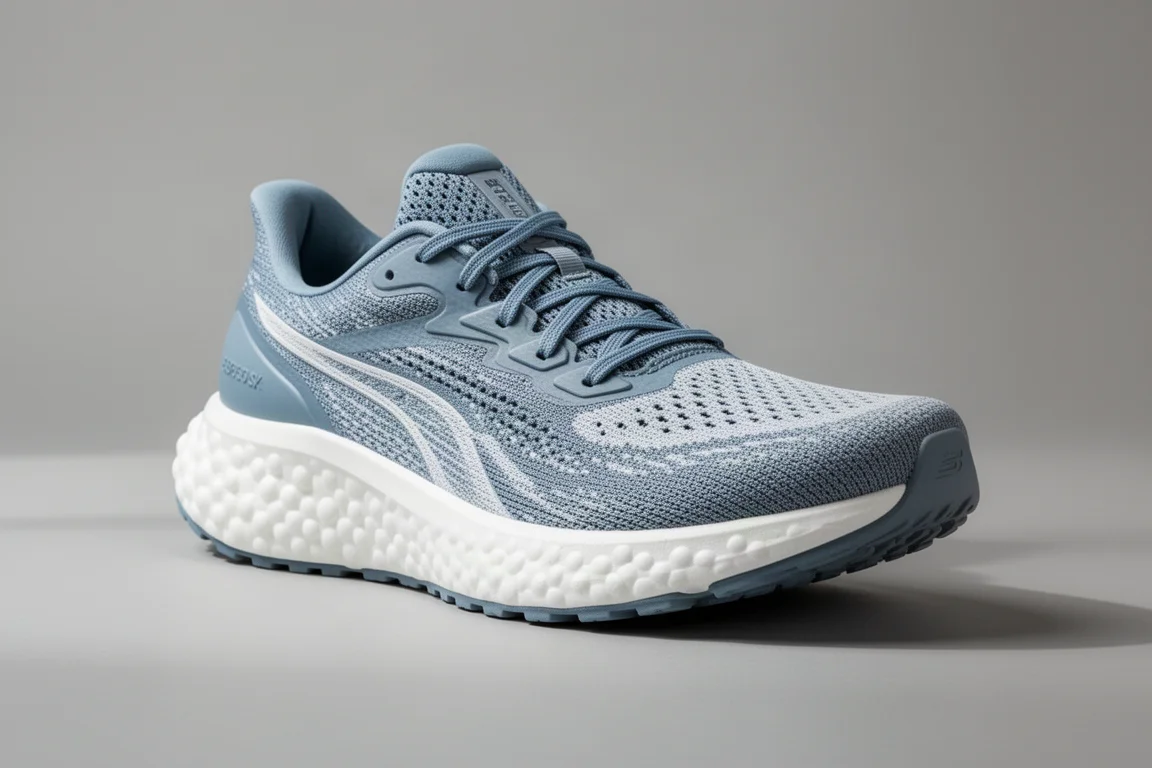
The Peregrine 15 is the nimble trail shoe of the range. It has grown taller and more cushioned over the years than earlier versions, but it remains the quick, low-drop option at 9.8 oz (278 g) with a 31/27 mm stack and just a 4 mm drop. PWRRUN foam with a PWRRUN+ sockliner adds a touch of bounce, and the fit runs slightly snug and low volume, as most trail shoes do. It is the true trail shoe here: light enough to move fast on varied terrain.

Above it, the Exodus Ultra 3 is the bulldozer: a heavier, high-cushion, very durable shoe at 10.8 oz (309 g) with a 36/30 mm stack that now leans more weatherproof and wider. It suits ultramarathon distances and mixed run-hike efforts where durability matters more than agility.
Saucony also maintains a racing trail pair. The Endorphin Edge is the carbon-plated trail racer around $200, with enough PWRRUN PB cushioning to handle road sections on mixed courses. The Endorphin Rift is its lighter, non-plated sibling at $170, more flexible, slightly more stable and a great choice if you want super foam on trails without a plate.
For simpler needs, the Ride TR 2 is essentially a trail version of the Ride with added lugs and a tougher outsole, ideal for runners who want a road-style shoe that can go off-road. On the budget end, the long-running Cohesion remains a widely available affordable neutral trainer, and the Blaze TR is a notably good budget trail option often found well under $100.
How to Choose
Start with the category that matches your need. If you want one versatile daily trainer, the Ride 18 is the safe pick. If cushioning and comfort for long runs or long hours on your feet matter most, look at the Triumph 22. If you need orthotics or have flatter, higher-volume feet, the Echelon 9 is unusually good for the category.
On the stability side, the Guide 18 is the approachable entry point, the Tempest 2 covers uptempo work, the Hurricane 24 maximizes guided cushioning, and the Omni 22 serves traditional medial-post fans. In racing, match the shoe to your effort: the Speed 4 for versatility, the Pro 4 for stiffness and shorter racing, the Elite 2 for soft marathon comfort. On trails, the Peregrine 15 handles nimble trail running while the Exodus Ultra 3 covers ultras and heavy-duty duty.
One last fitting note: Saucony shoes tend to run slightly snug compared with some other brands, so if you have wider feet, try before you buy where possible.
Conclusion
Saucony’s range is broader than most runners realize, and the models are now clearly differentiated rather than overlapping. Identify what you need the shoe to do, whether that is daily miles, guidance, racing or trail work, and there is almost certainly a model in this lineup built for exactly that job.
Further reading
Related Reviews

Running Shoes
Best Road-to-Trail Running Shoes: Three Versatile Options for Mixed Terrain
A practical guide to three road-to-trail running shoes that handle both pavement and mild trails, with clear strengths and trade-offs for different runner types.

Running Shoes
Best Running Shoes for Achilles Tendonitis: Three Options Explained
Three running shoes with different heel drops and support features designed to help reduce Achilles tendon pain during walking and running.

Running Shoes
Best Running Shoes for Women: Five Top Choices Ranked
A ranked guide to five women's running shoes, from versatile daily trainers to high-performance racing options, with real strengths and trade-offs for each.