Running Shoes
Saucony Ride 19 Review: A Reliable Daily Trainer Gets Wider in the Heel
The Ride 19 adds heel width and a softer heel bevel to an already dependable daily trainer, but the extra materials bring a slight weight increase.
Introduction
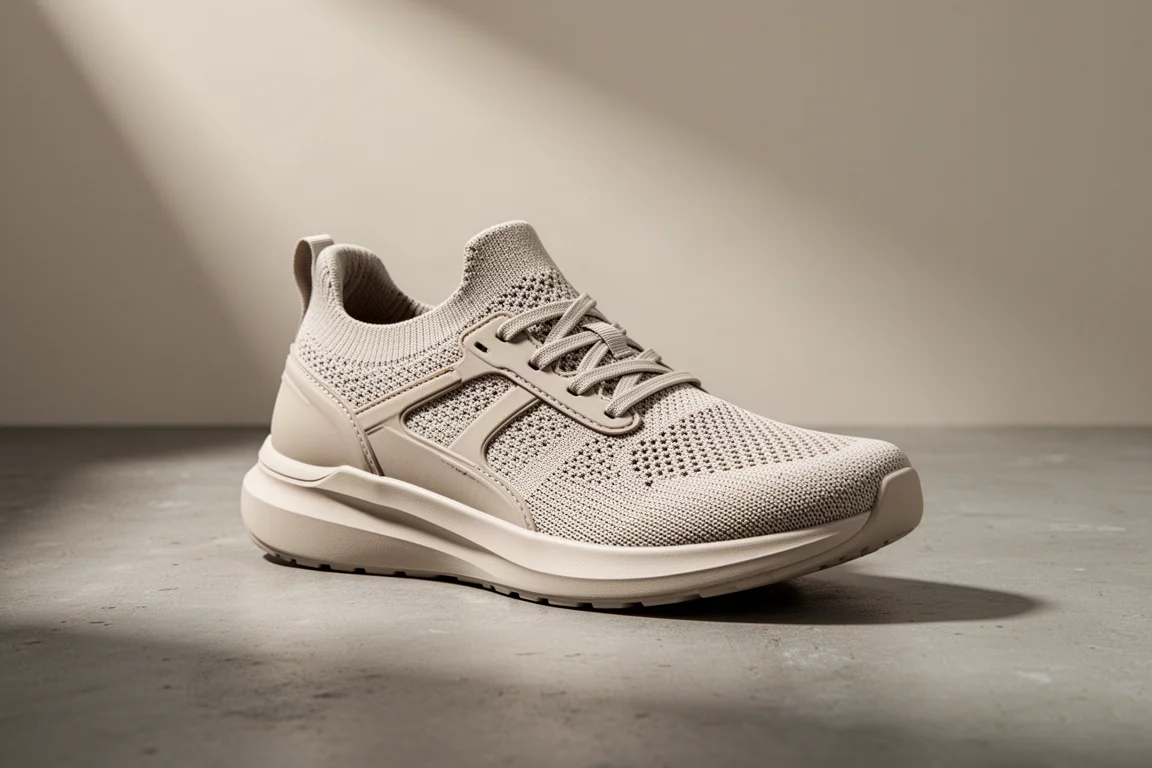
The Saucony Ride 19 is set to launch in January 2026 at around $140 in the US, and it arrives as one of the more refreshingly traditional daily trainers on the market. While much of the running shoe world chases max-stack foam and super-soft rides, the Ride 19 sticks to what has made the Ride series a dependable staple: a resilient PWRRUN+ (Power Run Plus) midsole, a well-built upper, and a ride tuned for easy and moderate-paced miles.
The headline changes this year are a considerably wider heel and a slightly more aggressive heel bevel. Sample sizing comes in at around 319 g / 11.2 oz in a UK 11 / US 12, a very slight weight increase over the Ride 18, with roughly 39 mm of heel stack and about 31 mm up front, matching the brand’s stated 8 mm drop. Some early impressions suggest the shoe is a millimeter or so more stacked than last year, but it takes a very sensitive foot to notice. Initial testing scores add up to 10.6 out of 12.
Upper: Traditional Fit with Better Lockdown
The upper keeps similar build and materials to the previous version, with a gusseted tongue, ample but not excessive padding, and the same stretchy laces the brand uses across much of its range. With a standard bow they run a little long, but tied with a runner’s knot they feel pretty much ideal in length.
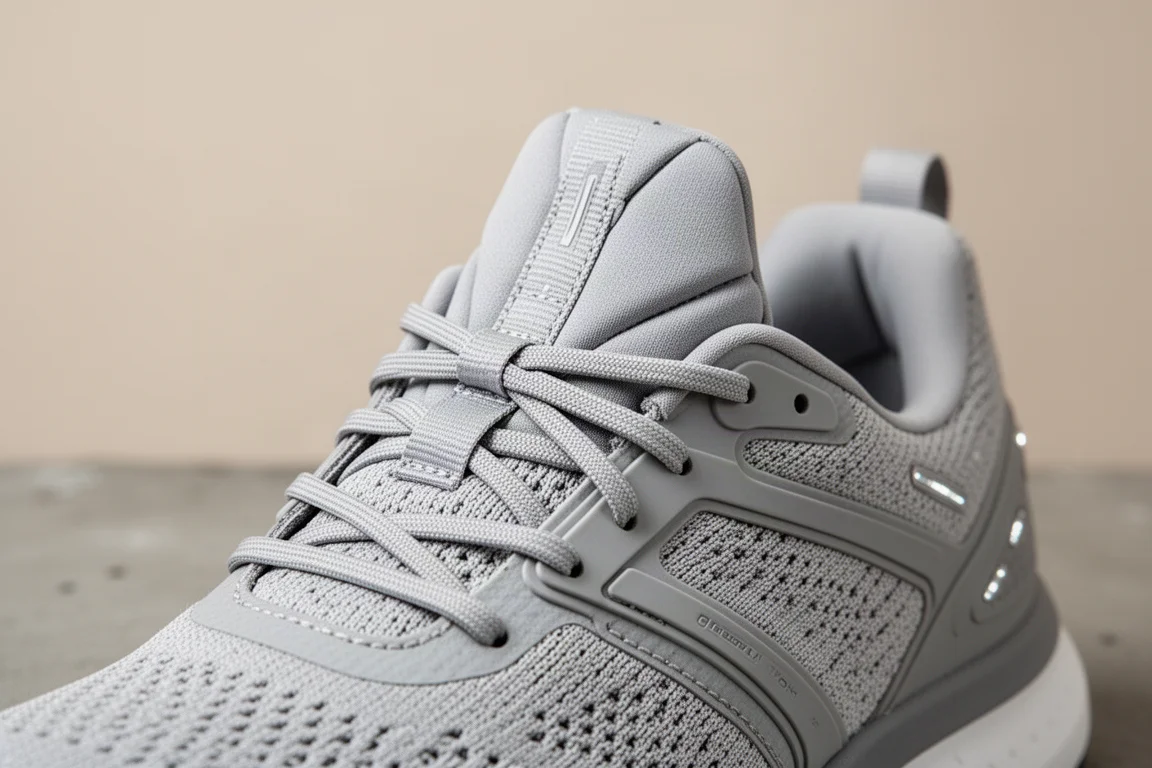
One welcome change is the removal of the fashionable lace loops that cluttered the Ride 18. The initial eyelets also start a little further down the toe box this time, which improves lockdown around the front of the foot. There are very minimal overlays: a thin patch on the lateral side, a reflective logo, and a few more reflective details on the heel, plus a small strip of suede that feels like an odd inclusion. Some glue marks on that suede aside, build quality is very clean and everything aligns properly.
The low-profile ankle collar stands out, recalling shoes like the older Float Ride Energy series or the Pegasus 35/36 era. That low cut gives a nice sense of freedom of movement and range of motion for the foot. Upper score: 2.7 out of 3, a slight improvement over the last version.
Midsole: Consistent Cushioning and a Wider Heel
The biggest change in the Ride 19 sits in the midsole: roughly half a centimetre of extra width in the heel. If the Ride 18 felt narrow back there, this makes a real difference, and it is likely where the added weight comes from. Forefoot surface area stays similar to the previous version.
The PWRRUN+ pellet-based foam delivers a reliable, consistent compression, measuring around Shore A 28 on the durometer, just a touch above average and identical to the Ride 18. This is not a wildly soft shoe, and that is by design: for easy-pace daily miles, that firmness works for most runners.
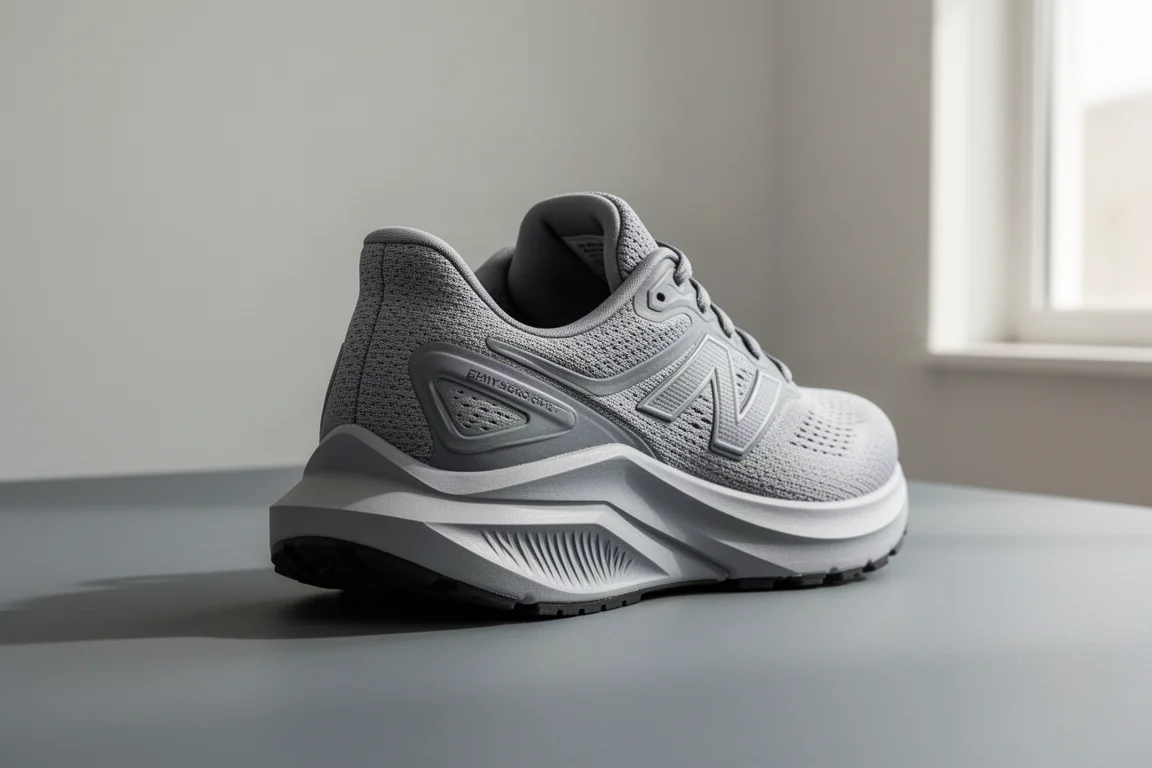
The heel bevel is also a little more extreme than before, slightly softer and smoother, which should suit heel strikers and be more accommodating for midfoot landers. The wider heel adds a touch of guidance too, which may appeal to runners wanting light stability. Midsole score so far: 2.6 out of 3.
Outsole and Grip: Aggressive Where It Matters
The decoupled outsole rubber is an improvement over the Ride 18, which was a bit too flush and left lots of exposed midsole that started to look gnarled. Here the rubber is more aggressive, with coarser lugs placed deliberately, and it is only where it needs to be. Rubber hardness comes in around Shore A 70, on the more robust side, which suits a daily trainer.

Traction performed very well across road, pavement, and light gravel paths, with decent grip in wet conditions. The medial arch area gains extra rubber where the previous version had exposed foam. PWRRUN+ foam also adheres very well to the rubber, without lifting or detaching, making this one of the more durable outsole packages around. Outsole score: 2.7 out of 3.
Value and Verdict on the Ride 19
At around $140, the Ride 19 feels like a fair deal. Construction is decent, materials feel good, and the brand has a consistent record of well-put-together shoes. The value score of 2.6 out of 3 reflects one wish: that it were a touch lighter, perhaps by trimming some upper materials. The added heel width and weight also make it marginally less versatile than the Ride 18, but only by a hair.
This shoe is almost the antithesis of the current wave of hyped super-soft trainers. Runners who picked up the Evo SL on hype and found the midsole too soft and the upper structure lacking will find the opposite approach here: a more traditional upper and a resilient TPU-bead midsole. With the wider heel and plenty of cushion, it could even work as a long run option for slower, easier miles during marathon or half marathon build-ups.
Conclusion
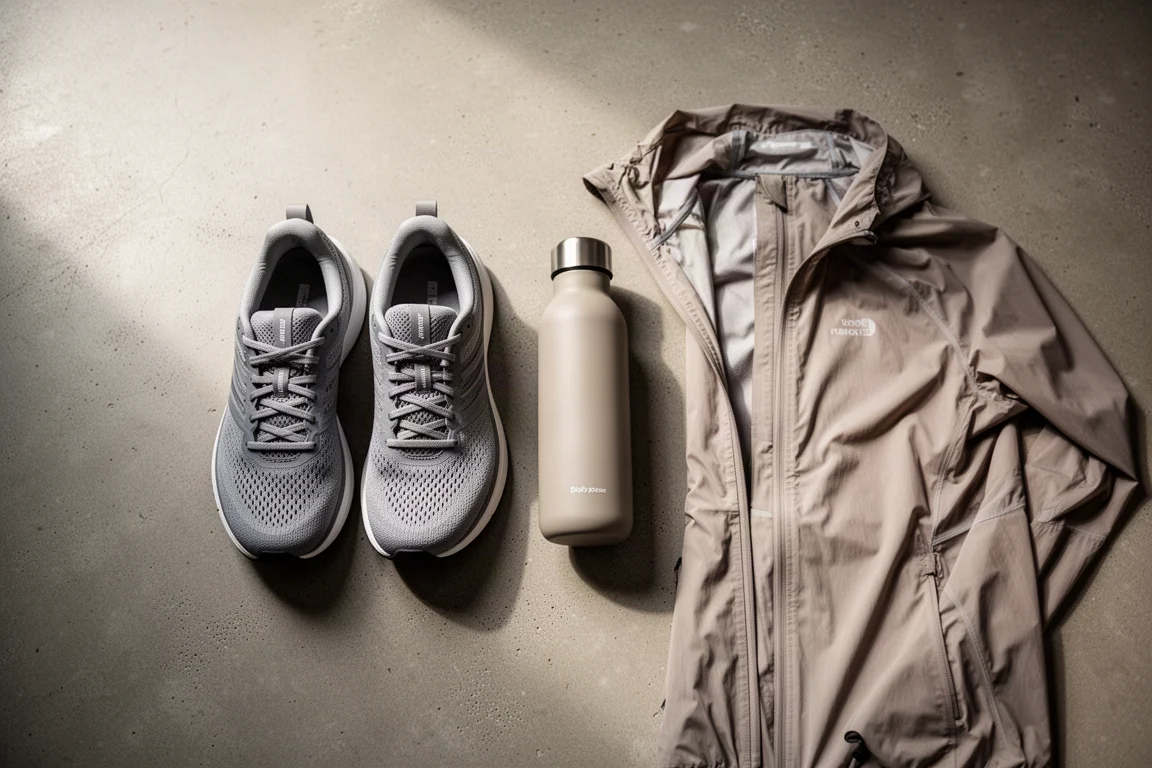
The Saucony Ride 19 is a dependable, durable daily trainer that stays slightly below max-stack in a market where almost everything else is 40 mm or more. The wider heel and smoother bevel make small but meaningful improvements for heel strikers and runners who want a bit of guidance, while the ride character remains consistent and predictable. If you want excitement, look elsewhere; if you want a reliable shoe with decent weight, strong durability, and fair value at $140, this deserves a spot on your shortlist.
Product link
View more details for Saucony Ride 19
This product is mentioned in the review. Check the specifications, options, and compatibility before buying.
View more details for Saucony Ride 19Further reading
Related Reviews

Running Shoes
Best Road-to-Trail Running Shoes: Three Versatile Options for Mixed Terrain
A practical guide to three road-to-trail running shoes that handle both pavement and mild trails, with clear strengths and trade-offs for different runner types.

Running Shoes
Best Running Shoes for Achilles Tendonitis: Three Options Explained
Three running shoes with different heel drops and support features designed to help reduce Achilles tendon pain during walking and running.

Running Shoes
Best Running Shoes for Women: Five Top Choices Ranked
A ranked guide to five women's running shoes, from versatile daily trainers to high-performance racing options, with real strengths and trade-offs for each.