Running Shoes
Saucony Ride 19 Review: The Daily Trainer Is Back
PWRRUN Plus, a softer geometry, and a more neutral ride make the Ride 19 the most interesting version of this shoe in years. Here is how it compares with the Ride 18, Triumph 23, Salomon Aero Blaze 3, and Tier Maverick.
Introduction
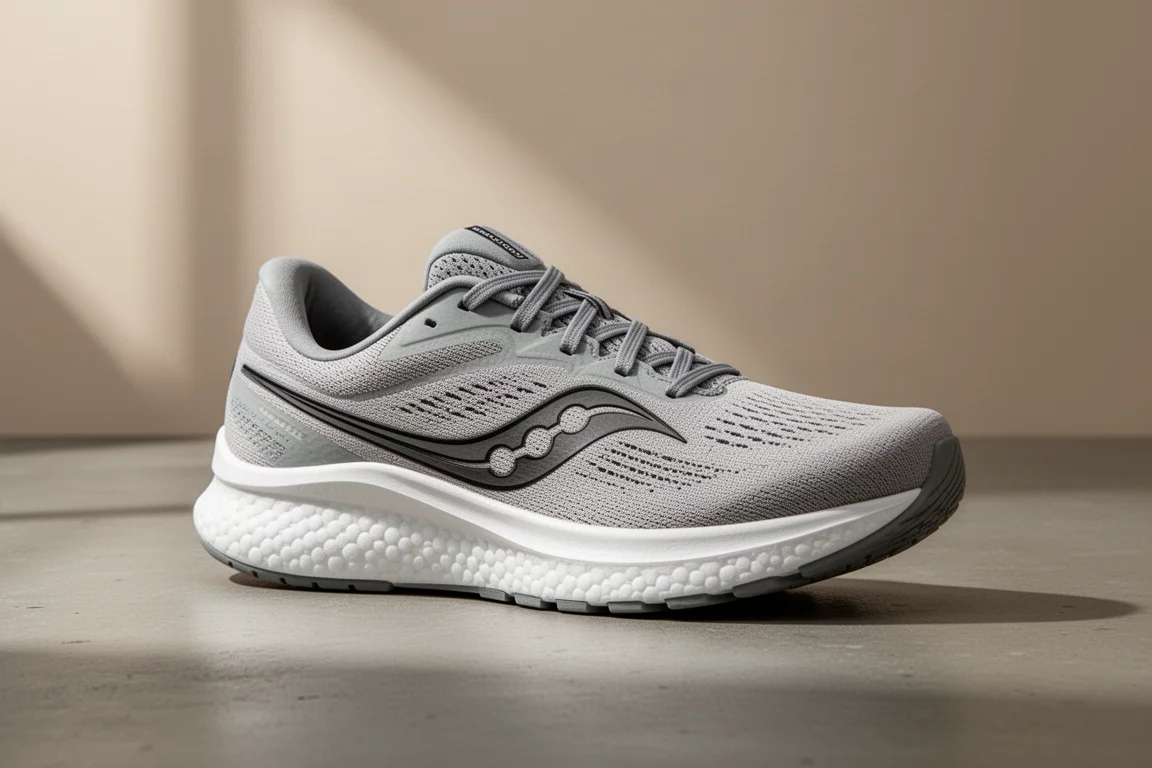
With so much attention on Saucony’s newer high-end foams, it would be easy to assume that PWRRUN Plus, one of the brand’s older compounds, is yesterday’s technology. The Saucony Ride 19 makes a strong case that you do not need PEBA or EETPU foam to build an excellent daily trainer. This year’s Ride changes almost everything about how the shoe feels underfoot, and the result is the most likeable version of the Ride in a long time.
Saucony Ride 19 Specs and Design Changes
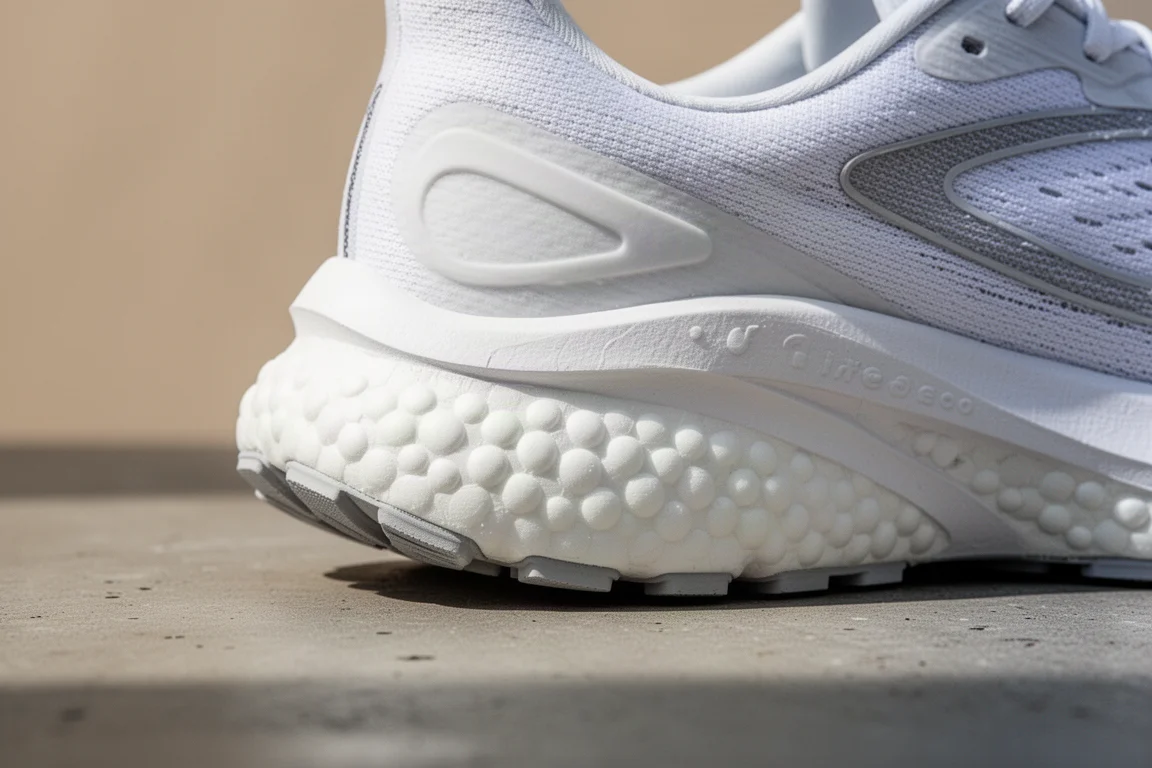
The Ride 19 uses a 36 mm stack height at the heel with an 8 mm drop, putting 28 mm of foam in the forefoot. The midsole is PWRRUN Plus, a beaded foam, but the geometry is set up very differently from last year’s Ride 18. The Ride 18 used the same foam family with a denser feel and a geometry designed to compress less, aiming for stability and a more solid ride.
The changes this year mirror what happened with the Triumph: a move from a stout, stable setup toward something noticeably softer and more enjoyable. The outsole has also been updated. The visual stability cue on the medial arch area is gone, an open area between the forefoot and heel adds flexibility, and the rubber feels thinner than in previous Ride models. The upper is a soft, comfortable engineered mesh, and the excess puffiness that made older Rides feel bulky in the tongue and heel has been reduced to a reasonable amount of padding for a daily trainer. The shoe weighs 8.9 oz (255 g), a respectable figure for a daily trainer in 2026.
What the Ride 19 Is Like on the Road
This is the Ride that many long-time users have wanted for years. It behaves like a Goldilocks daily trainer: cushioned but not mushy, bouncy but not firm. It is a shoe you can reach for almost every day for easy runs, and it is soft enough to work well on recovery days when your legs need extra comfort.
The wider footprint gives you a stable platform to land on, so even slightly off-center landings feel predictable. That width is also what allows Saucony to drop the old hint of stability near the arch, making the Ride 19 feel like a genuinely neutral shoe rather than the light-stability-leaning shoe previous versions sometimes resembled.

Where it falls short is fast running. Steady runs and strides are fine, but for interval or threshold work you will want something more purpose-built. This is a do-a-lot shoe rather than a do-it-all shoe, and it does the things it is built for very well.
Saucony Ride 18: The Budget Alternative
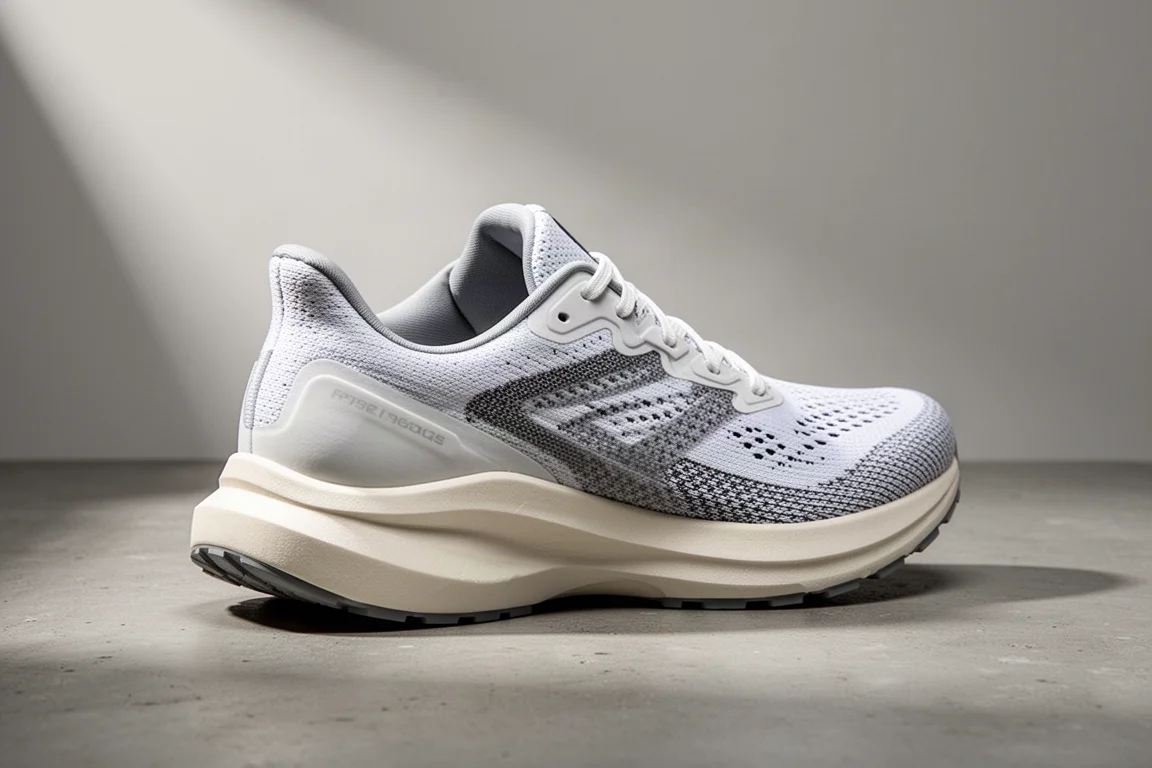
The Ride 18 is still available and now sits at $100, a meaningful saving over the Ride 19. The trade-off is that it is a significantly different shoe: firmer, with a hint of stability and noticeably more puffiness in the tongue and heel cup. If you liked the Ride iterations of the past and want to save a few dollars, the Ride 18 is the sensible pick. If you want the modernized ride, the Ride 19 is worth the higher price.
Saucony Ride 19 vs Saucony Triumph 23
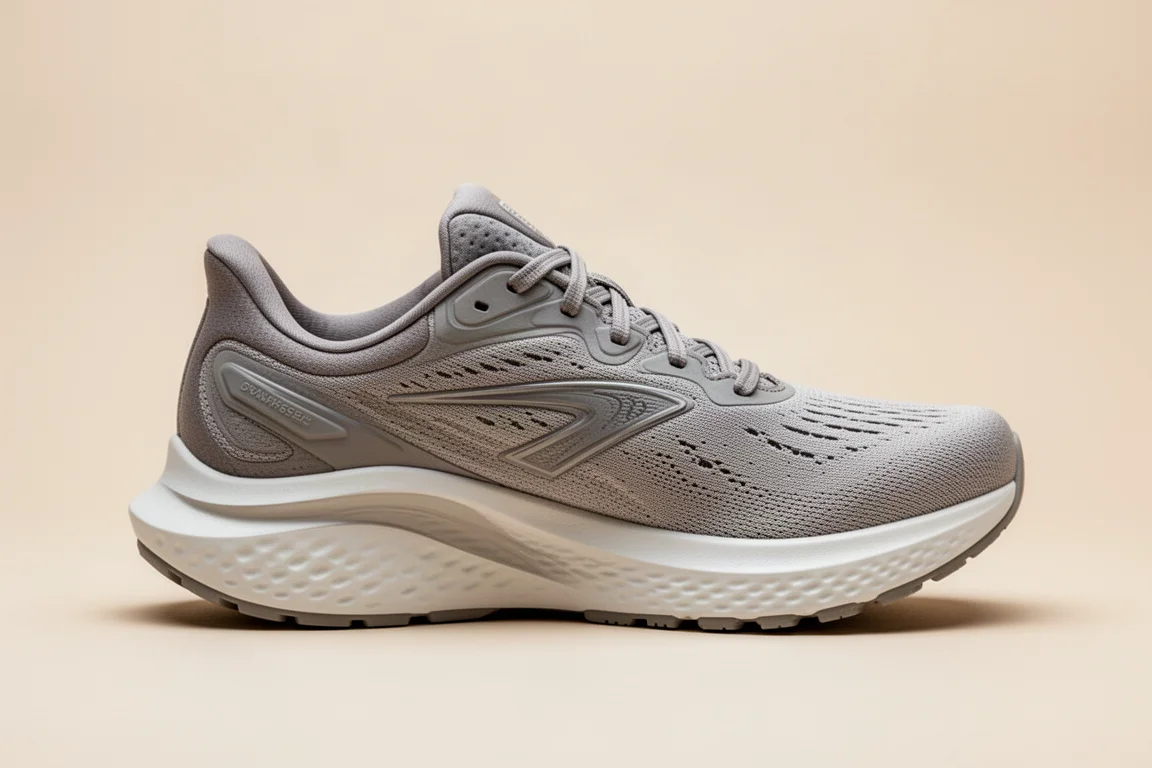
The Ride 19 and Triumph 23 made very similar year-over-year changes, and they look nearly identical: almost the same geometry, similarly colored foam, and uppers that are almost exactly alike. The Triumph 23, being the max cushion shoe, has more puffiness in the tongue and more padding in the heel cup, uses a different foam in PWRRUN PB (a beaded PEBAX, race-caliber foam), and sits 1 mm taller in the heel with a 10 mm drop, making it 1 mm shorter in the forefoot. On paper, they are nearly the same shoe.
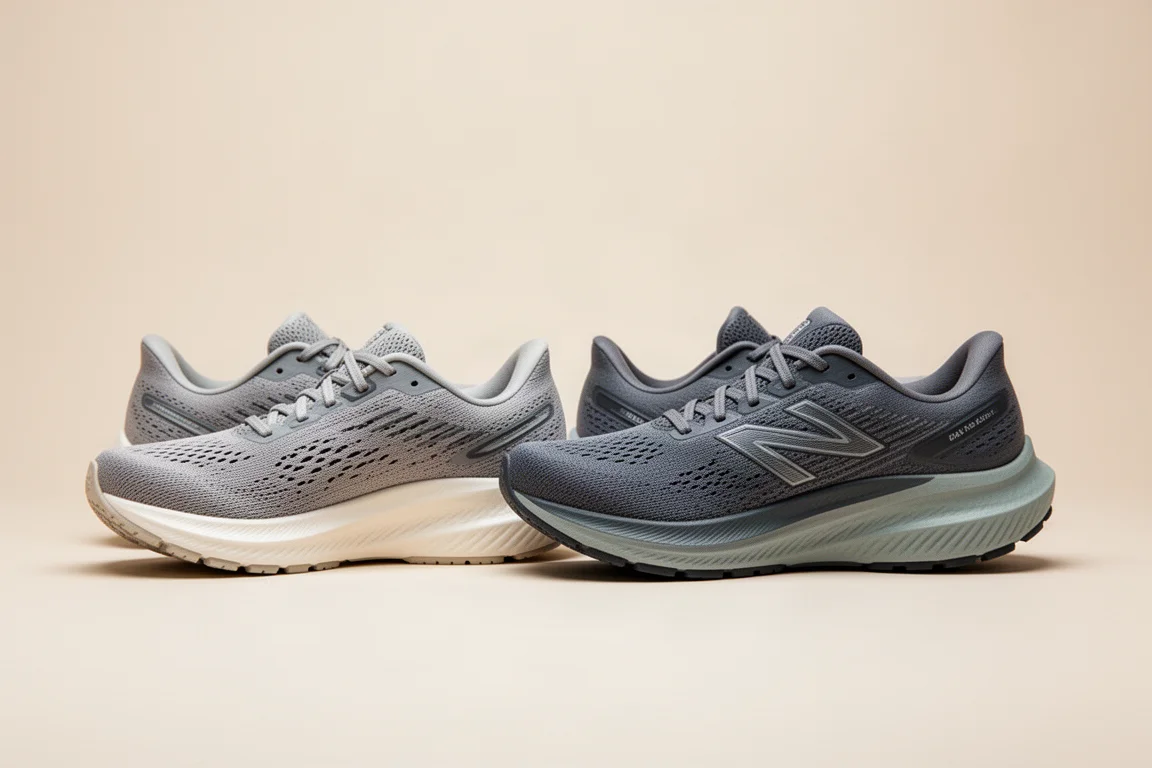
Counterintuitively, the Triumph 23’s foam feels firmer than the PWRRUN Plus in the Ride 19. If you want a softer daily trainer, go with the Ride 19. If you prefer something a touch firmer with a hint of stability near the arch, a bit more pop, more density, and more weight, go with the Triumph 23, especially for bigger or taller runners. At $170, the Triumph costs $25 more, so you really have to prefer its character for the upgrade to make sense.
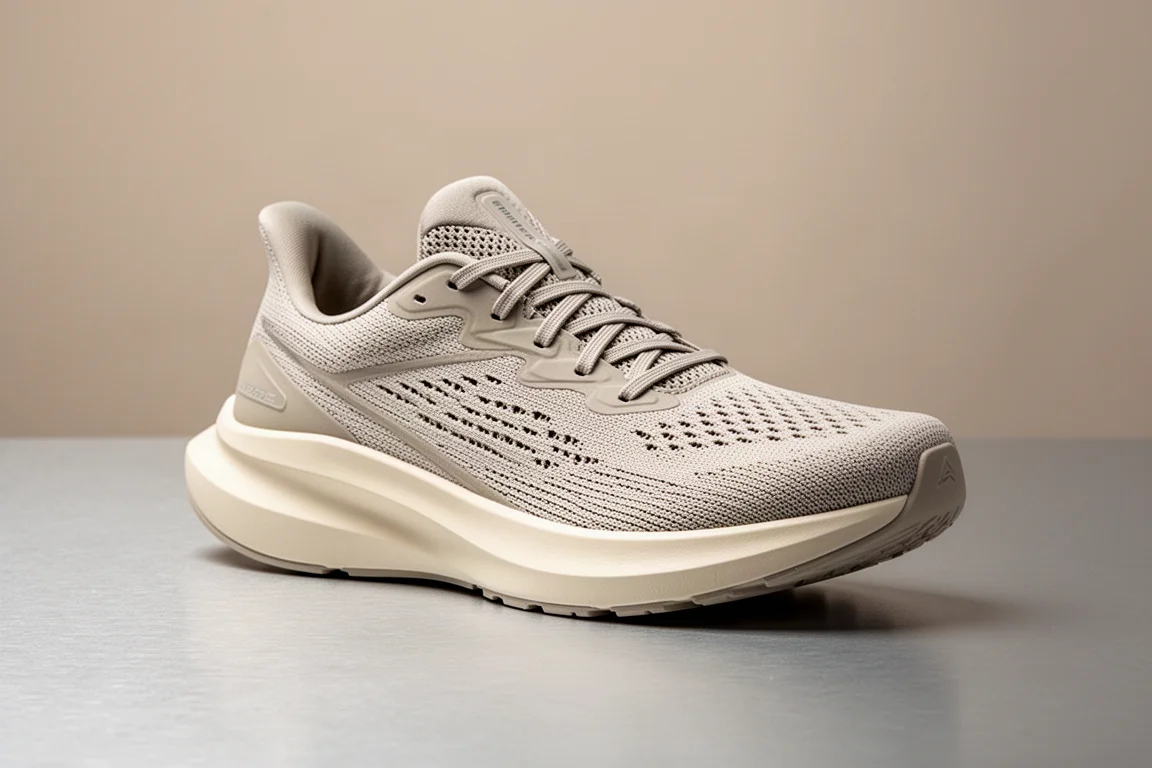
Salomon Aero Blaze 3
The Aero Blaze 3 uses a beaded TPU foam with almost exactly the same stack height and drop as the Ride 19, and a very similar feel in the heel: soft without being mushy, bouncy without being firm. The difference is in the forefoot. Even though the foam quantity is nominally the same, the Aero Blaze 3 feels like it has a dramatic drop-off up front, making it a snappier, more neutral, faster-feeling shoe. It is also firmer and less cushioned.
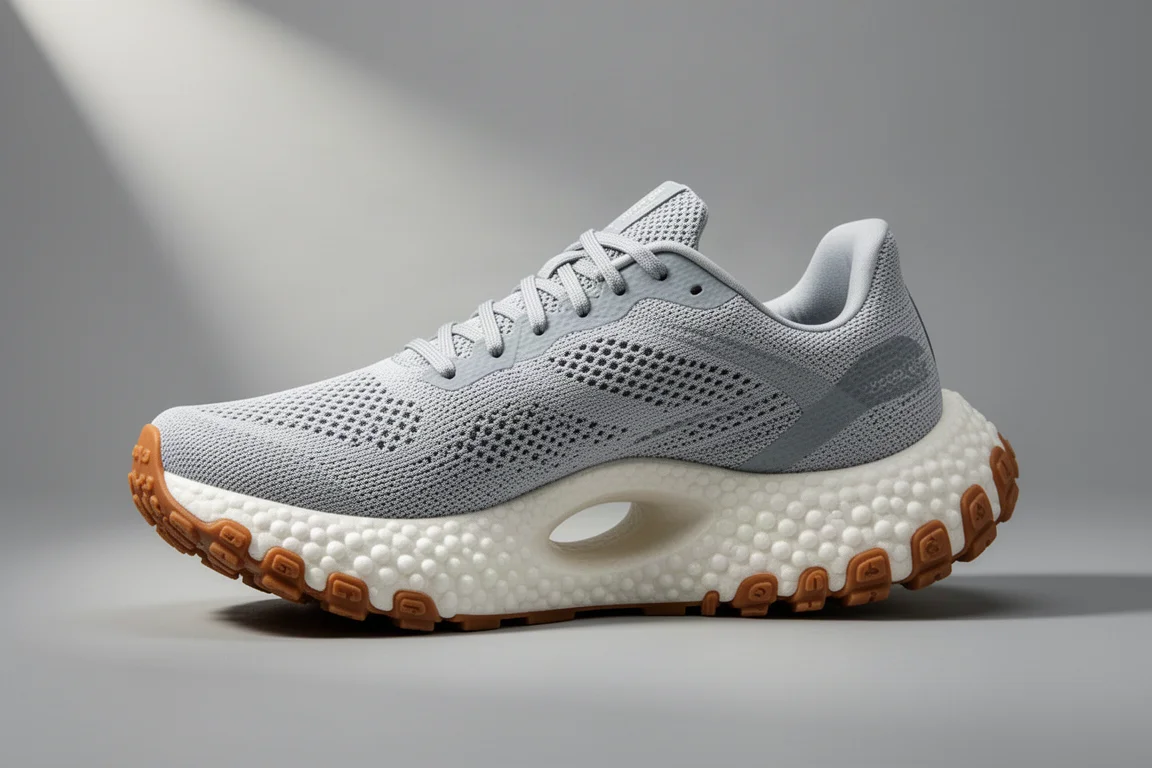
Tier Maverick
The Tier Maverick is not a beaded-foam shoe, but the feel is very similar to the Ride 19: a cushioned daily trainer that is not mushy, with plenty of pep. It has a much taller stack than any shoe discussed here, an 8 mm drop, and it is significantly lighter despite carrying more foam, helped by a speed-style upper with almost no tongue padding and very little heel padding. It is also very wide, with a foot-shaped toe box that suits runners who dislike having their feet crammed into traditional shoes.

The Maverick is arguably more versatile than the Ride 19, better for long runs you want to run faster in, and better at faster paces thanks to its lightness. It costs more at $150, is not quite as soft, and it is a goofy-looking shoe aesthetically, which may matter to some buyers.
Buying Advice
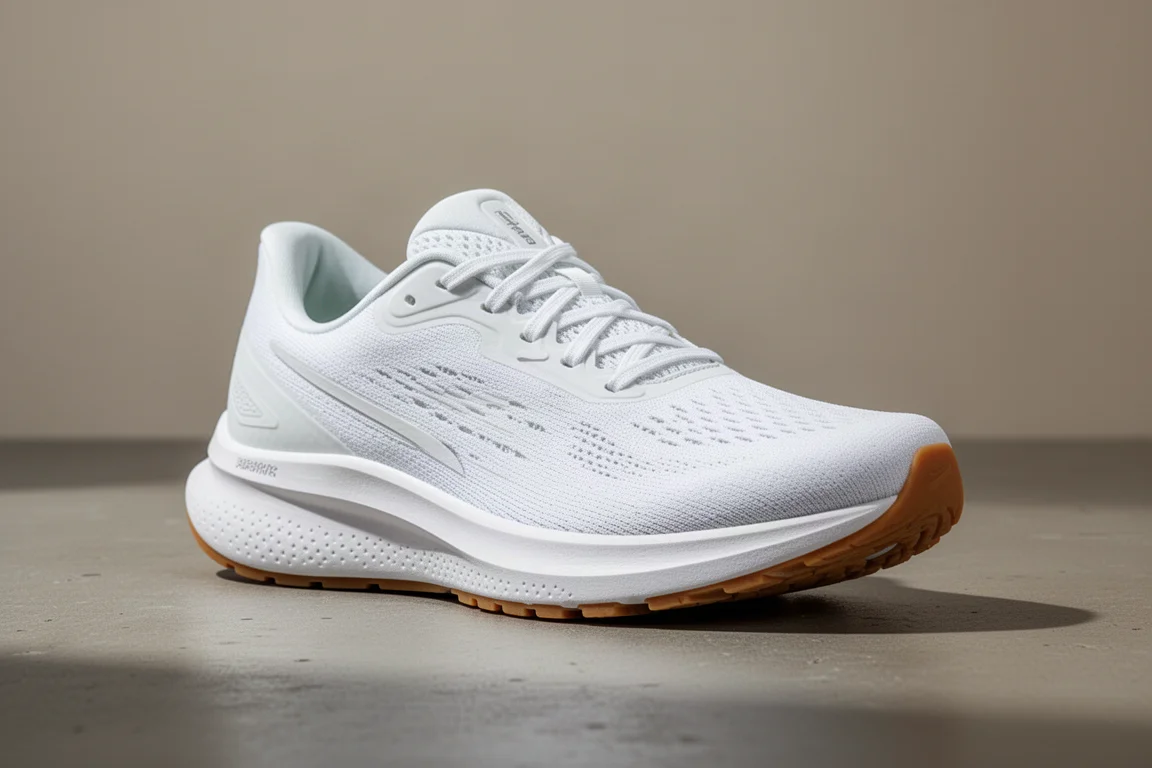
At $145, the Ride 19 is slightly expensive, the kind of tariff-influenced price where $140 would have felt right in line with competing daily trainers. If you are choosing between these shoes: pick the Ride 18 at $100 if you prefer the older firmer, stability-leaning Ride feel; the Ride 19 at $145 if you want the modern, softer, genuinely neutral daily trainer; the Triumph 23 at $170 if you want max cushion with a firmer, denser feel and a hint of stability; the Aero Blaze 3 at $140 if you want a daily trainer that can go fast often; and the Tier Maverick at $150 if you want the lightest, most versatile option with a wide foot-shaped fit.
Conclusion
The Ride is definitely back. After several years of being overlooked and under-spec’d, the Saucony Ride 19 delivers a dramatic and welcome update: softer geometry, a more neutral platform, less puff, and a ride that works for easy days and recovery days alike. It will not replace a workout shoe, but as a daily trainer it is the best version of the Ride yet and deserves a spot on any shortlist for 2026.
Further reading
Related Reviews

Running Shoes
Best Road-to-Trail Running Shoes: Three Versatile Options for Mixed Terrain
A practical guide to three road-to-trail running shoes that handle both pavement and mild trails, with clear strengths and trade-offs for different runner types.

Running Shoes
Best Running Shoes for Achilles Tendonitis: Three Options Explained
Three running shoes with different heel drops and support features designed to help reduce Achilles tendon pain during walking and running.

Running Shoes
Best Running Shoes for Women: Five Top Choices Ranked
A ranked guide to five women's running shoes, from versatile daily trainers to high-performance racing options, with real strengths and trade-offs for each.