Running Shoes
Saucony Ride 18 vs Triumph 20: Which Daily Trainer Deserves Your Miles?
Two beaded TPU Saucony daily trainers compared after high-mileage testing: comfort, durability, stack height, and which one fits which runner.
Introduction
Saucony has two beaded TPU daily trainers in its lineup that serve very different runners: the Ride 18 at $140 and the legendary Triumph 20. After putting serious mileage on both, including a 25-mile single day in the Ride 18 and 350 miles of accumulated wear in the Triumph 20, the contrast between them is clearer than ever. The Ride 18 is a corrected, refined workhorse. The Triumph 20 remains one of the standout shoes of the 2020s, even well past its prime mileage.
Saucony Ride 18: The Workhorse
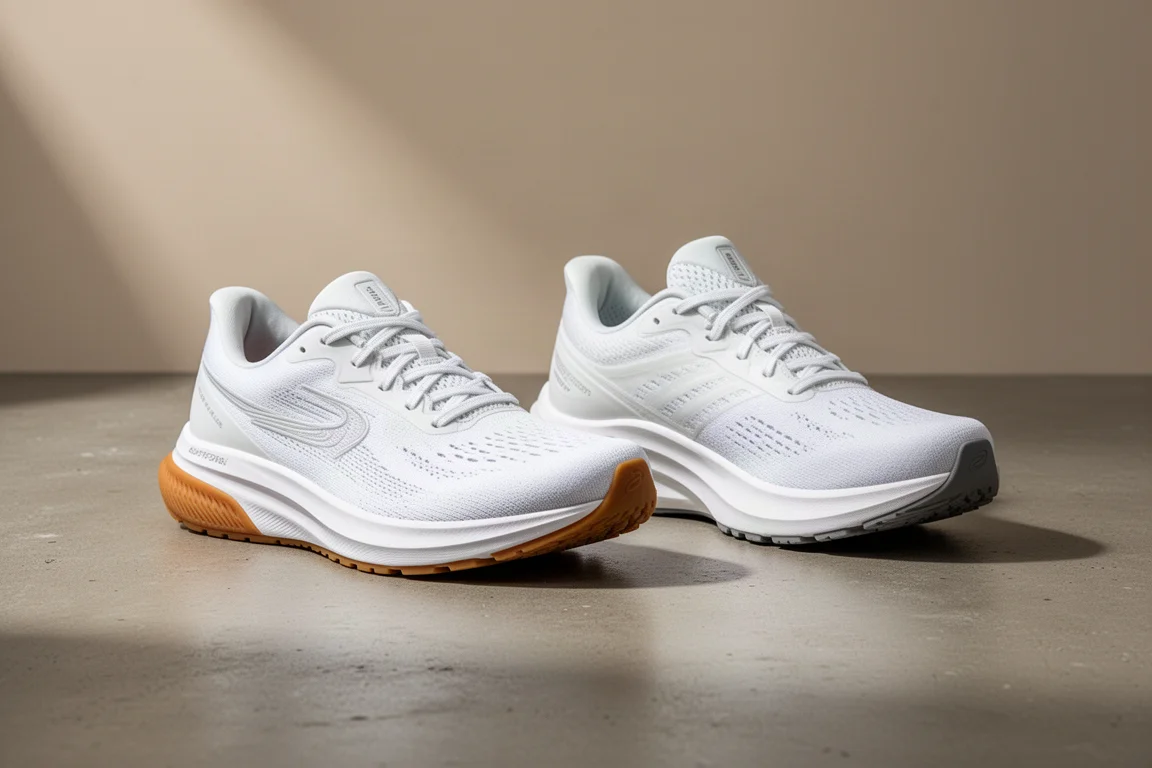
The Ride 18 arrives in a clean all-white colorway with a gum outsole, and it is a looker, arguably Saucony’s best colorway in a while. More importantly, the foam compound has changed. Compared to the Ride 17, the midsole is noticeably softer, with a slightly different bead structure and finish on the TPU foam.
Out of the box and through a 17-mile two-hour run, the shoe upgraded from solid to really good. The upper is one of the most comfortable out there, the Power Run Plus beaded TPU insole adds plush step-in feel, and there were zero stability complaints. At 90mm wide in the heel versus 83mm in the Triumph 20, the Ride 18 is lower, flatter, and wider, correcting the narrower base that was a key complaint on the Triumph 20. It can handle sub-3-hour marathon pace work and 6:20-6:30 miles without ever feeling like it is limiting you.
Why Beaded TPU Foam Still Matters
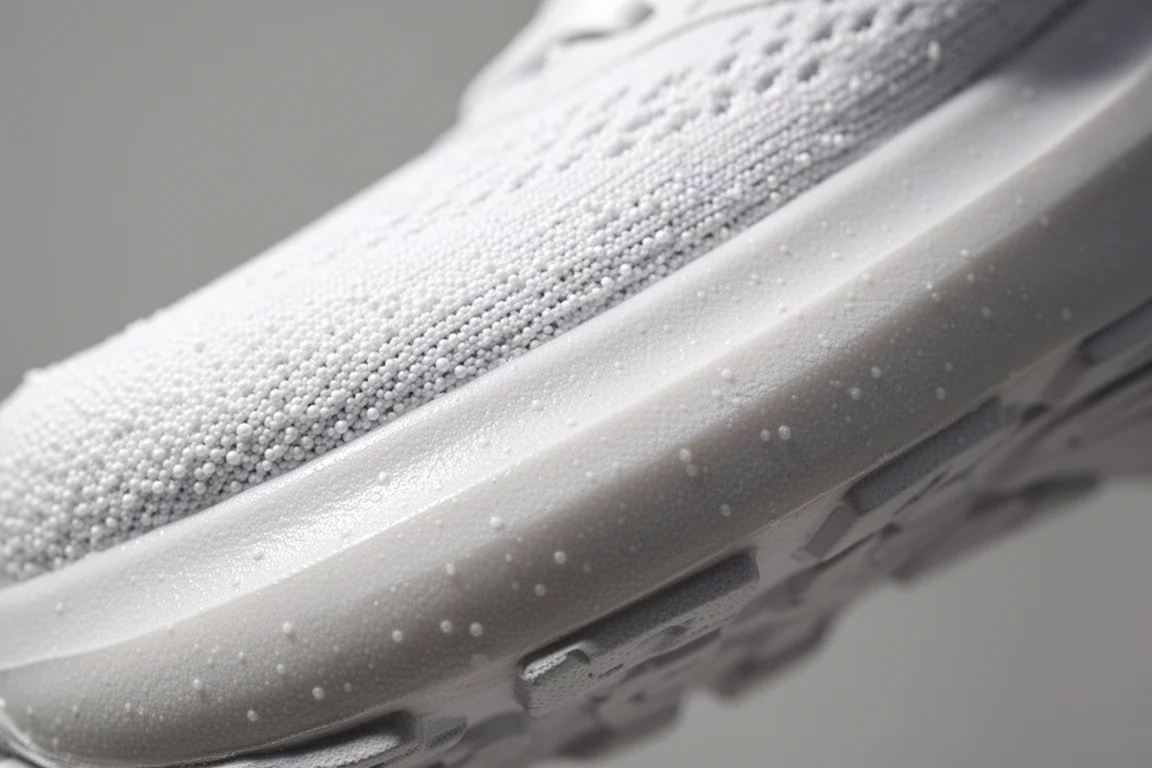
Both shoes use beaded thermoplastic polyurethane, one of the original super foams that replaced EVA in the classic Adidas racers of the 2010s. The pitch is threefold: more durability, more resistance to temperature change, and more bounce than standard EVA.
The durability claim holds up impressively. After 350 miles, the Triumph 20 still measures 37.8mm of stack, above its reported 37mm figure. By comparison, a PEBA-based Saucony Endorphin Speed 3 measured just 33mm after around 270 miles, despite a taller reported stack. That is the real superpower of beaded TPU: it resists compression in a way modern PEBA foams often do not.
Triumph 20: Still the Transcendent One
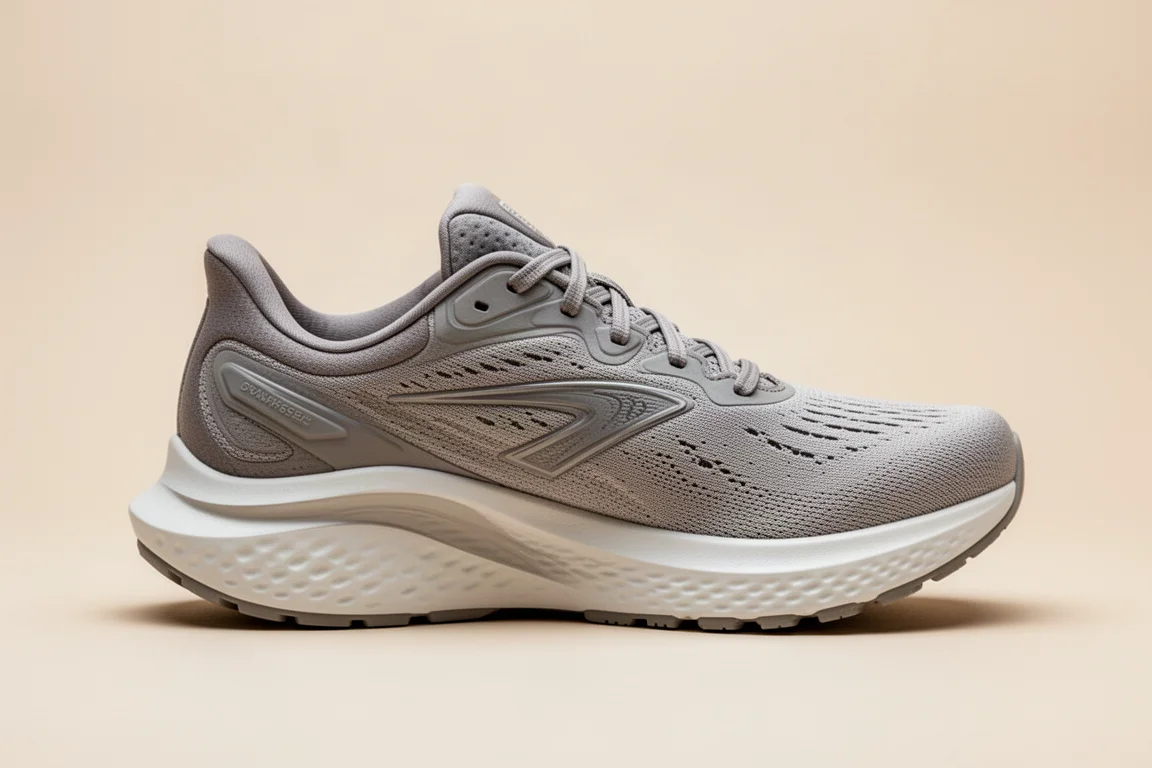
The Triumph 20 earned its reputation honestly. Its strengths are depth of cushion and that special, almost indescribable quality that keeps a shoe feeling alive deep into long runs. It is softer underfoot than the Ride 18, with more squish and a taller, more protective platform.
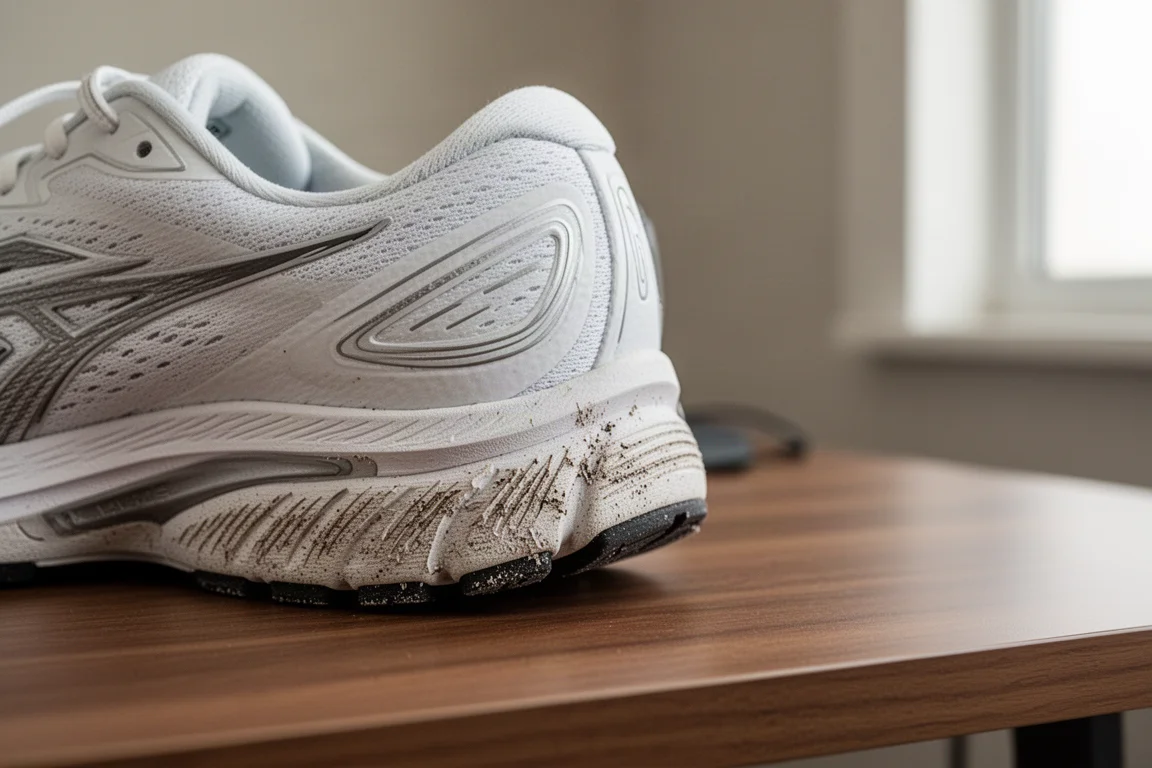
Its flaws are known too: some runners had upper issues, and the midfoot-to-heel base width drew complaints. But after 350 miles, the only meaningful wear is grinding at the heel, and the platform refuses to die. It is a generational shoe in the same way the best athletes are generational talents.
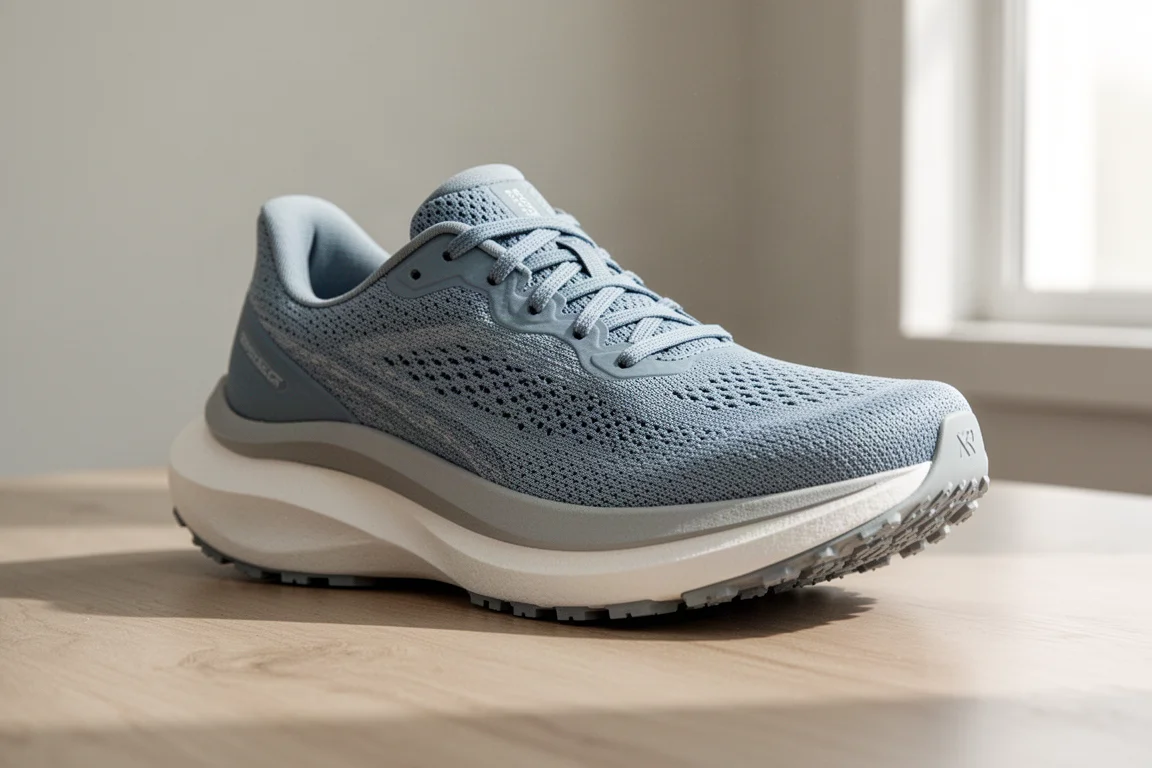
High-Mileage Verdict on the Ride 18
On a 25-mile day with tired legs, the Ride 18 stayed protective and injury-free, passing the two-hour long run test comfortably. But it never elevated beyond really good. It gives back exactly what you put into it, with limited speed assistance, and the foam did not soften up with more miles. If anything, it felt firmer at 30-plus miles than expected.

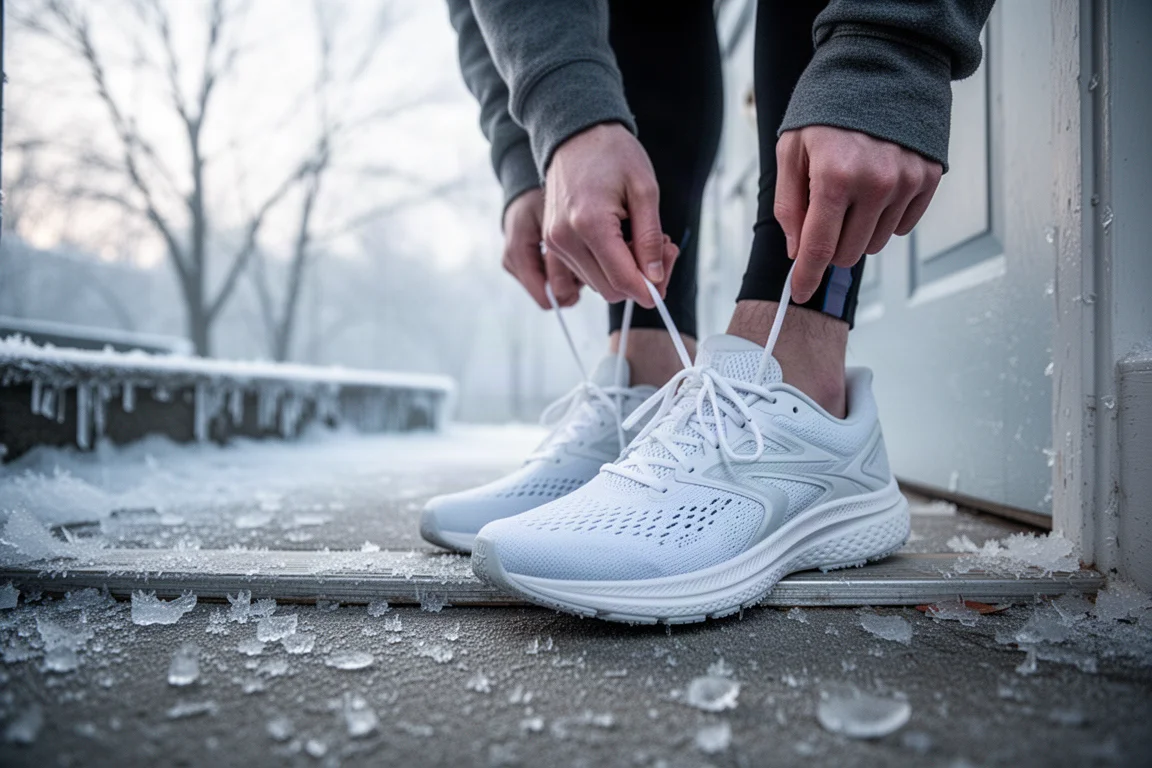
In sub-freezing conditions, the platform firmed noticeably in the second half of a long run, partly the gum outsole hardening in the cold, partly the compound itself. A comparable EVA-blend trainer tested in similar cold retained its softness better. Against the Max cushion giants like the MagMax, Skyex, or Glycerin Max, the Ride 18 cannot compete on bounce or protection. It sits dead center on the fun spectrum: more engaging than a Pegasus or an 880, less playful than a MagMax. It reminds most of the Hoka Skyflow: an indestructible-feeling tank that makes you do the work.
Buying Advice: Which One Should You Get?
The Ride 18 is best in class at being a workhorse. If you want a do-everything shoe for 30-40 minute runs, hour-long runs, a first half marathon, or travel, it is close to perfect. If you are consistently running 20-mile long runs and marathon training, the market truth is that you get what you pay for: stepping up $20-50 to a dedicated marathon-training shoe buys you the bounce, comfort, and protection the Ride 18 lacks.
The Triumph 20 remains the transcendent pick for high mileage. Even beaten down to a firmer ride than new, it still measured 3-4mm taller in the heel than the fresh Ride 18 and kept the special quality the Ride 18 does not quite reach.
If your priority is a normal, connected, no-weirdness daily trainer at $140, buy the Ride 18 with confidence. If you want a shoe that helps you fight back on tired legs and carries a legendary platform that survives 350 miles, hunt down the Triumph 20.
Conclusion
The Ride 18 is a really good, firm, comfortable workhorse that is not quite the true successor to the Triumph 20. It is best in class at getting the job done, and for most new runners and everyday mileage, that is more than enough. The Triumph 20 remains the special one, and it is still holding its stack above its reported height hundreds of miles in.
Further reading
Related Reviews

Running Shoes
Best Road-to-Trail Running Shoes: Three Versatile Options for Mixed Terrain
A practical guide to three road-to-trail running shoes that handle both pavement and mild trails, with clear strengths and trade-offs for different runner types.

Running Shoes
Best Running Shoes for Achilles Tendonitis: Three Options Explained
Three running shoes with different heel drops and support features designed to help reduce Achilles tendon pain during walking and running.

Running Shoes
Best Running Shoes for Women: Five Top Choices Ranked
A ranked guide to five women's running shoes, from versatile daily trainers to high-performance racing options, with real strengths and trade-offs for each.