Running Shoes
Saucony Ride 18 vs Puma Velocity Nitro 4: Which Daily Trainer Wins?
Two versatile daily trainers go head to head on fit, comfort, versatility, and value to help you pick the right one for your rotation.
Introduction
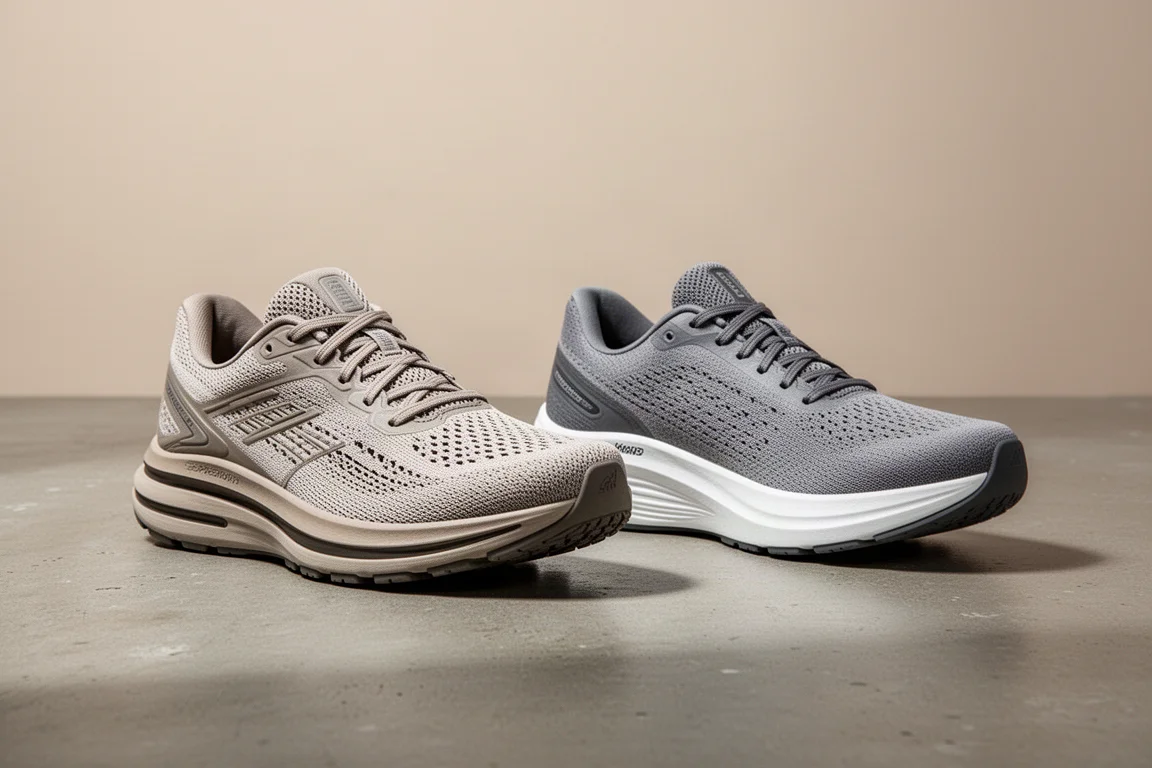
Finding one shoe to handle the bulk of your training without breaking the budget is a common goal, and two daily trainers keep coming up in that conversation: the Saucony Ride 18 and the Puma Velocity Nitro 4. Both are versatile, comfortable, and priced for everyday miles, but they divide neatly along different strengths. This comparison breaks down where each shoe excels so you can decide which one fits your running.
At a Glance: Specs and Pricing
The Saucony Ride 18 costs £130 or $140, weighs 266g (9.4 oz) for men in a size 8, and has an 8mm drop. The Puma Velocity Nitro 4 costs £110 or $140, weighs the same 266g (9.4 oz) in a men’s size 8, and has a 10mm drop.
On paper they are remarkably close. The real differences show up in how each shoe rides and where each one justifies its price.
Saucony Ride 18: A Balanced Daily Workhorse
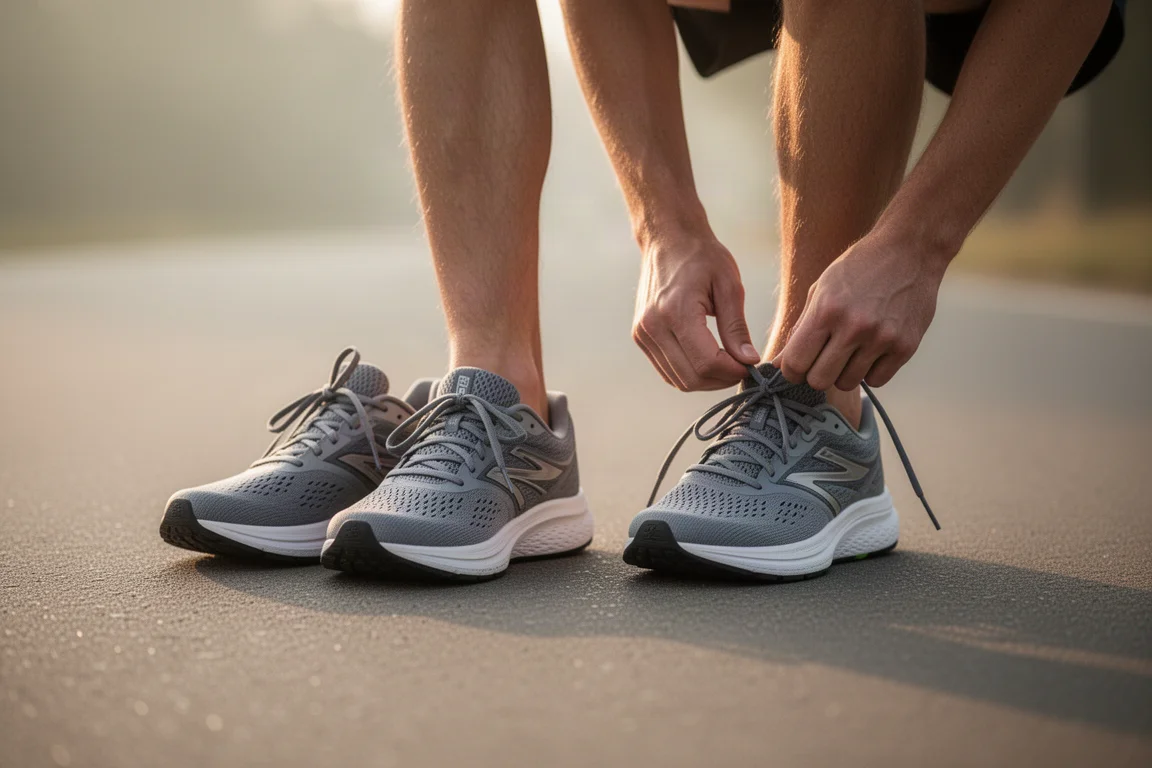
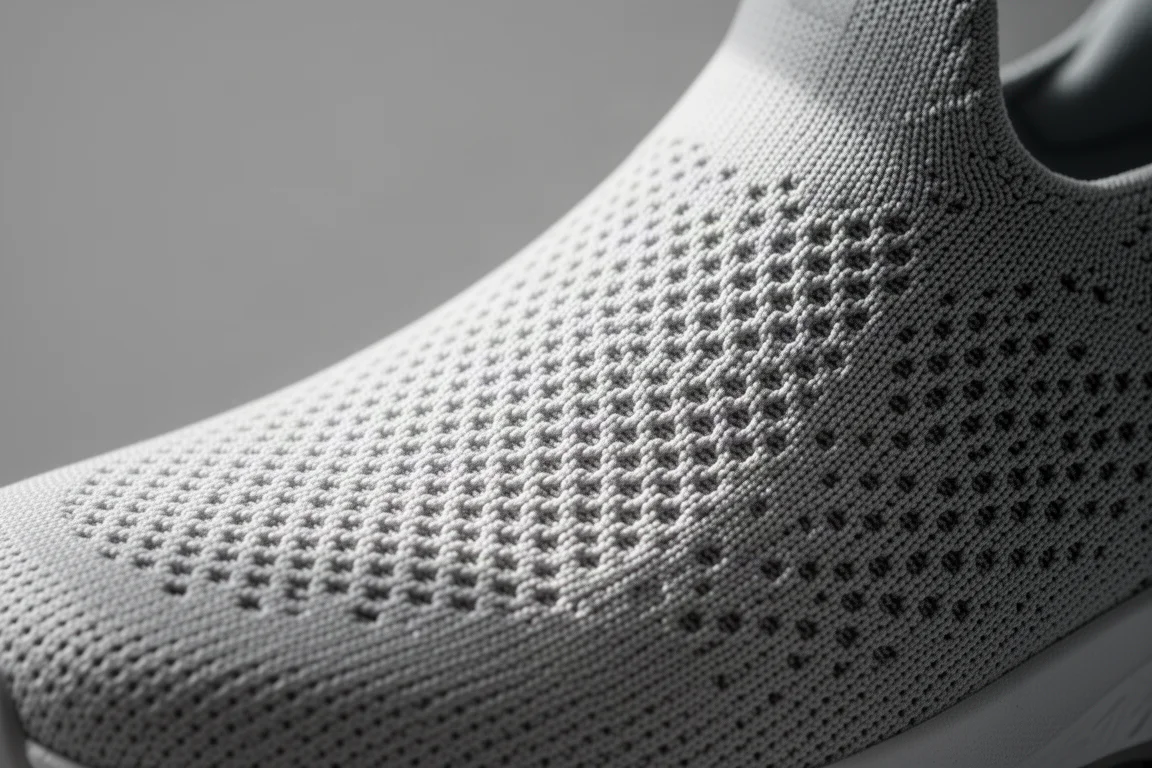
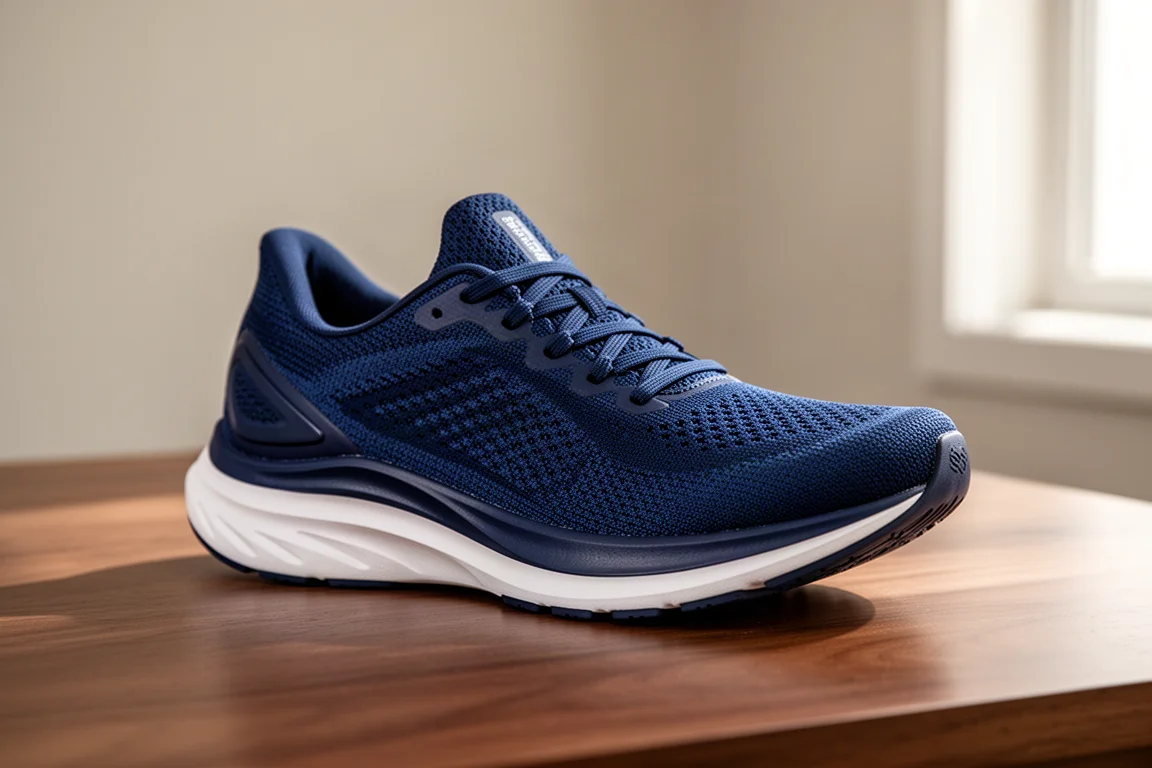
The Ride 18 builds on the popular Ride 17 with a few meaningful updates. The biggest is the addition of PWRRUN+ foam in the midsole, designed to make the shoe lighter, softer, and more responsive than its predecessor, with improved energy return. The outsole aims for better durability and grip, with flex grooves toward the front of the shoe for a smoother ride. A new engineered mesh upper increases breathability and adds a stretchy fit for better lockdown and comfort, and there is an updated heel collar for improved cushioning. A wide version is also available.
In practice, the Ride 18 ticks a lot of boxes. It is not the plushest easy-day shoe out there, but you can absolutely run easy in it. It is not the fastest shoe out there either, but it handles faster sessions better than most cushioned daily trainers. The midsole is more balanced than overly soft, and it has a bit more kick and snap at tempo paces than you might expect from this category.
Durability is a strong point too. The outsole uses a good layer of fairly thick rubber across the whole shoe, and the PWRRUN+ midsole is firm and durable by nature. After roughly 70km of running, the test pair showed hardly any signs of wear. The Ride range has also closed the gap with the more expensive Triumph line, and the Ride 18 is arguably the more versatile of the two despite the price difference.
Puma Velocity Nitro 4: Value That Punches Above Its Price
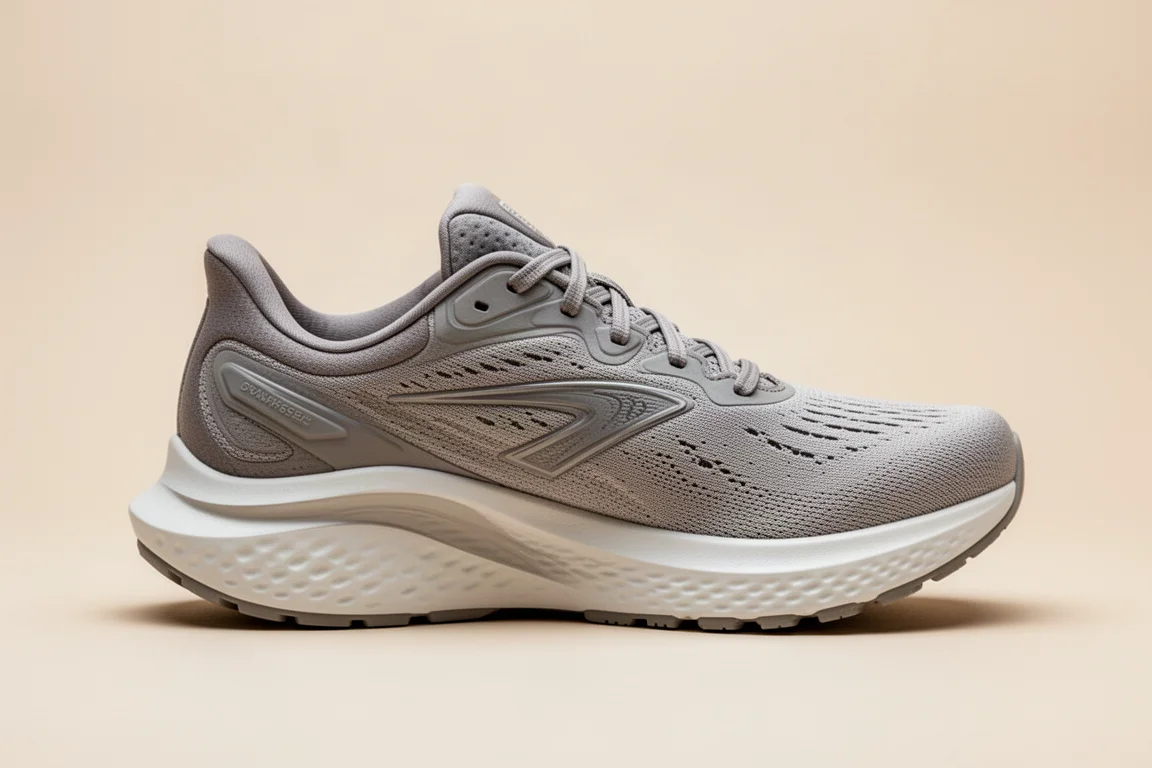
The Velocity Nitro 4 is the latest version of one of the most talked-about daily trainers around, with previous versions delivering an impressive balance of durability, comfort, and versatility at a price that undercuts much of the competition. The fourth iteration gets a softer and lighter full-length NITRO foam midsole for increased energy return, a more breathable mesh upper with PUMA Tape for improved longevity and fit, and a generous full-length PUMAGRIP outsole that provides traction even on lighter trails.
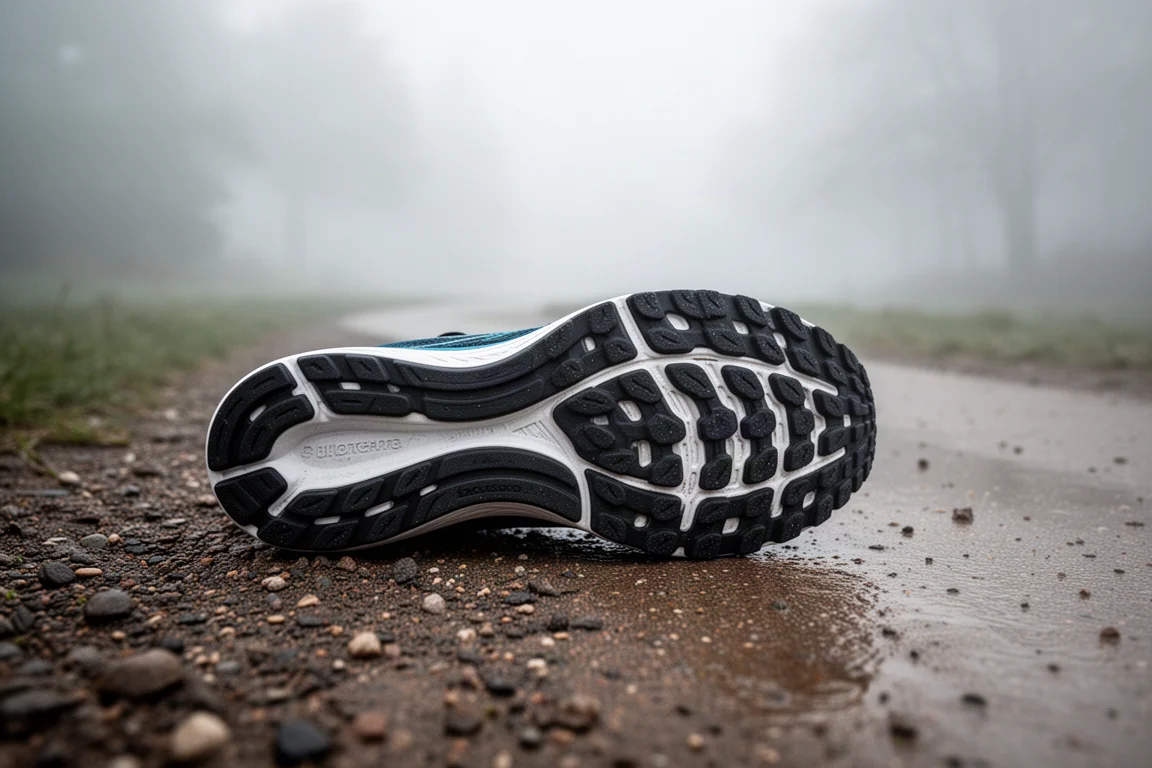
At £110 in the UK, this shoe is exceptional value. It does almost everything that more expensive daily trainers do: a balanced midsole, genuine versatility, and strong all-day comfort. The softer midsole foam adds a little more bounce, which some runners will love, though if you preferred the firmer feel of the Velocity Nitro 2 or 3, the change is worth noting.
The PUMAGRIP outsole deserves special mention. It is genuinely excellent, good enough to take the shoe onto lighter trails with confidence, and coverage is slightly more generous than what you get on the Ride 18.
Fit and Comfort Compared
Both shoes fit true to size for most runners, with good midfoot hold and no discomfort around the heel or Achilles area. There are a few differences worth knowing. The Ride 18 has a roomier fit overall, with plenty of space at the forefoot and midfoot, plus more padding in the tongue. The Velocity Nitro 4 offers a bit more length in the toe box but runs narrower, so runners with wider feet should be cautious. Its gusseted tongue is leaner but stayed in place well.
For pure daily comfort, the Ride 18 edges ahead with its generous padding and easy lockdown. The Velocity Nitro 4 is still a comfortable shoe, but it is not designed for comfort-first daily use in quite the same way.
Performance: Where Each Shoe Wins
Both shoes deliver on the promise of versatility and work well for long runs, easy runs, and moderate tempo efforts, with good protection underfoot and a stable feel. The differences come down to emphasis.
The Ride 18 feels a little more responsive and snappy at slightly quicker paces, making it the better pick if tempo work is part of your weekly routine. The Velocity Nitro 4 feels lighter on the foot with a bit more energy in the midsole, making it more comfortable for easy runs and the preferred choice for longer efforts where that softer foam pays off over the miles.
Which One Should You Buy?
If you want a solid workhorse daily trainer that is very comfortable, handles long runs and daily runs, and offers genuine versatility at faster paces, the Ride 18 is the stronger all-rounder. That extra snap at tempo is what makes it the shoe many runners would slot into their rotation first.
If maximum comfort over long distances and an outstanding outsole matter most to you, the Velocity Nitro 4 delivers both, and the roughly £30 lower UK price makes it an easy recommendation on value alone. It does nearly everything the Ride 18 does, slightly better, and the price gap only strengthens its case.
Conclusion
Both shoes are affordable, versatile daily trainers that will serve a lot of runners very well. The Saucony Ride 18 is the more balanced option for mixed-pace training, while the Puma Velocity Nitro 4 wins on comfort, grip, and sheer value. If the choice came down to a single pick, the Velocity Nitro 4 takes it, but either shoe is a smart buy for everyday miles.
Further reading
Related Reviews

Running Shoes
Best Road-to-Trail Running Shoes: Three Versatile Options for Mixed Terrain
A practical guide to three road-to-trail running shoes that handle both pavement and mild trails, with clear strengths and trade-offs for different runner types.

Running Shoes
Best Running Shoes for Achilles Tendonitis: Three Options Explained
Three running shoes with different heel drops and support features designed to help reduce Achilles tendon pain during walking and running.

Running Shoes
Best Running Shoes for Women: Five Top Choices Ranked
A ranked guide to five women's running shoes, from versatile daily trainers to high-performance racing options, with real strengths and trade-offs for each.