Running Shoes
Saucony Ride 18 Review: A Reliable Daily Cruiser That Plays It Safe
The Ride 18 sheds a little weight and keeps the formula consistent. Here's how it stacks up as an everyday trainer after several test runs.
Introduction
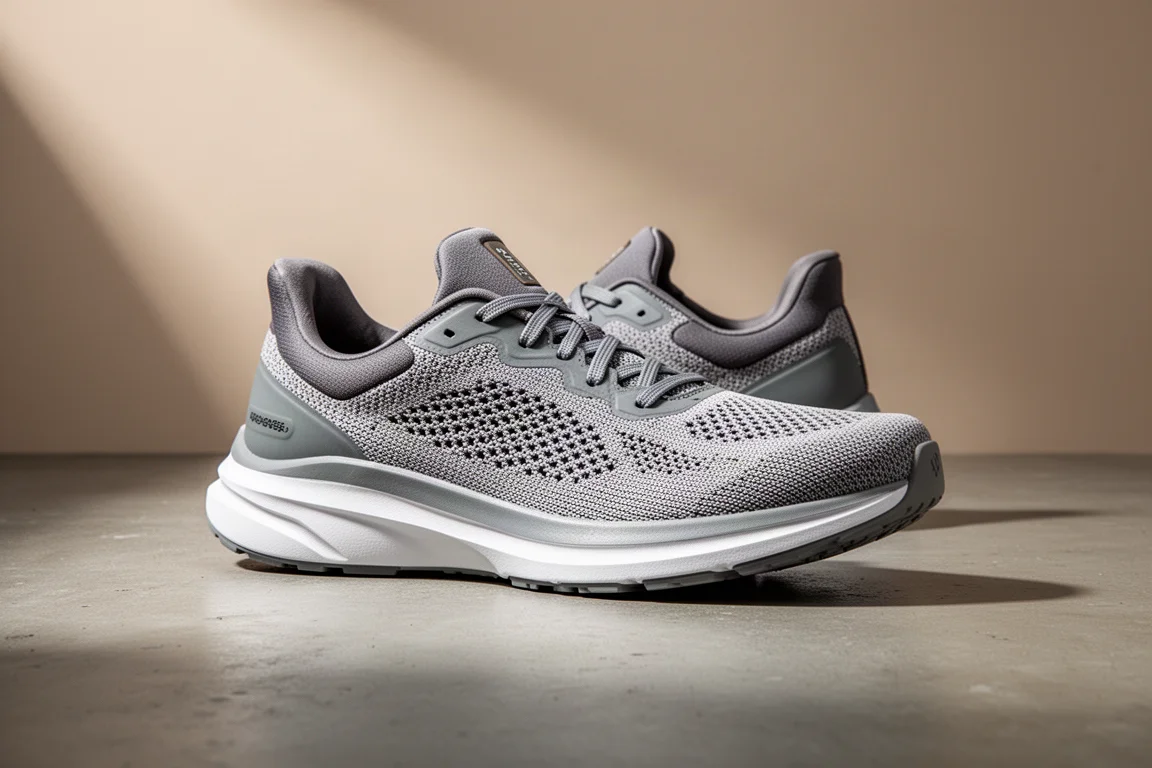
The Saucony Ride series has long been a dependable choice for runners who want a no-nonsense daily trainer, and the Ride 18 keeps that reputation largely intact. After several test runs, the picture is clear: this is a shoe built around consistency and shock absorption rather than flashy speed or extreme softness.
The Ride 18 comes in at roughly 310g (11 oz) in a UK 11 / US 12, about 17g lighter than the previous version. Stack height sits at around 38mm in the heel and 30mm in the forefoot, giving an 8mm drop, essentially the same geometry as before. If you have enjoyed recent Ride iterations, this one should feel immediately familiar.

Who This Product Is For
This is a shoe for easy and steady running. Most miles in testing landed around 8:00 to 8:30 per mile (roughly 5:00 to 5:15 per kilometre), and that is exactly where the Ride 18 feels at home. It is not the shoe to reach for when you want to hammer 5K or 10K intervals, and it will not help much when chasing a fast mile.
If you find the air units in something like the Pegasus 41 uncomfortable, or the adidas Evo SL too soft and unpredictable, the Ride 18 offers a more consistent, firmer-leaning ride. It may also suit anyone who wants a slight stability nod from a firm, well-anchored platform.
Main Strengths
Upper: Simple and Breathable
The upper is a straightforward, well-executed affair: a padded tongue with internal gusseting that prevents tongue slide, minimal overlays, a plastic lateral logo overlay, and a suede piece at the heel alongside a conventional, non-flexible heel counter. The toe box is wide and tall with good breathability, and the materials are well proportioned overall.
There are small caveats. Saucony’s elasticated laces will not be for everyone, and some lace loops serve as eyelets, so avoid yanking them with excessive force. The laces also start a little higher up the shoe than some runners prefer, and testers found the foot moving around slightly inside, though dropping half a size is not recommended since the length is spot on. Narrow-footed runners may struggle to dial in lockdown.
Midsole: Consistent Cushioning Over Flash
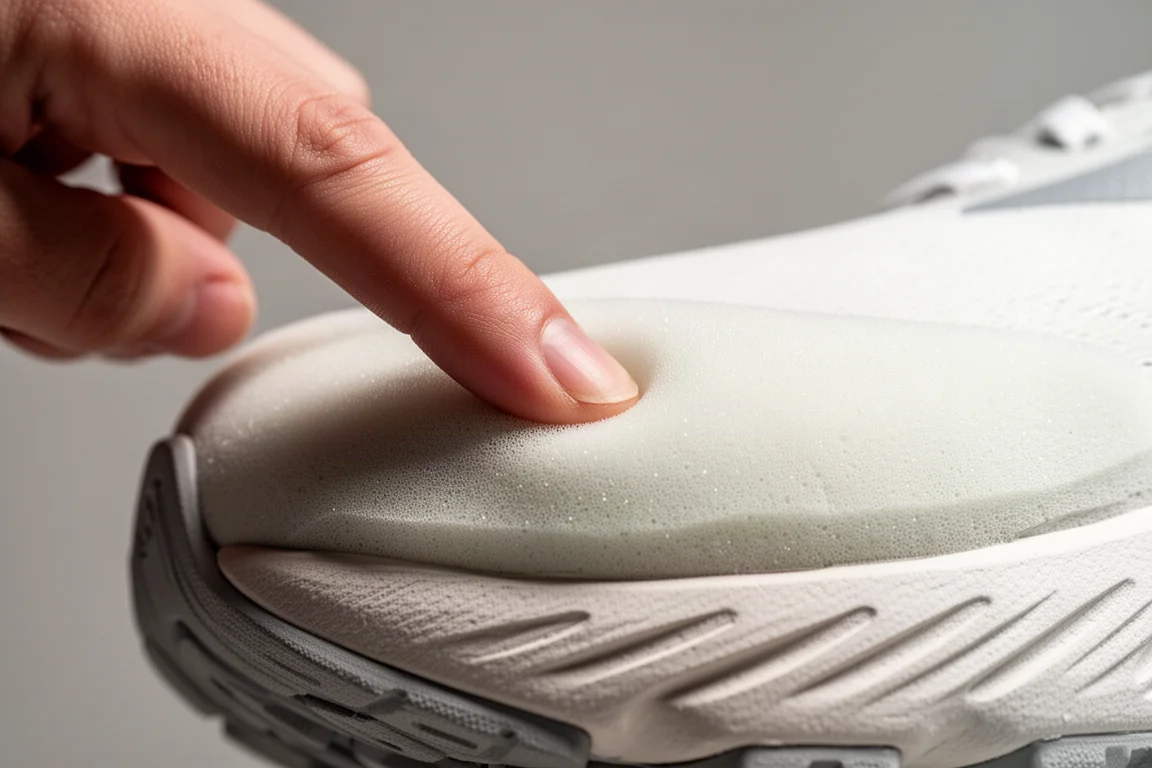
The midsole and insole both use PWRRUN+ foam, a TPU blend with a slightly aerated, softer character. It measures a Shore A durometer of 28, which is bang on the average of midsoles tested over the years. The result is a good balance of response and cushioning: not the softest ride available, but reliable and predictable, with impact protection in the vein of a softer premium trainer at a lower price.
This is not a major departure from the foam in previous Ride and Triumph models, and that is fine. Daily drivers should be reliable, consistent, and durable enough to absorb pounding well past 100 miles, and PWRRUN+ delivers on that brief. The shoe is about shock absorption over out-and-out bounce.
Outsole and Grip
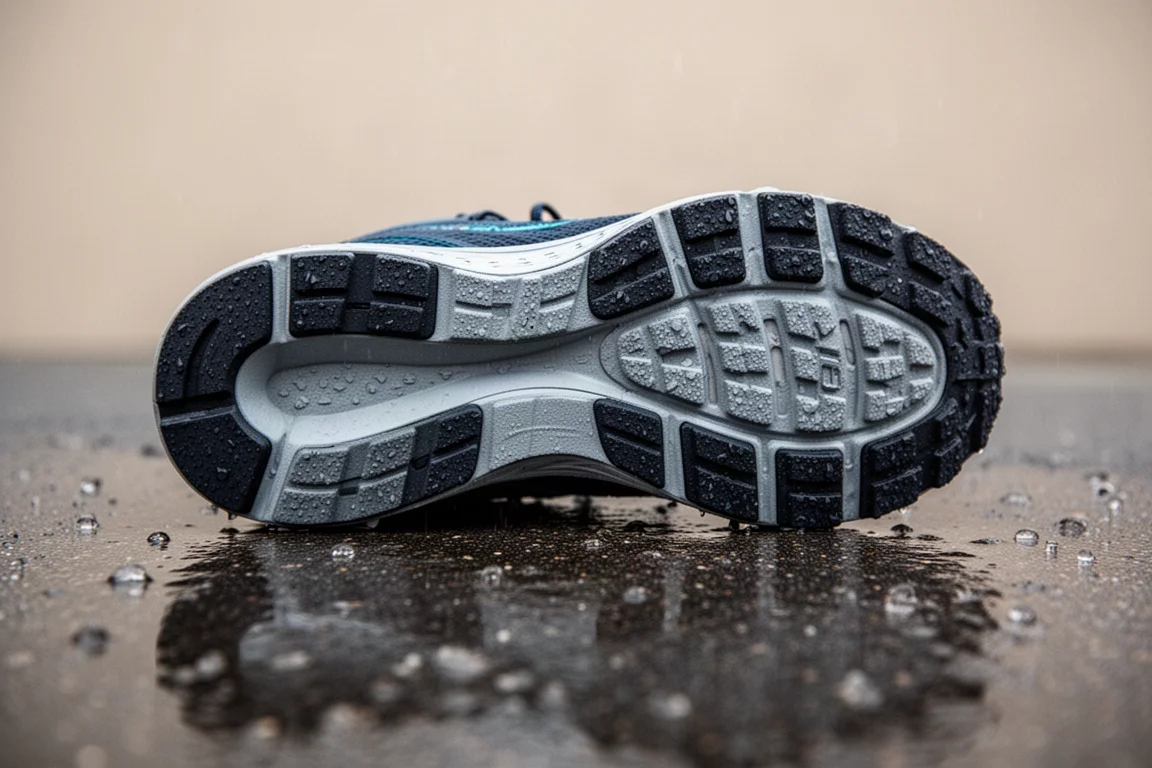
The XT-900 rubber is tough, with a durometer around 70, and it has a strong track record in other Saucony shoes. Its coarse, tactile texture enhances grip on road, pavement, and concrete, and it held up well in wet conditions too, outgripping smoother outsoles like the Evo SL on slicker surfaces.
One flaw: paint on the exposed midsole areas, particularly the lateral heel and forefoot, began peeling early in testing. The rubber sits too flush with the midsole, so the exposed foam takes the punishment. Gravel or trail use is not recommended, as the midsole would get chewed up quickly. Durability needs monitoring.
Things to Consider Before Buying
The midsole paint peeling on exposed foam is the main early durability concern. The elasticated laces and higher lace placement may bother some runners, and narrow-footed buyers may find lockdown tricky despite the roomy toe box. Priced at around £130 in the UK, it competes directly with the Pegasus 41, adidas Nova Blast 5, and Puma Velocity Nitro 3. Some may prefer the softer, bouncier Nova Blast 5, though that softer ride can be hard on the ankles after five or six miles for some runners. If you want absolute consistency, the Ride 18 wins on that front.
Buying Advice
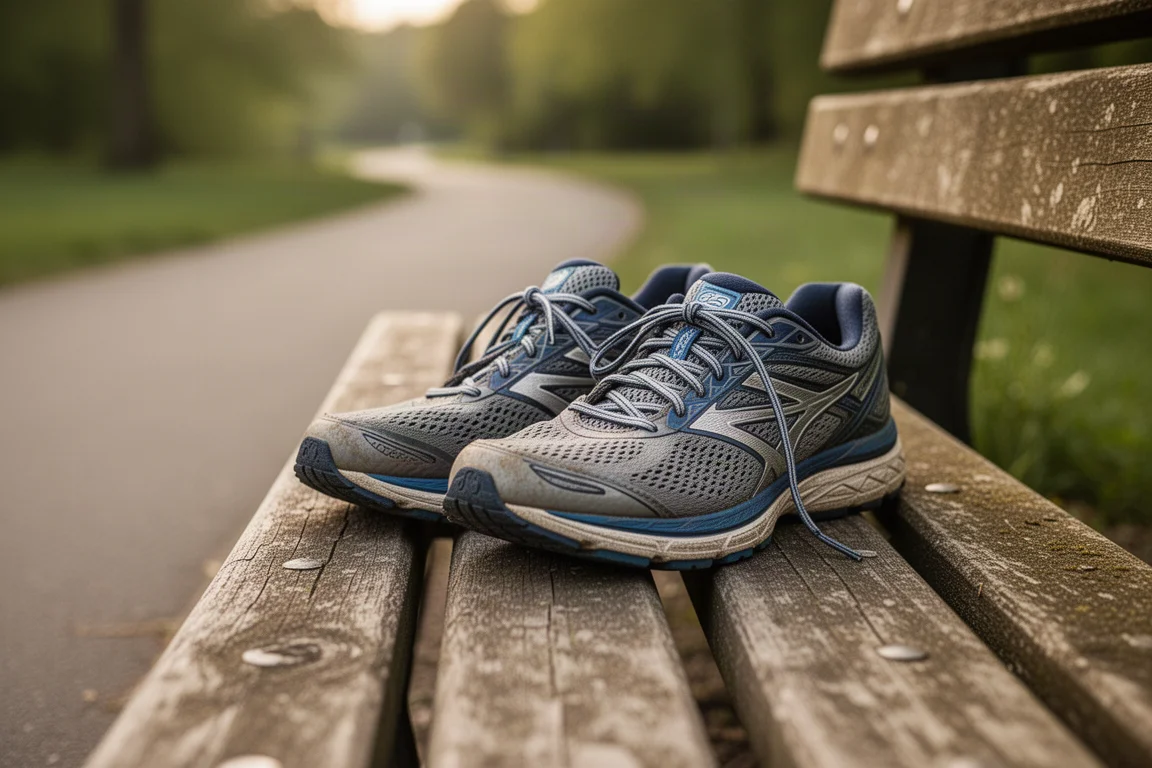
The Ride 18 makes sense for runners who want one shoe that absorbs everyday miles without drama. It is a good alternative if you prefer a traditional trainer feel over plated hybrid shoes like the Zoom Fly 6 or Endorphin Speed 4, which cost considerably more. Build quality is excellent out of the box, with careful stitching and solid assembly throughout. If your rotation needs a steady easy-day cruiser rather than a tempo weapon, this fits the bill.
Conclusion
The Saucony Ride 18 does not reinvent anything, and that is largely the point. With slightly reduced weight, proven PWRRUN+ cushioning, dependable grip, and honest pricing, it remains one of the more trustworthy mid-priced daily trainers available. Check your lacing preferences and foot shape before buying, but for steady mileage, it is easy to recommend.
Product link
View more details for Saucony Ride 18
This product is mentioned in the review. Check the specifications, options, and compatibility before buying.
View more details for Saucony Ride 18Further reading
Related Reviews

Running Shoes
Best Road-to-Trail Running Shoes: Three Versatile Options for Mixed Terrain
A practical guide to three road-to-trail running shoes that handle both pavement and mild trails, with clear strengths and trade-offs for different runner types.

Running Shoes
Best Running Shoes for Achilles Tendonitis: Three Options Explained
Three running shoes with different heel drops and support features designed to help reduce Achilles tendon pain during walking and running.

Running Shoes
Best Running Shoes for Women: Five Top Choices Ranked
A ranked guide to five women's running shoes, from versatile daily trainers to high-performance racing options, with real strengths and trade-offs for each.