Running Shoes
Saucony Ride 17 vs Triumph 21: Which Everyday Trainer Should You Buy?
Two Saucony trainers with nearly identical specs but very different rides. Here is how to choose between them.
Introduction
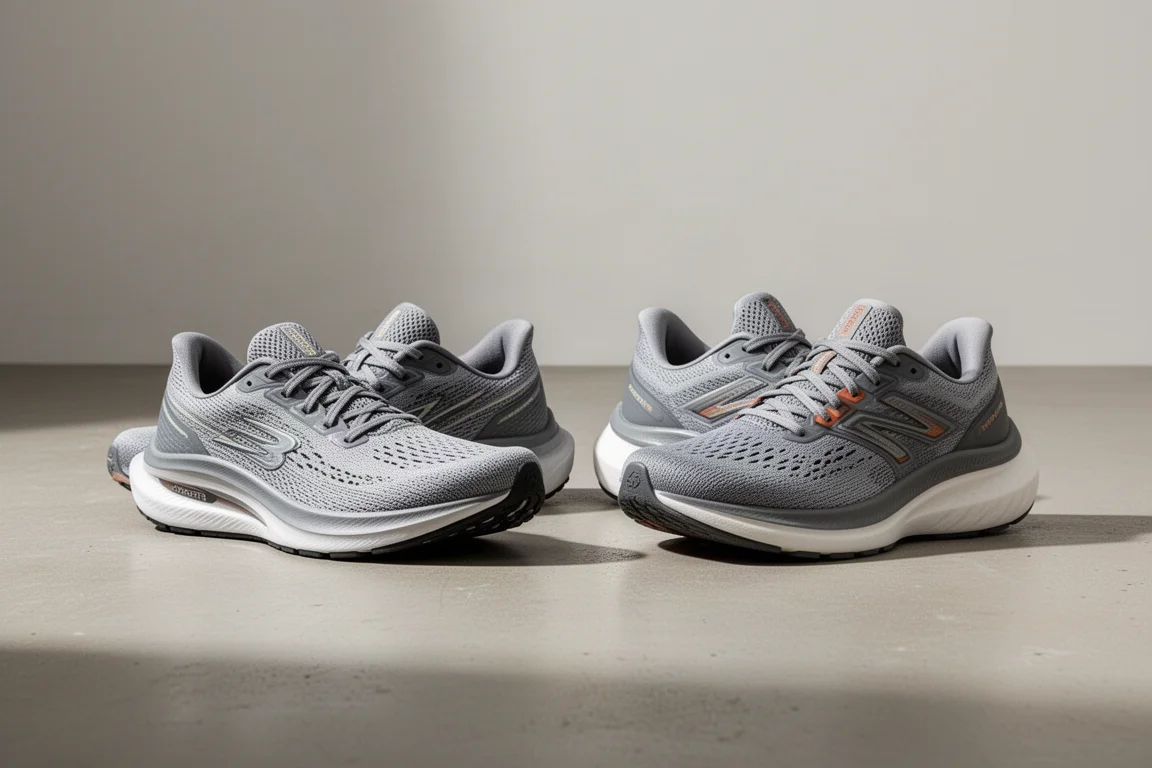
The Saucony Ride 17 and Saucony Triumph 21 look like two versions of the same idea, and after the Ride 17’s midsole update they are closer than ever. Same midsole family, nearly identical weights, and very similar stack heights. So how do you choose? The differences that remain are in ride feel, fit, and price, and those differences matter more than the spec sheet suggests.
How the Specs Compare
On paper, these two are almost twins. The Ride 17 comes in at 9.9 oz for a men’s size 9, with the Triumph 21 at 9.8 oz in the same size. Women’s weights sit at 8.4 oz (size 8) for the Ride 17 and 8.8 oz (size 8) for the Triumph 21.
Stack heights are close too: the Ride 17 runs a 35 mm heel, 27.4 mm forefoot for an 8 mm drop, while the Triumph 21 stacks a 37 mm heel over a 27.4 mm forefoot for a 10 mm drop. With setups this similar, the real decision comes down to how each shoe rides and fits.
Ride 17: The Uptempo Do-It-All Option
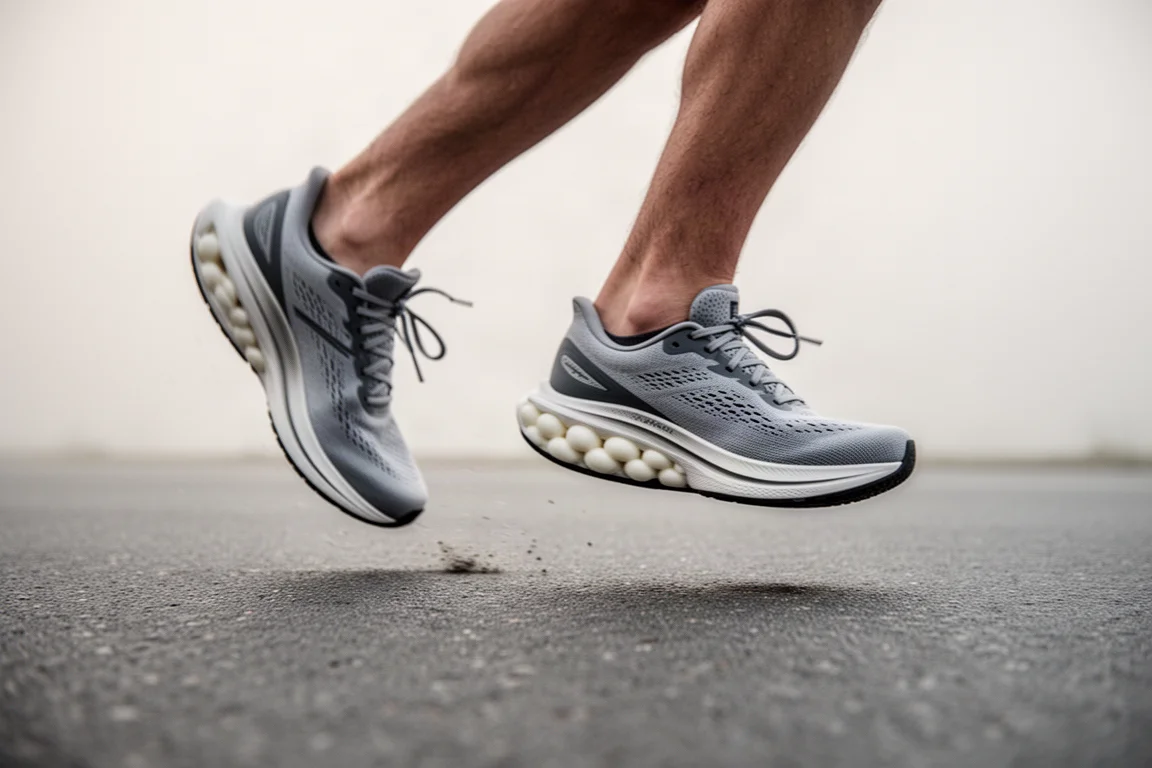
The Ride 17 with the PWRRUN+ midsole feels best described as an uptempo trainer. The bounce is slightly firmer than the Triumph 21, which pays off when you want to move at a good pace, run a fartlek, or slot in a workout. Getting up on your toes and rolling forward feels smooth and responsive.
One nuance worth knowing: the heel has a slight medial bias, so landings on the rear foot do not feel quite as refined. The forefoot and midfoot, however, are genuinely smooth. If your runs tend to include some quicker segments, this firmer character works in your favor, and the shoe continues to improve as it breaks in.
Triumph 21: The Plush Everyday Cruiser
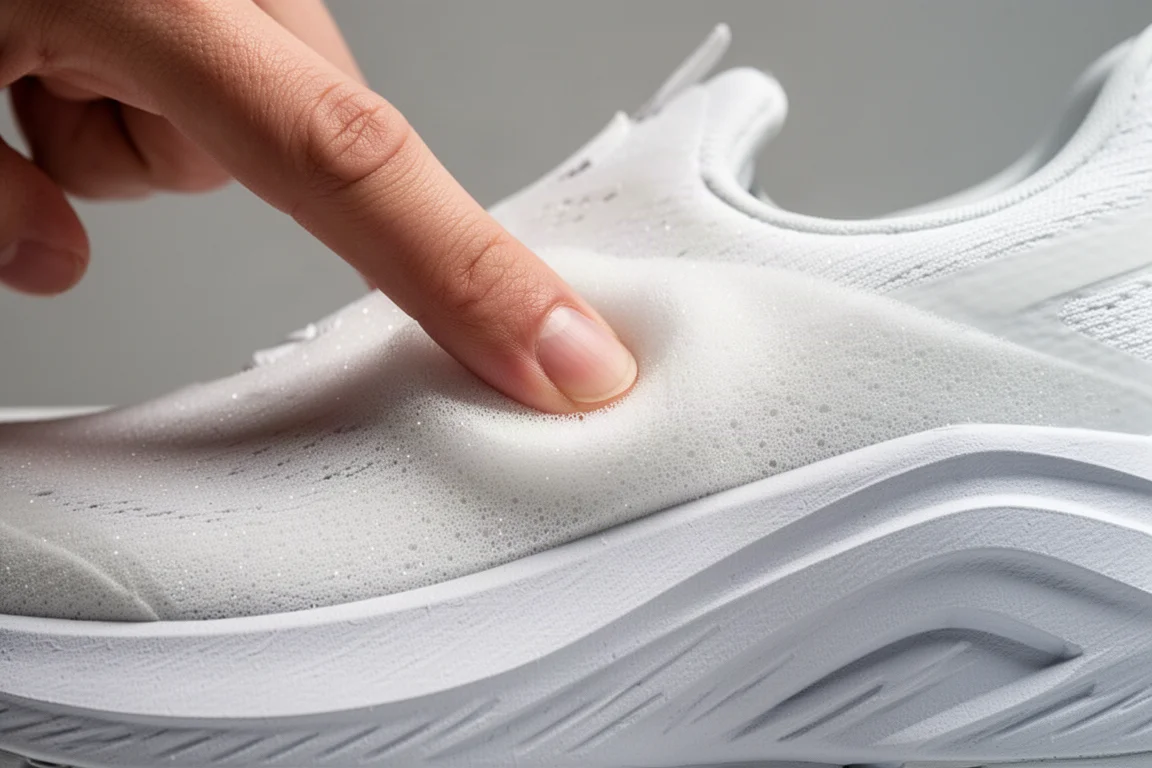
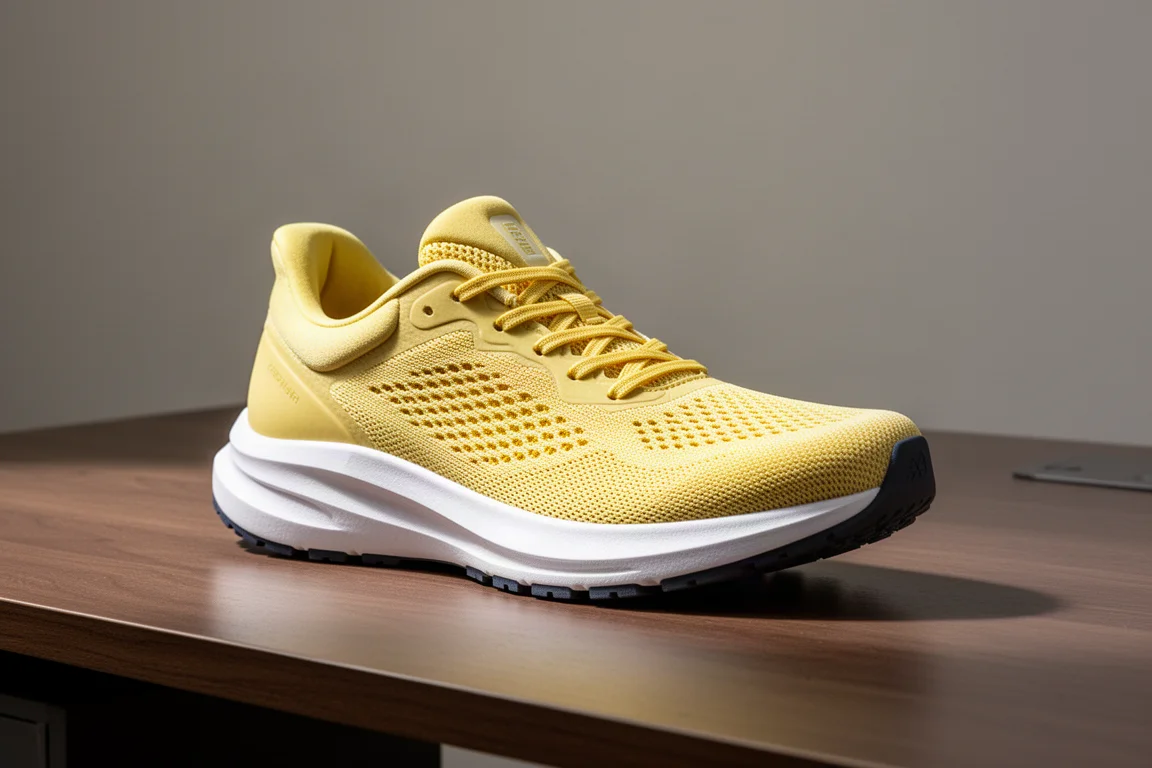
Despite sharing the same midsole family, the Triumph 21 feels a touch softer. The heel transition is more centered with a larger bevel, so even when you land on your rear foot, the roll through the stride feels smooth and unhurried.
It can still pick up the pace when needed, but its natural habitat is the relaxed, comfortable daily run. If easier miles make up the bulk of your week and you want the more premium-feeling ride of the two, the Triumph 21 is the one that leans that way.
Fit and Comfort: Where They Really Diverge
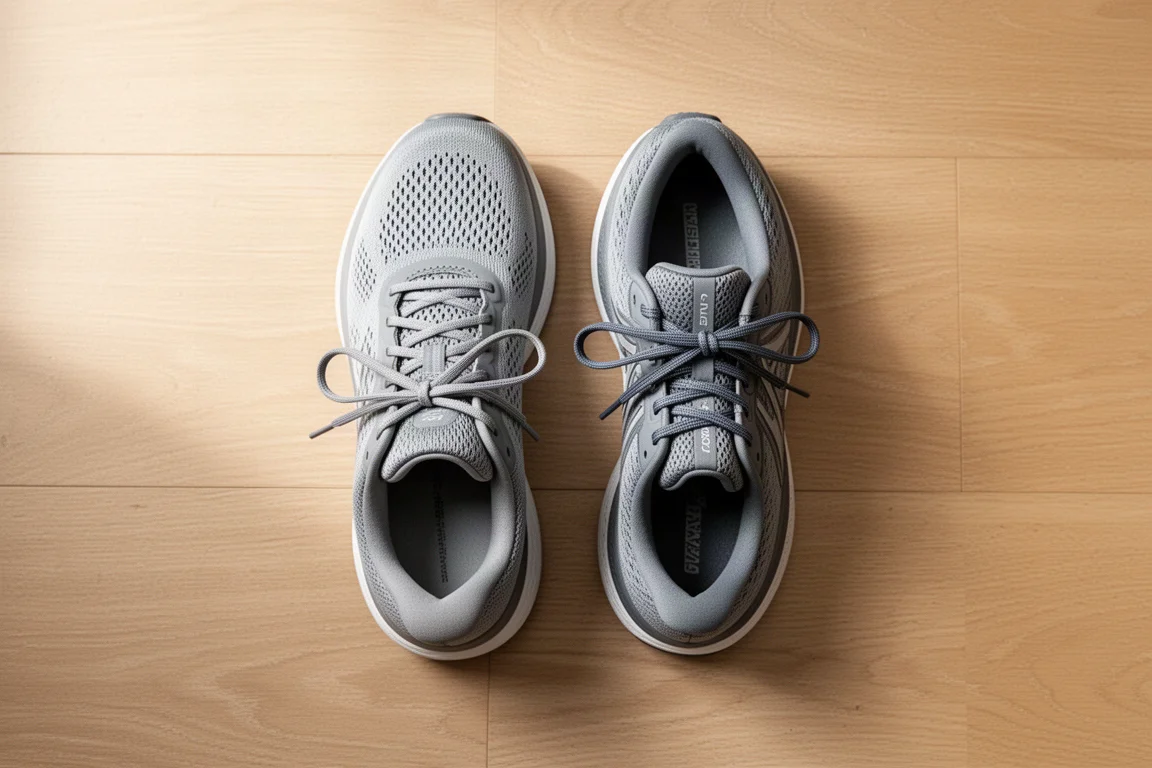
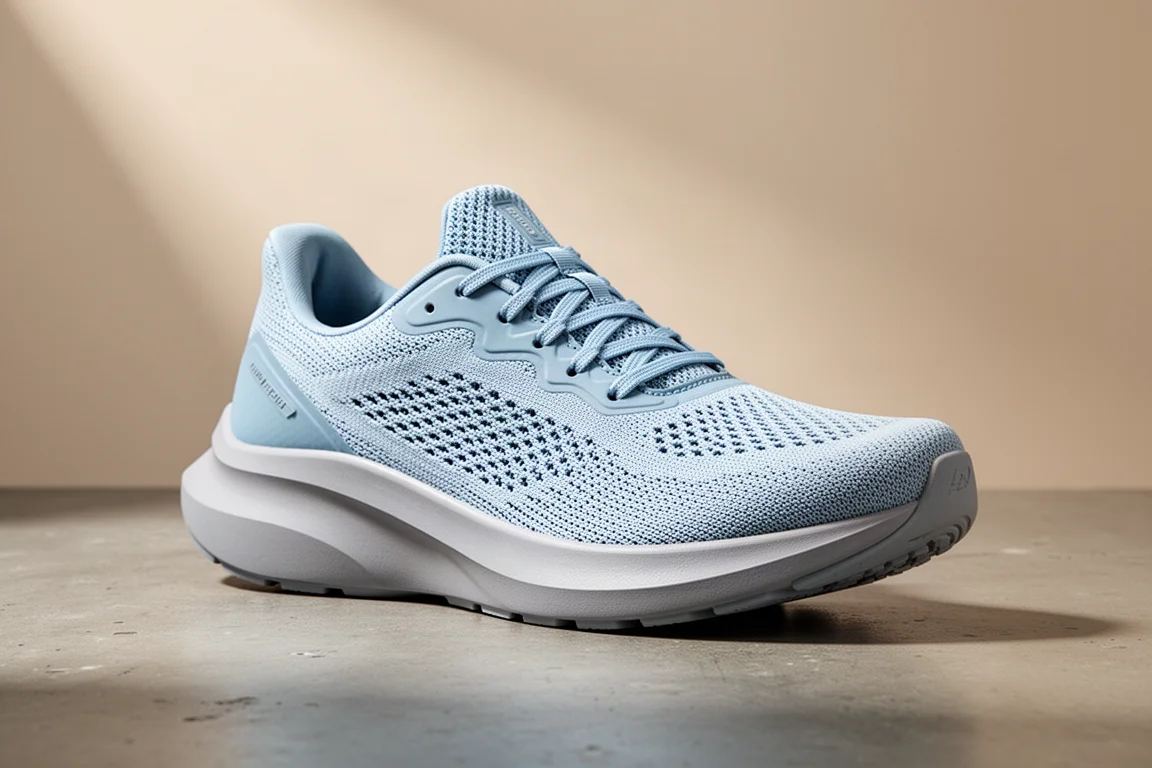
This is where choosing gets easier. The Ride 17 has a fairly normal, secure fit with a bit of stretch in the upper, no lace-locking or over-tightening required. The heel counter is more rounded and, for many testers, the more comfortable of the two.
The Triumph 21 offers noticeably more room, especially through the forefoot and midfoot. That generosity means you will likely need to cinch the laces down to lock the shoe in place. Its heel counter also feels stiffer and can dig into the heel for some runners, though it settles in fine over time.
Durability
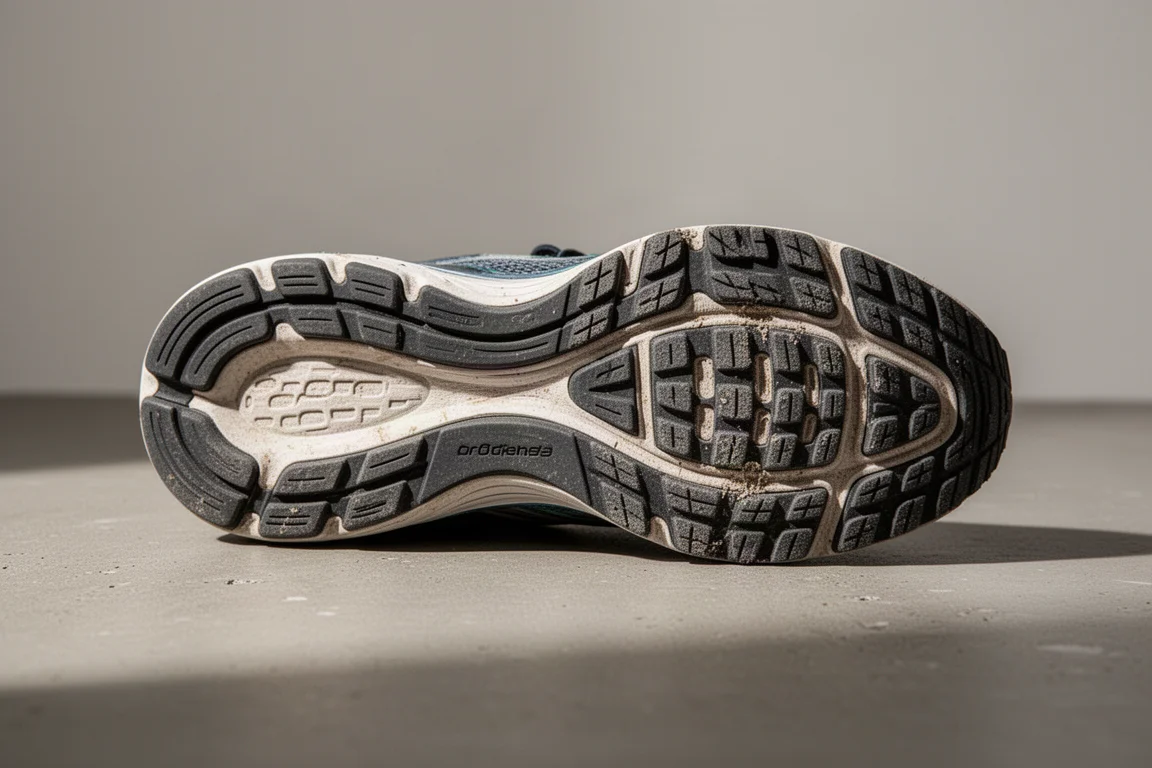
Outsoles on both shoes are quite similar and both are extremely durable. The Triumph 21 has held up great through around 300 miles of testing with no real wear showing, in line with previous versions, and the Ride 17 is doing absolutely fine at around 35 miles in with no wear spots either. Whichever you pick, longevity is not the deciding factor here.
Which One Should You Buy?
Think of it this way. The Triumph 21 is the slightly more premium, easier-run shoe: softer underfoot, roomier in the upper, better for relaxed daily miles. The Ride 17 is the closer-to-do-it-all option, handling both workouts and easier runs once it breaks in, and it comes in at a friendlier price point.
There is also a practical note for timing: photos of the next Triumph version suggest the ride will be updated further, which should widen the gap between the two lines going forward. For now, the choice comes down to ride feel and fit rather than specs.
Conclusion
Both shoes are durable, closely matched in weight and stack, and built on the same midsole platform. Pick the Ride 17 if you want a firmer, versatile trainer that can handle quicker running at a lower price. Pick the Triumph 21 if you want a plusher, roomier shoe for premium-feeling easy miles. Neither is a bad choice; the better one is simply the one that matches how you actually run.
Further reading
Related Reviews

Running Shoes
Best Road-to-Trail Running Shoes: Three Versatile Options for Mixed Terrain
A practical guide to three road-to-trail running shoes that handle both pavement and mild trails, with clear strengths and trade-offs for different runner types.

Running Shoes
Best Running Shoes for Achilles Tendonitis: Three Options Explained
Three running shoes with different heel drops and support features designed to help reduce Achilles tendon pain during walking and running.

Running Shoes
Best Running Shoes for Women: Five Top Choices Ranked
A ranked guide to five women's running shoes, from versatile daily trainers to high-performance racing options, with real strengths and trade-offs for each.