Running Shoes
Saucony Ride 17 vs Ride 16: What Changed in Saucony's Neutral Daily Trainer
A head-to-head look at Saucony's neutral daily trainer, comparing the updated Ride 17 against the Ride 16 on weight, upper fit, and midsole feel.
Introduction
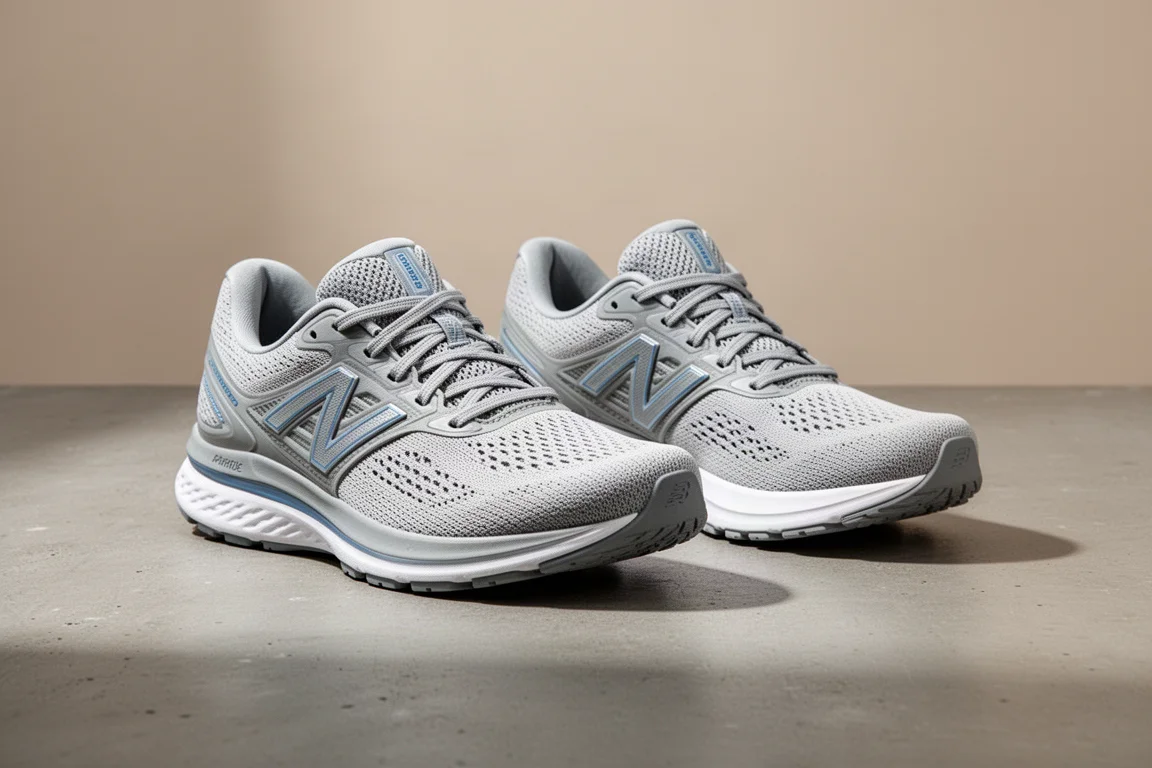
Saucony’s Ride line is the brand’s neutral daily training shoe, and the Ride 17 arrives with some of the biggest updates the series has seen in a while. The headline change is the midsole: the Ride 17 moves from standard PWRRUN foam to PWRRUN Plus, the premium compound previously reserved for the Triumph line. That single switch shapes most of the differences between these two models, though the upper gets a refresh as well.
This comparison looks at how the two shoes stack up across specs, fit, and ride feel, and helps you decide whether the newer model is worth the upgrade or whether the Ride 16 still makes sense at its current pricing.
Specs: Side by Side
On paper, the two shoes are very similar. Both carry a 35 mm heel stack, a 27 mm forefoot stack, and an 8 mm drop. Both sit in the 9 oz range, but the Ride 16 is the lighter of the pair at 9.1 oz in a men’s size 9, while the Ride 17 comes in at 9.9 oz. In grams, that is 282 g for the Ride 17 versus 258 g for the Ride 16. The women’s sizes follow the same pattern: a women’s size 8 measures 8.4 oz (238 g) in the Ride 17 against 7.8 oz (221 g) in the Ride 16.
So the Ride 17 gained a little weight, roughly 0.8 oz in a men’s size 9. In practice, that gain is not particularly noticeable once the pace picks up, as the livelier midsole more than makes up for it.
Upper: Softer and More Plush
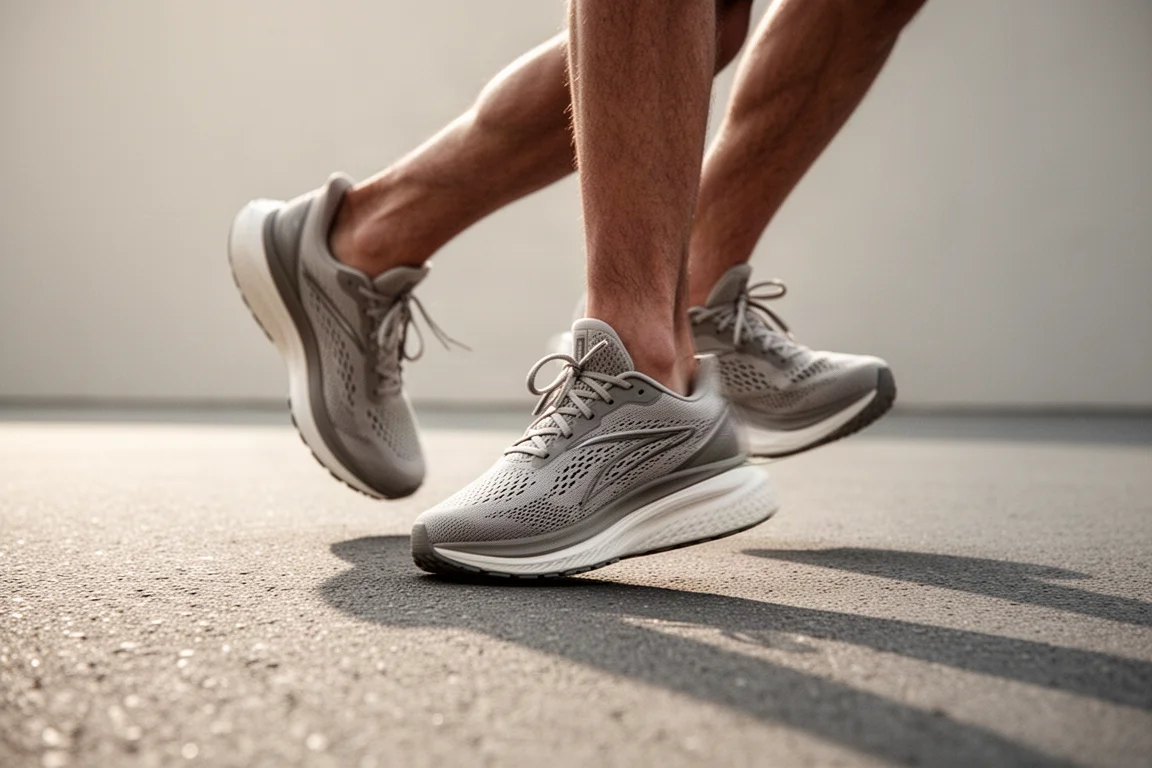
The Ride 17’s engineered mesh upper feels noticeably softer and more plush than the Ride 16’s. There is also a bit more volume in the forefoot and across the top of the foot through the lacing system. That is a welcome change, because the Ride 16 had a fairly tight lockdown with a performance-oriented snug feel. Padding around the tongue and heel collar feels similar between the two, with the Ride 17’s heel collar simply feeling a touch plusher since it is newer.
Width accommodation checks out as before: a normal to slightly narrow heel, a normal midfoot, and a slightly wide forefoot. The toe box was wide for its time, though plenty of wide toe box shoes have since arrived on the market, so it now reads as fairly normal.
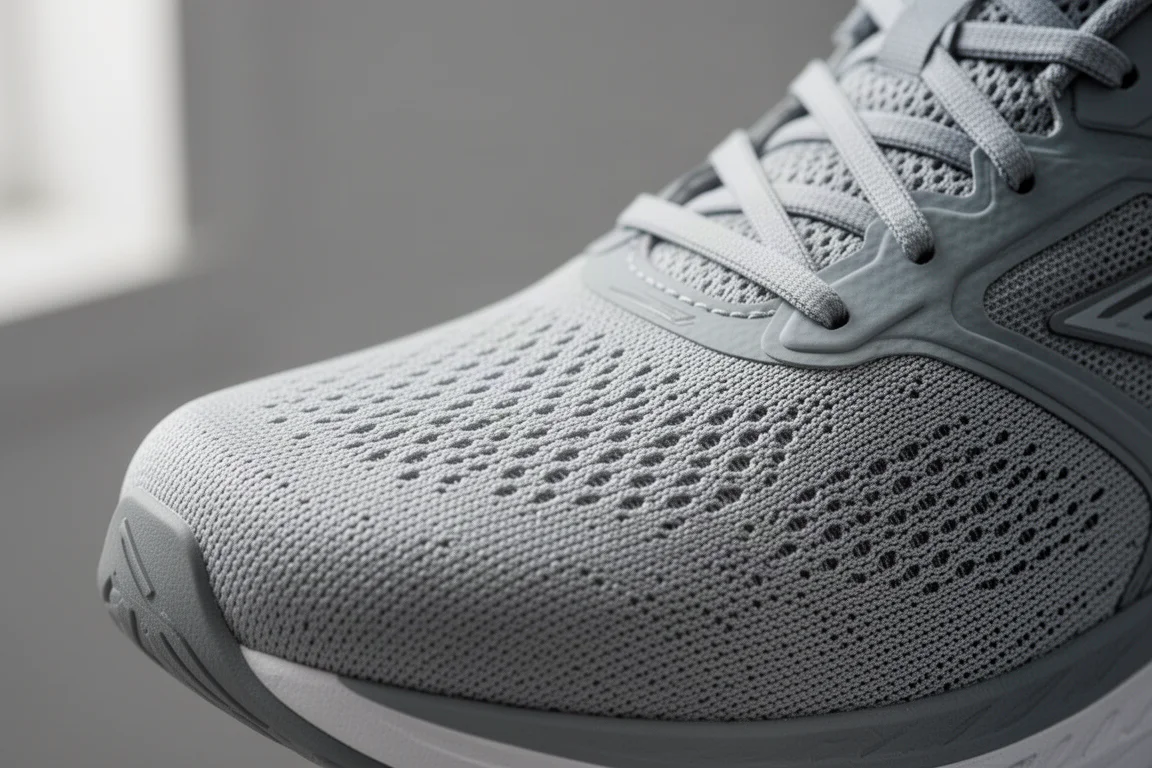
Lockdown remains solid on both shoes, with no slippage or translation reported. One new detail in the Ride 17 is a firmer, slightly plasticky wrap on the medial and lateral sides, integrated with the lacing system. It holds the foot a little better and subjectively seemed to help with side-to-side hold, even if that kind of benefit is hard to quantify. Overall, the Ride 17 delivers a more comfortable upper without sacrificing lockdown.
Midsole: PWRRUN to PWRRUN Plus
This is where the shoes diverge most. Both use a PWRRUN Plus sock liner, but the Ride 16 sits on the standard PWRRUN EVA midsole, while the Ride 17 carries PWRRUN Plus, the softer premium foam from the Triumph line. Pressing into the Ride 17’s midsole reveals far more give; the Ride 16’s foam is clearly firmer.
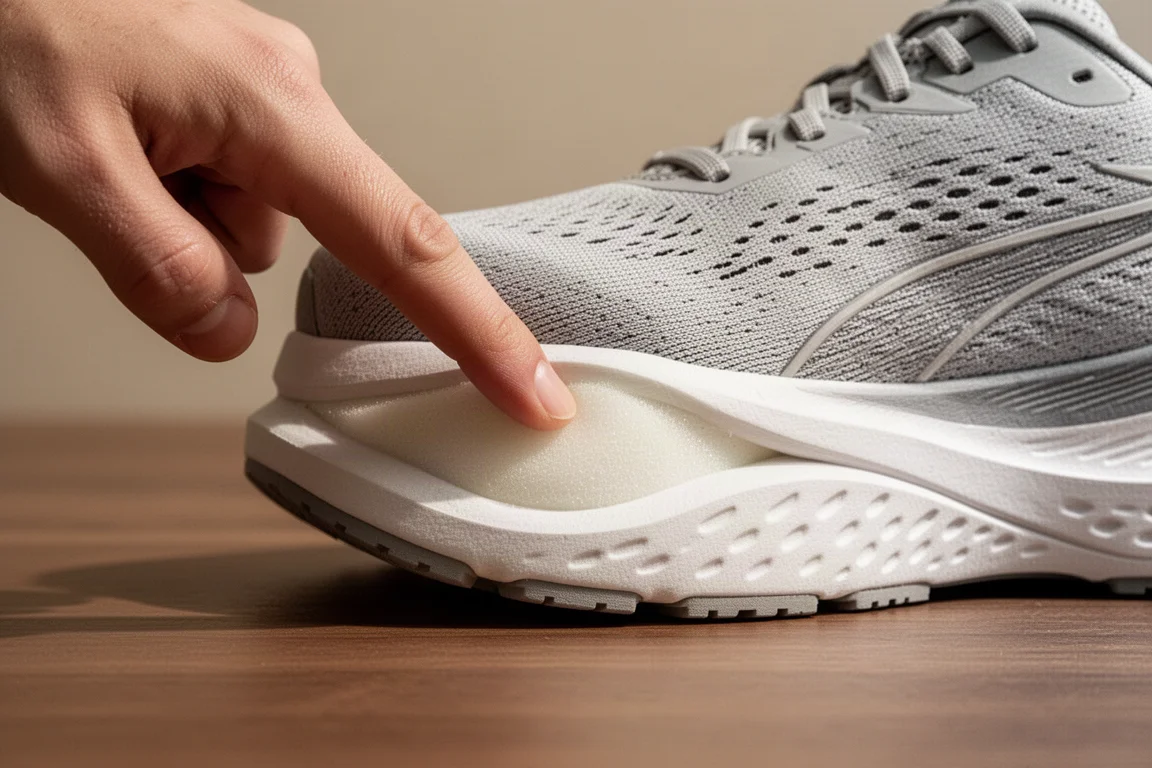
Interestingly, the on-road ride does not feel dramatically different. The Ride 17’s much thicker, very grippy outsole firms up the experience somewhat, so it never feels like a marshmallow-soft platform despite the noticeably softer foam under thumb pressure.
Ride Feel and Performance
The overall ride stays recognizably Saucony Ride. The heel bevel and toe spring are similar between the two versions, and sole flaring feels slightly more pronounced in the Ride 17, which tracks with the softer foam.
The biggest ride difference is firmness and bounce. The PWRRUN Plus midsole has more give on landing, so there is less of the slappy, firm impact you get from PWRRUN. Through the heel and midfoot the Ride 17 can feel a touch slower and less snappy, but the forefoot is far more bouncy and lively. That makes strides and quicker running feel genuinely good, a quality not previously associated with this foam in the Triumph series.

The Ride 17 remains a neutral workhorse trainer built for logging big miles. It trades away some of the snappy heel feel of the Ride 16 but returns a bouncier, more cushioned ride, and the modest weight gain does not hinder faster running.
Which One Should You Buy?
If you want the most comfortable, bounciest version of the Ride and do not mind a small weight penalty, the Ride 17 is the clear pick. Its softer PWRRUN Plus midsole, plusher upper, and thicker grippy outsole make it a strong daily trainer for high mileage and even quicker days.
If you prefer a firmer, snappier feel and a lighter shoe, and you can still find it in your size, the Ride 16 remains a solid option and may be available at a discount now that the newer model has arrived.
Conclusion
The Ride 17 earns its update. The move to PWRRUN Plus gives it a softer landing and a lively forefoot, the upper gains comfort without losing lockdown, and the added weight is easy to forgive. The Ride 16 stays relevant for runners who liked its firmer, lighter character, but for most daily training, the Ride 17 is the better all-around shoe.
Product link
View more details for Saucony Ride 17
This product is mentioned in the review. Check the specifications, options, and compatibility before buying.
View more details for Saucony Ride 17Further reading
Related Reviews

Running Shoes
Best Road-to-Trail Running Shoes: Three Versatile Options for Mixed Terrain
A practical guide to three road-to-trail running shoes that handle both pavement and mild trails, with clear strengths and trade-offs for different runner types.

Running Shoes
Best Running Shoes for Achilles Tendonitis: Three Options Explained
Three running shoes with different heel drops and support features designed to help reduce Achilles tendon pain during walking and running.

Running Shoes
Best Running Shoes for Women: Five Top Choices Ranked
A ranked guide to five women's running shoes, from versatile daily trainers to high-performance racing options, with real strengths and trade-offs for each.