Running Shoes
Saucony Ride 17 vs Hoka Mach X: Two Daily Trainers, One Clear Value Pick
A cushioned daily workhorse goes up against a plate-equipped racy trainer. Here is how the Saucony Ride 17 and Hoka Mach X compare on ride, fit, grip, and price.
Introduction
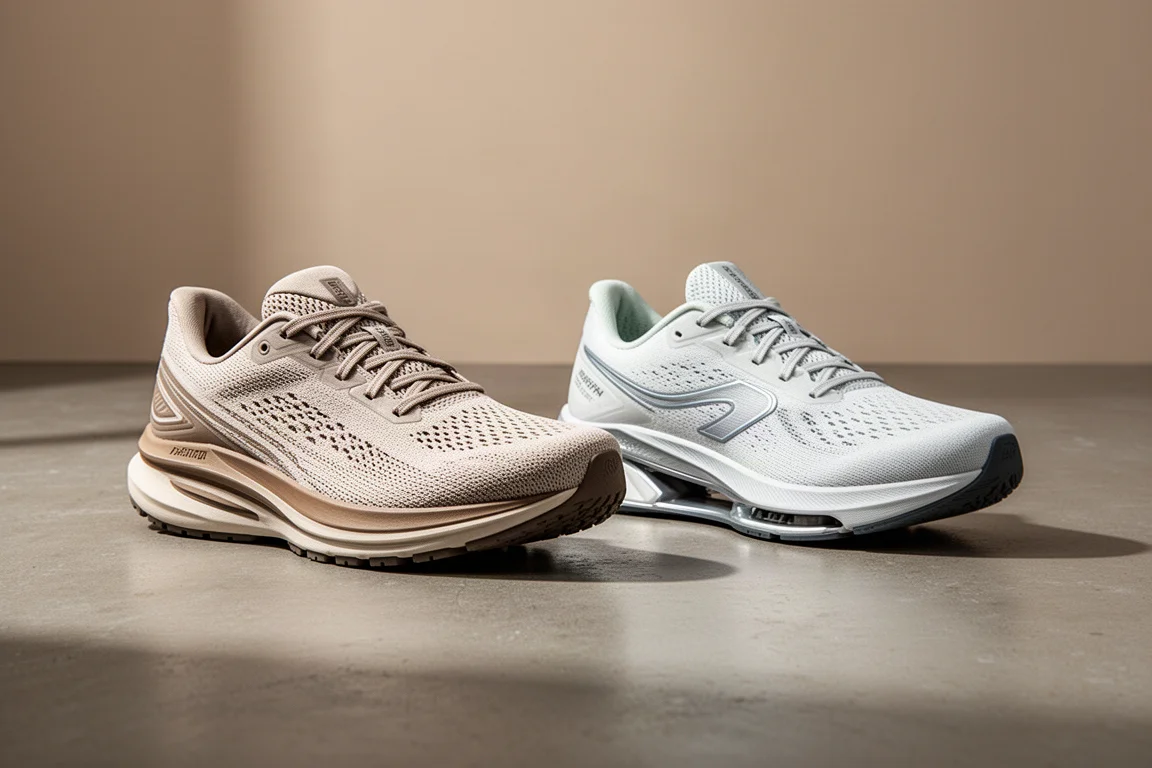
The Saucony Ride 17 and the Hoka Mach X both sit in that appealing middle ground: capable daily trainers that can stretch well beyond easy miles. On paper they look similar, and after plenty of testing across easy runs, intervals, long runs, and a side-by-side comparison, the surprise is how much crossover there really is between them.
The differences that matter come down to ride feel, fit, and price. Here is how they break down.
The Specs at a Glance
| Saucony Ride 17 | Hoka Mach X | |
|---|---|---|
| Price | £135 / $140 | £160 / $180 |
| Weight (men’s UK 8) | 285 g / 10 oz | 242 g / 8.5 oz |
| Drop | 8 mm | 5 mm |
The Mach X is the lighter shoe with a lower drop, while the Ride 17 undercuts it noticeably on price. Those numbers set the tone for everything that follows.
Saucony Ride 17: A Daily Trainer That Got Much Better
The Ride 17 gets a big update in the form of the PWRRUN+ midsole, the same foam used in the Triumph 21. That change transforms the experience of running in the Ride, delivering more cushioning, better energy return, and a smoother transition from heel to toe.
The foam is well balanced. It offers a little compression rather than lots of bounce, but it helps you hold a consistent pace and gives a modest amount of energy back. The midsole is slightly firmer than the Triumph, which adds a touch of responsiveness, and the overall feel is stable and secure underfoot.
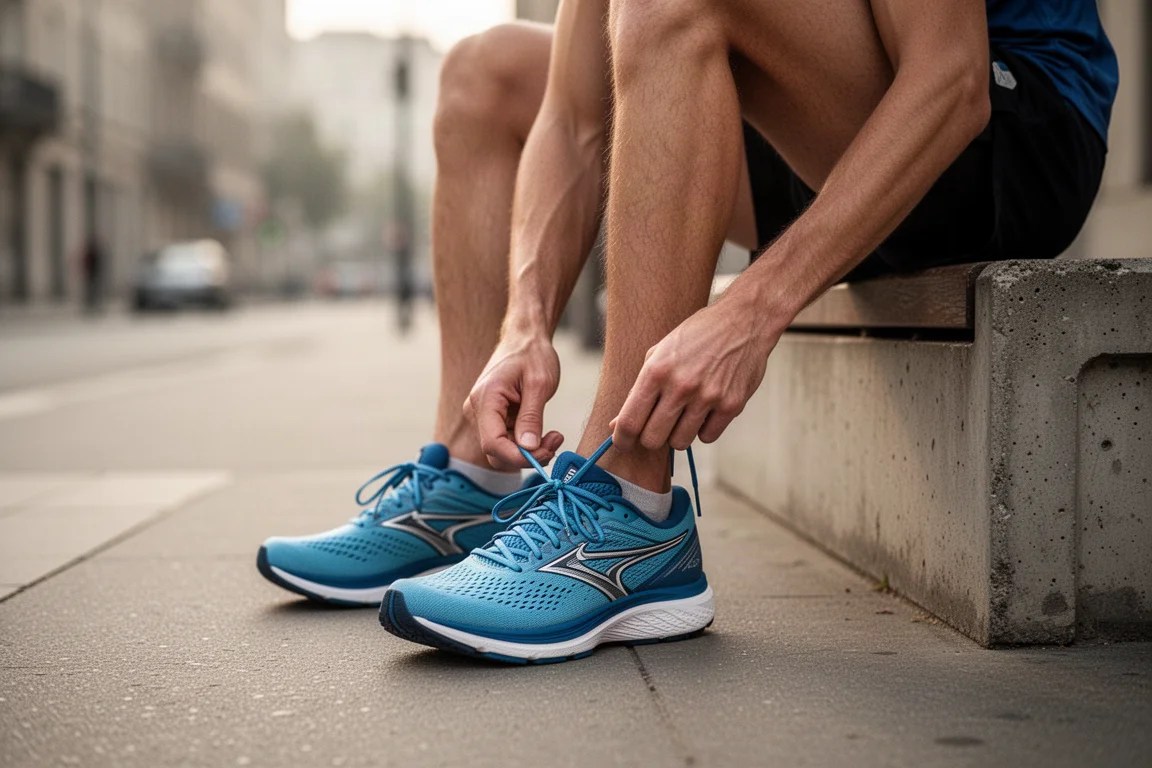
The upper gets an upgrade too, with a new engineered mesh design for breathability and a 360-degree fit that locks the foot down without pinching. Fit is roomy but not baggy, with good heel hold and solid midfoot lockdown. There is enough flex and wiggle room in the toe box to make it a genuine option for longer runs. Stick to your usual size; the forefoot is slightly narrower than some shoes, but there is plenty of space ahead of the big toe for average-width feet.
Earlier Ride models were fine but unexciting, with midsole foam that offered little bounce or response. The PWRRUN+ changes that story completely. It feels natural straight out of the box and easy to run in over any distance, with disappearing comfort that balances cushioned landings with rolling response.
Hoka Mach X: A Plate in a Daily Trainer
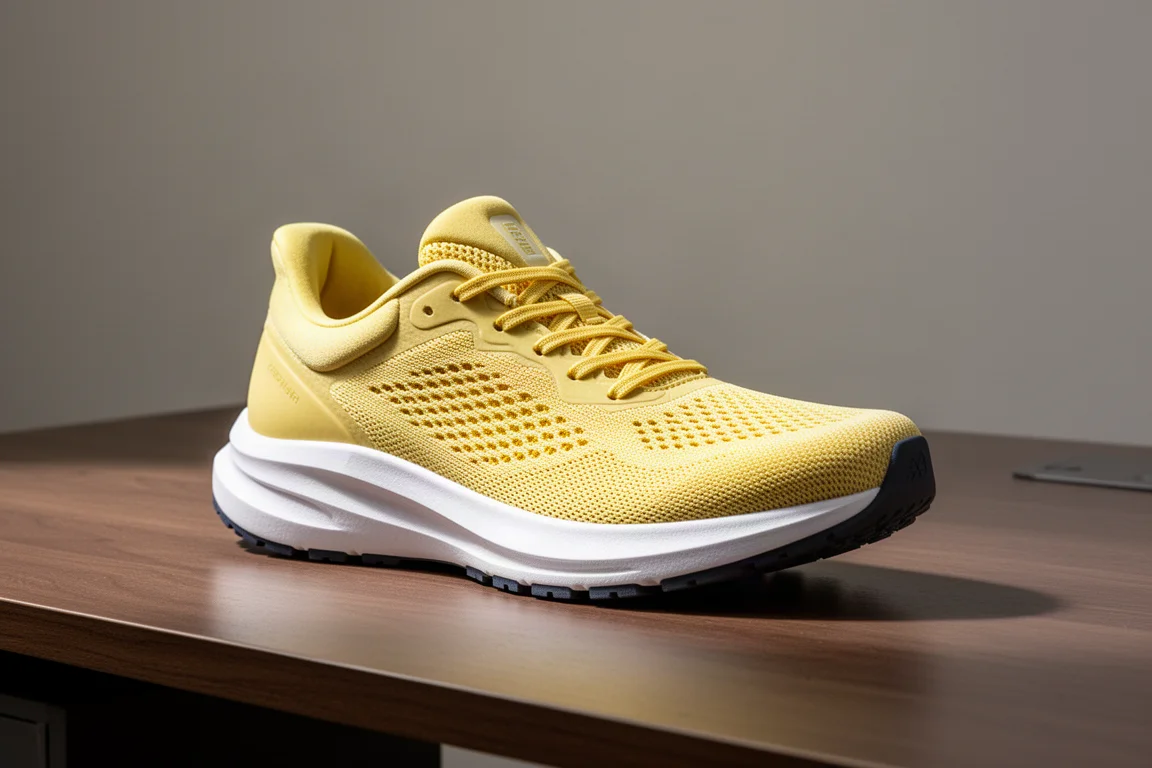
The Mach X was one of the most anticipated Hoka releases in a while. The idea is simple: take the learnings from the impressively versatile Mach range and add a propulsive plate. That plate sits between two foam layers, EVA for a supportive ride and a new Pebax section for responsiveness and rebound. The combination is meant to feel soft on easy sessions while offering plenty of pop for faster efforts.
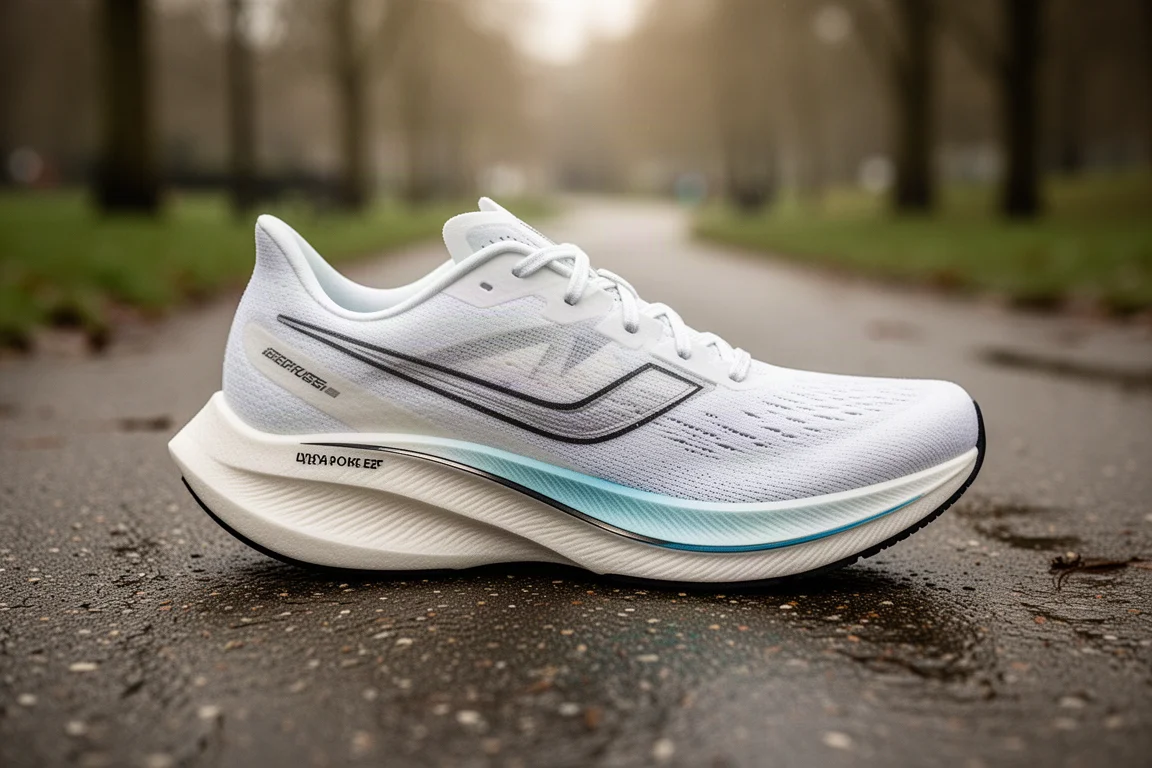
In practice, it does not fully deliver on the super-shoe hype. The Mach X is not a phenomenally fast training shoe; the plate adds some efficiency and a gentle rolling motion rather than a dramatic speed boost. It is a very solid daily shoe instead, comfortable over long training sessions and consistent at steady paces. Some runners even preferred the plateless Mach 5 for pure versatility.
The upper is a creel jacquard design for breathability and comfort, with a gusseted tongue and a generous layer of outsole rubber for grip and durability. Fit is where the Mach X diverges: like many Hokas, it runs narrow across the top of the midfoot and snug in the toe box, a dialed-in racer fit. Wide-footed runners may find it problematic on long efforts, and anyone planning runs over two hours might consider going half a size up.
How They Feel Side by Side
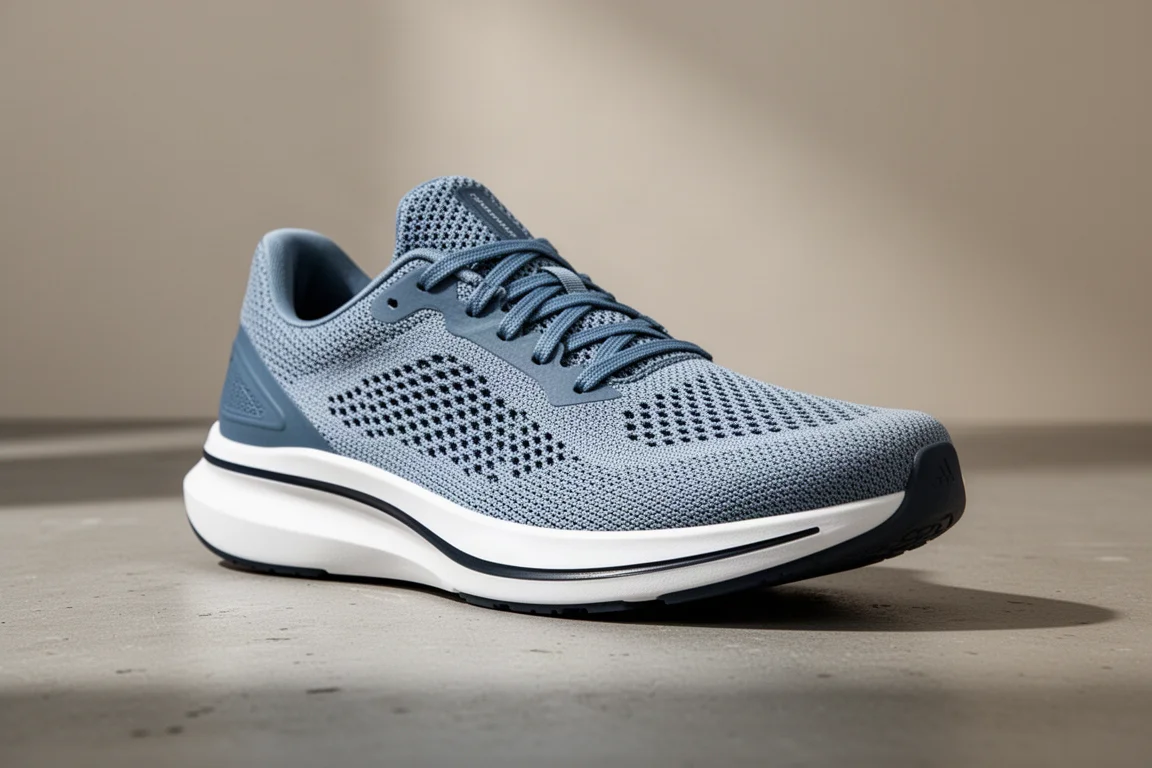
Wearing one shoe on each foot over a measured mile revealed something surprising: the two shoes feel remarkably similar underfoot. What was expected to be a light, racy shoe versus a mid-pace cushioned shoe turned out to be a much closer pairing than anticipated.

The differences that do show up are meaningful. The rocker is far more pronounced in the Mach X under the ball of the foot, encouraging a quicker roll through to the toe. The Ride 17 runs a little flatter, with a rocker that helps on easy miles but without the same aggressive clip.
The Mach X fits tighter and snugger, with the foot well held and cradled, and a slimmer platform that makes it feel more precise, nimble, and agile. The Ride 17 offers a wider platform with flared heel and forefoot, giving you more surface to land on and a more stable feel.
Outsole, Grip, and Durability
The Ride 17 has the better outsole of the two. A solid covering of rubber has handled very wet conditions without issue, gripping the ground confidently across varied road surfaces. The Mach X is okay, with no problems reported, but its outsole is a little smoother and simply not as good in the wet.
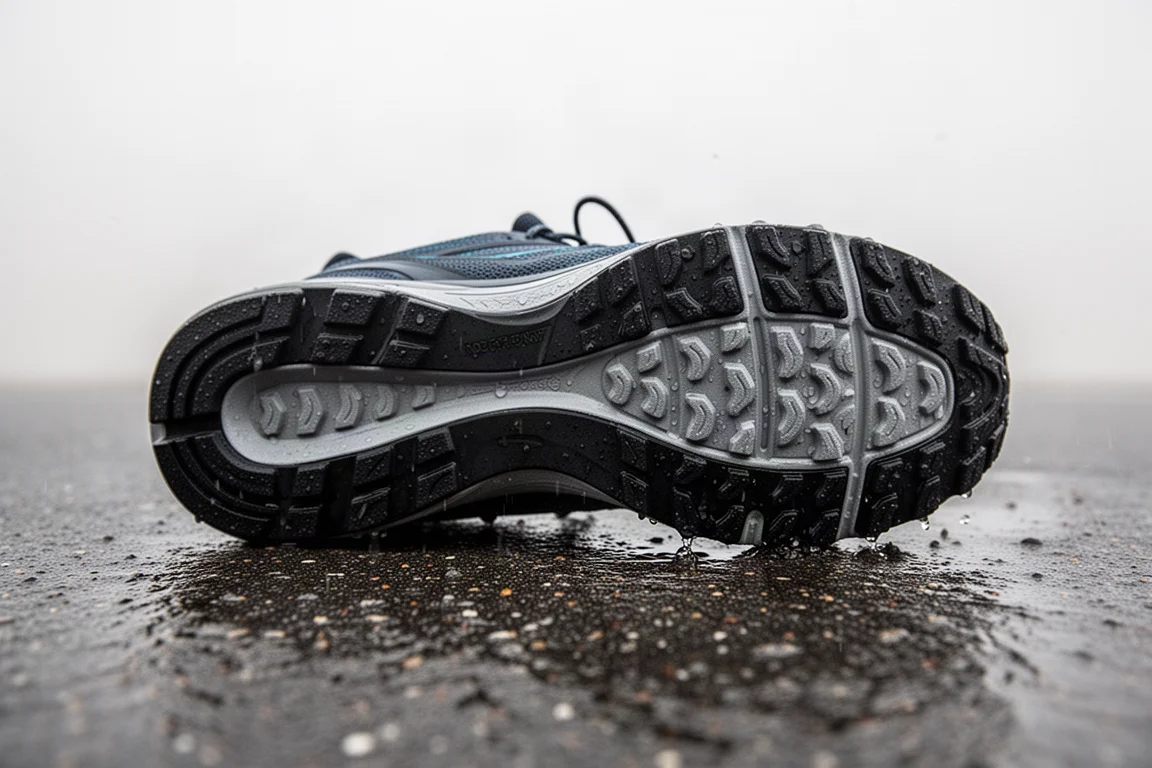
Both shoes protect their midsoles well, but if grip on wet roads matters to your training environment, the Ride 17 has a clear edge.
Which One Should You Buy?
Both are good, capable, versatile daily trainers, and there is arguably room for both in a rotation. But if you are choosing one, the decision is fairly straightforward:
- Choose the Ride 17 if your training skews toward easy and mid-pace miles, long runs, and marathon preparation. It covers more of your weekly miles, offers a roomier toe box for long-duration comfort, grips better in the wet, feels more stable, and costs significantly less.
- Choose the Mach X if you want something snappier and lighter that can even double as a race option. It is punchy and fun, better at the mid-to-faster end of the spectrum, and cushioned enough for longer runs.
For the typical 80/20 marathon training mix, the Ride 17 will handle most of your mileage at a lower price, making it the better value by a wide margin. The Mach X is the livelier pick, but it does not deliver enough extra for the premium.
Conclusion
The Saucony Ride 17 is a comfortable, stable, and now genuinely enjoyable workhorse that handles nearly everything the Mach X can, for less money. The Hoka Mach X remains a light, agile, and protective trainer with a racy edge, and it earns its place if speed matters more than savings. For most runners logging daily miles, though, the Ride 17 is the smarter buy.
Further reading
Related Reviews

Running Shoes
Best Road-to-Trail Running Shoes: Three Versatile Options for Mixed Terrain
A practical guide to three road-to-trail running shoes that handle both pavement and mild trails, with clear strengths and trade-offs for different runner types.

Running Shoes
Best Running Shoes for Achilles Tendonitis: Three Options Explained
Three running shoes with different heel drops and support features designed to help reduce Achilles tendon pain during walking and running.

Running Shoes
Best Running Shoes for Women: Five Top Choices Ranked
A ranked guide to five women's running shoes, from versatile daily trainers to high-performance racing options, with real strengths and trade-offs for each.