Running Shoes
Saucony Ride 17 Preview: A Ground-Up Redesign With a Softer Ride
The Saucony Ride 17 gets a complete redesign, switching from firm EVA to the bouncy PWRRUN+ foam and stepping into a new daily trainer segment.
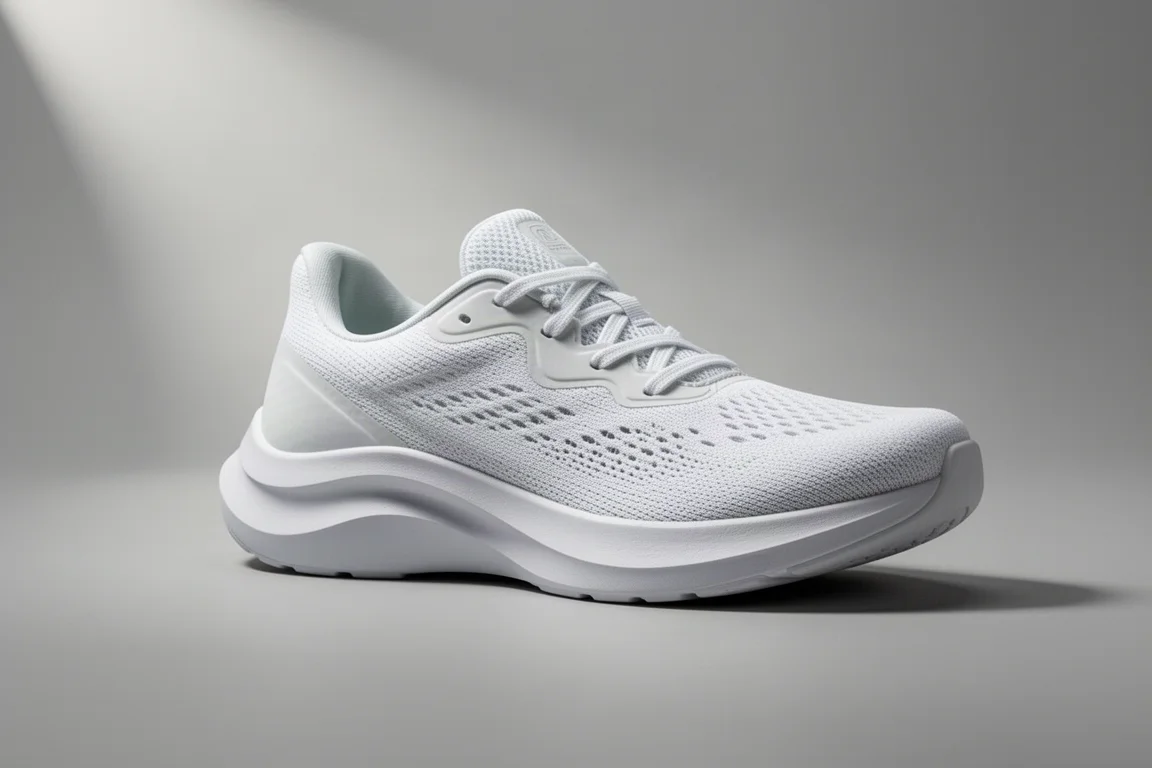
Introduction
The Saucony Ride 17 is shaping up to be much more than a routine refresh. After versions 15 and 16 stayed close to the same formula, this edition gets a redesign from the ground up, with changes to the midsole, the upper, and the overall design language. It also moves into softer, bouncier territory, which changes where it sits in the daily trainer market and who it makes the most sense for.
A Complete Overhaul From Version 16
The Ride has historically been Saucony’s conservative everyday trainer, and version 16 used a full-length PWRRUN midsole, an EVA-based compound that feels firmer, less responsive, but very planted and stable. Version 17 breaks from that entirely. Everything from the midsole to the upper is new, and the goal is clearly a softer, bouncier daily trainer rather than the steady, serious ride of previous versions.
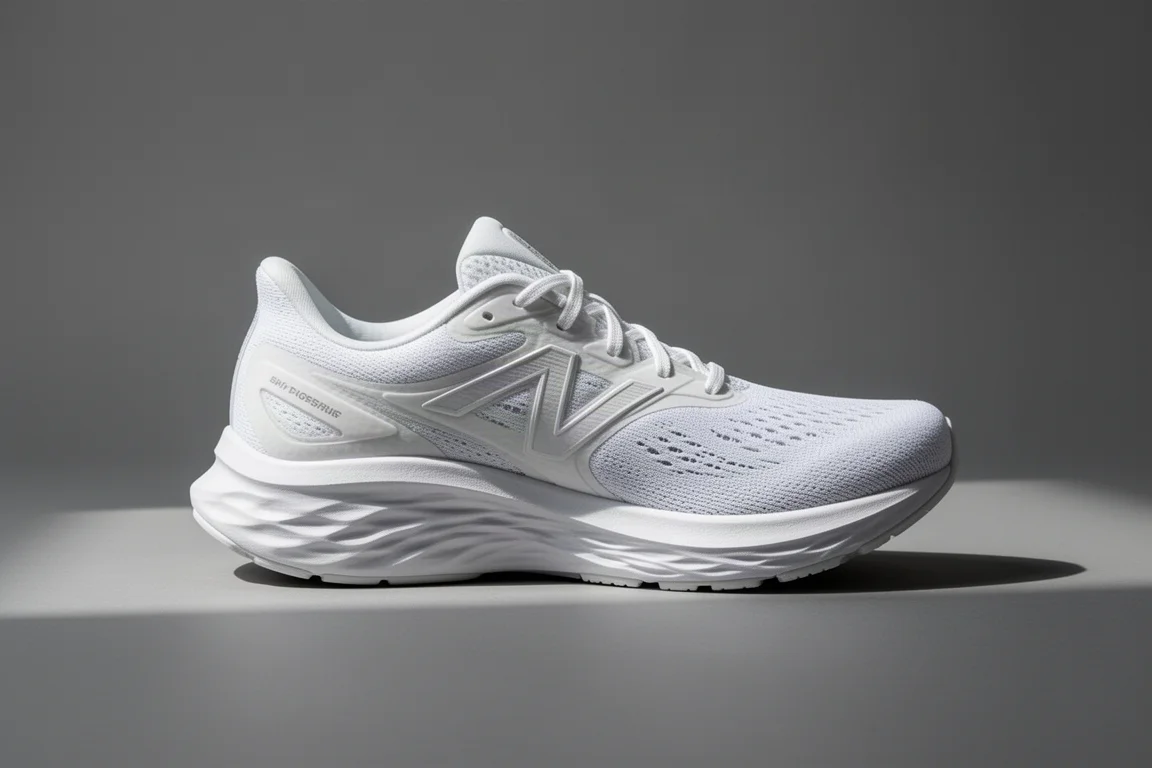
Visually, the design language has also shifted. Gone is the smooth, swoopy look of the Ride 15 and 16, replaced by a more modern, streamlined profile with cleaner lines on the upper and fewer color flares. The white preview pair shown so far suggests a fresher, simpler design approach, though other colorways remain to be seen.
PWRRUN+ Midsole: The Big Change
The headline change is the midsole. The Ride 17 appears to use a full-length bed of PWRRUN+ foam, the same material found in the Saucony Triumph. That foam is extremely bouncy, soft, smooth, and lightweight, and its arrival in the Ride would be a first for the daily trainer line.

Stack height should stay roughly similar. The current Ride has 35 mm of heel foam and 27 mm in the forefoot, while the Triumph sits at 37/27, so Saucony likely won’t push the Ride much higher to avoid stealing share from its own max-cushion shoe. The visible difference between heel and forefoot suggests an 8 to 10 mm drop, which should make the shoe comfortable for heel strikers and forefoot strikers alike.
Where It Fits in the Market
This foam switch repositions the Ride. Instead of competing with traditional, firmer daily trainers like the Adidas Zerg SL, Nike Pegasus, and possibly the Brooks Ghost, it looks aimed at shoes such as the New Balance FuelCell Propel-style soft-and-bouncy trainers, the On Cloudsurfer, and possibly the Hoka Mach. In other words, Saucony is moving the Ride into the lightweight, bouncy daily trainer segment.
Price, Release Window, and Weight
The Ride 16 is currently priced at $140, sitting slightly above the Adidas SL at $120 and the Nike Pegasus at $130, but in line with the broader daily trainer market. A similar price point would be reasonable for the 17, though nothing is confirmed yet. The release window points to late winter or early spring, sometime between February and April 2024. Weight should also drop from the current 8.8 oz, since PWRRUN+ is lighter than the EVA foam in the previous version, possibly into the low 8 oz range, depending on how much padding ends up in the upper.
Upper and Fit
Saucony consistently makes some of the best uppers in the business, and the Ride 17 looks set to use an engineered mesh similar to the Endorphin Speed 3, one of the most breathable uppers around, with small holes throughout for extra ventilation. Heel padding is expected to land somewhere between the lightly padded Endorphin Speed 3 and the generously padded Triumph, comparable to a nicely padded but flexible heel collar.
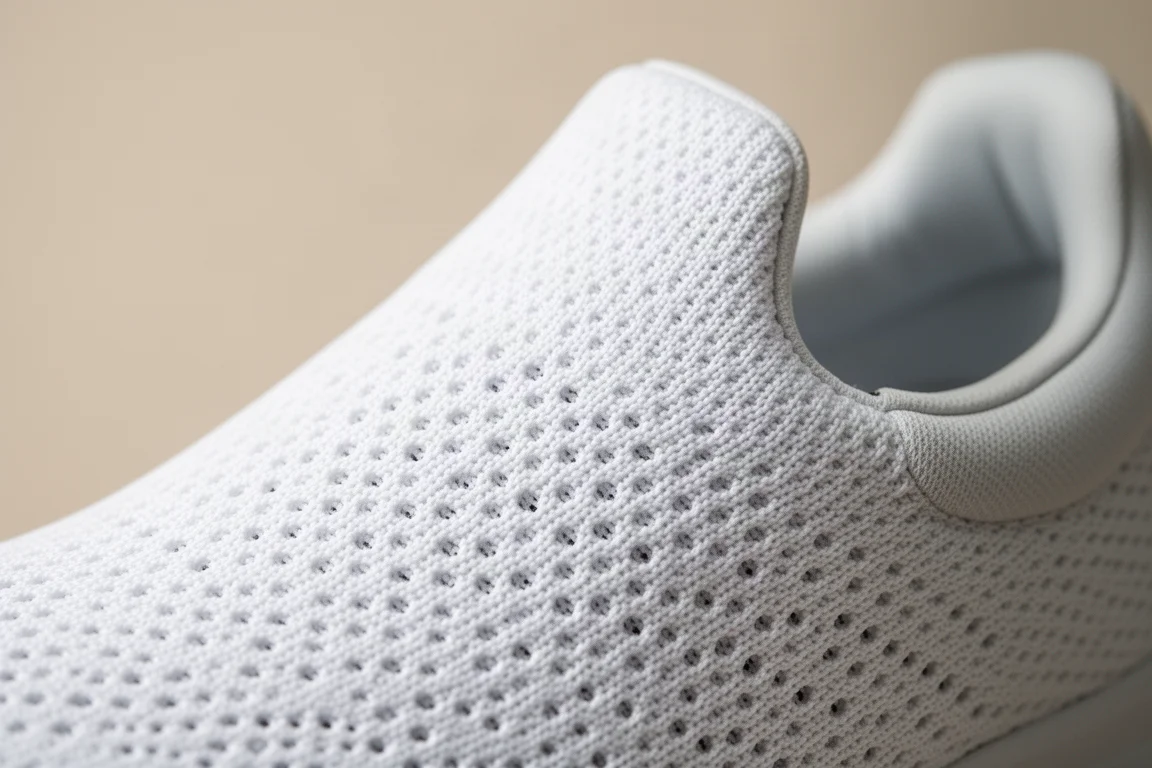
One caveat worth knowing: Saucony’s last tends to run a bit narrow, and longer runs in their shoes can expose that in the toe box. The good news for the Ride is that it’s the kind of mainstream daily trainer that comes in a dedicated wide variant, so runners with wider feet have an option.
Ride and Guidance Separation
Another sign of the Ride 17’s new identity: the Ride and the stability sibling, the Guide, are being more clearly differentiated this generation. Previously, the Guide was essentially a Ride with a stability chassis added around the upper. In the new versions, the Guide has a reworked, entirely separate midsole. That likely frees the Ride to commit fully to PWRRUN+ while the Guide keeps the firmer PWRRUN construction.
Who the Ride 17 Is Best For
This looks like a shoe for runners who want a softer feel for their daily miles. It probably won’t be the best pick for faster workout sessions, at least until we see how PWRRUN+ performs at this lower stack height. In the Triumph, that 27 mm forefoot makes the foam best suited to easy, relaxed cruising rather than aggressive pace pushes, and the Ride 17 will likely behave the same way: a comfortable everyday shoe for easy running rather than a do-everything workout weapon.

Conclusion
The Saucony Ride 17 represents a real shift for one of the brand’s core trainers. With PWRRUN+ underfoot, a cleaner modern design, and a lighter expected weight, it looks set to trade its old firm-and-serious personality for softness and bounce. Runners who enjoyed the previous Ride’s planted feel should weigh the change carefully, while those who found it too firm may find this the most appealing Ride in years. As always with pre-release previews, final specs and feel could shift slightly before launch.
Product link
View more details for Saucony Ride 17
This product is mentioned in the review. Check the specifications, options, and compatibility before buying.
View more details for Saucony Ride 17Further reading
Related Reviews

Running Shoes
Best Road-to-Trail Running Shoes: Three Versatile Options for Mixed Terrain
A practical guide to three road-to-trail running shoes that handle both pavement and mild trails, with clear strengths and trade-offs for different runner types.

Running Shoes
Best Running Shoes for Achilles Tendonitis: Three Options Explained
Three running shoes with different heel drops and support features designed to help reduce Achilles tendon pain during walking and running.

Running Shoes
Best Running Shoes for Women: Five Top Choices Ranked
A ranked guide to five women's running shoes, from versatile daily trainers to high-performance racing options, with real strengths and trade-offs for each.