Running Shoes
Saucony Ride 17 First Run Review: Back-to-Basics Daily Trainer With PWRRUN Plus
Saucony's Ride 17 moves to PWRRUN Plus foam for durability and bounce, but a heavier build and firmer ride raise questions. Our first impressions from 12 miles of testing.
Introduction
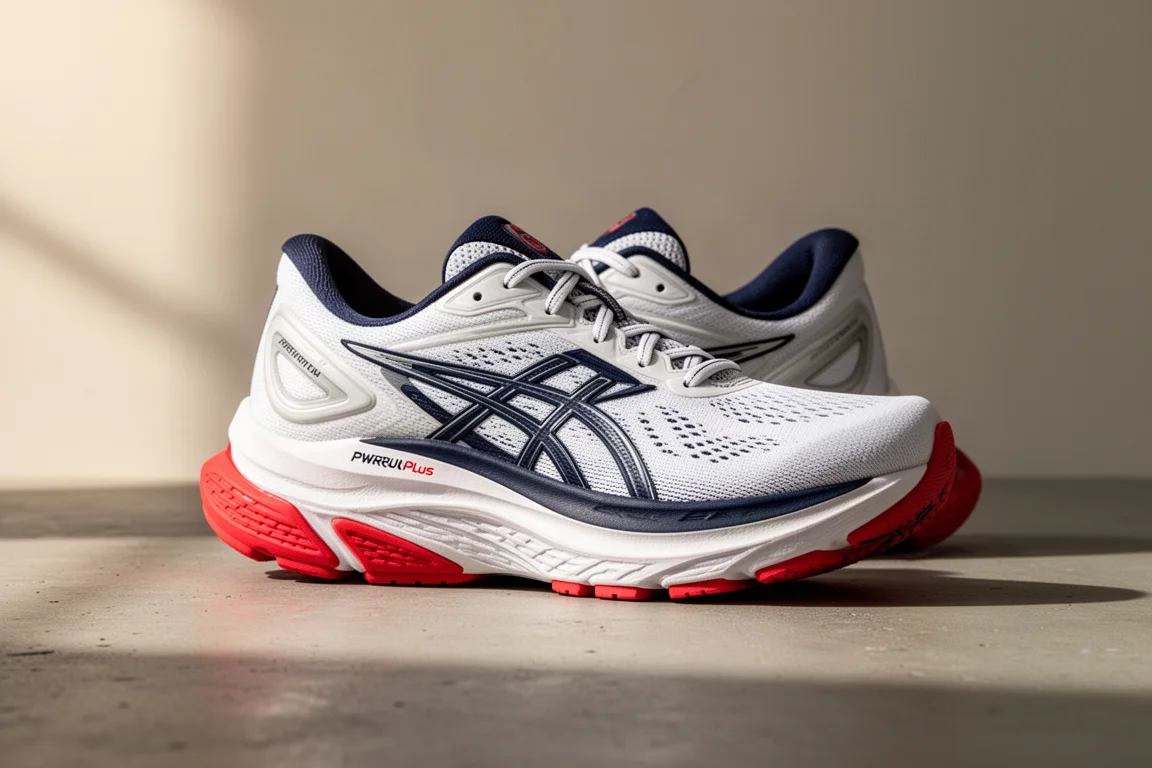
The daily trainer market at the $140 mark has become crowded, and most of the big brands in that space have shifted toward rides that are either more fun, more cushioned, or more protective. The Saucony Ride 17 enters that exact gap: a durable, classic-feeling workhorse with upgraded foam, positioned as the shoe you can recommend to almost anyone who wants an everyday running shoe without anything too crazy going on.
After unboxing, weighing, and taking it out for 12 miles across a morning run and an afternoon double, the Ride 17 shows real promise as a durable, protective daily trainer, with a few trade-offs worth understanding before you buy.
Who This Product Is For
The Ride 17 is aimed at runners who want a simple, no-frills daily trainer for everyday miles. It is especially interesting for bigger runners who find that standard daily trainers tend to wear out too quickly: the firmer, denser foam and full outsole coverage should stand up to more force without needing a super tall, soft stack. It also suits runners who want one shoe that can handle everything from steady aerobic miles to fartleks and strides, without the softness required for easy recovery days.
If your priority is a plush, comfort-first shoe for relaxed jogging, walking, or casual wear, other options in the segment lean further into that.
What Changed in the Ride 17
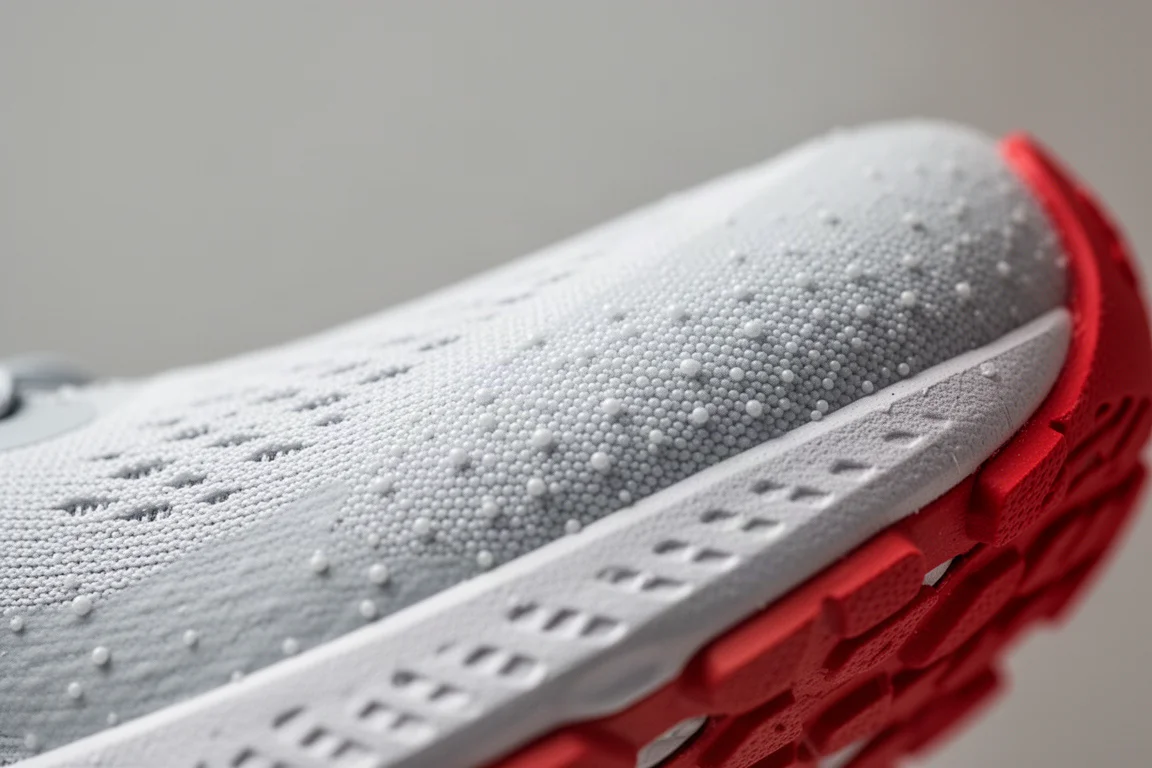
The headline upgrade is the midsole. Previous generations of the Ride used standard PWRRUN EVA foam, and Saucony was one of the last holdouts in the segment still using that material. The Ride 17 moves to PWRRUN Plus, the beaded TPU foam Saucony also uses in its Triumph line. That foam has a strong durability record: a Triumph 20 with 350 miles on it still rode almost like new, with only the outsole rubber showing wear.
The trade-off is weight. The Ride 17 feels heavier and bigger in hand, and that shows on the scale. In our size 10.5 pairs, we measured 306 grams on the right shoe and 305 on the left, remarkably consistent quality control but on the heavier side for the category. For context, the shoes it competes with come in noticeably lighter, and Saucony’s own max-cushion Triumph 20 weighed in at 297 grams despite more stack height. The extra weight comes from the PWRRUN Plus TPU foam itself, which is simply a heavier compound, without additional rubber coverage or a bigger midsole to justify it.
Specs are 35 mm in the heel, 27 mm in the forefoot, and an 8 mm drop. The shoe uses XT-900 rubber, the same compound used on the Triumph and on Saucony’s Endorphin Speed and Pro lines.
First Run Impressions
On foot, the first thing you notice is firmness. The Ride 17 is a stiff, firm shoe at step-in, arguably stiffer feeling than some plated shoes. A durometer test confirmed it sits at roughly the same measured softness as the Triumph (around 38 to 39 on the scale), but the Ride 17’s PWRRUN Plus beads appear smaller, contributing to a denser feel. If you liked the Ride 15 and 16’s firmer PWRRUN character, this keeps that spirit while softening it noticeably compared to standard firm EVA shoes.
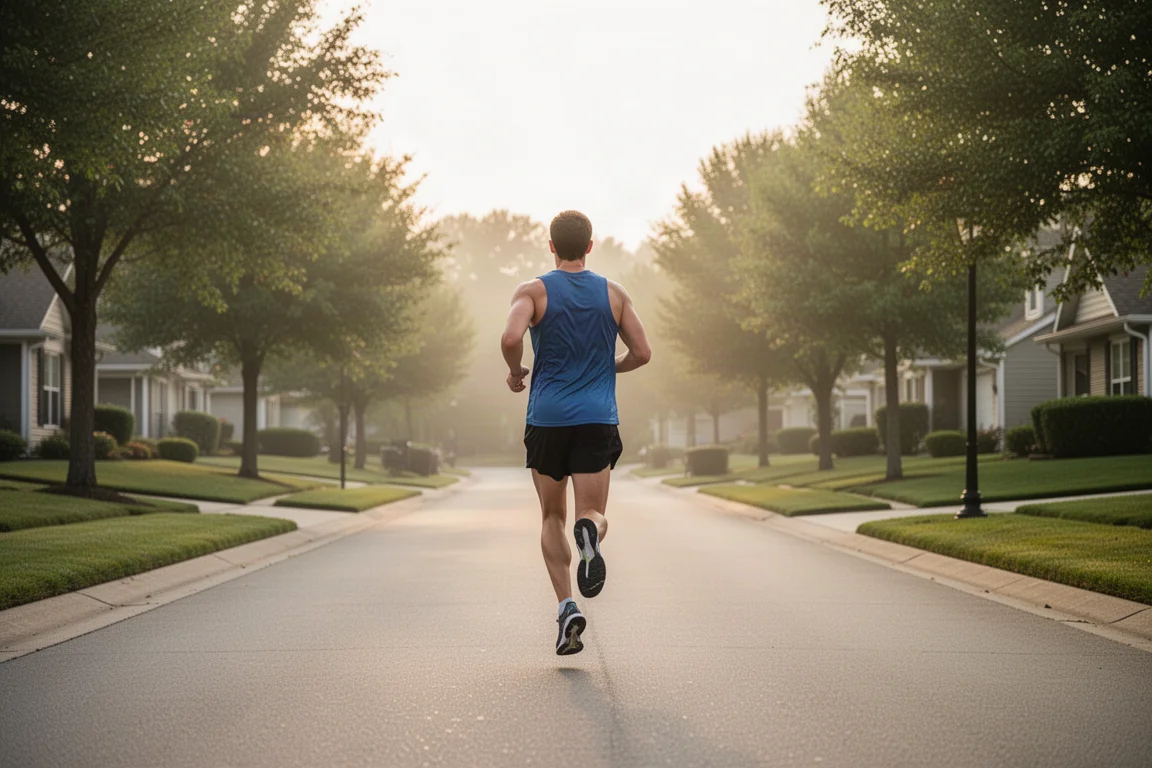
Once running, the picture improves. The foam delivers a soft bounce at pace, and the shoe felt best around 7-minute-mile pace, near the faster end of an everyday aerobic range. Strides and fartlek-style pickups felt genuinely good. For slow, relaxed recovery jogging, it is not the first shoe we would reach for.
Fit runs a touch long and on the narrow side, a familiar Saucony trait. In our usual size 10.5 there was enough toe room, but sizing down is not recommended. The heel counter is extremely stiff and structured, providing very solid heel lockdown that borders on too much at first. The forefoot is narrower than most competitors, and runners sensitive to pressure on the outside of the forefoot may feel a friction point, though it eased as the run progressed. The upper features solid padding, a full gusseted tongue, and a distinctive raw-edge interior stitching detail that gives it a clean lifestyle look.
Durability and Outsole Design
Durability is the core value proposition here, and the outsole construction backs it up. The Ride 17 has full rubber coverage all the way to the back of the heel, in contrast to a competitor in this segment that leaves the heel-strike zone uncovered. The XT-900 rubber impressed us previously on the Endorphin Pro 4, holding grip even in pouring rain during a marathon time trial.

One quirk: at the front of the shoe, foam pushes up in place of rubber, a design shared with the Nike Vomero. After 200 miles on that other shoe, the exposed foam held up fine, so it is likely not a durability problem, but aggressive forefoot strikers and trail users may want to think twice.
On wet roads during a thunderstorm-side double run, the flat rubber layout with minimal lugs felt lacking in grip. The crisscross pattern from the Pro 4 works better in the wet, and this more standard flat layout is a step down. The good news: after 12 miles including wet running, the shoe showed only minor scuffing, and we expect it to look nearly new at the 100-mile mark. Across both runs, the foam showed no sign of going flat.
How It Compares in the Segment
Placed against the current field, the Ride 17 is a firmer, heavier, more classically built option. Max-cushion leaders in the segment offer far more stack (42 mm heels, for example) at lighter weights and softer, more protective rides. The Ride 17’s 35 mm heel does not ride like a max-cushion shoe; today, max cushion effectively means 40 mm and up.
Where the Ride 17 earns its place is the combination of protection and longevity. It does not bottom out, it feels more supportive the longer the run goes, and it rewards putting more force into the shoe. The vibe is close to a lower-stack version of the category’s do-everything favorite: nothing about the ride blows you away, but it stays protective and gets better over time. If you liked Saucony’s Triumph as a daily, the Ride 17 is a plausible replacement, though it feels denser and firmer. The one clear downgrade is the Ride 17’s stability under the heel, where the Triumph’s known weakness persists less, and the rubber, which feels worse in wet conditions.
Who Should Buy the Ride 17
Buy the Ride 17 if you want a durable, classic daily trainer with enough bounce for faster days and enough protection for high weekly mileage. It is a strong pick for bigger runners, heel strikers (thanks to full heel coverage and a protective, dense heel), and anyone building mileage who needs a shoe that will not flatten out over hundreds of miles.
Skip it if you want a plush recovery shoe, a max-cushion ride, or the lightest option in the segment. The weight increase without added cushion or rubber is the main knock, and firmness at easy paces is the second.

Conclusion
The Saucony Ride 17 is a back-to-basics daily trainer that finally joins the modern foam era. PWRRUN Plus brings legitimate durability and a bounce that shows up at everyday paces, and the full-coverage outsole should keep this shoe looking and riding fresh deep into its life. The firmer, denser ride and added weight are real trade-offs, but for runners who value a workhorse that rewards steady, faster daily miles, the Ride 17 fills the gap in this segment nicely. We expect it to feel even better as the foam breaks in, and it is a shoe we are keen to take to 100 miles to confirm that durability story.
Product link
View more details for Saucony Ride 17
This product is mentioned in the review. Check the specifications, options, and compatibility before buying.
View more details for Saucony Ride 17Further reading
Related Reviews

Running Shoes
Best Road-to-Trail Running Shoes: Three Versatile Options for Mixed Terrain
A practical guide to three road-to-trail running shoes that handle both pavement and mild trails, with clear strengths and trade-offs for different runner types.

Running Shoes
Best Running Shoes for Achilles Tendonitis: Three Options Explained
Three running shoes with different heel drops and support features designed to help reduce Achilles tendon pain during walking and running.

Running Shoes
Best Running Shoes for Women: Five Top Choices Ranked
A ranked guide to five women's running shoes, from versatile daily trainers to high-performance racing options, with real strengths and trade-offs for each.