Running Shoes
Saucony Ride 15 Review: A Softer Daily Trainer That Trades Away Some Versatility
The Ride 15 gets more foam, a lower weight, and a plusher fit, but the softer ride narrows what this daily trainer does best.
Introduction
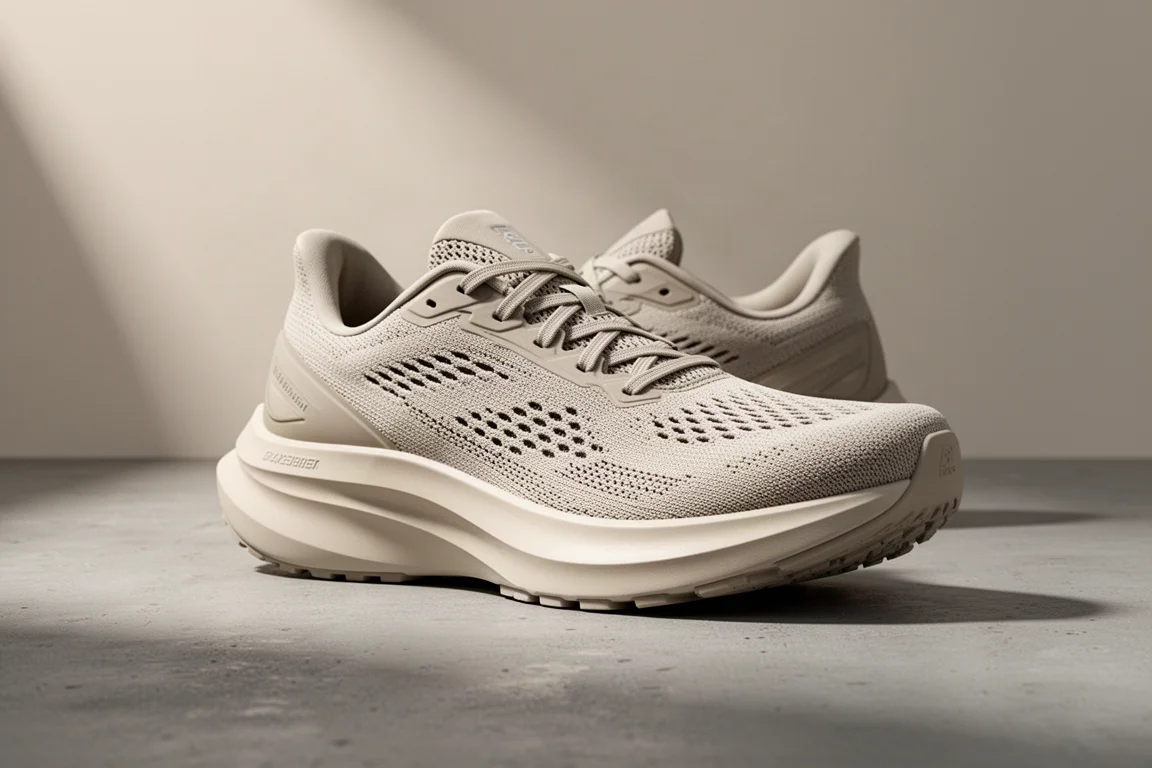
The Saucony Ride 15 arrives with some of the biggest changes the series has seen in years. Long-time fans of the Ride 13 and 14 will notice a different character straight away: more foam, a softer feel, and a lighter overall package. The question our multi-tester review set out to answer is whether those changes make the Ride 15 a better daily trainer, or simply a different one.
Key Specs and Pricing
The Ride 15 comes in at £130 or $140, with an 8mm drop. It weighs 249g (8.8 oz) in the men’s version and 221g (7.8 oz) in the women’s. Despite carrying more foam than before, it actually shaves roughly 30 grams off the Ride 14, so this is a lighter shoe overall.
The Ride series is positioned as a versatile daily trainer, and on paper the 15 keeps that brief while nudging the ride character toward comfort.
What’s New in the Ride 15
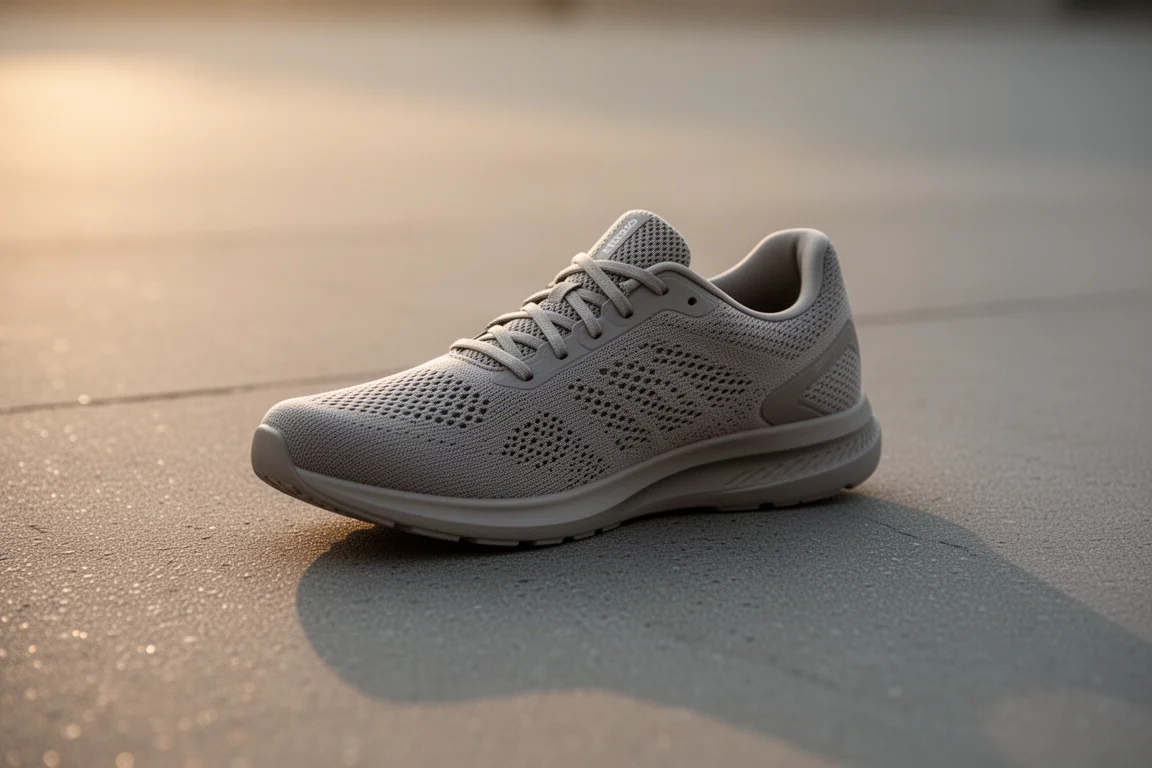
Saucony has reshaped the midsole geometry with more PWRRUN foam that is both lighter and softer. The forefoot is more flexible, and a plusher PWRRUN PLUS sockliner adds extra step-in cushioning and protection. Higher sidewalls let the foot sit deeper in the shoe, giving a more secure, bucket-seat style feel.
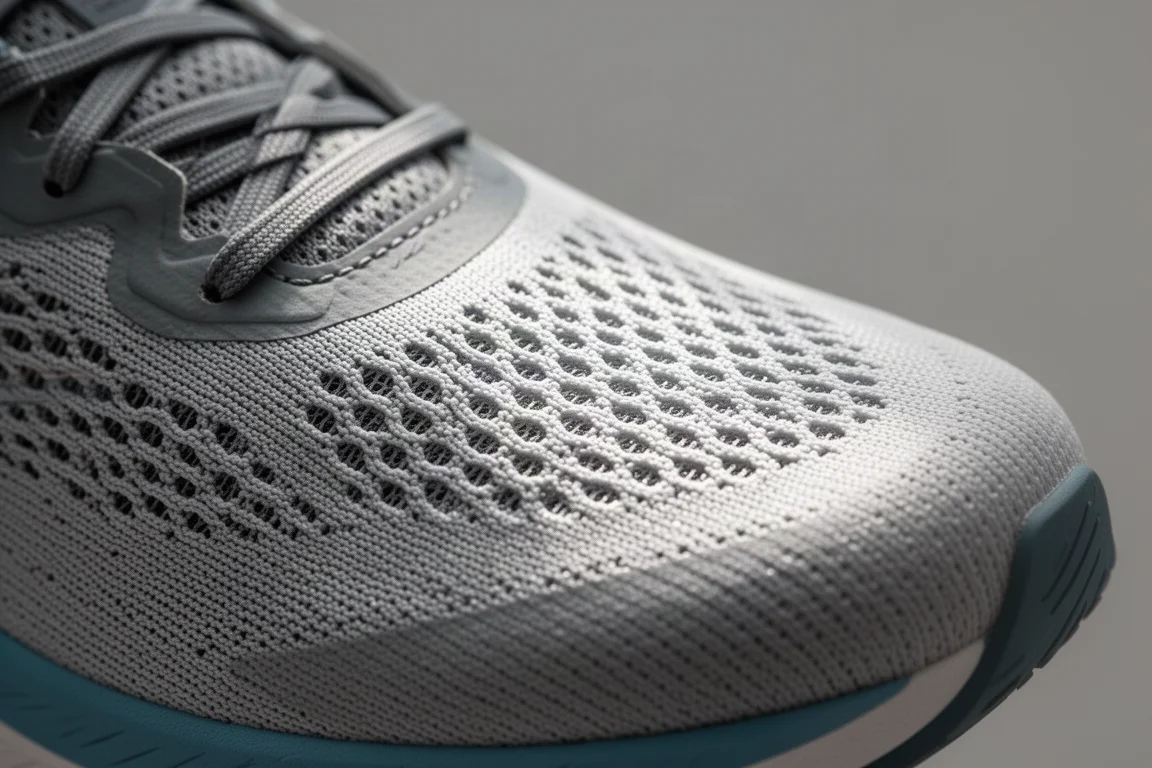
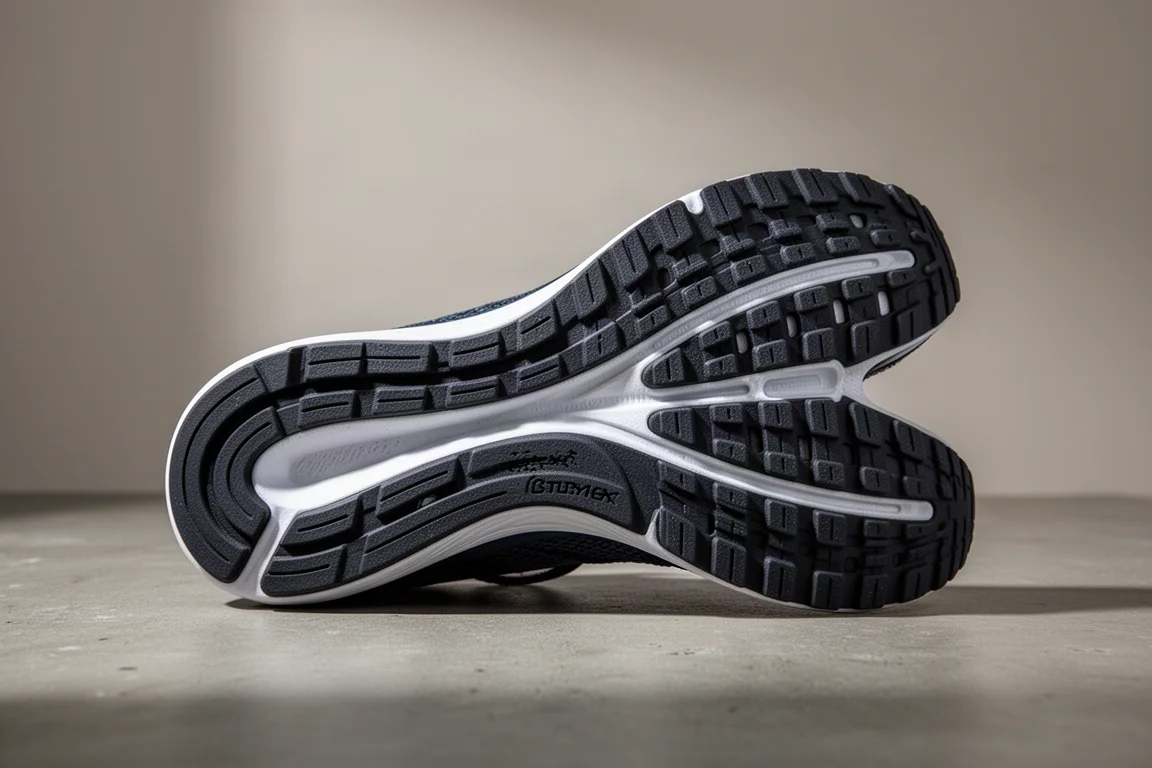
Up top there is a thin, breathable FORMFIT mesh upper with good padding in the heel collar and tongue. On the outsole, more rubber has been added in the name of grip and durability.
Fit and Upper Comfort
Fit was consistently reported as true to size across testers. One tester in UK size 8 found it spot on with no issues, and others agreed there was no need to size up or down.
The Ride 15 is noticeably more spacious and accommodating than the 13 or 14, particularly in the toe box and along the sides of the midfoot. That makes it a friendlier option for wider feet, though narrow-footed runners who liked the snugger older versions may notice the extra room. The liner feels softer than previous generations and adds to overall comfort, though some preferred the spongier laces of earlier models. It was comfortable from the very first wear, supportive without feeling tight.
Ride Feel: Where It Excels and Where It Falls Short
Testing covered around 40 miles of paved roads, pavements, and compacted river paths, spanning easy sub-9:30/mile efforts up to 6-minute-mile pace intervals.
The headline change is softness. Saucony appears to have answered criticism that the Ride 14 rode too firm, but the trade-off is real. The softer midsole makes the shoe feel like it sinks in at quicker paces, and it no longer gives the same get-up-and-go sensation of getting up on the toes that the 13 and 14 offered. At easy and steady paces it feels great; at tempo and interval efforts it loses the directness that made the previous versions genuinely versatile.
One tester compared it to shoes like the On Cloudmonster or Nike React Infinity: excellent easy-mile shoes, but not something to reach for when the pace climbs. At the same time, it is not a maximally cushioned shoe either, so if you love lots of plush foam for very long easy runs, you may still want more.
That said, it is a very comfortable shoe. One tester used it for a 10-mile race on mixed road and trail terrain and found it pretty good and reasonably versatile, and rated it better than the Ride 13 with slightly bouncier, more durable-feeling cushioning. Fast racing, though, is not its strength: where a super shoe delivered a 38-minute 10K, the Ride line lands around 40 minutes, and the 15 is no quicker than the 13 was at that pace.
Durability and Outsole
The outsole changes raised questions because the Ride line has historically been long-lasting. Early signs are encouraging: the rubber feels very hard to the touch, shows no noticeable wear on the raised sections so far, and yet never feels slappy or harsh underfoot. Durability is expected to remain solid despite the stripped-back layout.
Alternatives to Consider
The competition in this bracket is fierce, and much of it is cheaper. The Puma Velocity Nitro 2 at £100 was repeatedly named a favourite: softer, bouncier, better for speed work, and still cushy for easy miles. The Reebok Floatride Energy 4 at £75 performs closely enough that saving the money makes sense, and the Nike Pegasus 39 sits in the same tight performance band. The Hoka Mach 4 at £120 offers a softer, more fluid and lighter ride, though with less durability, and the Hoka Rincon 3 offers similar cushioning and bounce at around £100 but is less durable. The Saucony Endorphin Speed 2, with its nylon plate, is another close competitor that many find more enjoyable at speed.
Buying Advice
If you want one shoe to do everything, the Ride 15 can competently cover easy training miles, parkruns, and even marathon-pace racing, though it will not feel as fast as a dedicated super shoe. If you already have a rotation and need a dedicated easy-day shoe, it does that job well, though it may not feel cushioned enough for runners who want maximum plushness for long easy runs.
If your main criticism of the Ride 14 was that it was too firm, the 15 may now be exactly what you were hoping for. If you loved the firmer, more responsive feel of the 13 and 14, look elsewhere.
Conclusion
The Saucony Ride 15 is a perfectly good, comfortable daily trainer that does a little bit of everything. The softer, lighter update improves it as an easy-mile shoe but trims the versatility that made the Ride 13 and 14 standouts, and at £130 it faces cheaper rivals that feel more complete. It remains a quality option for easy and steady running, just no longer the first pick in its bracket.
Product link
View more details for Saucony Ride 15
This product is mentioned in the review. Check the specifications, options, and compatibility before buying.
View more details for Saucony Ride 15Further reading
Related Reviews
Running Shoes
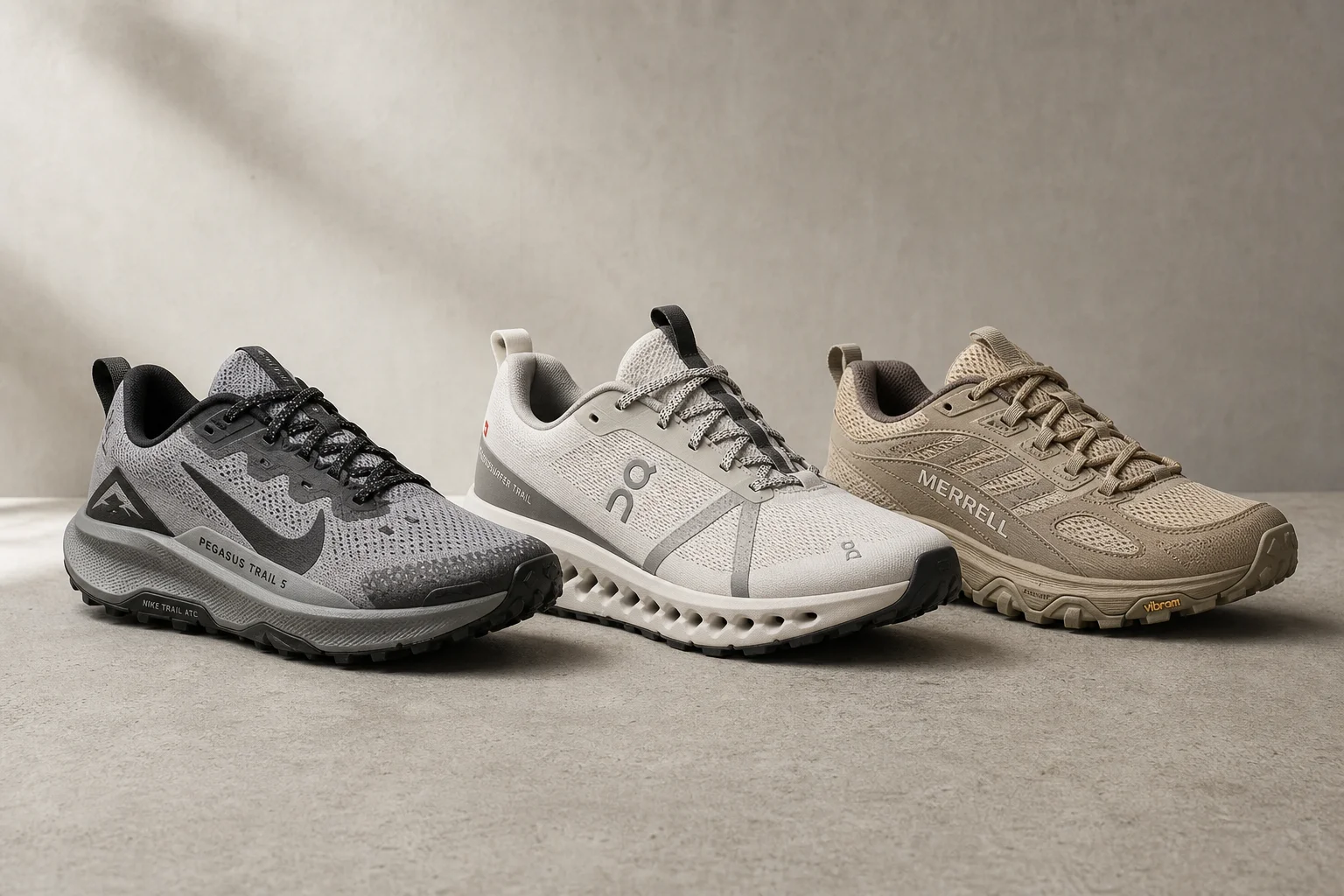
Best Road-to-Trail Running Shoes: Three Versatile Options for Mixed Terrain
A practical guide to three road-to-trail running shoes that handle both pavement and mild trails, with clear strengths and trade-offs for different runner types.
Running Shoes
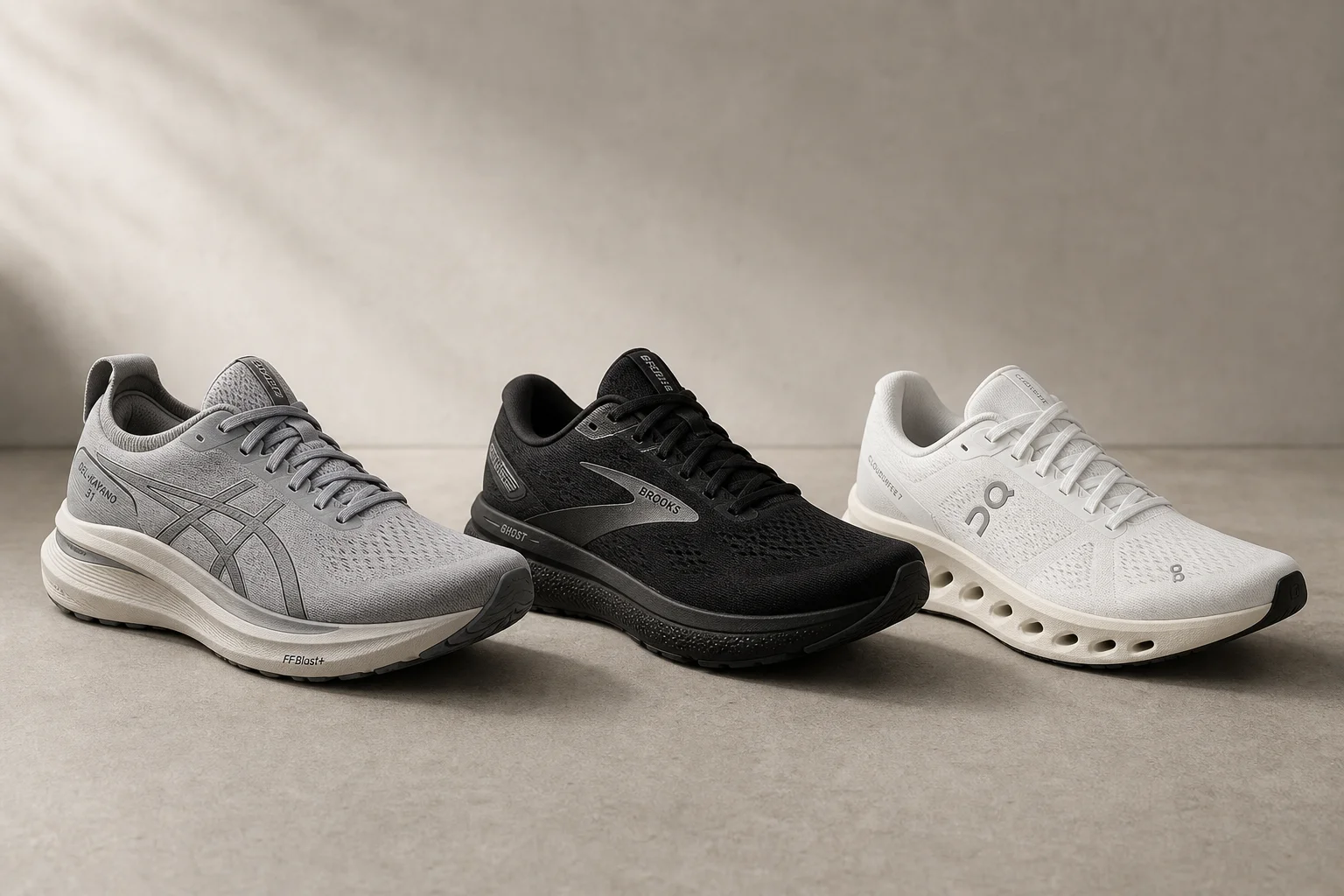
Best Running Shoes for Achilles Tendonitis: Three Options Explained
Three running shoes with different heel drops and support features designed to help reduce Achilles tendon pain during walking and running.
Running Shoes
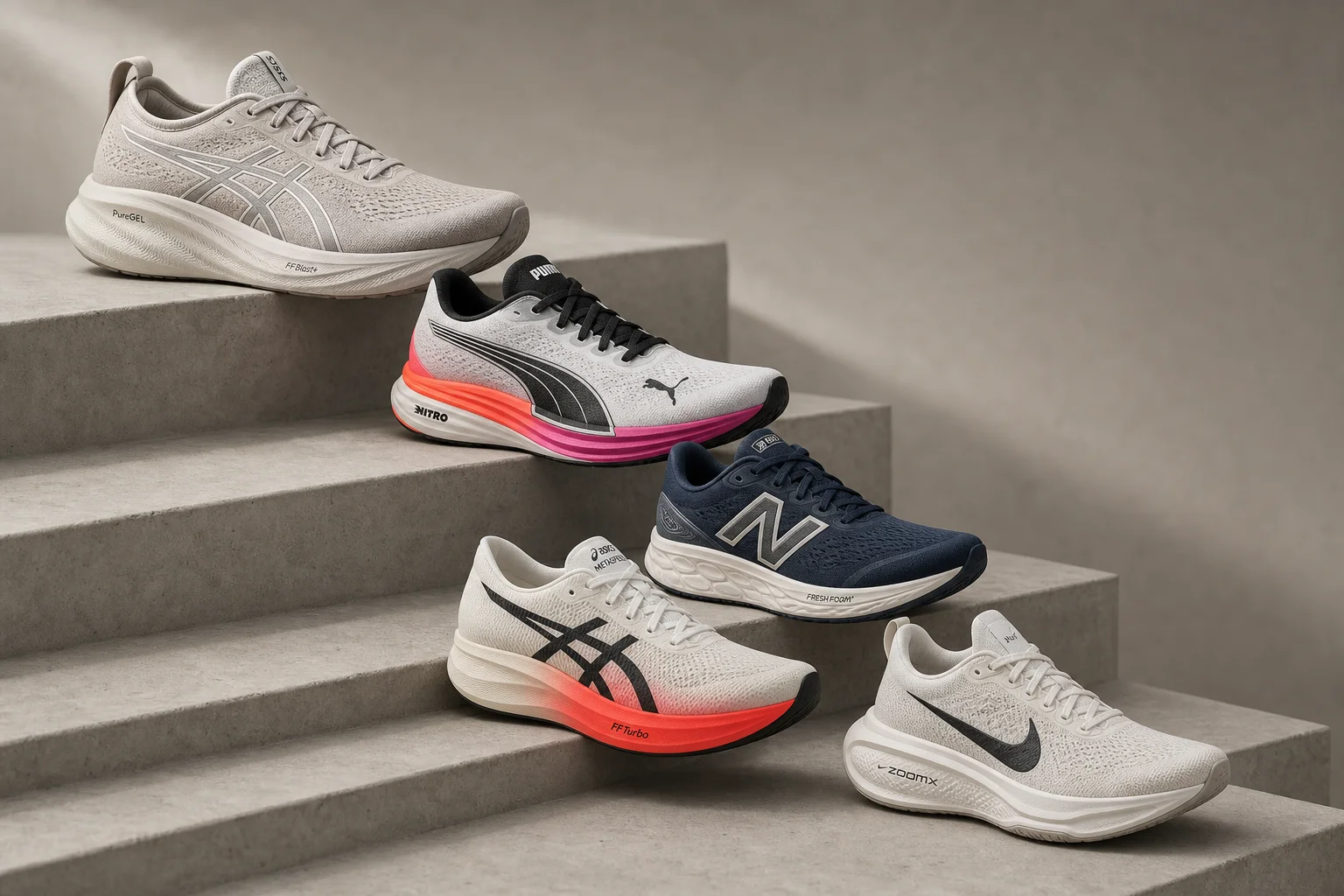
Best Running Shoes for Women: Five Top Choices Ranked
A ranked guide to five women's running shoes, from versatile daily trainers to high-performance racing options, with real strengths and trade-offs for each.