Running Shoes
Saucony Ride 15 First Impressions: A Softer Daily Trainer Facing Tough Value Competition
The Ride 15 gets a lighter PWRRUN midsole, more cushioning, and a new upper, but cheaper rivals like the Puma Velocity Nitro 2 and Reebok Floatride Energy 4 give it real competition.
Introduction
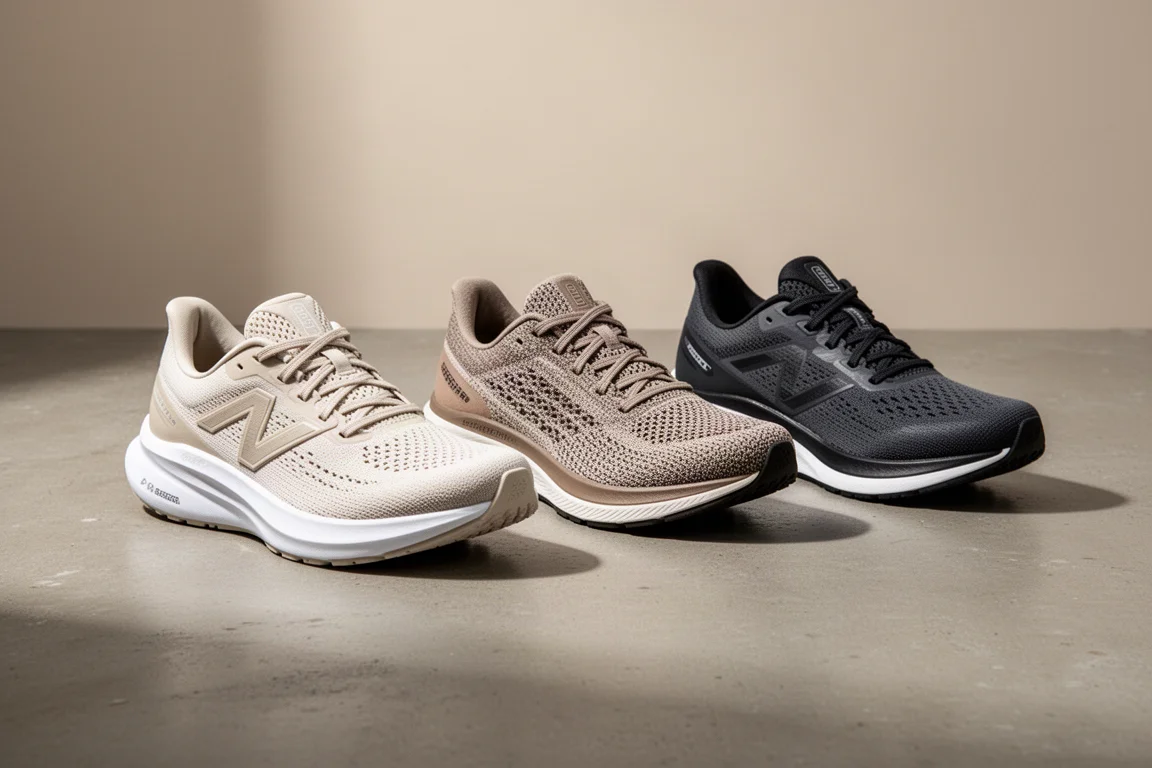
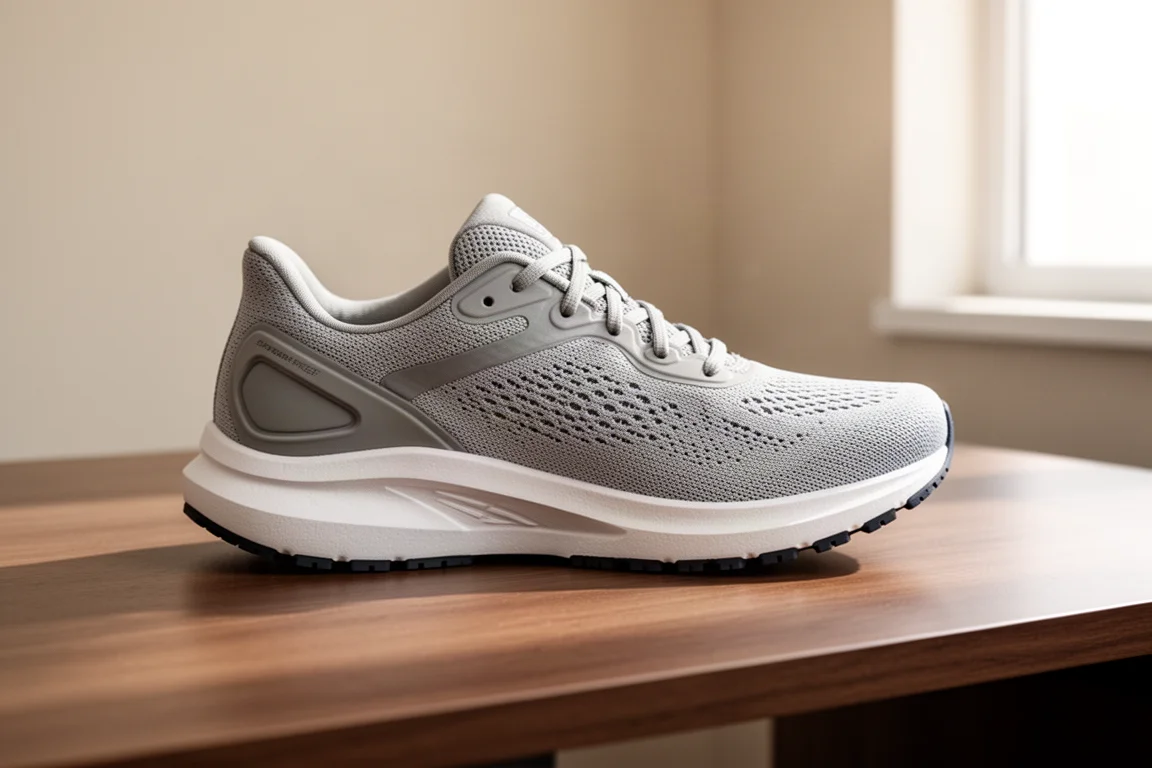
The Saucony Ride 15 is a daily training shoe built to feel lightweight and lean like its predecessors, but with modest cushioning that keeps it versatile for faster efforts. The 15 brings a lighter PWRRUN midsole foam, a more cushioned PWRRUN Plus sockliner, and a noticeable drop in weight from previous versions. It costs 130 pounds or 140 dollars, weighs 249 grams (8.8 ounces), and has an 8 millimeter drop.
The bigger question is whether those changes are enough, because the daily trainer market is crowded with cheaper, very capable rivals. Here is how the Ride 15 stacks up on a first run, alongside two alternatives that keep coming up as better-value options.
Saucony Ride 15: Specs and Updates
The upper uses a thin, breathable mesh with good padding around the ankle collar and tongue, plus a sprinkling of rubber on the outsole to improve durability. Flat laces replace the spongier laces of the Ride 13 and 14, and a small loop of material runs through the upper and midsole section to help lock the foot in.

Saucony Ride 15: First Run Impressions
Fit feedback varied across testers. Most found it true to size with a comfortable feel, though a few thought it ran slightly tight, particularly in the toe box, and would go half a size up. Others found it slightly roomy up front and suggested half a size down if you are between sizes. Checking the fit carefully before buying is clearly worthwhile.
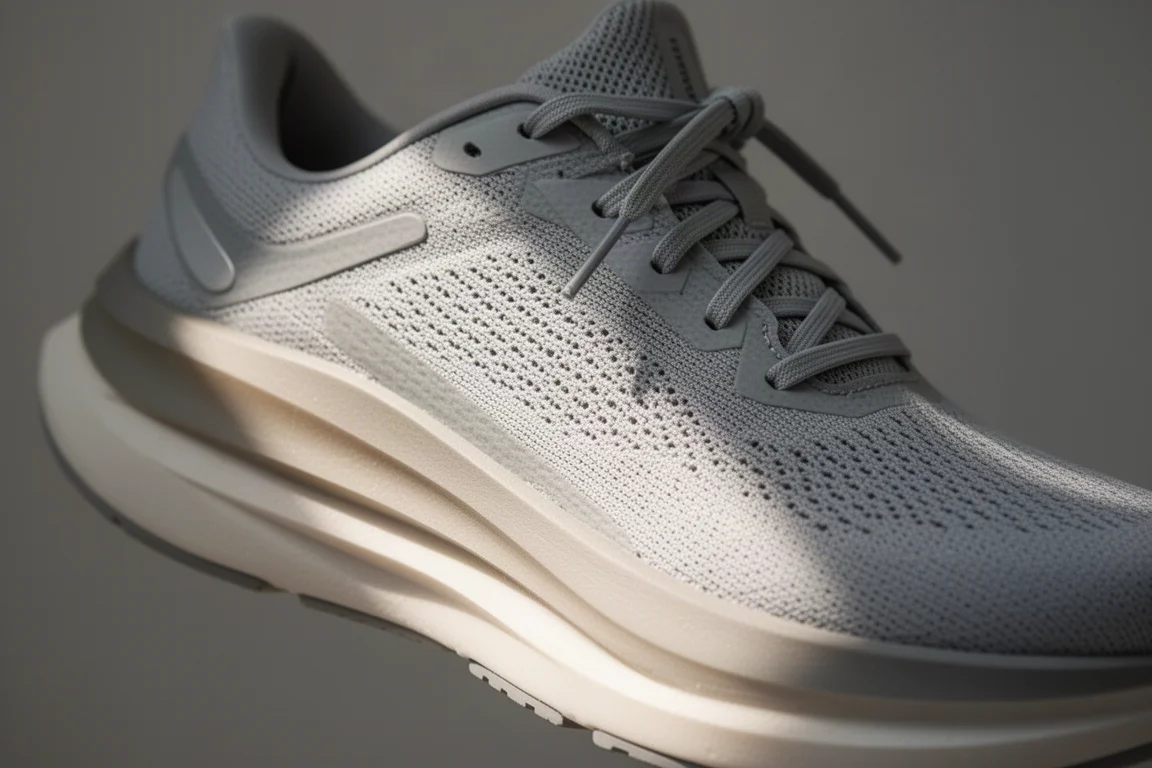
On the run itself, the Ride 15 is a noticeably different shoe to the 13 and 14. The cushioning is softer and plusher, closer in feel to a premium easy-day trainer, and the overall weight feels lower. At easy and steady paces it ticks along reliably, with a fairly firm, traditional ride rather than a bouncy or squishy one. It feels like a firmer-but-responsive daily trainer, well suited to easy miles and high mileage rather than dedicated tempo work. The lighter build does help when the pace lifts toward steady efforts, and it feels quicker than the Ride 14, which some testers found sluggish even at 10K race pace.
The reservations are real, though: the midsole foam is reliable but not outstandingly responsive or soft, and there is some concern that the lighter outsole may not be as durable as the Ride’s historically tough rubber.
Puma Velocity Nitro 2: The Softer, Quicker Alternative
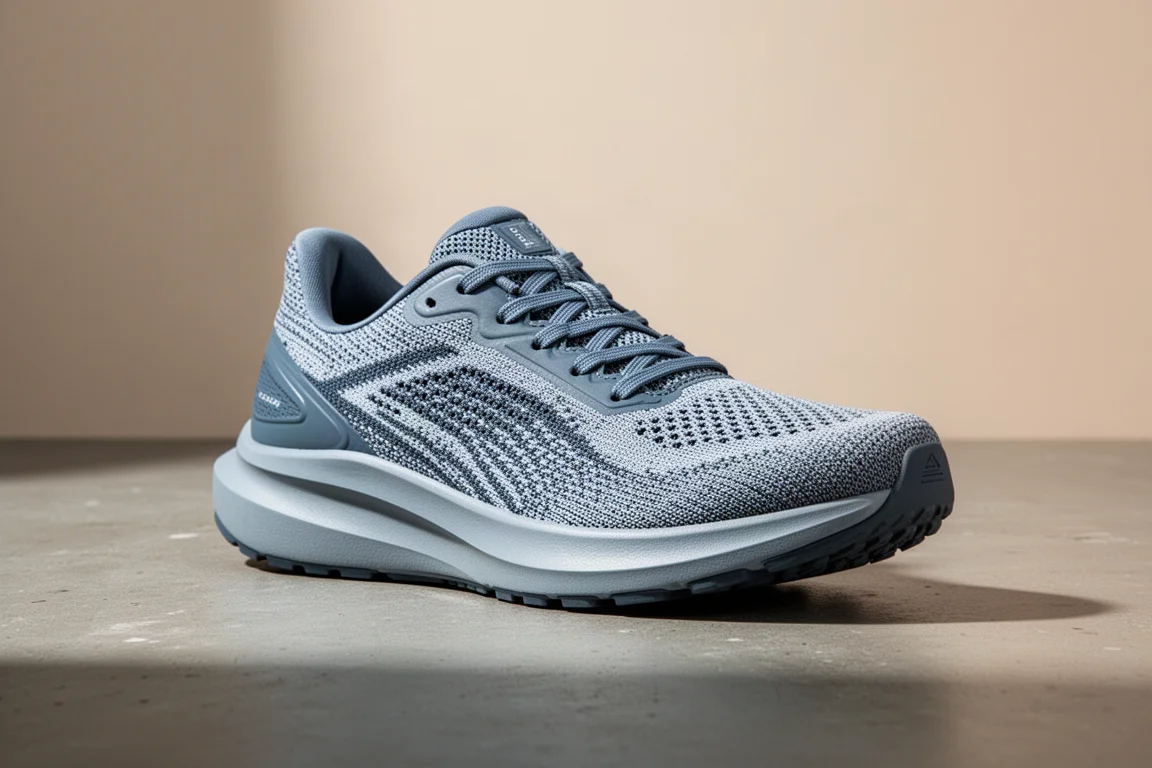
The Puma Velocity Nitro 2 kept coming up in the same breath as the Ride 15, and mostly in its favor. Testers described it as cheaper while also feeling better, with a softer, more cushioned midsole that still handles quicker paces nicely. For runners who want a bit more bounce in a daily trainer without giving up speed, it shapes up as a strong first pick in this category.

Reebok Floatride Energy 4: The Value All-Rounder
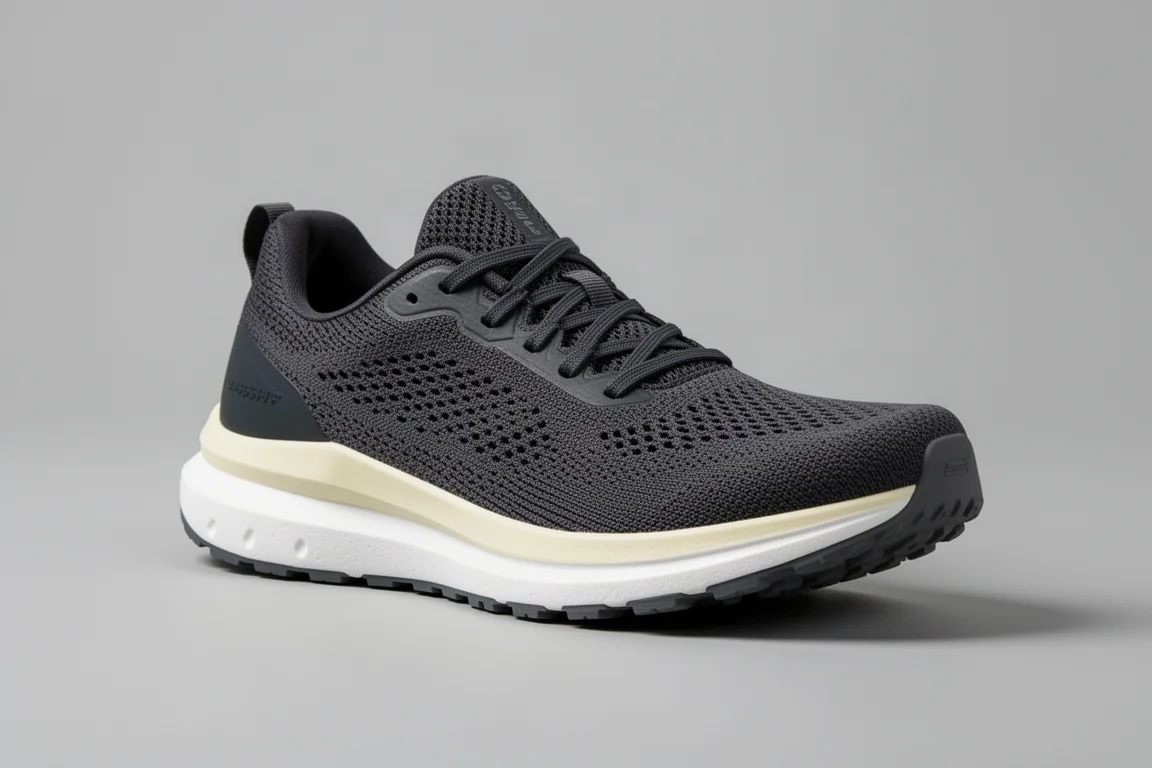
The Reebok Floatride Energy 4 is the other frequent comparison, and the pitch is simple: it costs 75 pounds, has a really nice turnover, and still feels large in scope and quite versatile. For budget-conscious runners who want one shoe that covers easy miles and the occasional faster session, it is hard to argue with that combination of price and performance.
Overall Buying Advice
The Ride 15 is a solid, versatile daily trainer and a genuine improvement over the Ride 14, with more cushioning, a lighter feel, and better speed potential. Runners coming from the Ride 13 or 14 should expect a noticeable change, mostly for the better, though the fit runs tighter for some and the flat laces trade away a little top-of-foot comfort.
For everyone else, the competition matters. If you prefer a softer, bouncier foam, the Velocity Nitro 2 feels more exciting at quicker paces. If value is the priority, the Floatride Energy 4 at 75 pounds delivers a lively turnover and versatile performance for roughly half the Ride’s price.
Conclusion
The Saucony Ride 15 is a good shoe with a softer cushioning feel and a lighter build, but it did not blow anyone away on first run. It remains a dependable all-rounder for everyday miles, while the Puma Velocity Nitro 2 and Reebok Floatride Energy 4 offer more excitement or better value depending on what you prioritize.
Further reading
Related Reviews

Running Shoes
Best Road-to-Trail Running Shoes: Three Versatile Options for Mixed Terrain
A practical guide to three road-to-trail running shoes that handle both pavement and mild trails, with clear strengths and trade-offs for different runner types.

Running Shoes
Best Running Shoes for Achilles Tendonitis: Three Options Explained
Three running shoes with different heel drops and support features designed to help reduce Achilles tendon pain during walking and running.

Running Shoes
Best Running Shoes for Women: Five Top Choices Ranked
A ranked guide to five women's running shoes, from versatile daily trainers to high-performance racing options, with real strengths and trade-offs for each.