Trail Running Shoes
Saucony Peregrine 16 Review: A Balanced All-Rounder Trail Shoe with One Big Change
More cushion, a redesigned upper, and a new Vibram Megagrip outsole. The Peregrine 16 is a capable all-rounder, but the shorter lugs change what terrain it suits best.
Introduction
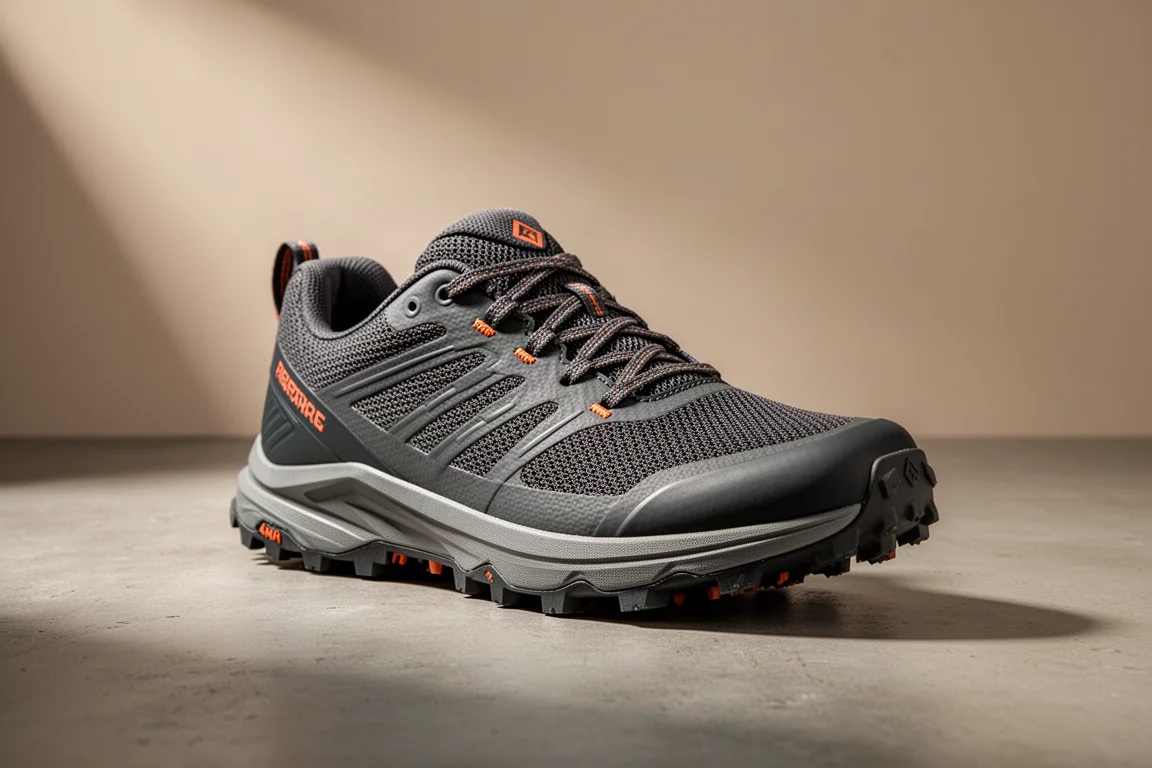
The Saucony Peregrine 16 costs £140 or $150, weighs 271g (9.6 oz) for a men’s size 8, and has a 4mm drop. It is built as a nimble, do-everything trail shoe designed to handle a wide range of terrain, and this update adds more PwrRun foam underfoot, a redesigned upper, and a switch to a full-coverage Vibram Megagrip outsole with 4mm lugs.
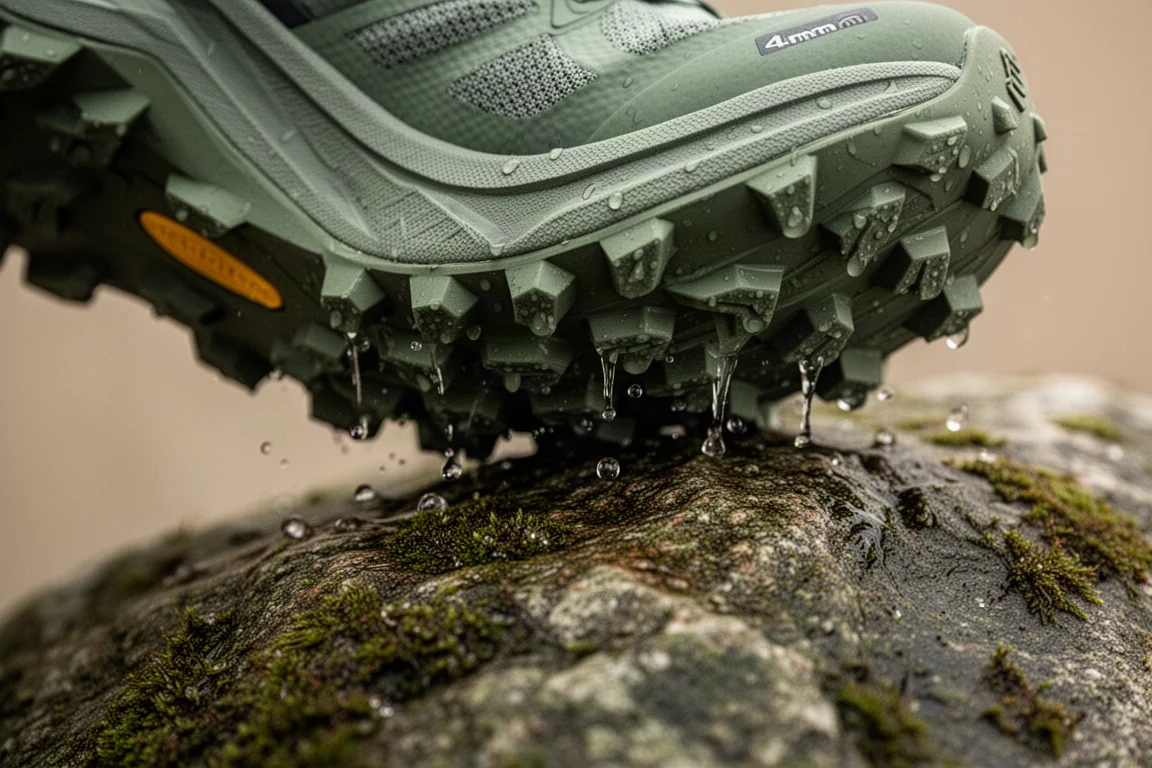
That outsole change is the story of this shoe. It tilts the Peregrine slightly more towards rocky and mountainous terrain and, depending on where you run, it either lands as a smart refinement or as a loss of the grip long-time fans expected. After testing across muddy forest trails, frozen hillside terrain, and a wet, slushy race, here is how it all shakes out.

Who This Product Is For
The Peregrine has always been the shoe recommended to runners who want one solid all-round daily trail shoe that ticks a lot of boxes. It suits people who mix road and trail, and runners who only own one pair of trail shoes but want something that works for easy runs across fields, longer days over the downs, and everything in between. The 16 continues that formula.
Main Strengths
The increased PwrRun foam in the midsole is the most welcome improvement. It adds a touch more cushioning and protection while keeping a good ground feel for technical trails, and it makes the shoe noticeably nicer on harder sections and road segments than previous versions. The ride is not bouncy, but it feels softer underfoot on firm ground.
The shoe stays refreshingly direct and precise. It is not wide or bulky, sits low enough to the ground, and has enough response to feel snappy, including picking up the pace to around 6:30 per mile on short road sections. The midweight feel keeps things agile, and it never feels held back when climbing, avoiding the blocky uphill sensation of heavier trail shoes.
The new upper is a genuine step up too. Strengthened mesh offers lightweight durability in high-abrasion areas, a new gated D-ring adds versatility, and a reinforced rubber toe wrap protects against rocks and trail debris. It feels more breathable and comfortable, with a padded tongue that stays put and gussets that hold everything in place.
Fit is a strong point as well. Testers found it true to size with a roomy forefoot, secure heel and midfoot lockdown, and plenty of wiggle room for the toes, which matters in a trail shoe with a fairly firm toe box on descents.
Things to Consider Before Buying
The Vibram Megagrip outsole is the divisive part. Vibram outsoles are excellent as a rule, but the 4mm lugs here are shallower than previous Peregrine outsoles, and on soft, muddy UK terrain the grip sometimes felt wanting compared with earlier models. In deep clay-like mud near river beds, and on odd muddy patches during steep descents, the purchase was not what a Peregrine traditionally delivered.
That said, it is not a bad outsole by any means. On a wet, slushy South Downs half marathon course, one tester reported no slipping at all, and it gripped well on wet rocky sections too. It just steers the shoe more towards rocky, mountainous terrain than soft ground. If deep mud and boggy conditions are your regular terrain, you may want bigger lugs, and older Peregrine models or alternatives with studded outsoles are worth a look.
Cushioning is another consideration. This is still a traditional, fairly direct trail shoe, not something with road-shoe levels of plushness. Heavier runners or those heading into ultra territory on firm ground may find it too direct for very long distances, and shorter lugs also help keep the weight down rather than adding softness. It also still does not handle icy, rocky patches well, though few shoes do.

On sizing: go true to size for runs up to about an hour on feet. If you plan day-long running or have particularly wide feet, consider sizing up to avoid long-term rubbing, since the little-toe area can edge on tight for some.
Buying Advice
If you want one trail shoe with a bit of comfort but the flexibility to pick up the pace, the Peregrine 16 is one of the best all-rounder options available right now. It is versatile, controlled rather than overly energized, and reliable underfoot across fields, road, rock, ascents, and descents.
If deep mud is your priority, look at alternatives like the Inov-8 range or the Hoka Speedgoat 6, which one tester found gripped better on slick mud despite also using a Vibram outsole, with a slightly more cushioned, rockered ride. If you want more cushioning from Saucony, the Exodus line is the softer option, and the ASICS Fuji Lite 6 offers a similar profile at a lower price. Older Peregrine versions also crop up in sales frequently if you specifically want the mud-friendly grip of previous outsoles.
Conclusion
The Saucony Peregrine 16 is a comfortable, well-balanced workhorse trail shoe with excellent utility, a ride that sits happily between firm and soft, and a genuine improvement in midsole foam and upper comfort. Its new Vibram Megagrip outsole suits rocky and mountainous terrain very well, but long-time fans who relied on the Peregrine for soft, muddy UK ground may find the shorter lugs a step back. For everyone else, this remains a dependable, versatile all-rounder that is easy to recommend.
Product link
View more details for Saucony Peregrine 16
This product is mentioned in the review. Check the specifications, options, and compatibility before buying.
View more details for Saucony Peregrine 16Further reading
Related Reviews
Trail Running Shoes
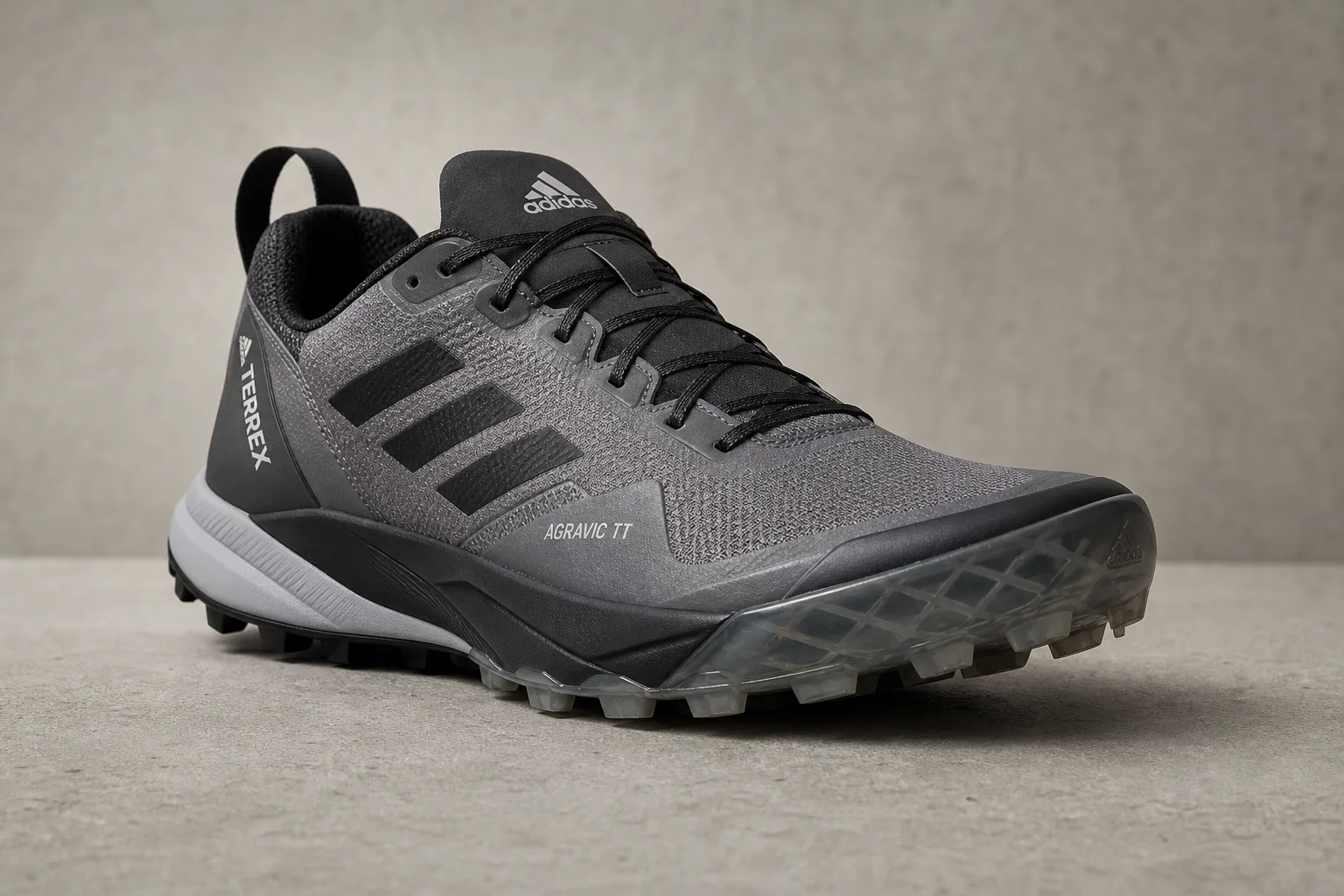
Adidas Terrex Agravic TT Review: A Technical Trail Shoe Built for Rocky Terrain
The Adidas Terrex Agravic TT combines a full-coverage rock plate with a firmer midsole to deliver protection and stability on technical, rocky trails. A capable choice for runners who prioritize underfoot defense over lightweight cushioning.
Trail Running Shoes
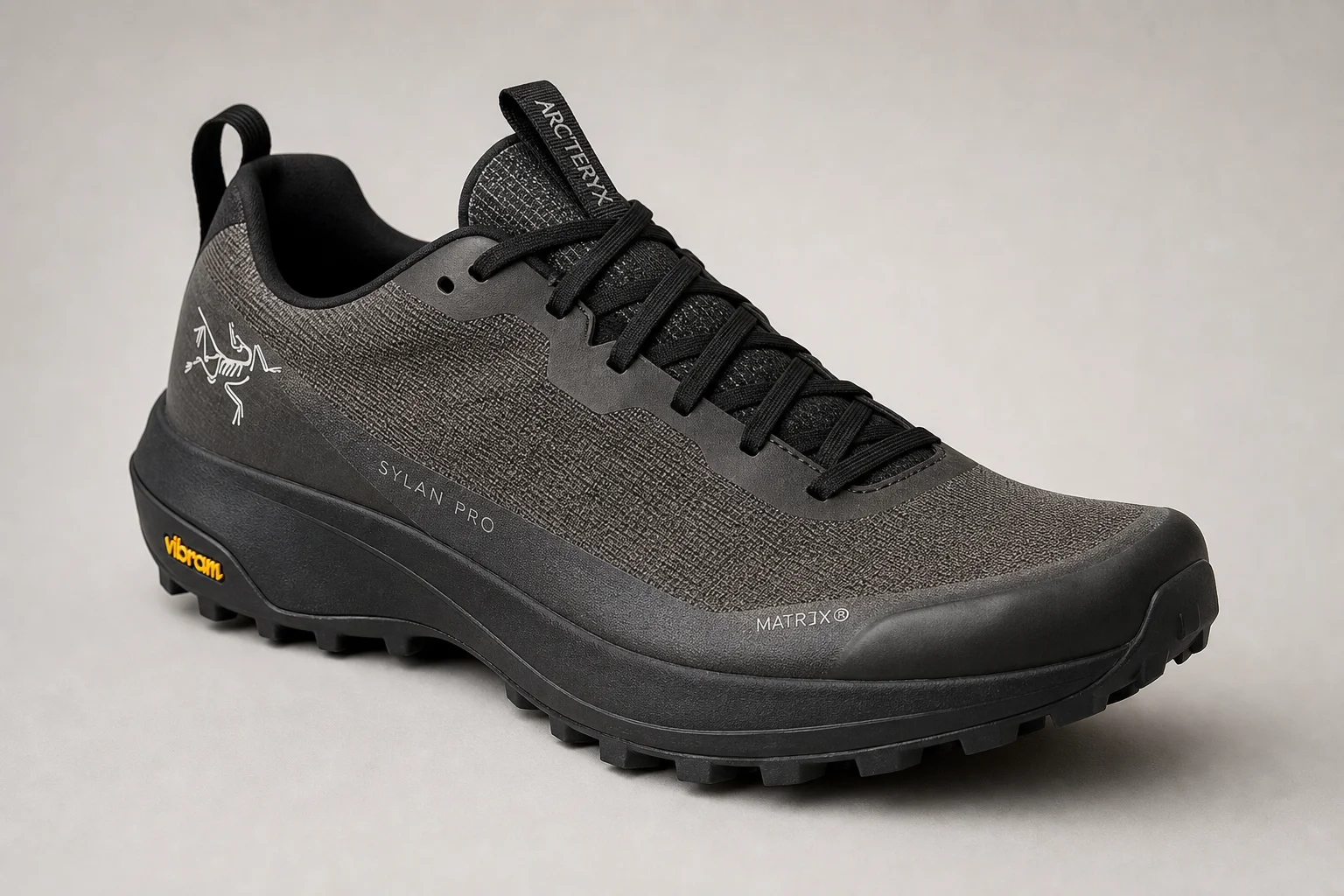
Arc'teryx Sylan Pro Review: A Rocker-Focused Mountain Running Shoe Tested on 20 Miles
The Arc'teryx Sylan Pro brings a pronounced rocker geometry and secure fit to mountain terrain. We tested it on a 20-mile Sawtooth loop to evaluate its climbing efficiency, protection, and handling of technical descents.
Trail Running Shoes
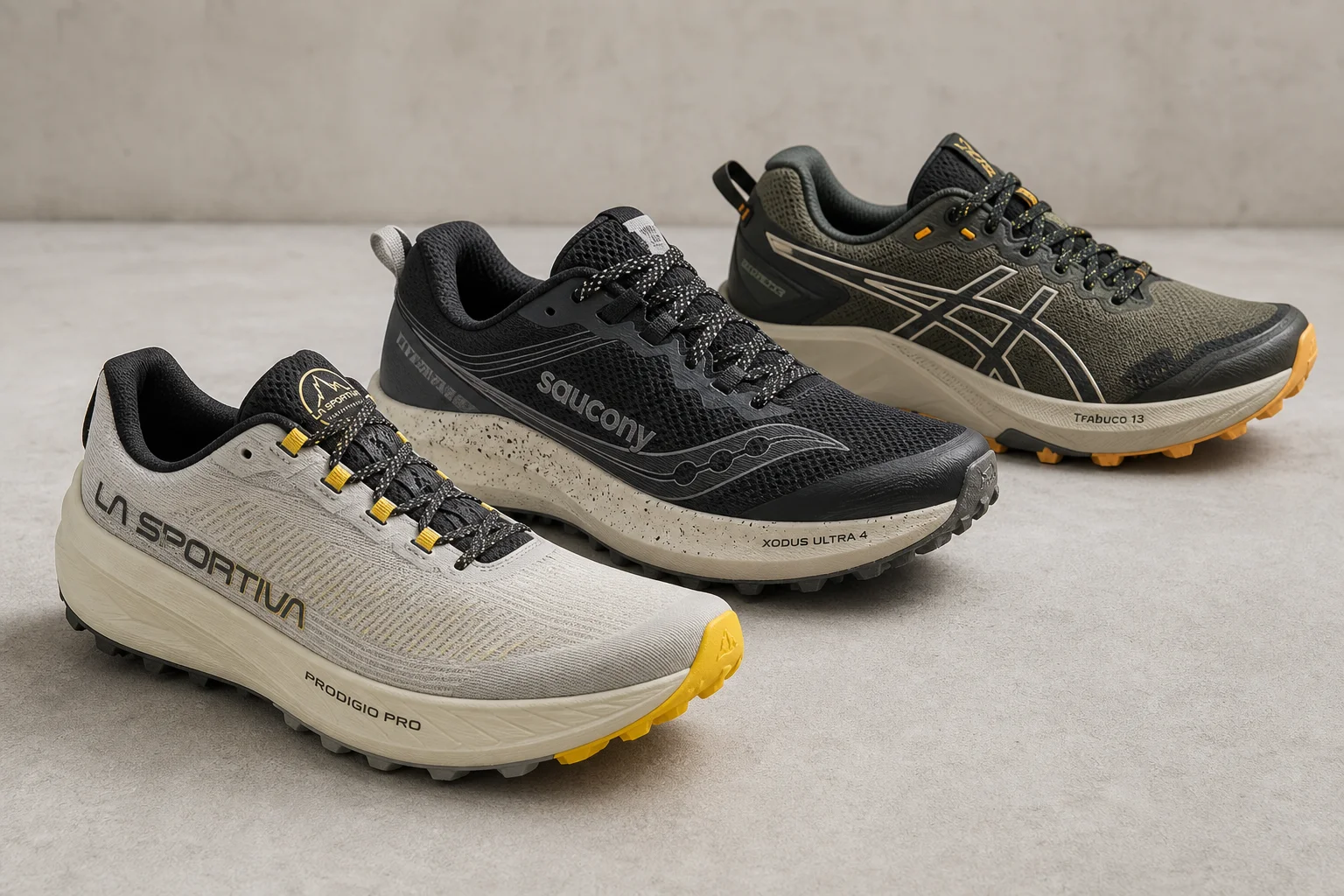
Best All-Mountain Trail Running Shoes: Three Versatile Options for Any Trail
A focused roundup of three all-mountain trail running shoes that handle technical terrain, long distances, and variable conditions with real strengths and practical trade-offs.