Trail Running Shoes
Saucony Peregrine 16 First Impressions: Sticky Vibram Grip Finally Arrives
A closer look at the Saucony Peregrine 16 trail shoe, with deeper cushioning, a lighter build, and the Vibram MegaGrip outsole riders have been asking for.
Introduction
The Saucony Peregrine has been one of the most consistent trail running shoes of the past decade, and the Peregrine 16 arrives with the single most requested update in the line’s history: a sticky Vibram MegaGrip rubber outsole. After years of in-house rubber that divided opinion, this change alone makes the new version worth a serious look. This first-impressions review covers the key updates, a 7.7-mile test run through very wet and muddy woodland, and who the shoe will suit best.
Spec Overview: What Has Changed
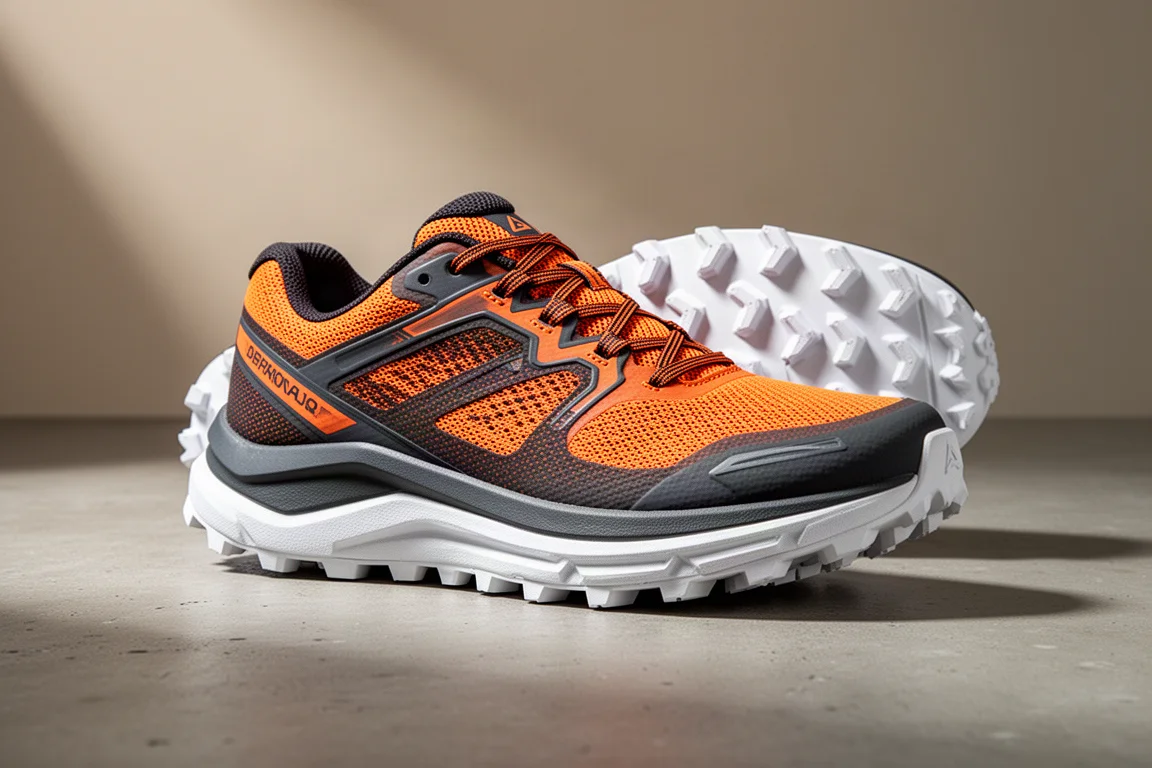
The Peregrine 16 gets a deeper stack of cushioning in the midsole, now measuring 32mm at the heel and 28mm under the forefoot, while retaining the 4mm heel offset the model is known for. Weight actually drops slightly compared to the Peregrine 15, with a UK 9.5 pair tipping the scales at 301g. In the UK the shoe retails for £140, a £10 increase over the previous version, which is understandable given the cost of the new Vibram rubber.
The upper uses a lightweight, highly breathable and durable engineered mesh, with moderate padding in the gusseted tongue and around the ankle collar and heel. A substantial heel cradle gives the back end of the shoe plenty of structure, and TPU overlays around the lace eyelets and toe box add durability. There is also a solid toe bumper for upfront trail protection, a heel pull loop, and a small gaiter attachment point at the bottom of the laces.
The Standout Update: Vibram MegaGrip Outsole
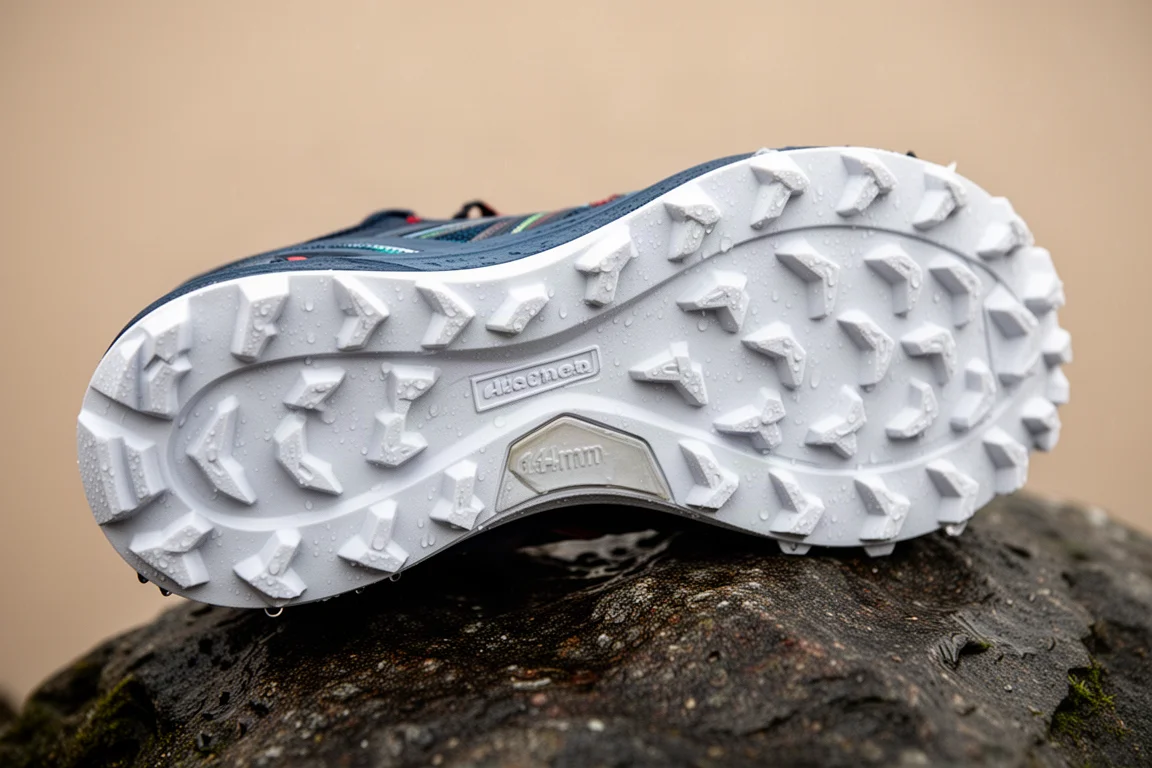
The headline change is the 4mm-lugged Vibram MegaGrip outsole, a compound long requested by Peregrine fans who found the previous in-house rubber lacking. Flip the shoe over and you will also spot a rock plate worked into the forefoot of the midsole. Saucony’s rock plates have historically offered strong underfoot protection on sharp, rocky trails without making the shoe feel stiff, and that philosophy continues here.
Inside, the standard PowerRun foam has been increased in depth by 4mm and paired with PowerRun Plus insoles. These add a noticeable layer of plushness and bounce close to the foot, and the difference is apparent even when trying the shoe on indoors before a run.
On the Trail: First Run Report
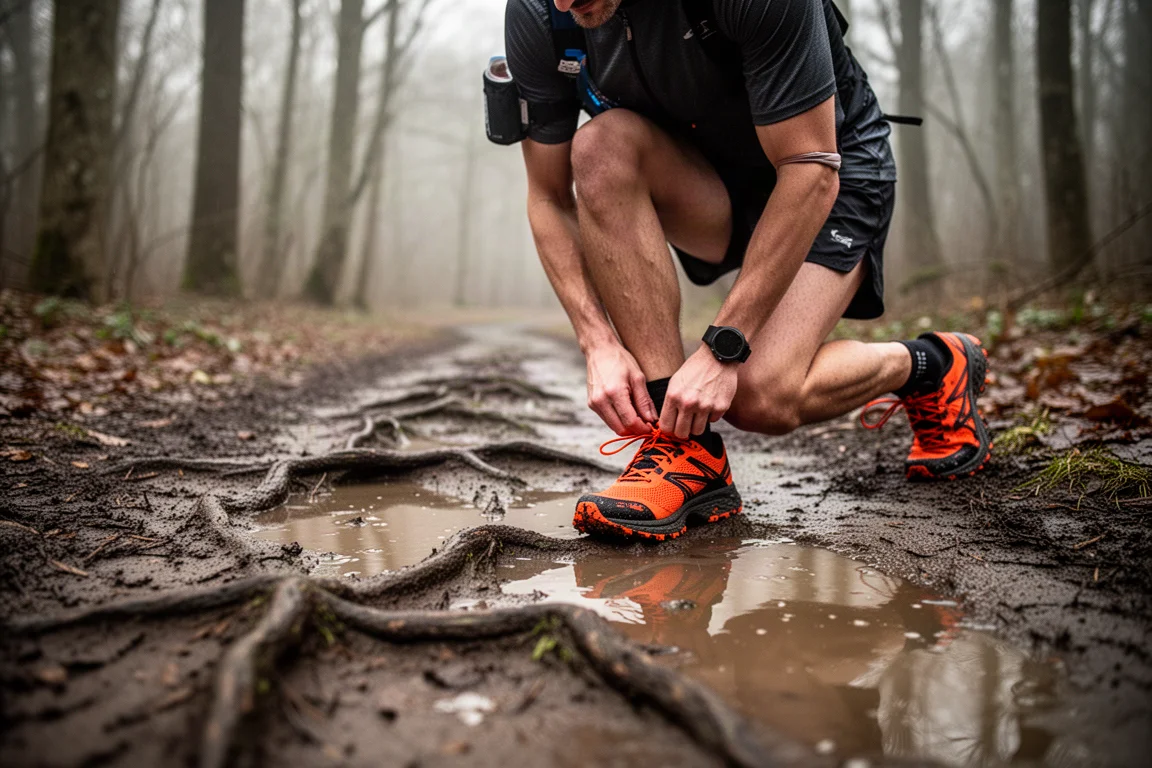
Testing took place in very wet, very muddy woodland with standing water, slick mud, and wet roots, about as thorough a first test as conditions allow. Straight out of the box, the shoe felt instantly comfortable with no rubbing or irritation. It fits true to size with good lockdown around the midfoot, a secure heel hold, and average width in the toe box. Despite some impressions online, the toe box width is very similar to the Peregrine 15.
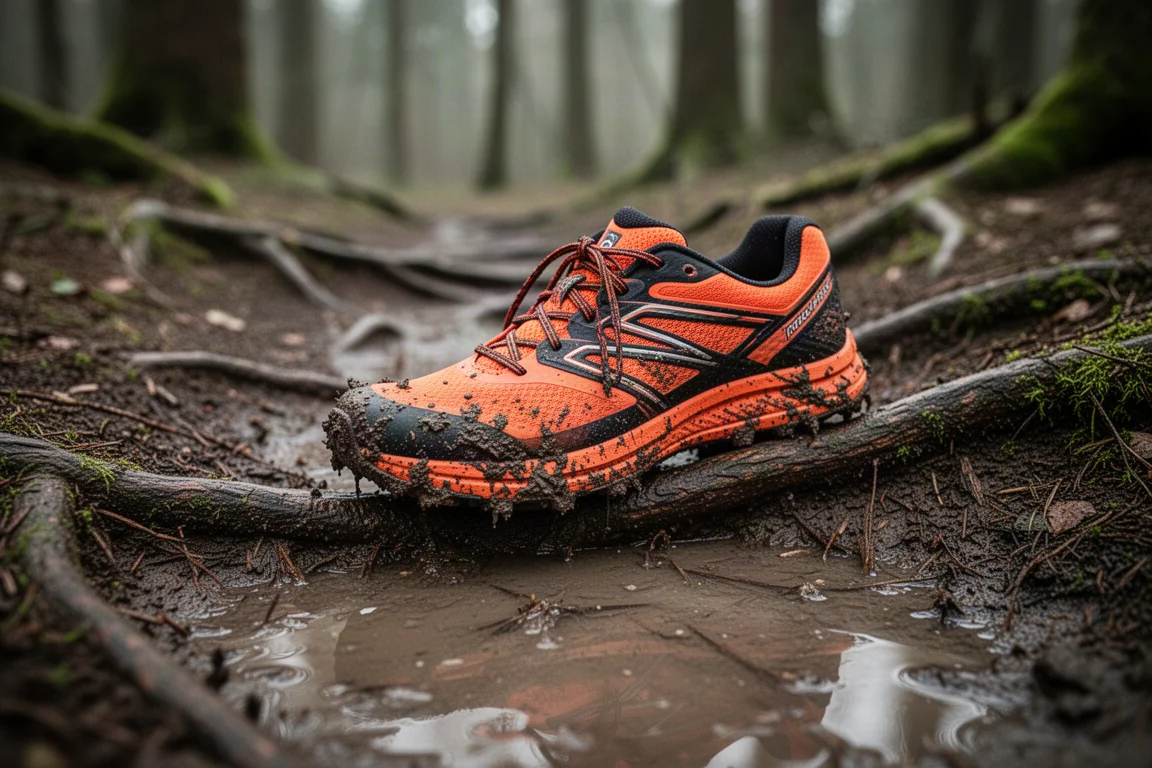
Over 7.7 miles, the deeper midsole delivered a little more plushness underfoot than the 15, though this is still not a deeply cushioned, super bouncy trail shoe. The ride felt responsive with good flex at the midfoot and a stable, connected feel. Grip on wet rock and greasy pavement was excellent, and the MegaGrip outsole inspired real confidence in footing. Traction in deep mud was only adequate, however: with just a 4mm lug, there were a few moments of lost grip in the worst bogs. A 5mm lug would make the shoe more versatile all-round, as competitors with deeper lugs handle heavy mud better.
Should You Buy the Peregrine 16?
If you liked previous Peregrines but felt the outsole let the shoe down, the 16 directly addresses that complaint. Grip performance has improved massively, and the deeper cushioning stack means the shoe should handle longer distances well. The test run suggests this version outperforms the 11 through 15, coming close to the much-loved Peregrine 10.
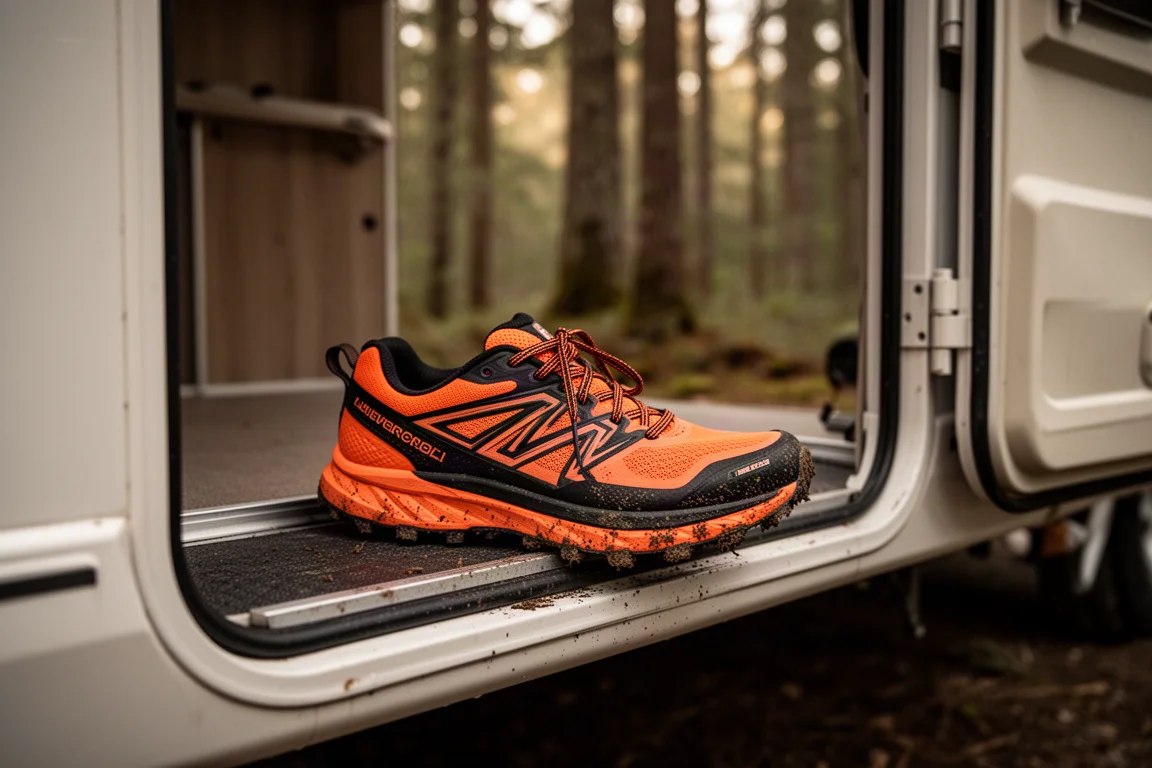
The trade-offs are the higher £140 price and the modest 4mm lugs, which are fine for mixed terrain but not ideal if your regular routes involve prolonged deep mud. For everyone else, Saucony has built a genuinely versatile trail shoe here.
Conclusion
The Peregrine 16 is a thoughtful update that fixes the line’s weakest link while keeping everything that made it popular: comfortable fit, protective rock plate, and a responsive, stable ride. If Vibram grip on a Peregrine has been on your wishlist, this is the version to buy.
Product link
View more details for Saucony Peregrine 16
This product is mentioned in the review. Check the specifications, options, and compatibility before buying.
View more details for Saucony Peregrine 16Further reading
Related Reviews
Trail Running Shoes
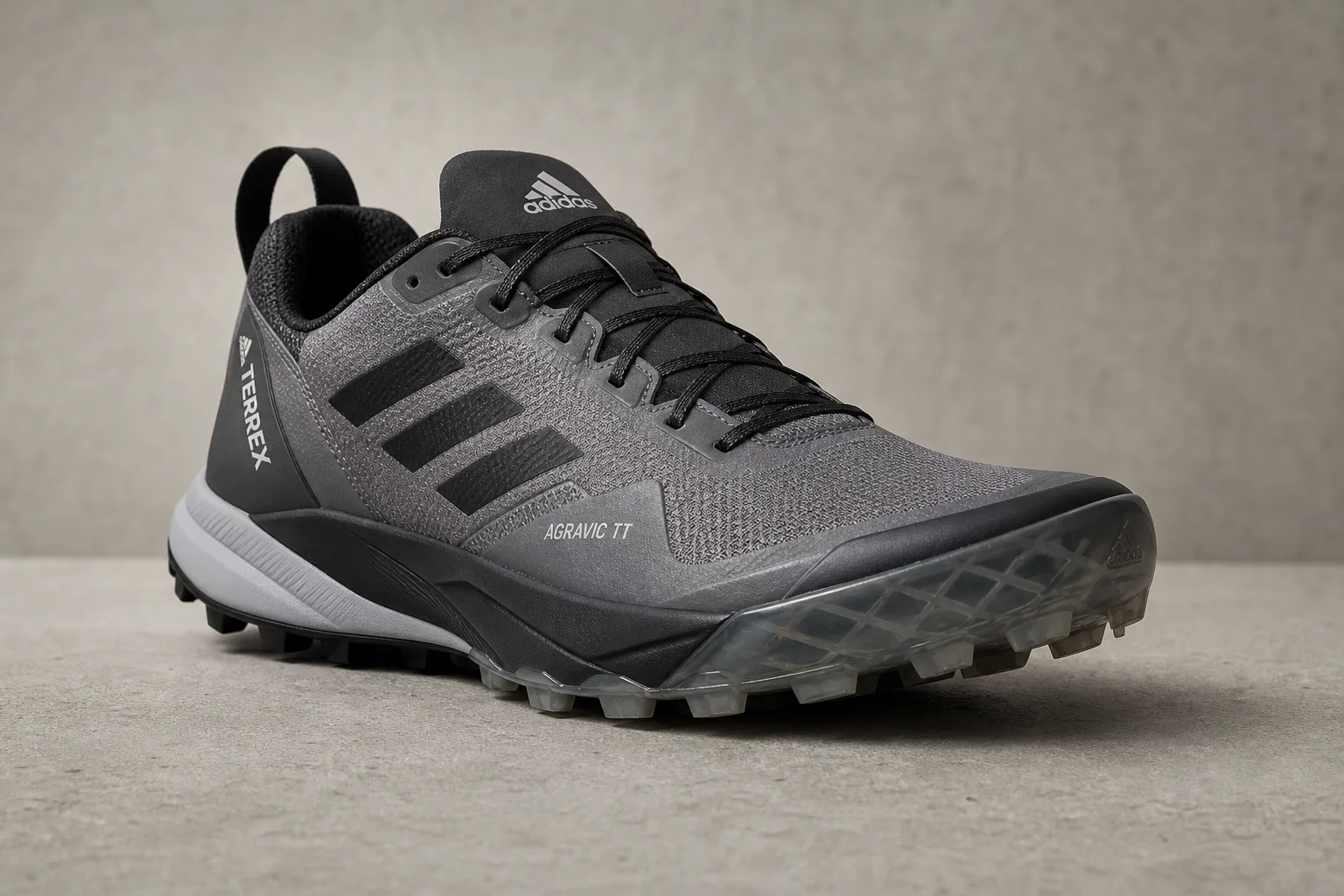
Adidas Terrex Agravic TT Review: A Technical Trail Shoe Built for Rocky Terrain
The Adidas Terrex Agravic TT combines a full-coverage rock plate with a firmer midsole to deliver protection and stability on technical, rocky trails. A capable choice for runners who prioritize underfoot defense over lightweight cushioning.
Trail Running Shoes
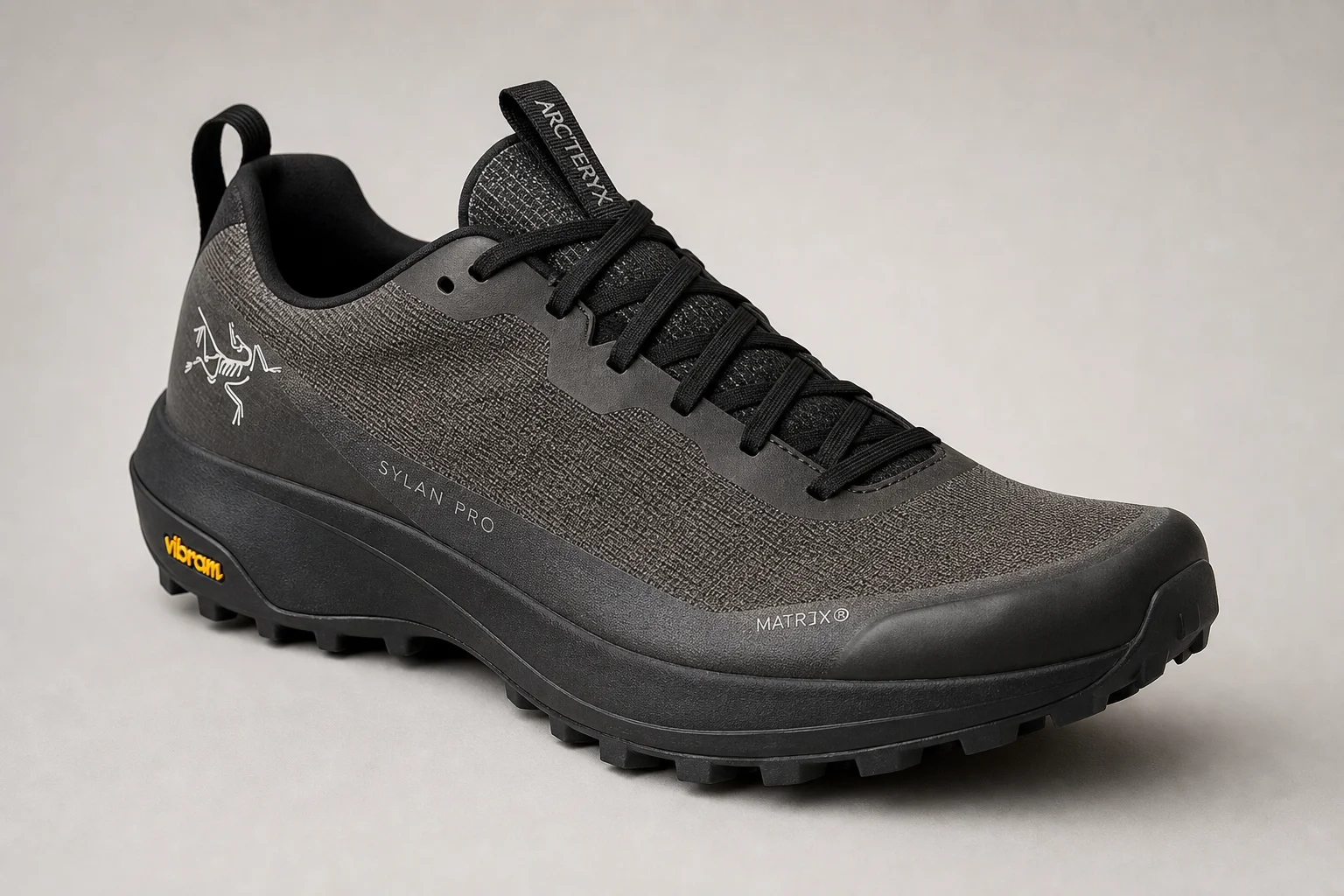
Arc'teryx Sylan Pro Review: A Rocker-Focused Mountain Running Shoe Tested on 20 Miles
The Arc'teryx Sylan Pro brings a pronounced rocker geometry and secure fit to mountain terrain. We tested it on a 20-mile Sawtooth loop to evaluate its climbing efficiency, protection, and handling of technical descents.
Trail Running Shoes
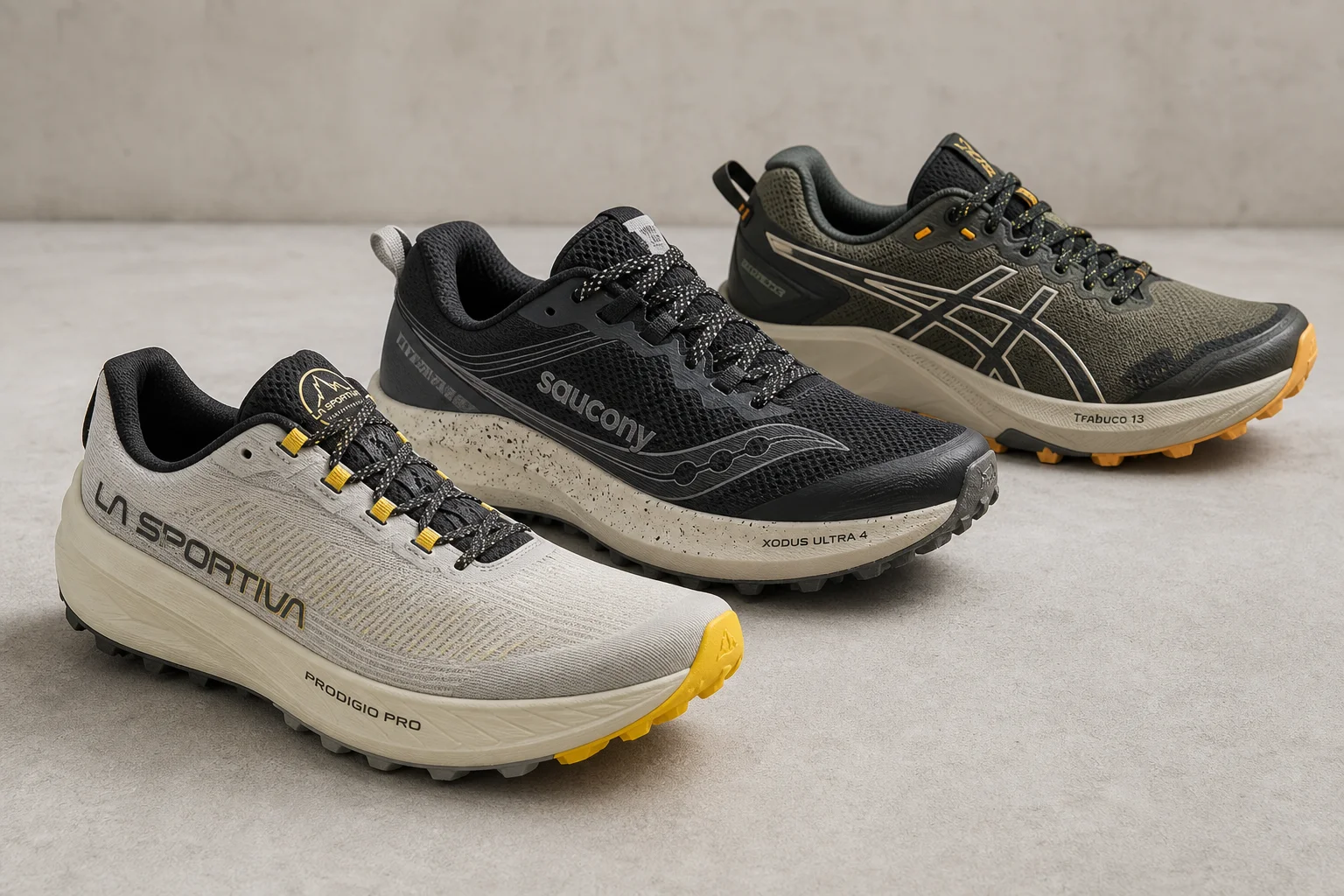
Best All-Mountain Trail Running Shoes: Three Versatile Options for Any Trail
A focused roundup of three all-mountain trail running shoes that handle technical terrain, long distances, and variable conditions with real strengths and practical trade-offs.