Trail Running Shoes
Saucony Peregrine 14 Review: The All-Rounder Trail Shoe Most Runners Should Buy
A versatile, comfortable trail running shoe with reliable grip, a protective rock plate, and a firmer ride that suits everything from muddy forest tracks to road-to-trail commutes.
Introduction
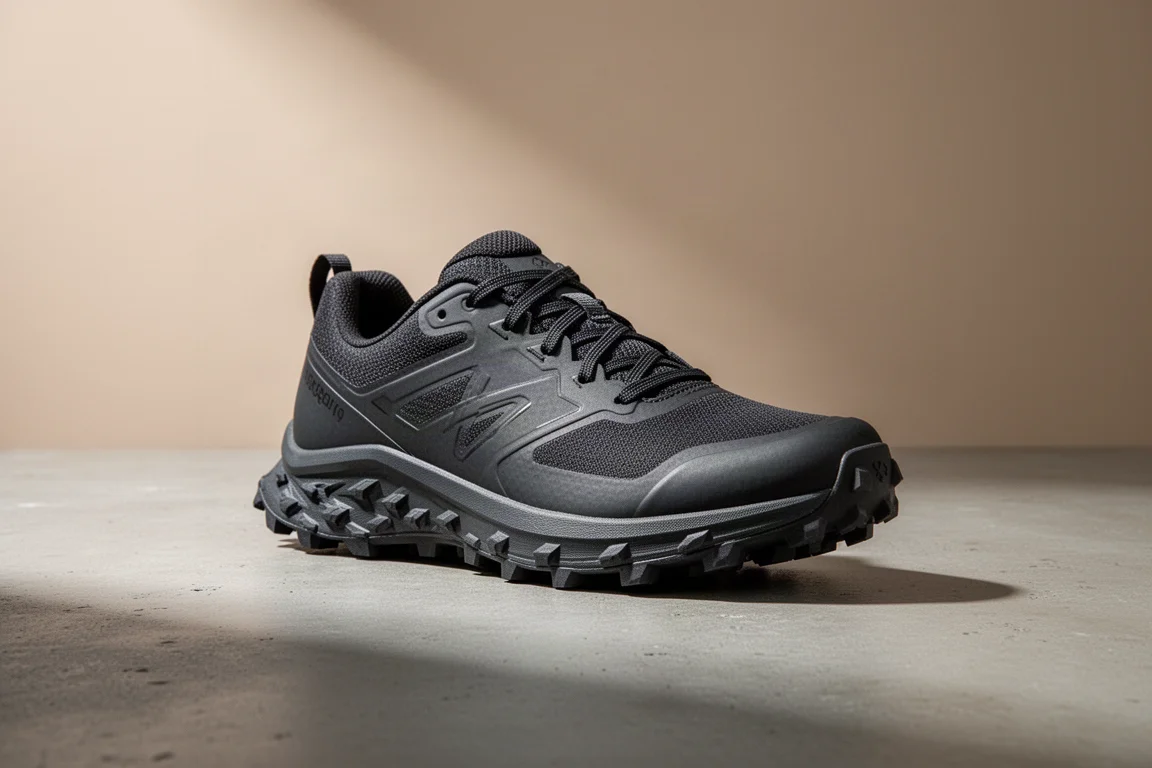
The Saucony Peregrine 14 is the latest addition to a long-running and very popular line of trail running shoes. It is very similar all round to the Peregrine 13, with the main updates focused on the upper, but it keeps the same versatile formula that has made the Peregrine one of the go-to recommendations for anyone getting into trail running. At £135 in the UK or $140 in the US, it positions itself as a dependable all-rounder rather than a specialist.
Overview and Key Specs
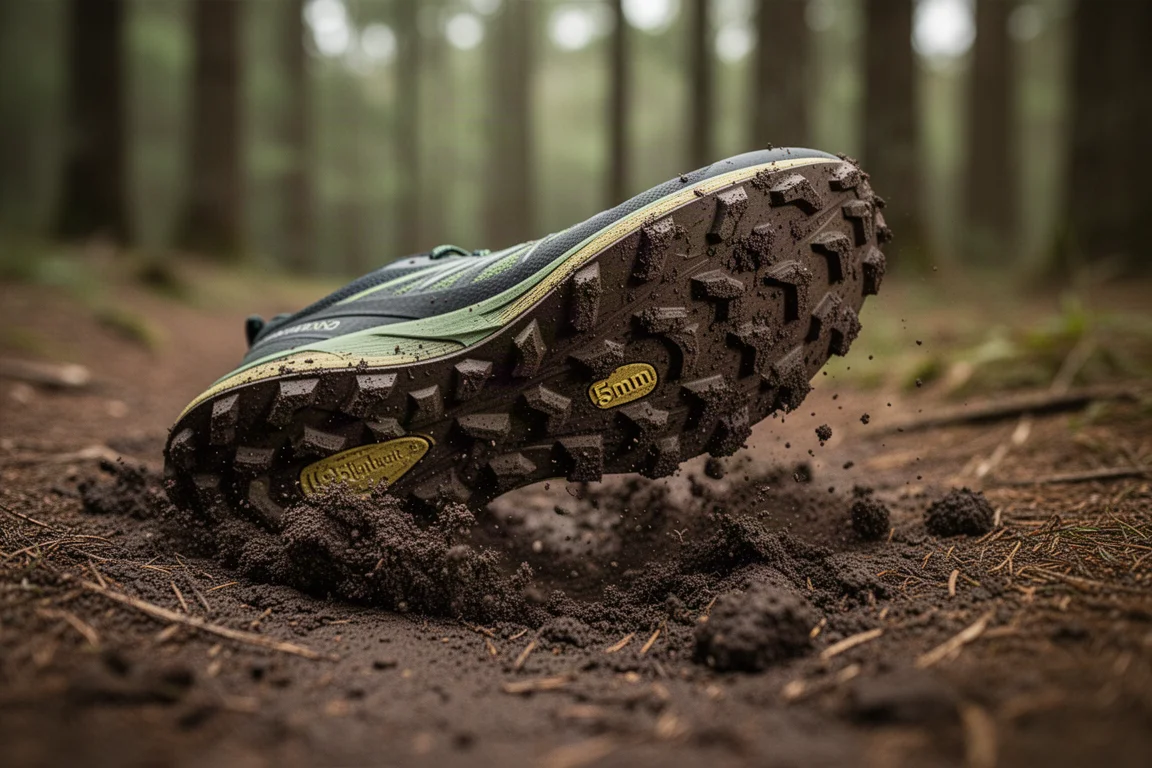
In a UK size 9 the Peregrine 14 weighs 295g (10.4oz). You get a 4mm drop with a stack height of 28mm at the heel and 24mm at the forefoot. The midsole is made entirely of Pwrrun foam, described as a slightly softer version than previous models, paired with a Pwrrun+ sock liner for a marginally bouncier insole feel. A rock plate sits in the midsole to protect against jagged ground, and the PwrTrac rubber outsole carries 5mm lugs designed to handle everything from muddy ground to harder, rockier trails.
The redesigned upper is where most of the updates live. Saucony says it offers a slightly better fit and more comfort, with a more comfortable tongue, better protection from debris, a toe bumper as you would expect from a trail shoe, and a generous amount of padding around the heel and tongue for a nice step-in feel.
Fit and Sizing
Most testers found the Peregrine 14 fits well in their regular Saucony size, though it can come up a touch snug and slightly small in the toe box. Heel hold and midfoot lockdown are genuinely secure on climbs and on steep, fast descents, and there is plenty of toe clearance lengthwise with no toe bashing on steeper sections.

If you often like extra wiggle room in the toe box, or you are planning to take this shoe into ultra territory, going half a size up may be a smart move. For regular trail outings up to a couple of hours, staying true to size is the safer recommendation. One note on early wear: some light rubbing on the heel appeared during a first long trail run but settled once the shoe loosened up, with no issues since.
Ride and Performance
The Peregrine 14 still runs firm. The midsole may be a touch softer than the Peregrine 13, but the difference is marginal, so do not buy this expecting a plush, max-cushion feel. It does not cushion like a Hoka Speedgoat or a Merrell Agility Peak 5, which is a downside on long stretches of hard ground, but the flip side is a good response and plenty of trail feel. You stay connected to what is happening underfoot, which many runners will love.
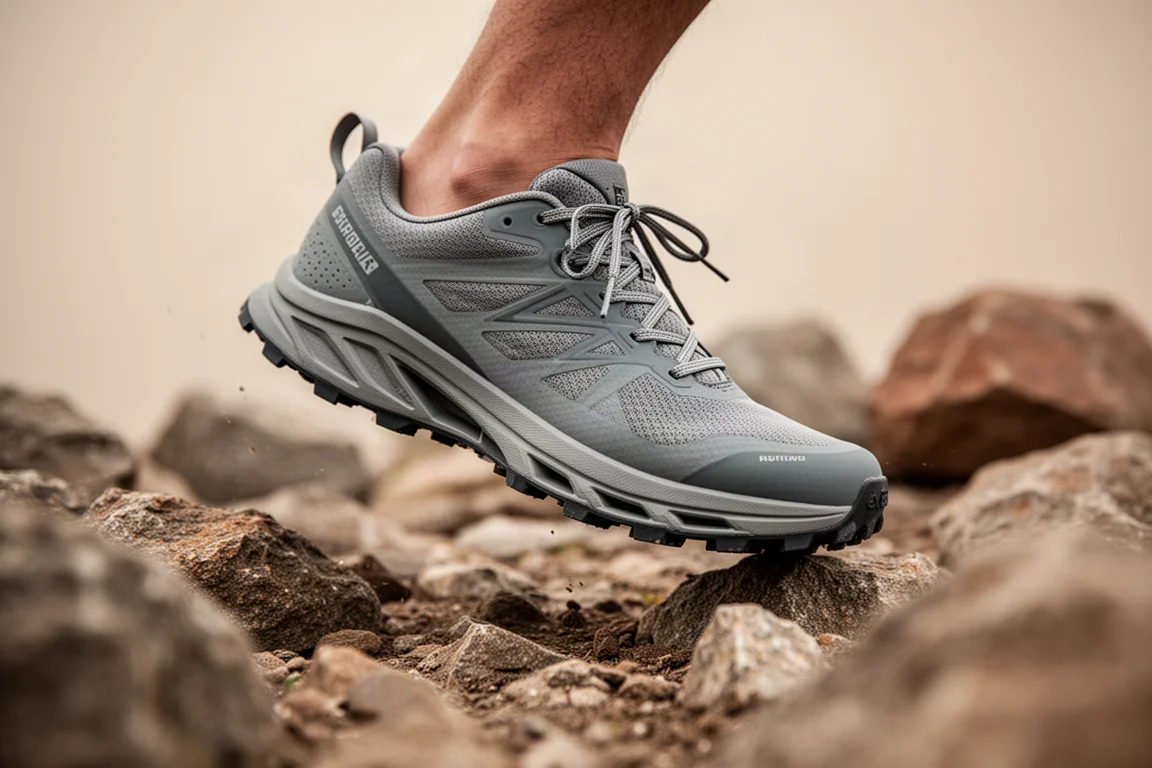
The lower stack and 4mm drop are a welcome change from the big-stack daily trainers dominating the market. This is a shoe that encourages a light, fast foot turnover, responds well when picking your way along fast-switching trails, and feels nicely controlled, balanced and agile. It also runs lighter on the foot than the scales suggest. For runs up to around two hours it is comfortable enough, though heavier runners picking their way down steep hills may want a shade more cushioning for really long days out.
Grip, Durability and Who It Suits
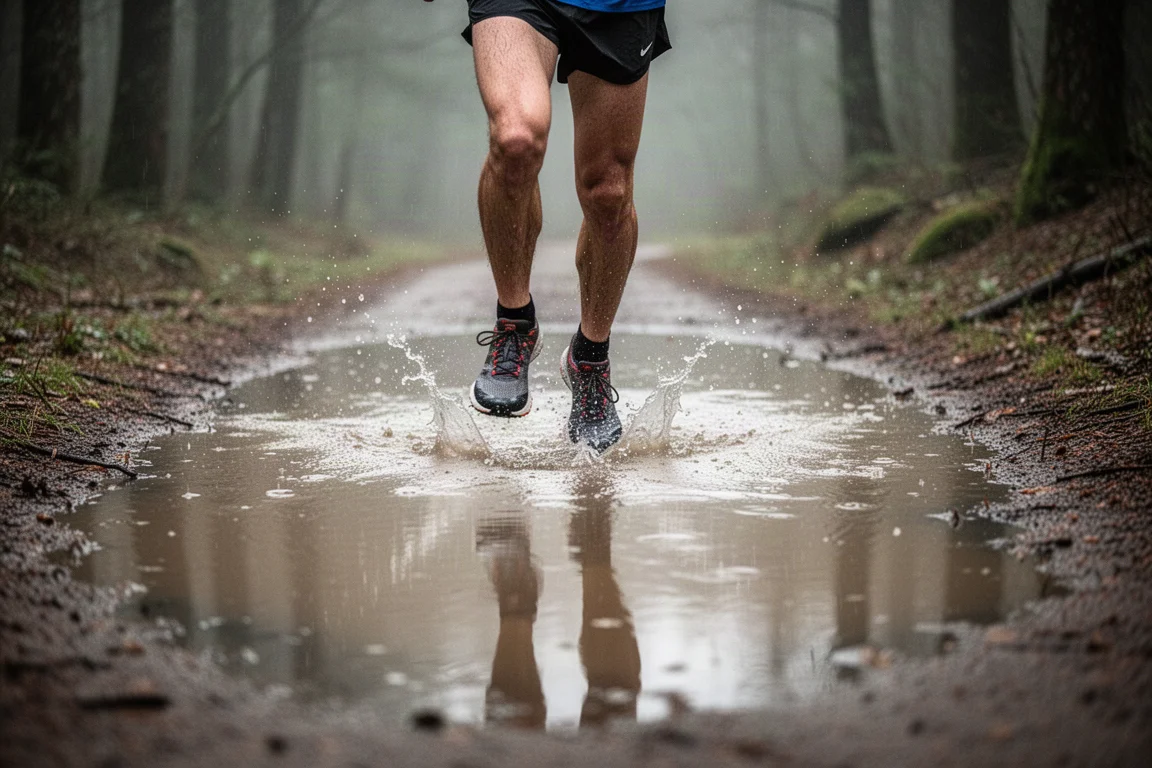
The PwrTrac outsole grip is excellent in most conditions. The big 5mm lugs bite nicely into softer ground, and the shoe sheds mud well, which is not always the case with all-rounders whose lugs sit closer together. The only real struggles came in very wet, sloppy mud and on the slipperiest river-coated cobbles, conditions few shoes handle well. The rock plate does a solid job against stones and lumps, and the sturdy upper with good rip and scrape protection looks built to last, with a midsole and outsole that should survive plenty of big miles.
If you want one shoe for everything, this is exactly the kind of pick that works. You can race in it, run easy in it, and even walk in it. It is a brilliant road-to-trail option on softer ground, though on firm pavement the firmer ride shows. It is less convincing as a specialist: on hard rocky trails you would want more cushioning, and for deep muddy hills shoes with longer, more aggressive lugs such as Inov-8’s Mudclaw range grip better.
Alternatives to Consider
If your running skews toward very long distances or more hard ground than soft, the Saucony Exodus Ultra 2 offers more cushioning and a springier feel thanks to Pwrrun PB in the midsole. The Puma Voyage 3 is another very comfortable all-rounder, probably slightly more comfortable on hard ground though not quite as good on soft stuff. For nippier soft-ground running, the Inov-8 MudTalon Speed brings more speed with less cushioning, best kept to about an hour per run.
Conclusion
The Saucony Peregrine 14 is another really good all-rounder trail shoe. It copes with pretty much any terrain, runs relatively light and fast, and pairs reliable grip with a comfortable, protective upper. It is a jack of all trades rather than a specialist, which is precisely why it remains one of the first shoes to recommend to anyone buying a single trail shoe. One buying note: because the updates over the Peregrine 13 are modest, hunting down a discounted Peregrine 13 may represent better value, and the Peregrine 14 will no doubt become that discounted pick itself in time. As a dependable, agile, well-priced off-road tool, it earns its place in any runner’s toolbox.
Product link
View more details for Saucony Peregrine 14
This product is mentioned in the review. Check the specifications, options, and compatibility before buying.
View more details for Saucony Peregrine 14Further reading
Related Reviews
Trail Running Shoes
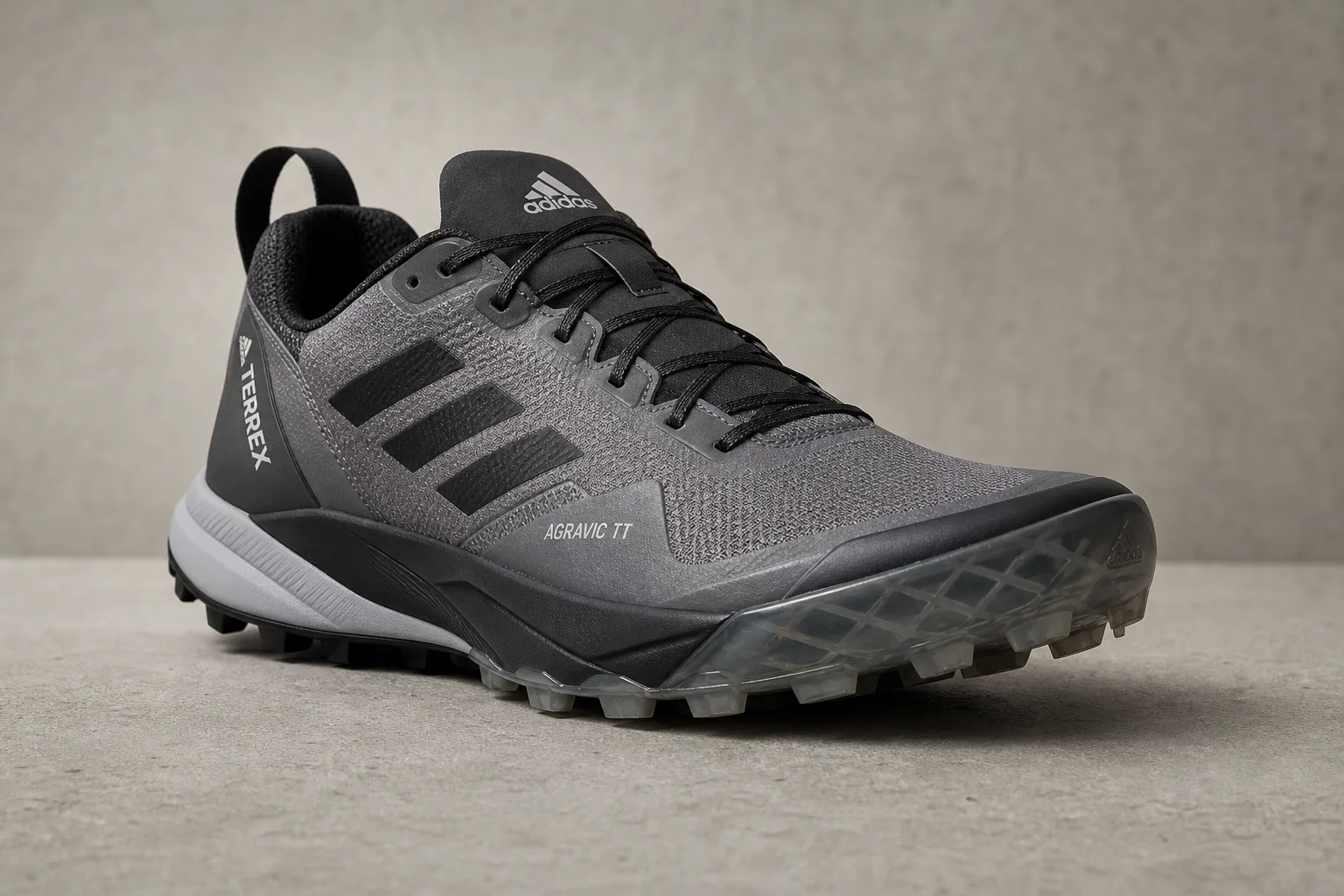
Adidas Terrex Agravic TT Review: A Technical Trail Shoe Built for Rocky Terrain
The Adidas Terrex Agravic TT combines a full-coverage rock plate with a firmer midsole to deliver protection and stability on technical, rocky trails. A capable choice for runners who prioritize underfoot defense over lightweight cushioning.
Trail Running Shoes
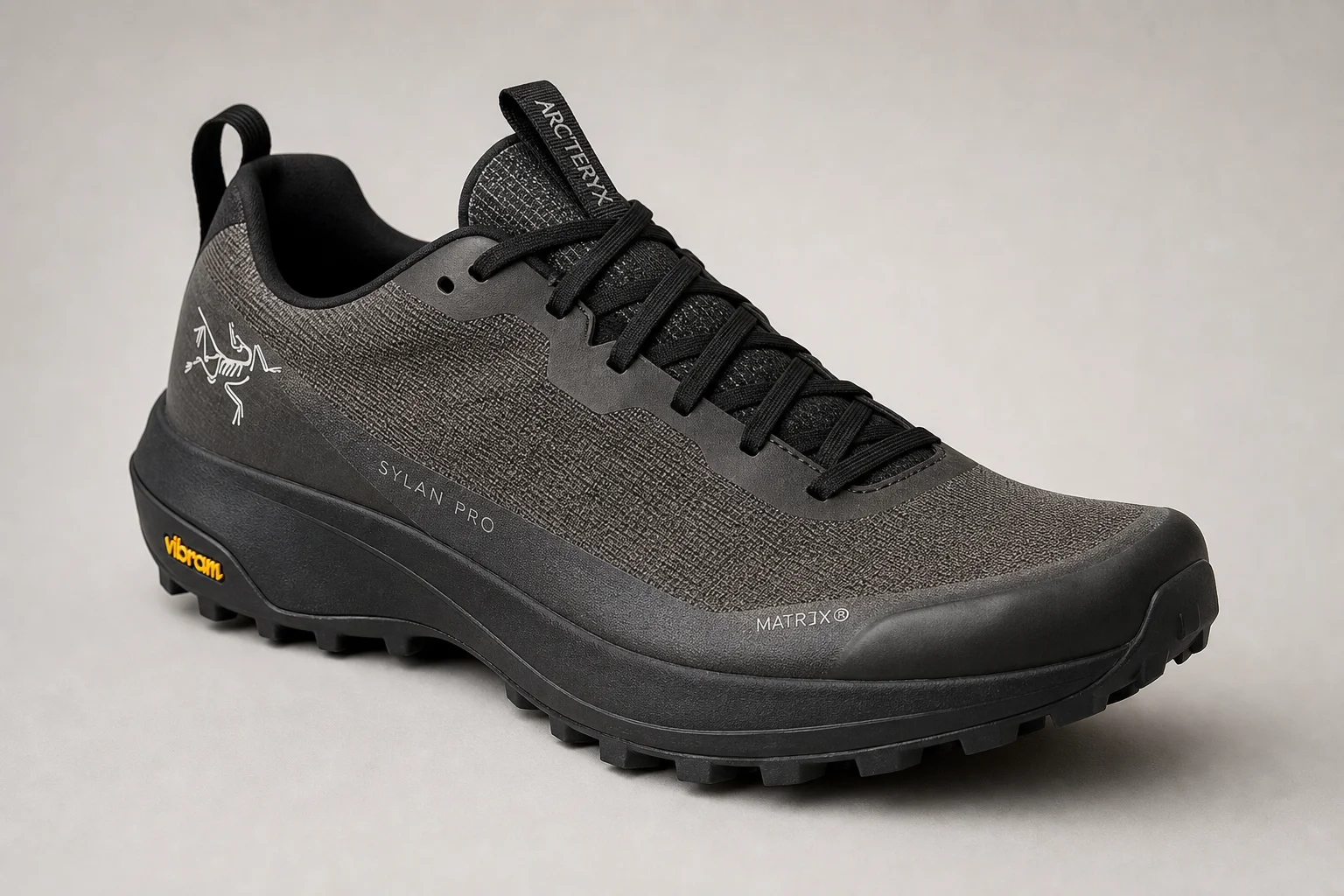
Arc'teryx Sylan Pro Review: A Rocker-Focused Mountain Running Shoe Tested on 20 Miles
The Arc'teryx Sylan Pro brings a pronounced rocker geometry and secure fit to mountain terrain. We tested it on a 20-mile Sawtooth loop to evaluate its climbing efficiency, protection, and handling of technical descents.
Trail Running Shoes
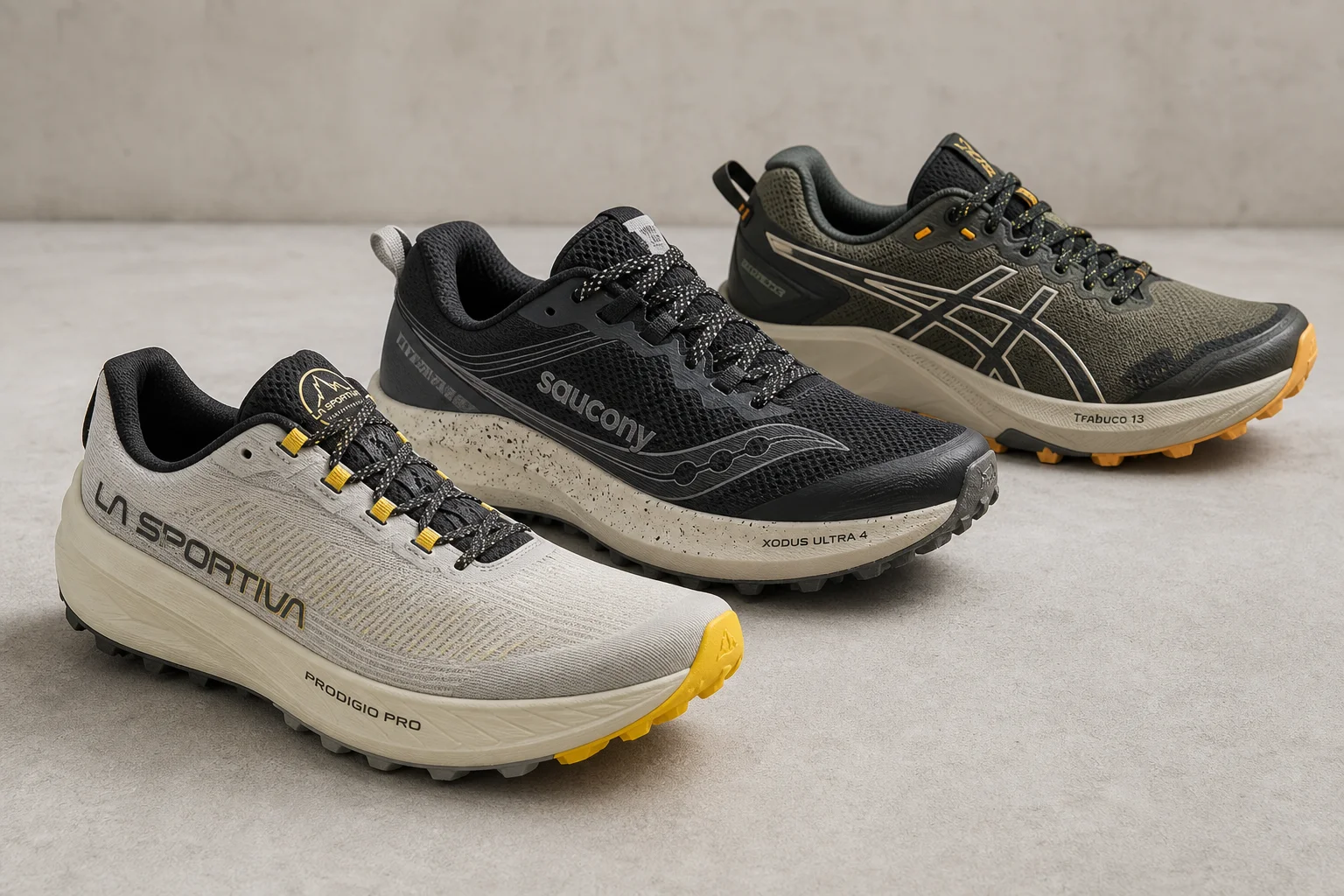
Best All-Mountain Trail Running Shoes: Three Versatile Options for Any Trail
A focused roundup of three all-mountain trail running shoes that handle technical terrain, long distances, and variable conditions with real strengths and practical trade-offs.