Trail Running
Saucony Peregrine 13 vs Exodus Ultra 2: Which Trail Shoe Wins?
Two of Saucony's most popular trail running shoes go head to head on cushioning, grip, fit and long-distance comfort.
Introduction
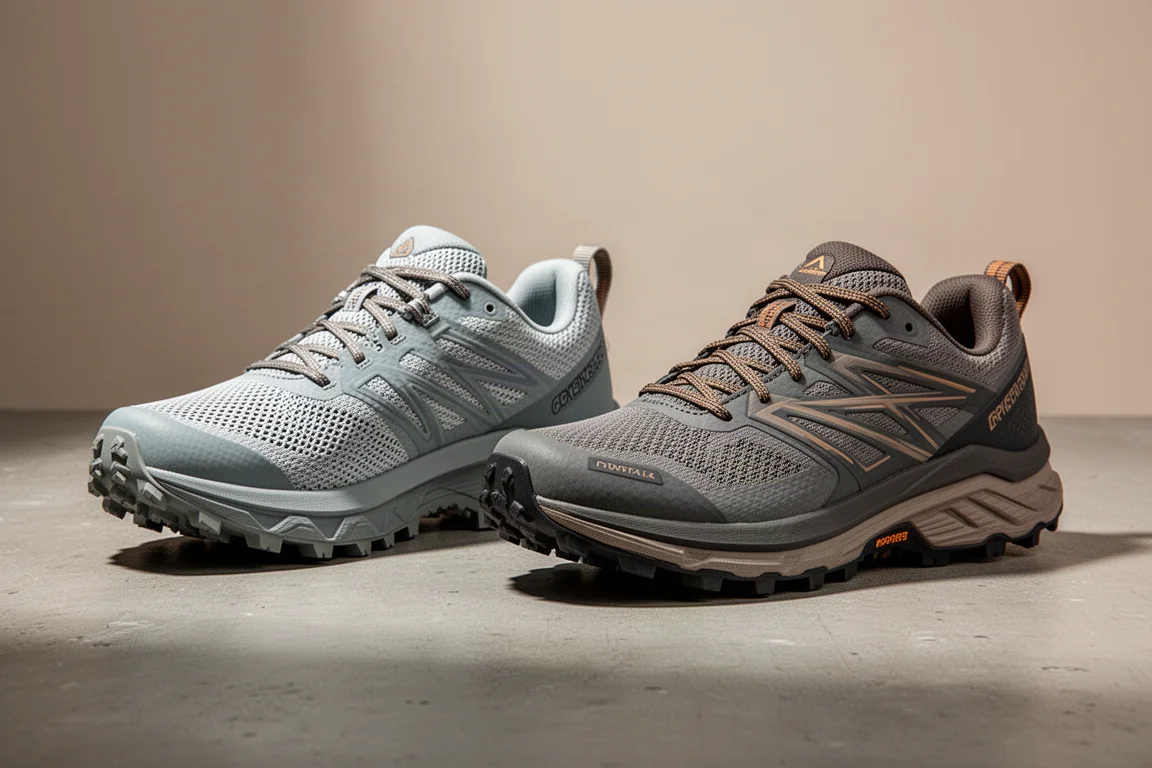
Saucony’s Peregrine 13 and Exodus Ultra 2 are two trail running shoes that are easy to love, and now that the Peregrine has had a significant update, they are closer than ever. Both share a lot of DNA, but a few key differences in midsole construction, fit and lugging depth could decide which one belongs on your feet.
At a Glance: Specs and Pricing
The Peregrine 13 is the more affordable of the pair, retailing at £130 in the UK, while the Exodus Ultra 2 sits slightly higher at £145. Both shoes tested here are a UK 9.5.
Weight is nearly identical: the Exodus Ultra 2 comes in at 302g, while the Peregrine 13 has slimmed down to 290g. Heel offset differs by just 2mm too, with the Exodus Ultra 2 at 6mm and the Peregrine 13 at 4mm, unlikely to be noticeable out on the trail.

Midsole: The Real Difference Between These Shoes
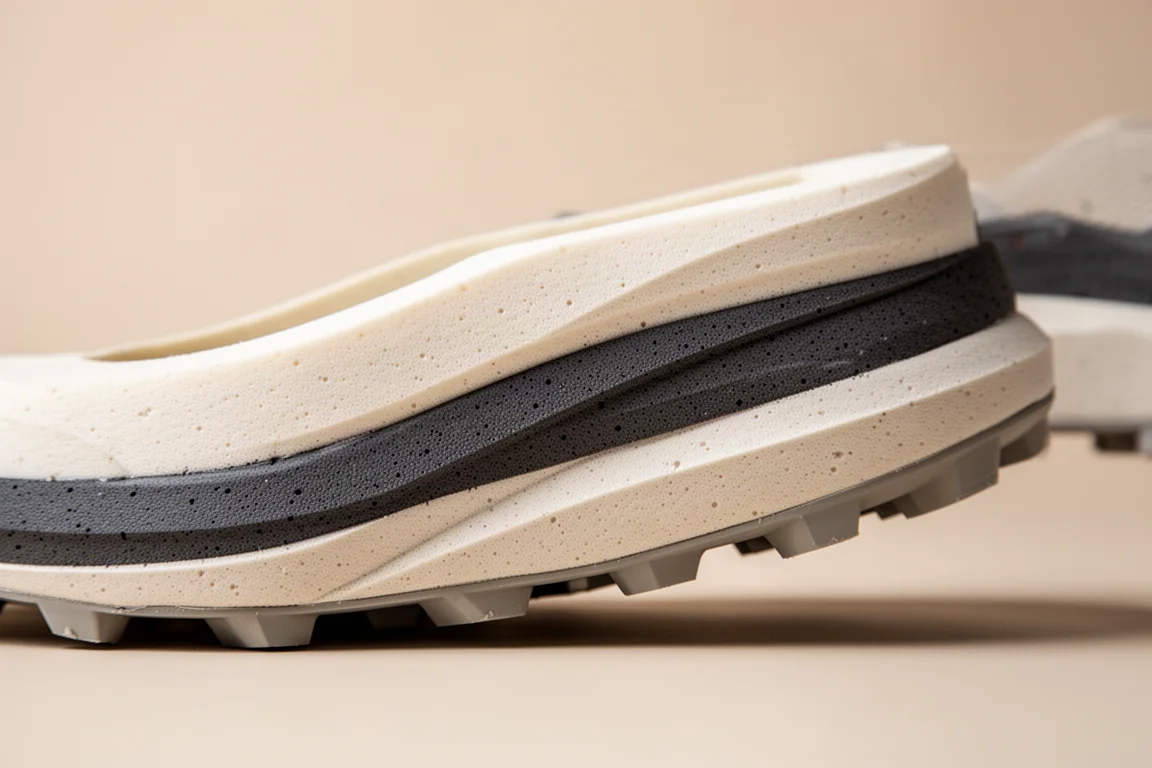
Saucony added an extra 1.5mm of cushioning to the Peregrine 13, bringing it to 28mm at the heel and 24mm at the forefoot. The Exodus Ultra 2 offers deeper cushioning at 32.5mm heel and 26.5mm forefoot. But stack height is not the whole story.
The Peregrine 13 uses a full PWRRUN midsole that feels noticeably softer than the more stripped-back Peregrine 12. The Exodus Ultra 2 takes a dual-compound approach: a core of PWRRUN PB, the same performance foam used in Saucony’s Endorphin road racing lineup, wrapped in a PWRRUN cradle for durability and stability on technical trails. In practice, the Exodus feels bouncier, plusher and slightly more efficient over distance.
Outsole and Grip
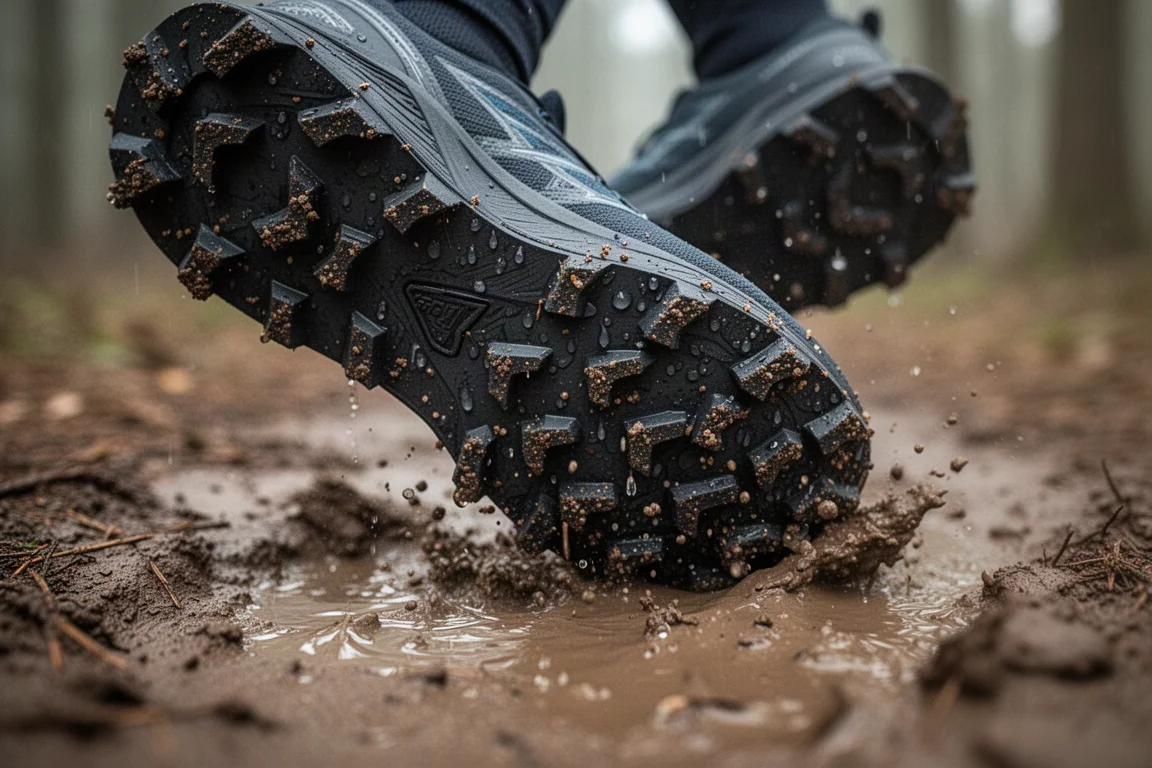
Both shoes use Saucony’s sticky PWRTRAC rubber and a flexible rock plate under the forefoot for protection on rocky trails. Lug patterns are similar, though the Peregrine 13 has a slightly deeper 5mm lug compared to 4.5mm on the Exodus Ultra 2, which may give it a small edge in wet, muddy conditions. Real-world performance of both outsoles has proven solid.
Upper and Fit
Both uppers proved breathable, with a gusseted tongue and similar lacing. The Peregrine 13 offers a more precise, locked-in feel that suits narrower feet, while the Exodus Ultra 2 provides more volume in the midfoot and toe box, plus extra padding at the ankle collar and an elasticated debris shield. The Exodus also has two extra eyelets for fit customisation. Neither is a wide-fitting shoe.
Long-Distance Comfort and Durability
The updated Peregrine 13 now handles distance far better than its predecessor, with a comfortable ride, confident feel on technical terrain and the Poweramp insole adding to the package. It would happily take on distances up to 100K.
The Exodus Ultra 2, however, has an impressive track record: no hot spots or blisters over long, challenging runs including the TDS at UTMB, the Hurtwood 50K and half of the Arc of Attrition. The PWRRUN PB foam is also remarkably durable, with over 400 miles logged in the original Exodus Ultra and the midsole still going strong.

The Verdict
If forced to choose, the Exodus Ultra 2 edges it as the more versatile trail option, largely thanks to its dual-compound midsole. But the Peregrine 13 is the better pick for quicker, nimbler runs over technical terrain, and both remain excellent shoes.
Conclusion
The Peregrine 13 suits runners who want a light, connected feel on faster trail runs, while the Exodus Ultra 2 rewards those who prioritise plush cushioning, durability and long-distance reliability. Either way, Saucony’s 2023 trail lineup is in strong form.
Product link
View more details for Saucony Peregrine 13
This product is mentioned in the review. Check the specifications, options, and compatibility before buying.
View more details for Saucony Peregrine 13Further reading
Related Reviews
Trail Running
How to Choose Trail Running Shoes: A Guide to Shoe Type, Cushioning, and Drop
Learn the three most important factors when selecting trail running shoes: shoe type, cushioning level, and heel-to-toe drop.
Trail Running
Trail Running Poles: A Complete Guide to Technique, Fit, and Use
Learn why trail running poles redistribute workload, how to choose the right length and strap system, and master three essential climbing techniques for longer races.
Trail Running
Arc of Attrition Kit List: The Gear Worth Packing for a Winter Ultra
A practical look at the shoes, waterproofs, lighting, race vest and poles lined up for a brutal 100-mile winter coastal ultra, and why each piece earned its place.