Trail Running Shoes
Saucony Peregrine 12 vs Saucony Xodus Ultra: Which Trail Shoe Deserves Your Money?
Two of Saucony's strongest trail runners share a lot of DNA, but they play very different roles in a shoe rotation. Here is how they compare on fit, cushioning, and grip.
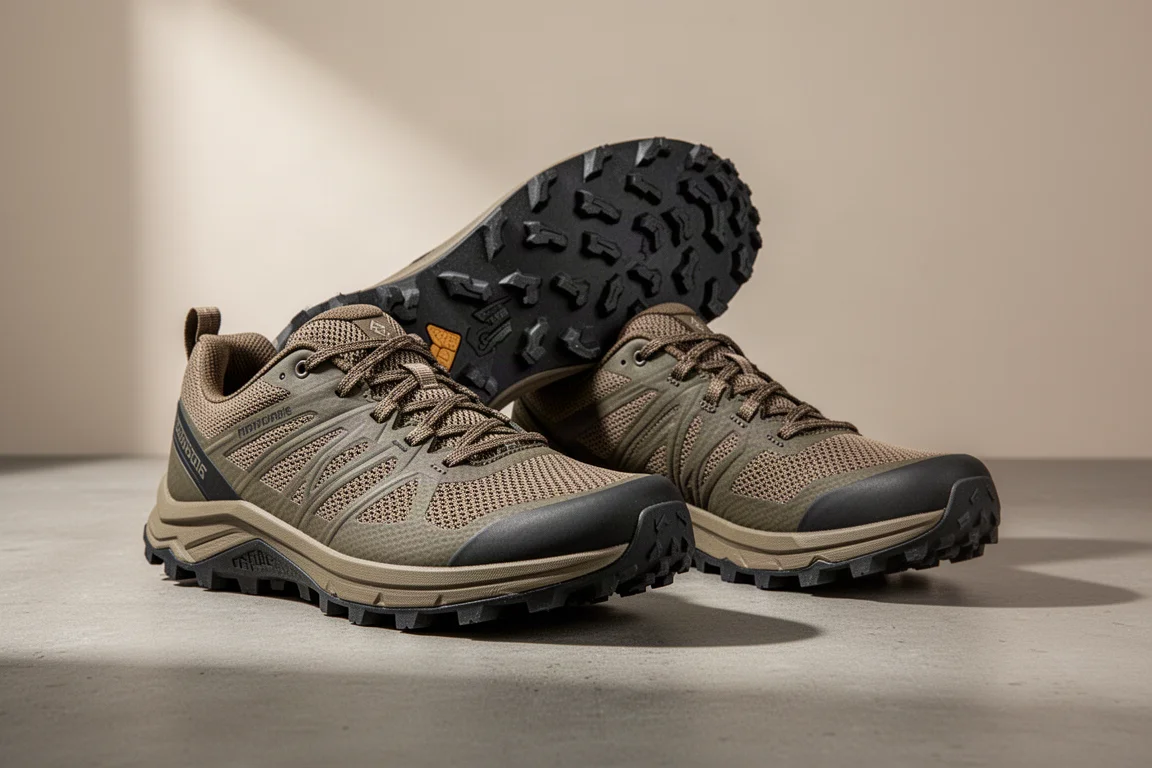
Two Trail Shoes, Two Different Jobs
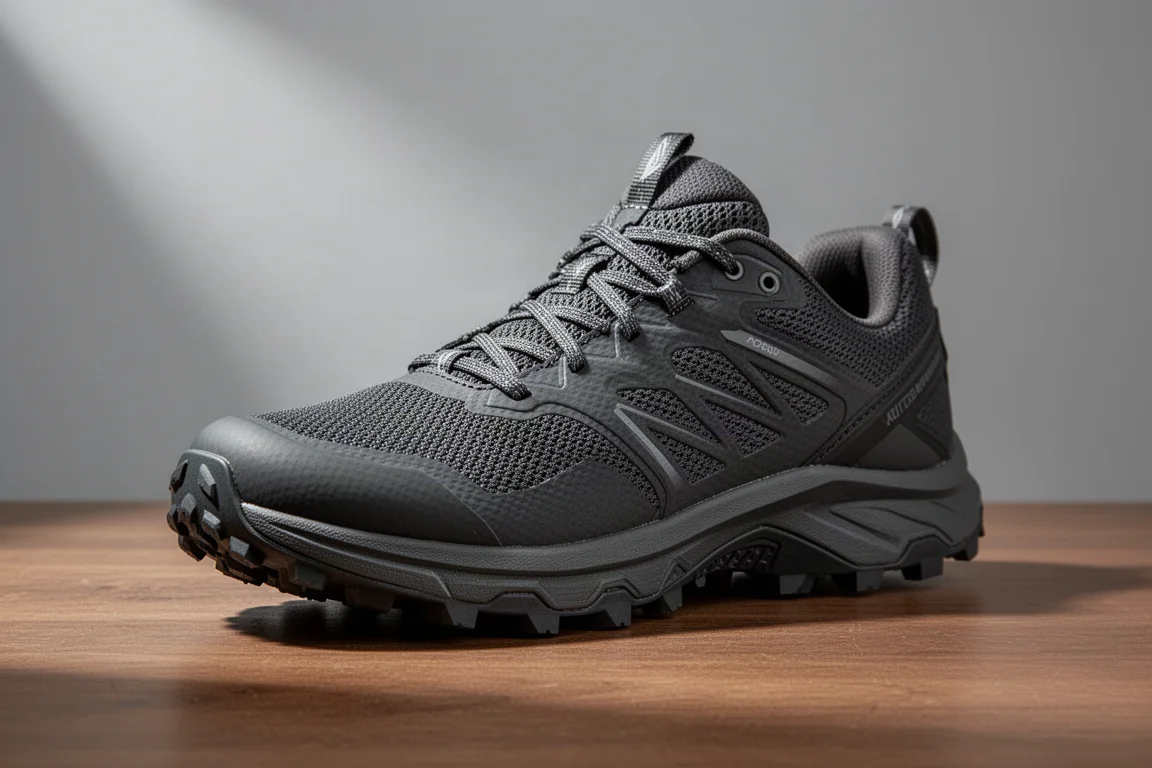
Saucony’s Peregrine 12 and Xodus Ultra have a lot in common, and at first glance they even look similar thanks to matching engineered upper construction. Both use full PWRTRAC outsoles with a nearly identical lug layout, and both hide a flexible rock plate under the forefoot. Yet they run noticeably differently on the trail and fill different slots in a rotation, which is exactly what makes this comparison interesting.
On paper the differences are modest. The Peregrine retails for £130 in the UK, though it has been out long enough that deals under £100 are easy to find online. The Xodus Ultra asks a bit more at £145. Weight is close too: the Xodus comes in at 308g in a UK 9.5, with the Peregrine saving 18g at 290g in the same size. Heel offset is 6mm on the Xodus versus 4mm on the Peregrine, and lug depth is 5mm against 4.5mm, both riding on the same sticky PWRTRAC rubber.
Upper, Fit and Comfort: A Tie
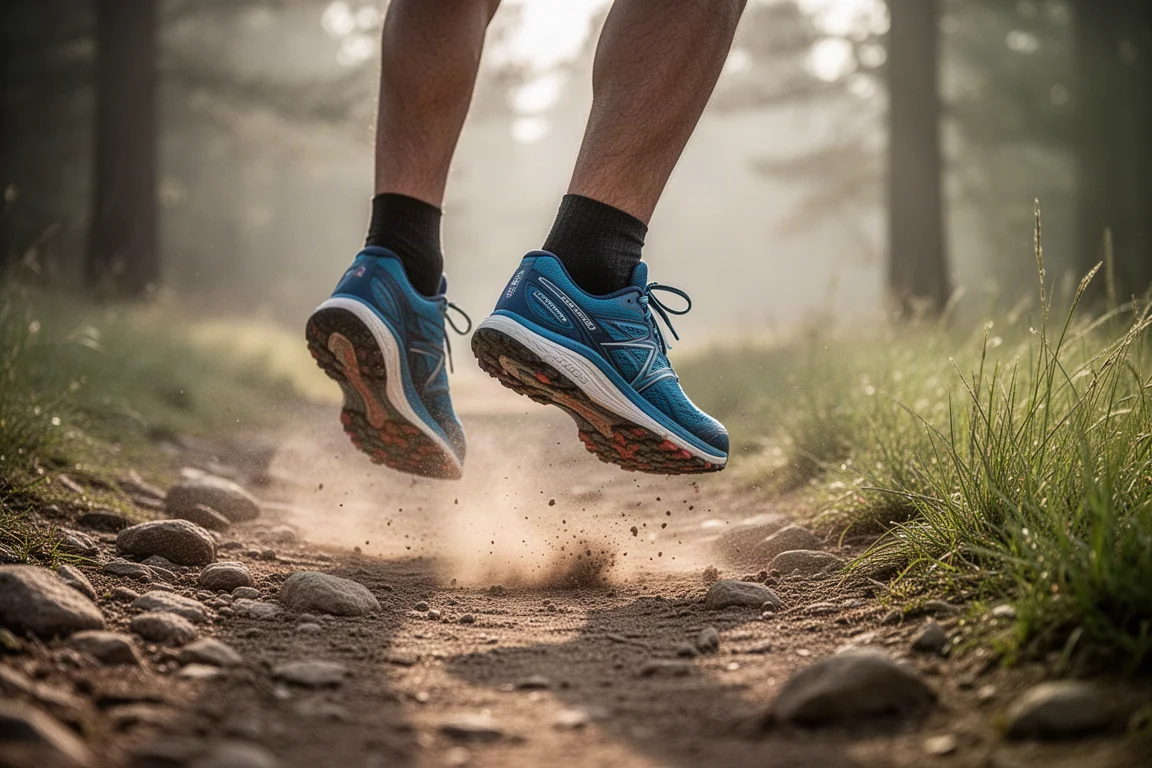
Both uppers worked well for a standard foot shape, locking down securely through the midfoot and holding the heel firmly. The gusseted tongue design feels great across the top of the foot, and both shoes offer solid toe protection from a substantial toe bumper. A handy heel loop and a gaiter attachment point down the front of the laces appear on both models.
The Xodus Ultra adds a little more padding and plushness around the ankle collar and heel, so you sit slightly deeper in the shoe. The Peregrine 12 is more stripped back, with a thinner, arguably more breathable upper for hot conditions, though neither shoe caused any complaints on that front. The biggest fit difference is toe box room: the Xodus offers noticeably more width and volume, ideal for long distances when feet swell, or for wider foot shapes. No hot spots, blisters, or irritation showed up in either shoe, so this section ends as a genuine tie.
Midsole Performance: A Clear Divide
This is where the two shoes genuinely diverge. The Peregrine 12 keeps the full PWRRUN midsole the model has always used, but Saucony added a deeply cushioned PWRRUN Plus sock liner that is bouncy and plush underfoot. It is a meaningful update. The Peregrine does not have the softest midsole on the market, but that firmness buys excellent ground feel and connection on technical trails, and paired with the new sock liner it is comfortable on most terrain.
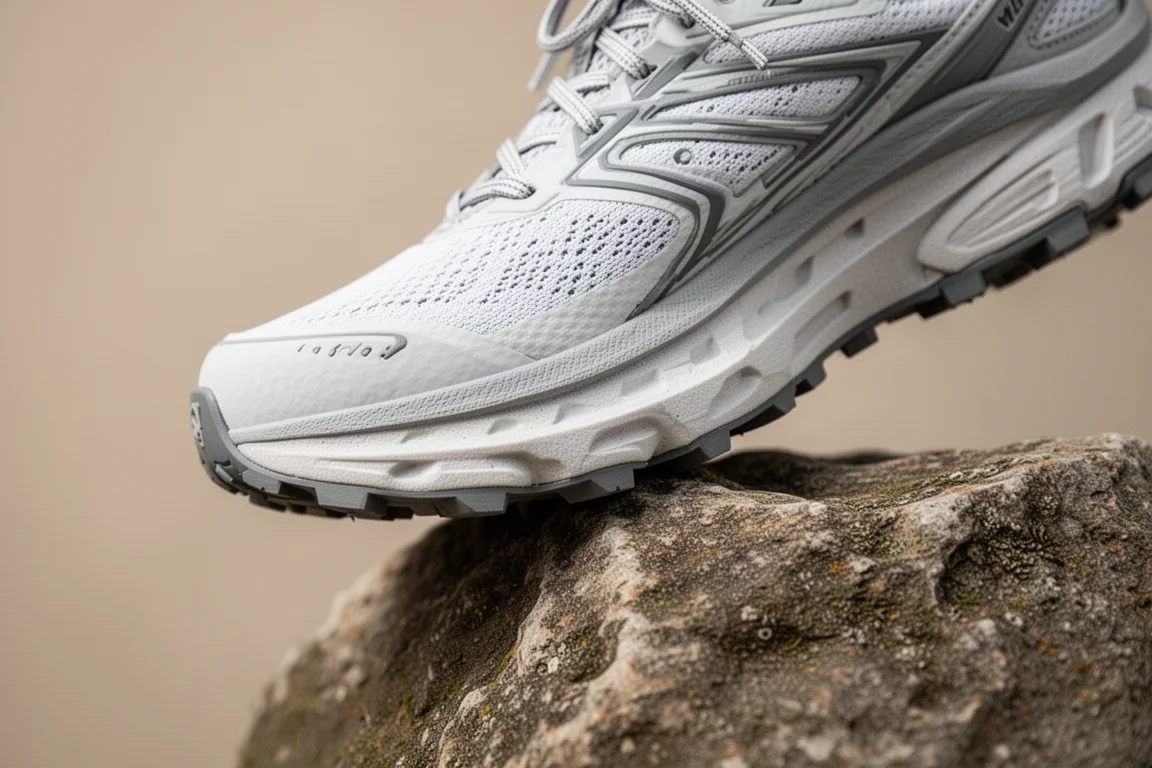
The Xodus Ultra is a different story. Older Xodus models used a PWRRUN Plus midsole that was soft, plush, and durable but heavy, and that weight was always the sticking point. Saucony solved it with a dual compound construction: a slightly more stable and durable PWRRUN compound on the outside, housing a core of performance-oriented PWRRUN PB, the same cushioning used in Saucony’s performance road lineup. The result is a shoe that is lighter, stable, durable, and extremely comfortable, especially over long distances. It feels nimble, responsive, and well balanced, and it is the easier midsole to recommend outright.
Grip and Traction: Nearly Impossible to Split
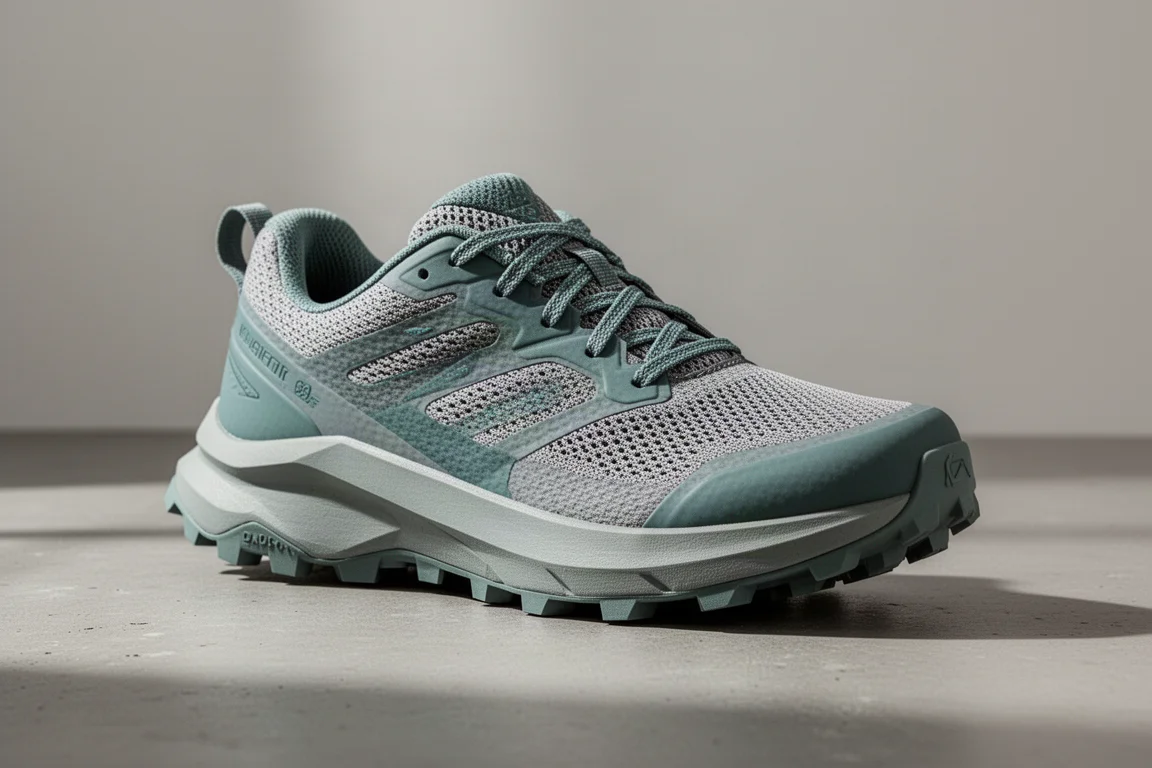
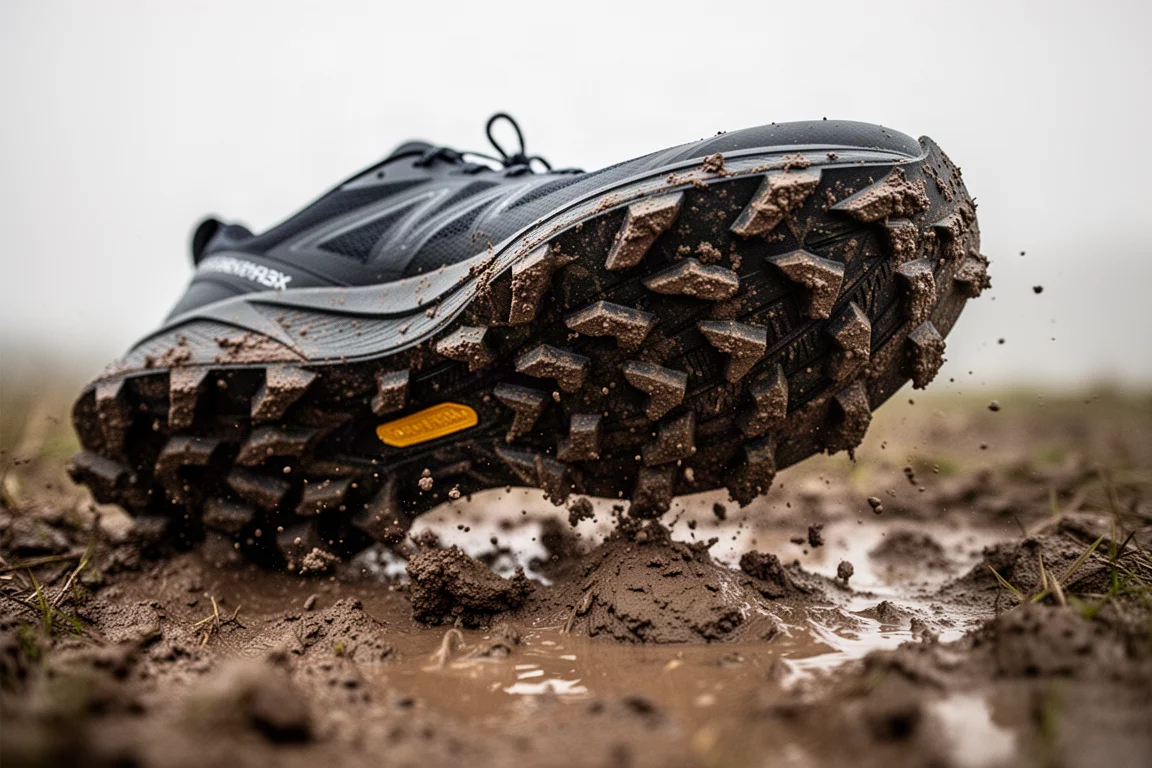
Both outsoles perform superbly. PWRTRAC rubber has a reputation for consistent grip across most terrains and weather conditions, along with strong durability, and both of these shoes look set to deliver the same mileage. The Peregrine carries a slightly deeper 5mm lug, only half a millimetre more than the Xodus, but that small difference could matter on boggy, muddy trails.
The Peregrine uses a full rubber outsole, while the Xodus breaks its rubber into three sections to give the midsole more flexibility on uneven ground. Both include the flexible forefoot rock plate for solid underfoot protection. The Peregrine’s rubber may be a slightly firmer blend compared to the Xodus’s marginally softer compound, which could help longevity. If forced to pick, the Peregrine’s deeper lug edges it, particularly for year-round running through wet, muddy winters.
Buying Advice: Which One Should You Choose?
If forced to buy just one, the Xodus Ultra is the pick. Straight out of the box it covered 80 miles at a 24-hour endurance event with no hot spots, no blisters, and no black toenails, which is a remarkable result for a trail shoe. It handles long stretches of tarmac, loose gravelly trail, wet rocky terrain, ultra distances, and short sharp 5Ks with equal confidence. It really can do it all.

The Peregrine 12 remains the better match if you want a lighter, racier feel with a touch more ground connection and slightly deeper lugs for muddy conditions, especially at the discounted prices now floating around online. One small knock against the Xodus: the colourway is underwhelming by Saucony’s usual standards, though it is hard to care when the shoe runs this well.
Conclusion
Both of these Saucony trail shoes are worth a close look. The Peregrine 12 suits runners chasing a lighter, faster feel at a friendlier price, while the Xodus Ultra is the more versatile all-rounder with a roomier toe box, a standout dual compound midsole, and proven long-distance comfort. Match the shoe to the running you actually do, and you will not go wrong with either.
Further reading
Related Reviews
Trail Running Shoes
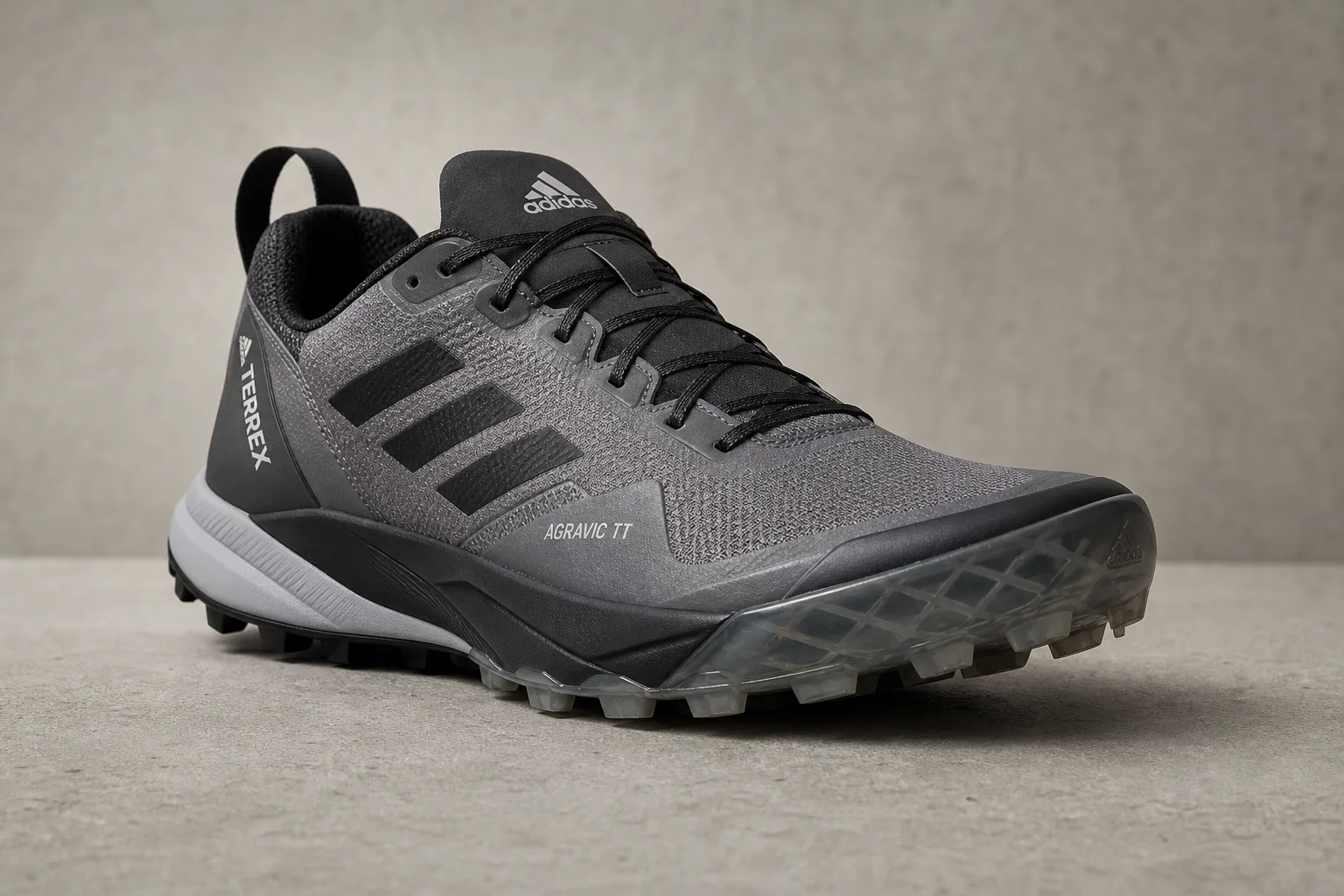
Adidas Terrex Agravic TT Review: A Technical Trail Shoe Built for Rocky Terrain
The Adidas Terrex Agravic TT combines a full-coverage rock plate with a firmer midsole to deliver protection and stability on technical, rocky trails. A capable choice for runners who prioritize underfoot defense over lightweight cushioning.
Trail Running Shoes
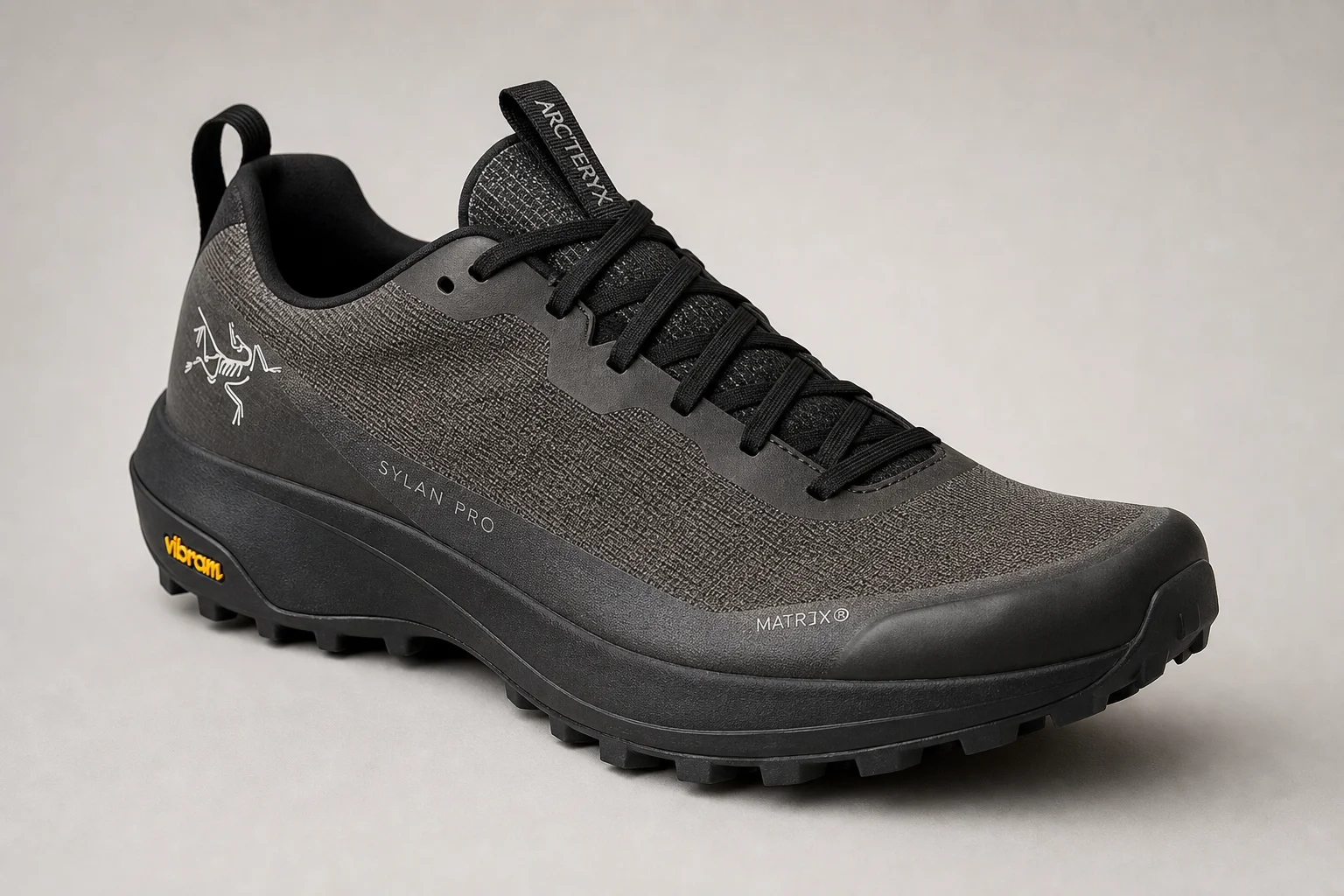
Arc'teryx Sylan Pro Review: A Rocker-Focused Mountain Running Shoe Tested on 20 Miles
The Arc'teryx Sylan Pro brings a pronounced rocker geometry and secure fit to mountain terrain. We tested it on a 20-mile Sawtooth loop to evaluate its climbing efficiency, protection, and handling of technical descents.
Trail Running Shoes
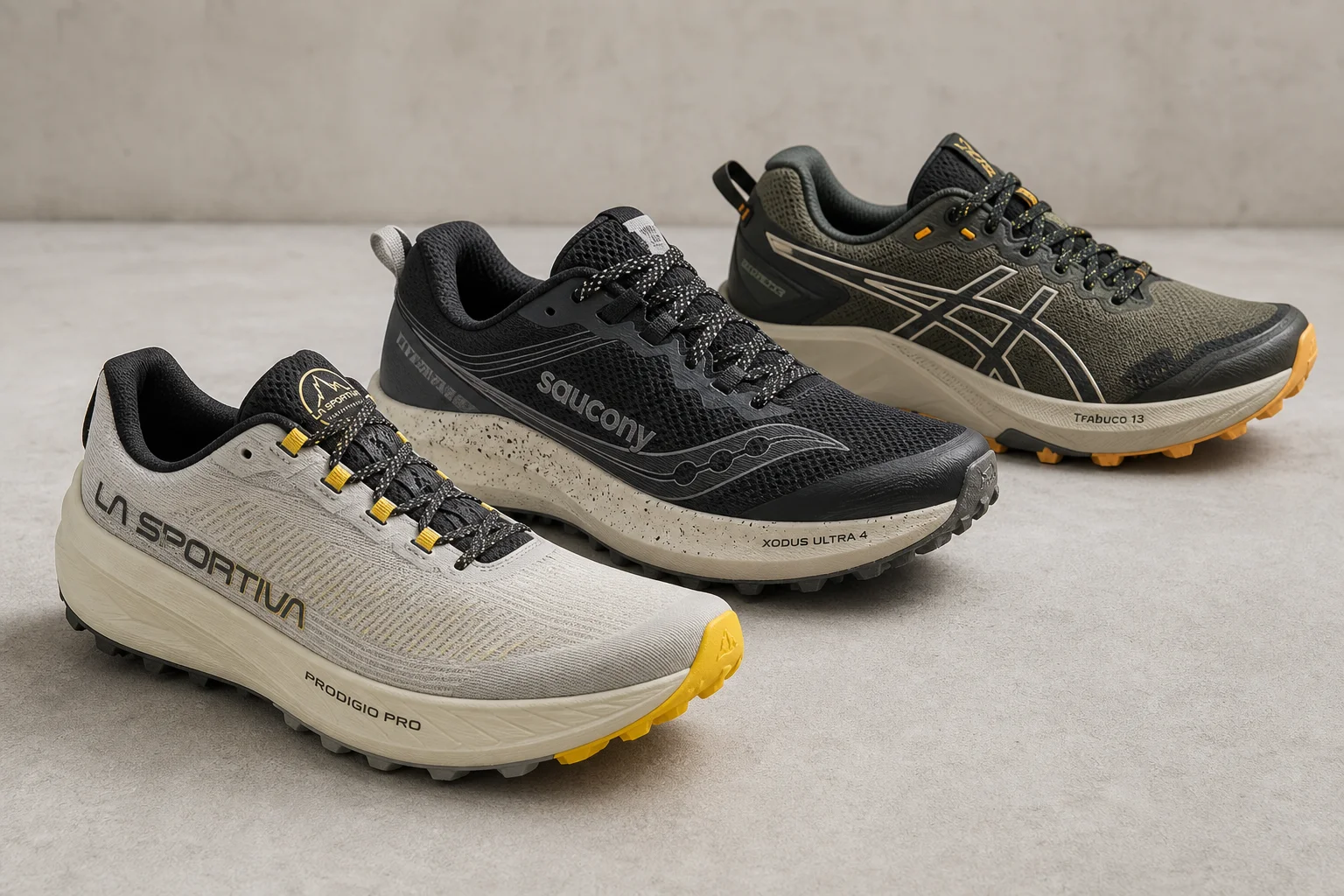
Best All-Mountain Trail Running Shoes: Three Versatile Options for Any Trail
A focused roundup of three all-mountain trail running shoes that handle technical terrain, long distances, and variable conditions with real strengths and practical trade-offs.