Trail Running
Saucony Peregrine 12 Review: A Nimble Trail Staple Worth a Look
Saucony's go-to trail shoe returns lighter and more breathable, but the stripped-back upper narrows its appeal. Here is who it suits best.
Introduction
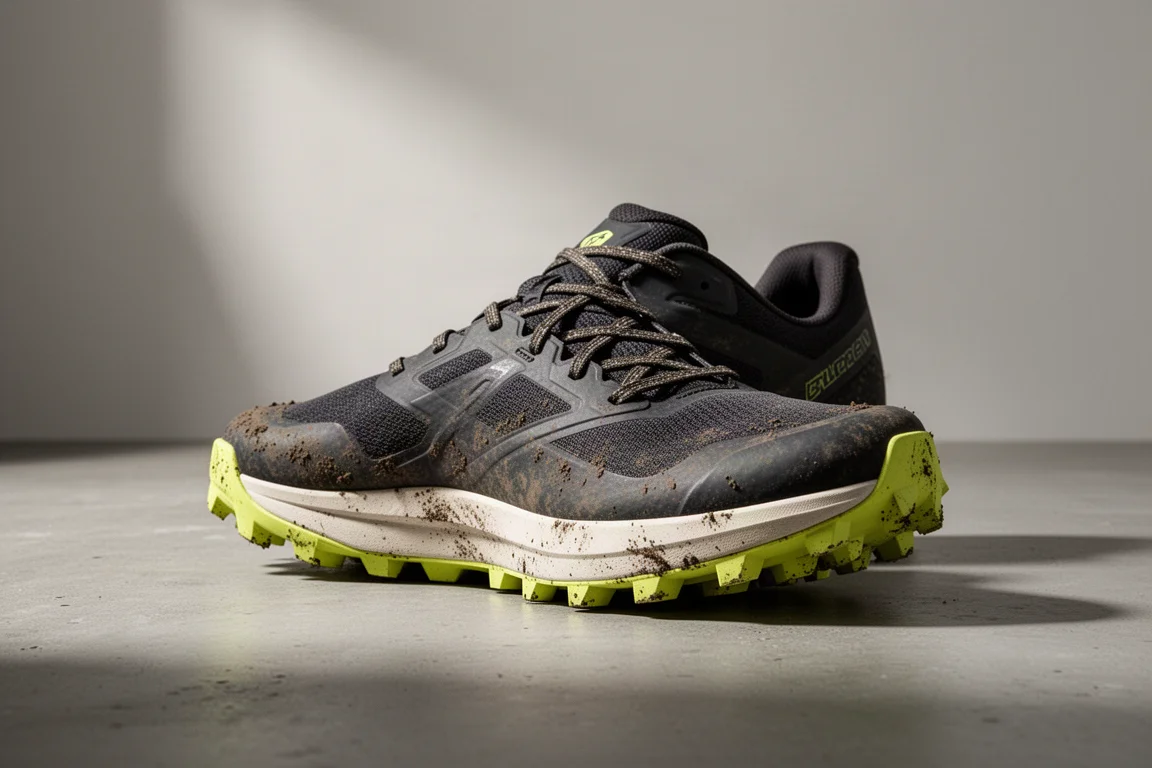
The Saucony Peregrine 12 is one of those shoes that is not quite legendary, but it is a genuine staple in the trail running segment. It is Saucony’s go-to trail shoe, and when someone asks which trail shoe to start with, the Peregrine name comes up quickly. The last few versions drew mixed reactions from trail runners, so this 12th iteration arrives with some expectation to prove itself.
This version loses an ounce of weight compared to its predecessor and strips the upper back considerably. It also comes in at a friendly price point of $130, which makes it an interesting option for anyone after a fast, nimble trail shoe without overspending. After time on rocky trails, creeks, and roots, here is how it stacks up.
Who This Product Is For
The clearest fit here is narrow-footed runners. Testers with wider feet found the stripped-down upper restrictive, and it seems Saucony has shaped this shoe toward a slimmer foot. If your feet are on the wider side or you have sensitive ankles, this one might be a pass.
It also suits two distinct types of buyers: runners who want a fast, nimble shoe for shorter trail efforts like a 5K or 10K, and beginners who are not yet sure what they want from a trail shoe. It has everything you need in one approachable package, and the streamlined look helps its case in store.

Main Strengths
The upper is a very breathable mesh with a nice toe bumper for protection and light synthetic overlays at the midfoot and heel counter. It is noticeably more stripped down than past versions, which pays off in ventilation and drainage. On a cold 12-mile test run the airflow was obvious, so expect this to shine in summer conditions: it breathes well, drains well, and dries quickly.
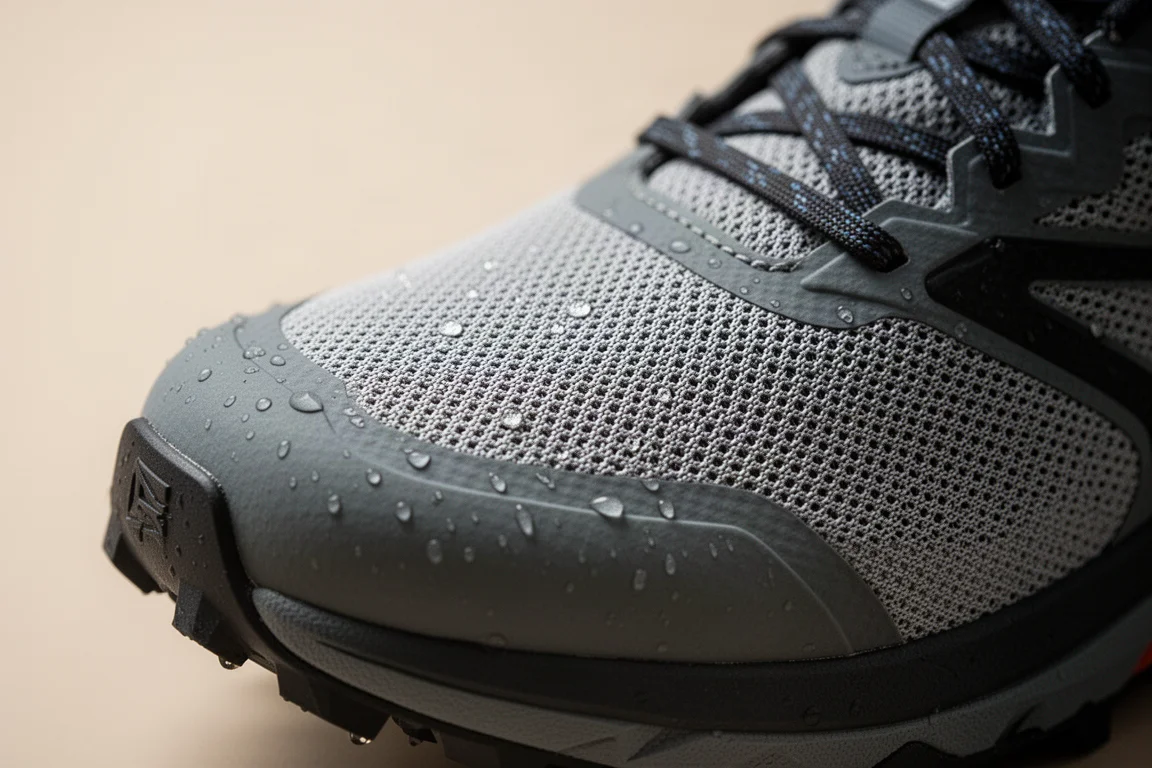
The tongue is another highlight. It uses a gusseted tongue and bootie construction, lightly padded, with a small tab that protects your foot from the lace knot. The overall tongue setup is well executed.
Underfoot, the PwrTrac grip with 5mm lugs performed genuinely well. The lug pattern gripped nicely on rocks, roots, and creeks. The midsole uses Saucony’s standard EVA with a rock plate, in a 4mm drop with a low stack that keeps you close to the ground. For a men’s size 10, the shoe weighs 9.7 ounces (274 grams), which is light for a shoe with this much rubber and plate protection.
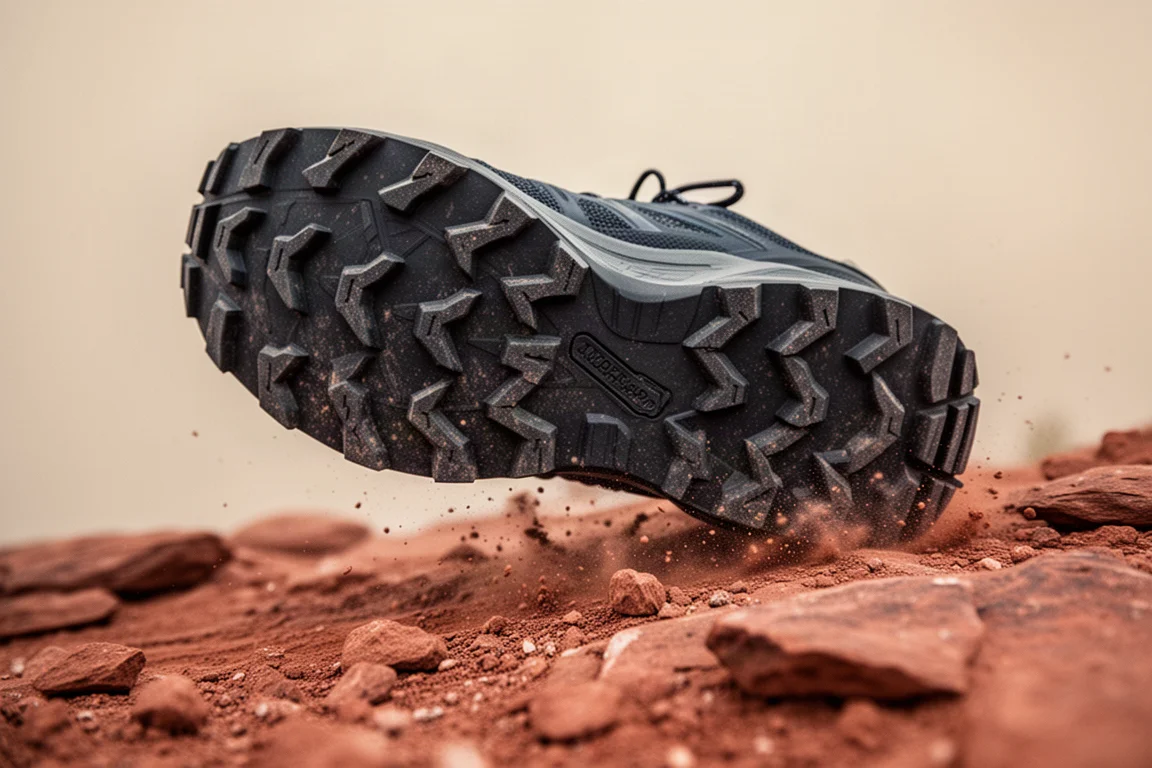
The heel cup has plenty of structure and sits down fairly low, which adds a stable, locked-in feel against the Achilles. As a capable trail shoe that can handle real distance, the weight-to-protection balance is convincing.
Things to Consider Before Buying
The firm EVA midsole turns into a slab in freezing temperatures, so this is not a winter shoe. The combination of a firm ride, low stack, and rock plate also gets uncomfortable on hard-packed fire roads. On softer, muddier East Coast-style trails, you can get away with more.
The collar is fairly stiff and rigid, and with less material overall, runners with sensitive ankles may find it abrasive. Toe room is another point to check: testers with bunions did not love the fit, though that is individual. The upper, being airy mesh, runs cold in winter unless you double up on socks.
Distance is a factor too. It works best kept to shorter, quicker efforts. For very long distances like a 50K, there are more comfortable options available, particularly on firmer terrain.
Buying Advice
At $130, the Peregrine 12 is a good deal for what you are getting: real grip, a rock plate, low weight, and a breathable upper. It makes the most sense as a fast shoe on the trails or a first trail shoe for someone still finding their footing in the category. Choose it for soft or technical trails, quicker paces, and warm weather; look elsewhere for frozen conditions, hard-packed surfaces, or ultra distances if comfort is your priority.

Conclusion
The Saucony Peregrine 12 does the core job well: it is light, grippy, breathable, and reasonably priced. Its narrower fit and firmer ride narrow the audience, but for narrow-footed runners who want something nimble for shorter trail runs, it is an easy recommendation.
Product link
View more details for Saucony Peregrine 12
This product is mentioned in the review. Check the specifications, options, and compatibility before buying.
View more details for Saucony Peregrine 12Further reading
Related Reviews
Trail Running
How to Choose Trail Running Shoes: A Guide to Shoe Type, Cushioning, and Drop
Learn the three most important factors when selecting trail running shoes: shoe type, cushioning level, and heel-to-toe drop.
Trail Running
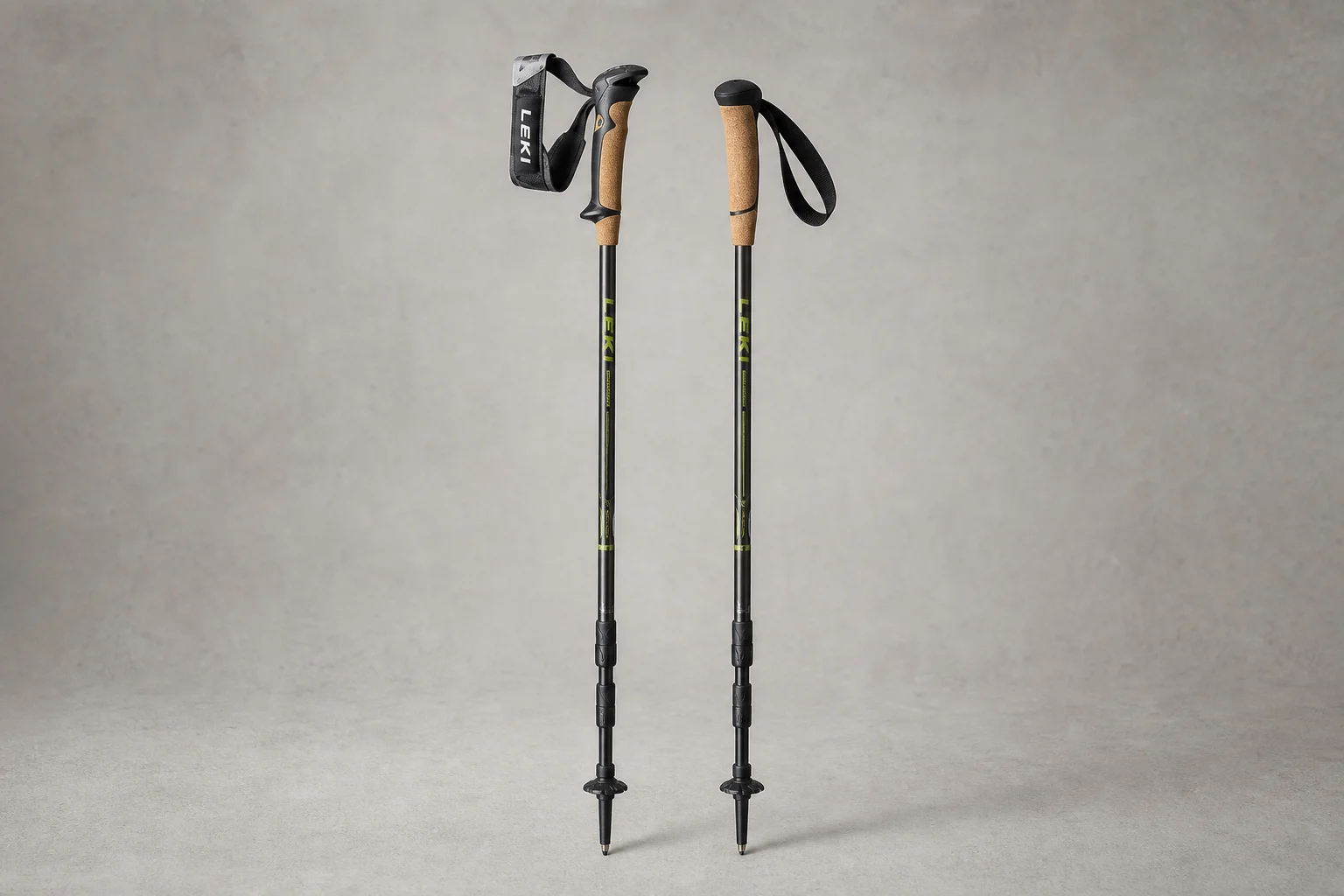
Trail Running Poles: A Complete Guide to Technique, Fit, and Use
Learn why trail running poles redistribute workload, how to choose the right length and strap system, and master three essential climbing techniques for longer races.
Trail Running
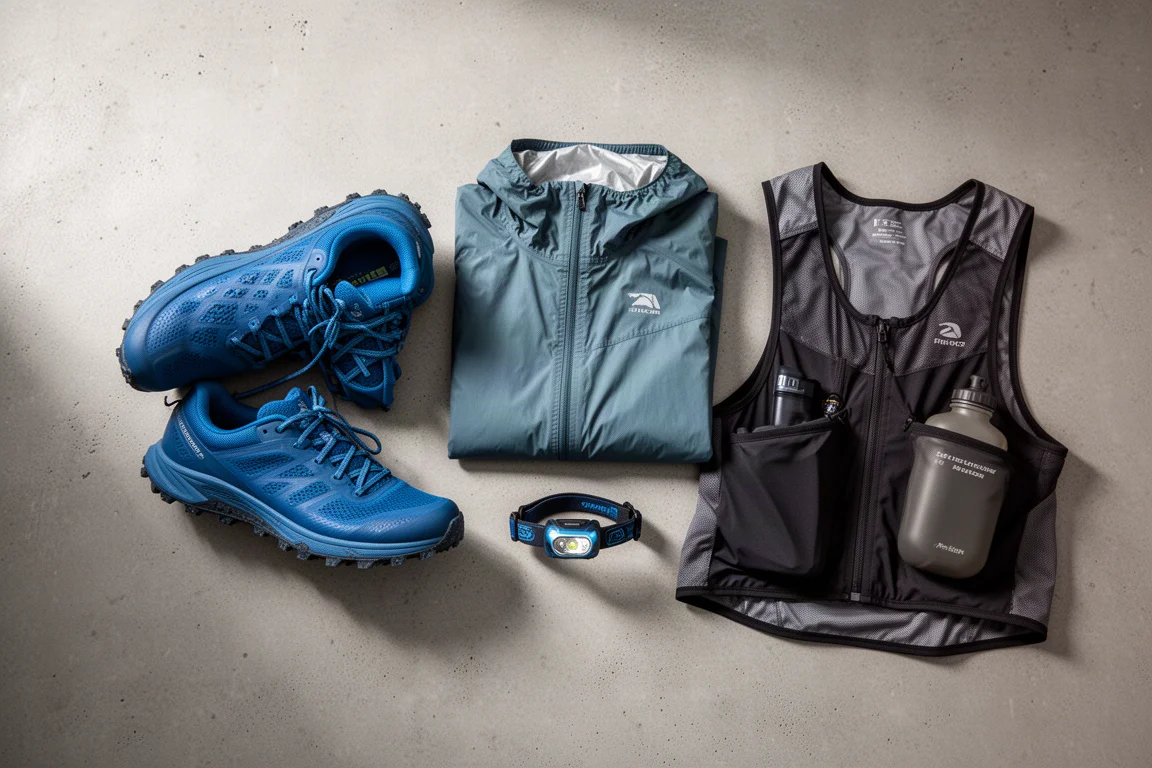
Arc of Attrition Kit List: The Gear Worth Packing for a Winter Ultra
A practical look at the shoes, waterproofs, lighting, race vest and poles lined up for a brutal 100-mile winter coastal ultra, and why each piece earned its place.