Trail Running Shoes
Saucony Peregrine 12 First Impressions: Lighter, Leaner, and Closer to the Trail
The Peregrine 12 drops over 50 grams and trims padding across the upper, while keeping the grippy outsole and rock plate fans love. Here is what changed and what it feels like on the trails.
Introduction
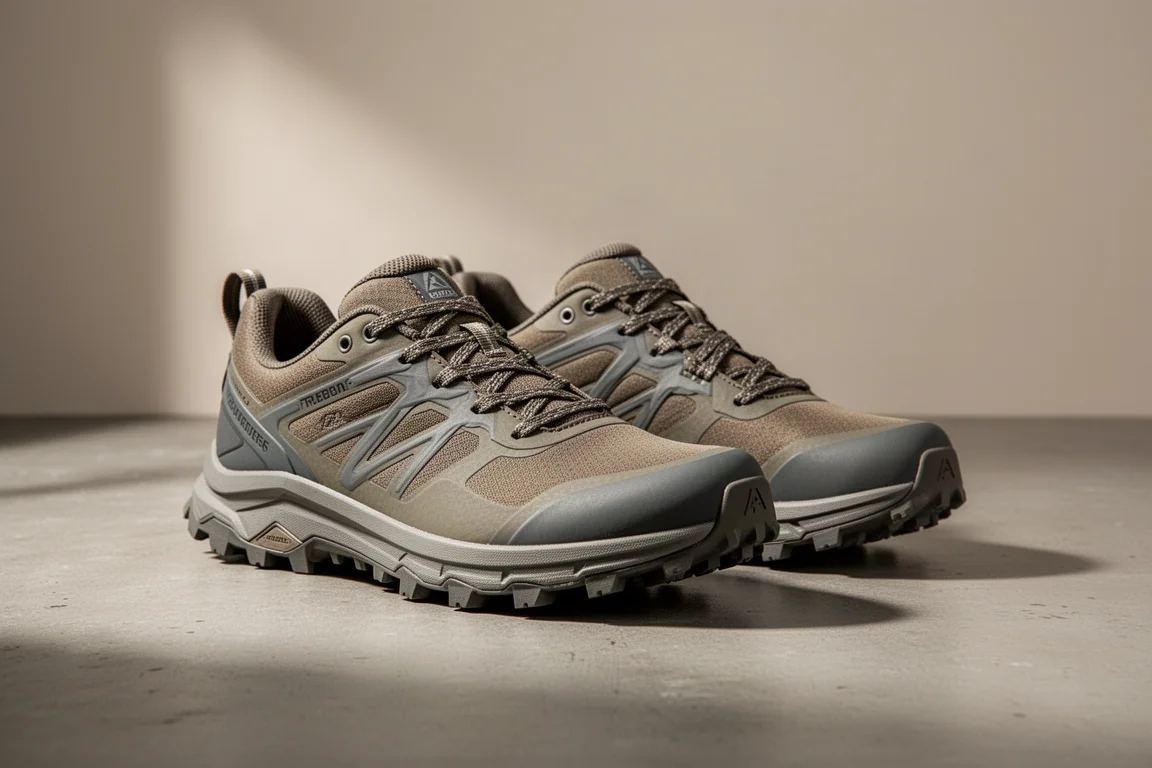
Few trail shoes carry as much goodwill as the Saucony Peregrine line, and the new Peregrine 12 arrives with some of the biggest changes the series has seen in years. The headline story is weight: the 12 strips out over 50 grams compared to its predecessor, and Saucony has reworked the interior construction along the way. After a first outing on a mix of wet tarmac, rock, gravel, mud and deep sand, the early signs are promising, though the leaner build may not suit everyone.
What Has Changed in the Peregrine 12
The Peregrine 12 retails at £130 on Saucony’s website, a £15 increase over the Peregrine 11, although several online retailers list it at £125. The bigger story is on the scales: 290 grams in a men’s UK 9.5, down from 343 grams in the 11. That is a substantial saving, and Saucony has achieved it by paring back padding around the ankle collar, heel and tongue.
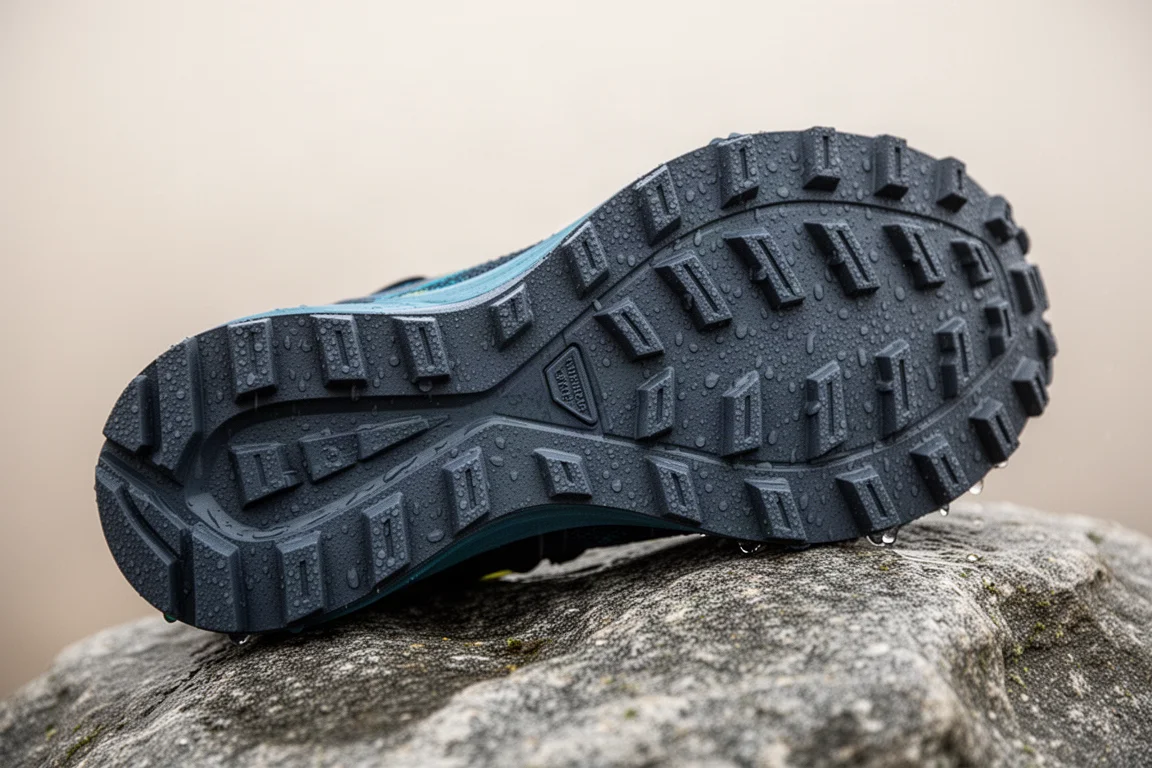
Internally, the PWRRUN+ topsole is gone. In its place is a thicker, softer and bouncier insole, a change that reportedly addresses a known issue where the previous topsole worked loose in wet conditions after certain mileage. The 4mm offset, PWRTRAC outsole rubber, 5mm lug pattern and forefoot rock plate all carry over, with the rock plate updated for more flexibility through toe-off while keeping its underfoot protection. The upper stays gusseted at the tongue, gains durable toe-box overlays and a toe bumper, plus handy pull loops at the heel and tongue, and Saucony has again worked in a gaiter attachment.
First Run: Fit and Feel on the Trail
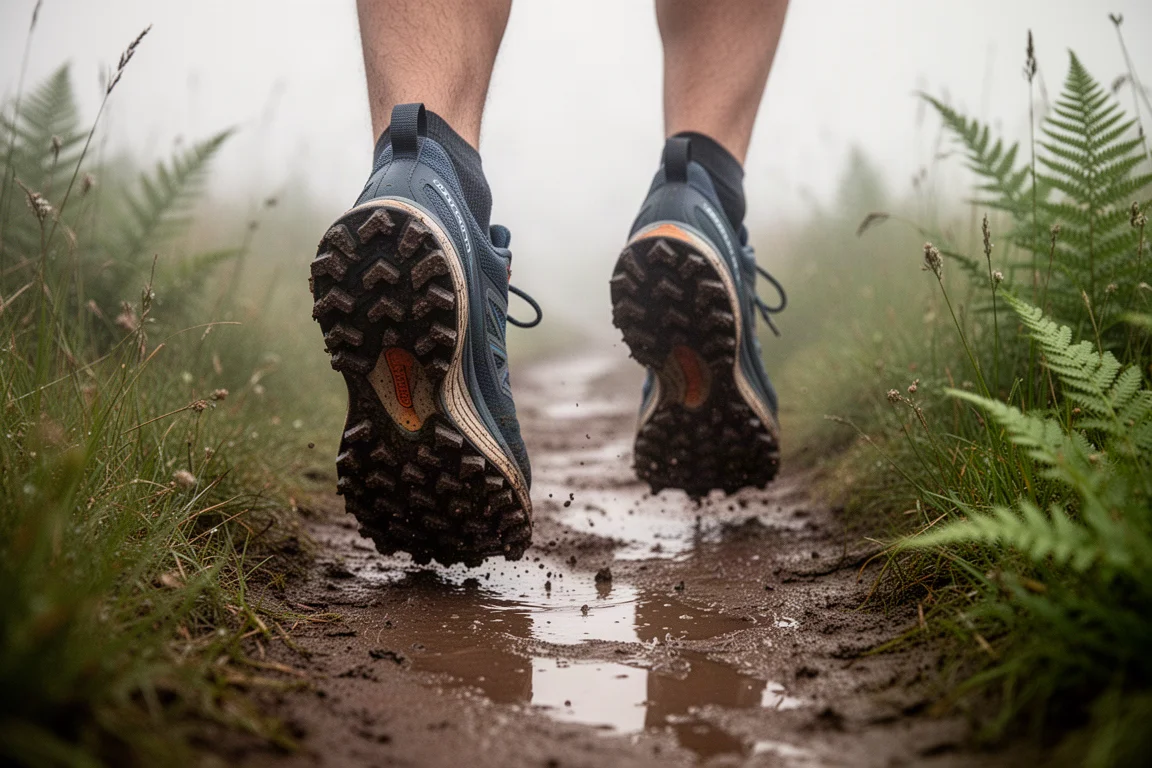
The first run covered just over seven miles across mixed terrain, and the fit stood out immediately. In a UK 9.5 the shoe runs true to size, and the reduced collar and heel padding make it feel much closer to the Peregrine 10, with a more precise midfoot lockdown and a better hold around the heel than the padded 11. The thinner, still-gusseted tongue keeps the midfoot secure without pressure across the top of the foot.
Underfoot, the updated rock plate flexes noticeably more straight out of the box than the versions in the 10 and 11, which needed a few runs to soften up. Over small, sharp and spiky rocks there was no impact felt through the midsole, which suggests Saucony has kept the protection while improving the flex. The PWRRUN midsole still feels very Peregrine-like, perhaps a fraction firmer than the 11, but comfortable even on stretches of tarmac, and the new insole keeps things plush close to the foot.
Grip and All-Weather Confidence
The outsole is unchanged, and that is good news. The combination of 5mm lugs, an aggressive layout and PWRTRAC rubber has always been a standout, and on this first outing it gripped wet tarmac, dry tarmac, wet rock, loose gravel, muddy grass and deep soft sand without complaint. It remains one of the few trail shoes that can be run all year round in mixed British conditions with real confidence.

Who Should Buy the Peregrine 12
Runners who loved the lighter, faster feel of a lean trail shoe, or who found the Peregrine 11 too padded in the heel, are likely to be delighted. The reduced weight makes the shoe feel quicker and more responsive without sacrificing the versatility that defines the franchise. The trade-off is comfort: runners who prefer a more cushioned, more padded ride may find the 12 a touch stripped back. If you valued the Peregrine 10’s precise fit and lockdown, this update feels like a return to that formula, with a better rock plate and a lighter build on top.
Conclusion
The Peregrine 12 is a sensible, focused update: over 50 grams lighter, better locked down, and more flexible underfoot, while keeping the grippy outsole and dependable rock plate that made the line popular. It may divide fans between those who want speed and those who want plushness, but as a year-round trail shoe that handles most terrain, it looks like a strong return to form.
Product link
View more details for Saucony Peregrine 12
This product is mentioned in the review. Check the specifications, options, and compatibility before buying.
View more details for Saucony Peregrine 12Further reading
Related Reviews
Trail Running Shoes
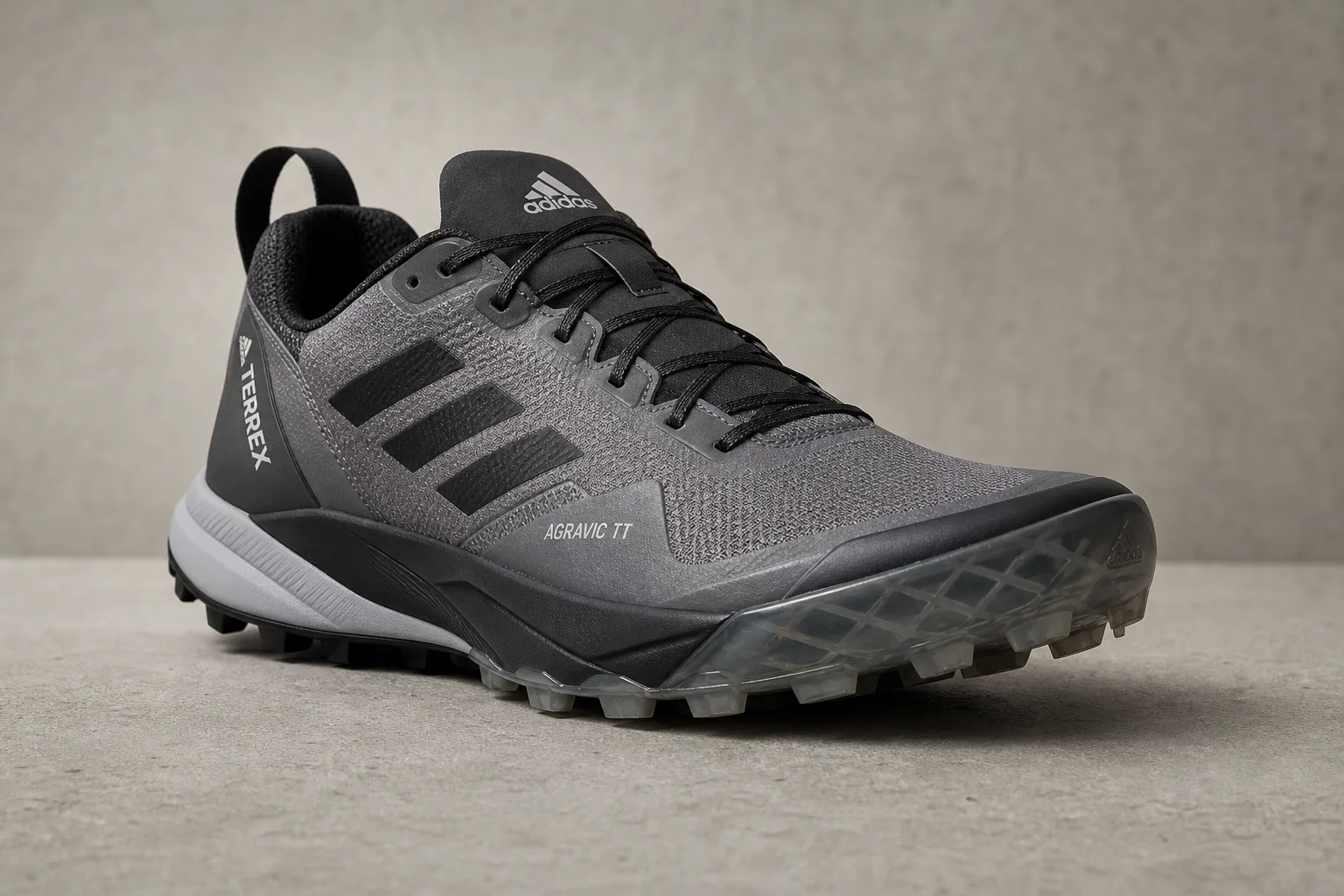
Adidas Terrex Agravic TT Review: A Technical Trail Shoe Built for Rocky Terrain
The Adidas Terrex Agravic TT combines a full-coverage rock plate with a firmer midsole to deliver protection and stability on technical, rocky trails. A capable choice for runners who prioritize underfoot defense over lightweight cushioning.
Trail Running Shoes
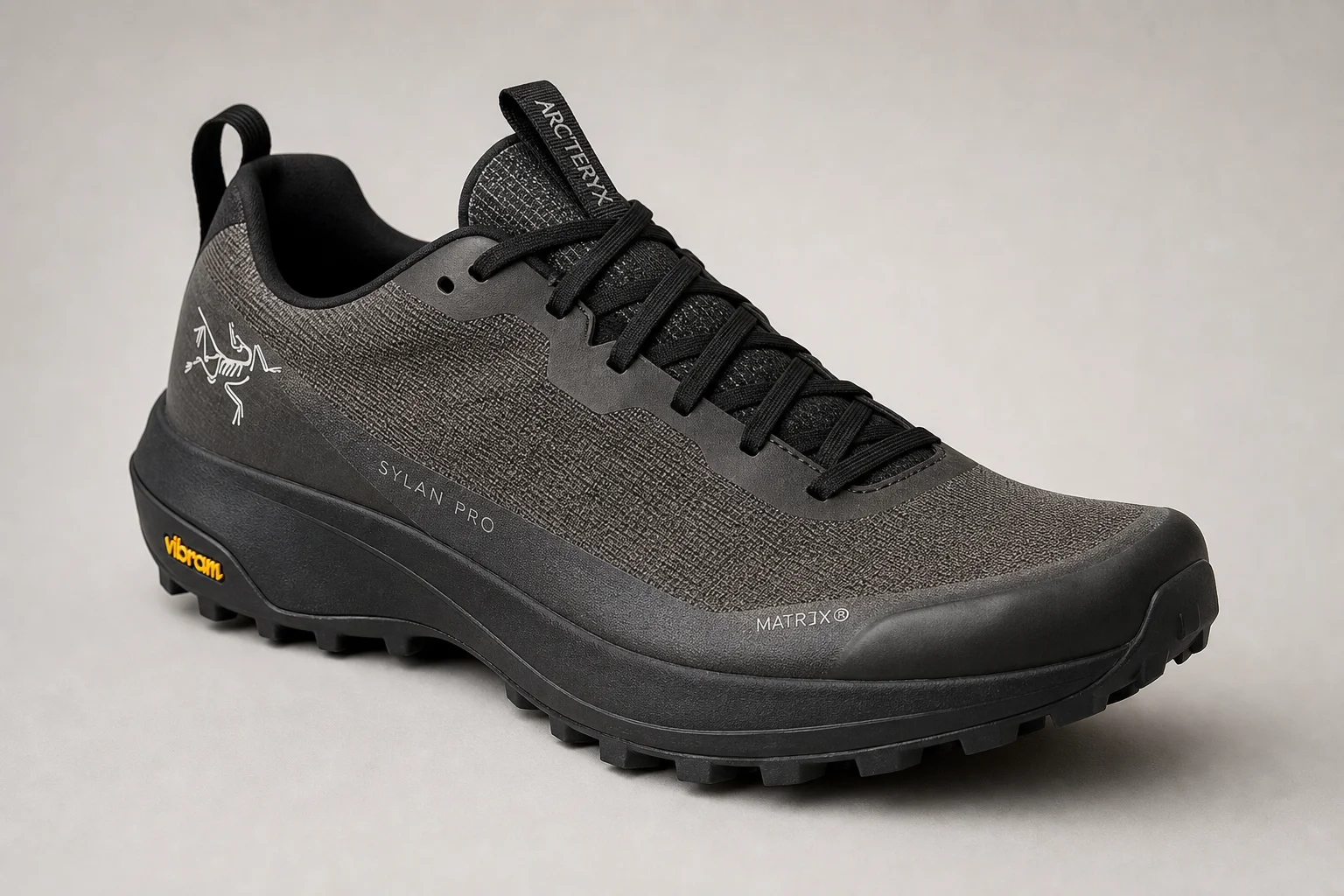
Arc'teryx Sylan Pro Review: A Rocker-Focused Mountain Running Shoe Tested on 20 Miles
The Arc'teryx Sylan Pro brings a pronounced rocker geometry and secure fit to mountain terrain. We tested it on a 20-mile Sawtooth loop to evaluate its climbing efficiency, protection, and handling of technical descents.
Trail Running Shoes
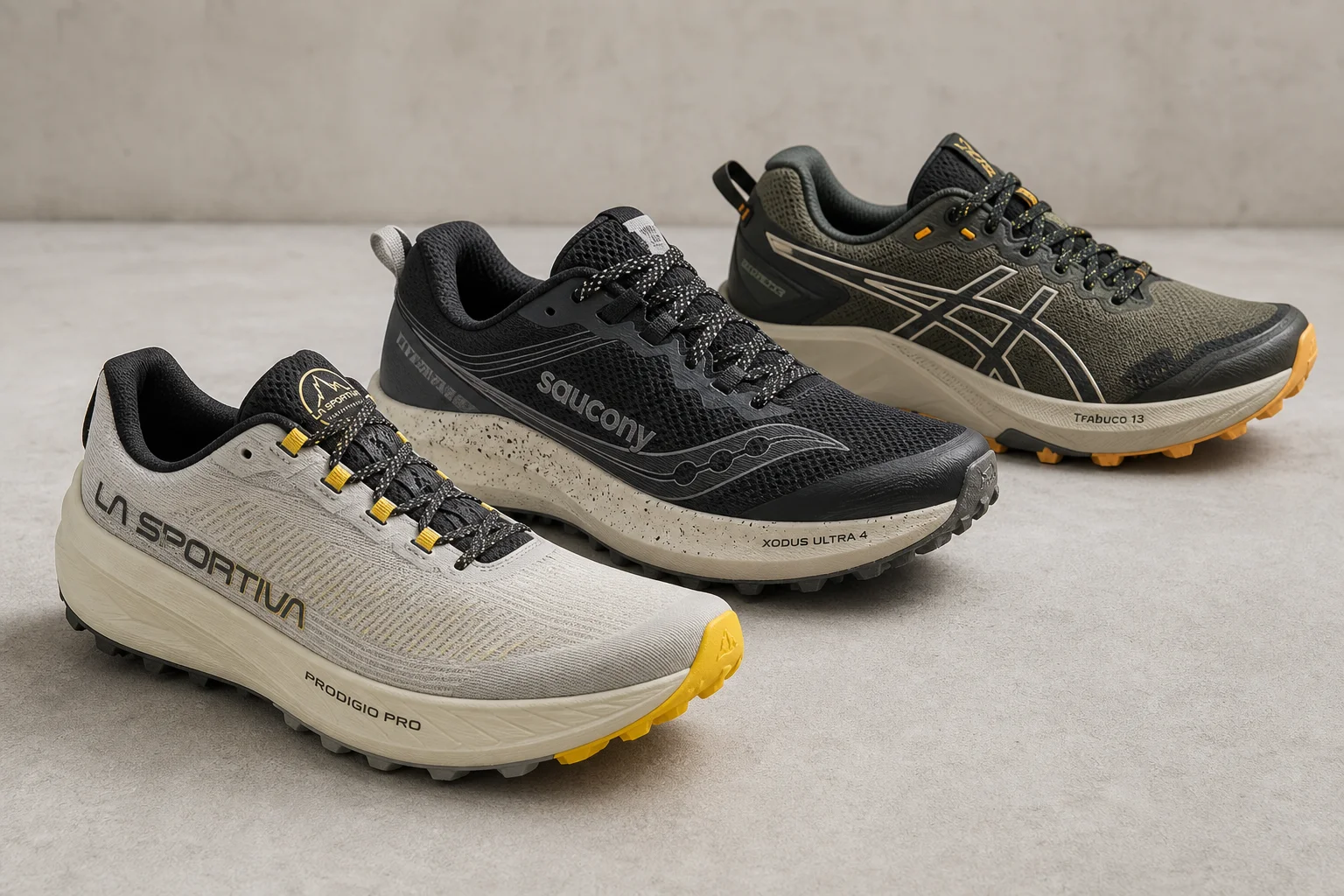
Best All-Mountain Trail Running Shoes: Three Versatile Options for Any Trail
A focused roundup of three all-mountain trail running shoes that handle technical terrain, long distances, and variable conditions with real strengths and practical trade-offs.