Running Shoes
Saucony Paramount Max vs Nike Vomero Plus: Which Max Cushion Trainer Deserves Your Money?
Two max cushion super trainers built on race foam and huge stacks. We compare comfort, ride quality, stability, and value to find out which one to buy.
Introduction
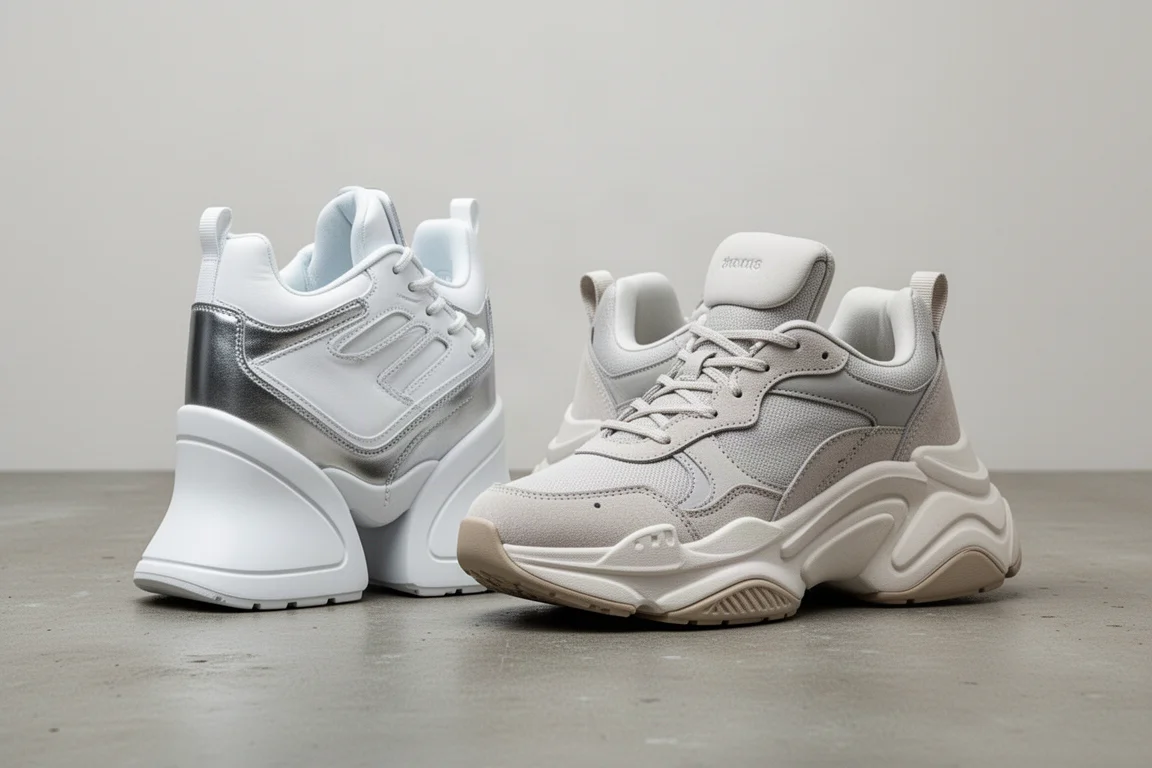
Max cushion trainers have quietly become the most competitive category in running shoes, and two models sit right at the center of the conversation: the Saucony Paramount Max and the Nike Vomero Plus. On paper they are remarkably similar. Both run about 45 mm of stack at the heel, both use a full-length slab of race-derived foam without a plate, and both are positioned as comfort-first cruisers with more pop than a traditional easy-day shoe.
In practice, though, they take noticeably different paths to that goal, and those differences matter depending on what you want from a daily trainer. After putting miles into both, here is how they stack up.
Saucony Paramount Max: Big Comfort With Caveats
The Paramount Max is built on 100% non-plated Incredrun, a version of the foam Saucony uses in its racing line, though it is a different compound than the one in the Endorphin Elite and it feels firmer underfoot. The step-in comfort is genuinely excellent: thick padding through the tongue and collar, a plush upper, and a huge volume of foam make this one of the most comfortable shoes to slip on straight out of the box.
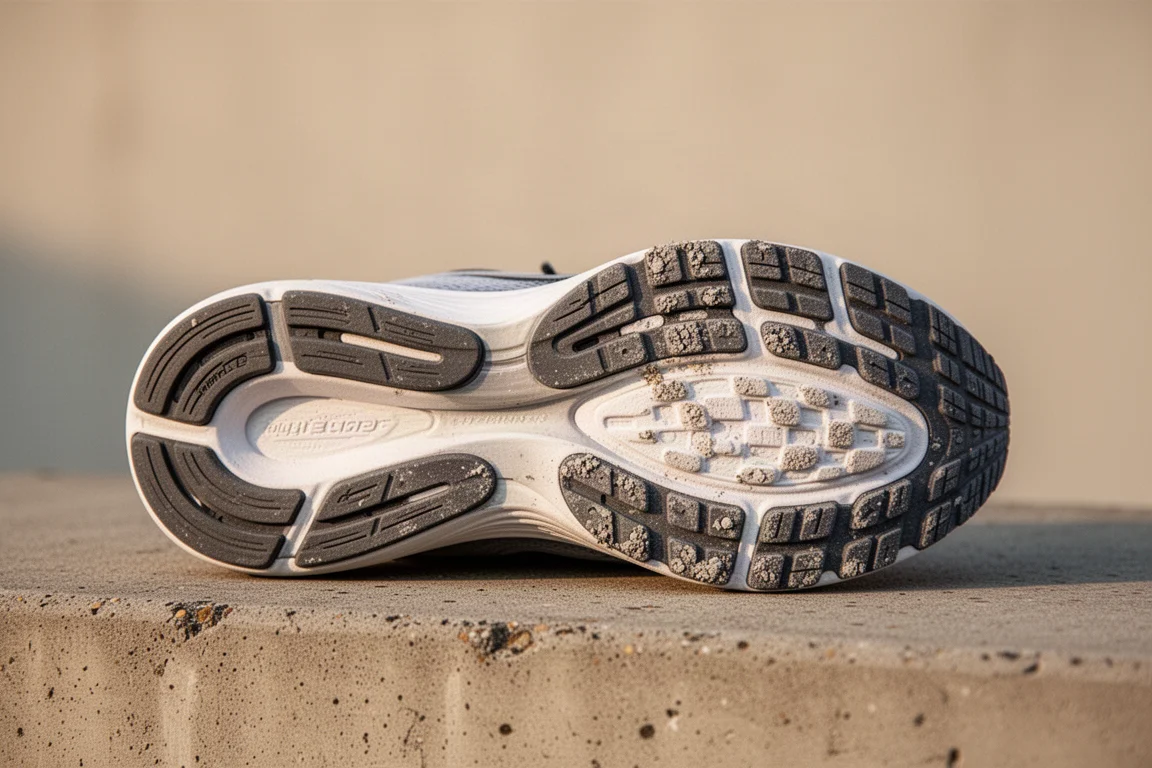
The catch is the platform. The Paramount Max is exceptionally wide, arguably the widest max cushion shoe available right now, with a heel that feels massive and very stable. Combined with a flat geometry and a low drop, the rear of the shoe can catch and clip for runners with a flatter, more relaxed foot strike, especially at slow recovery paces. The hard rubber outsole adds to a slightly choppy, dampened feel rather than the lively bounce you might expect at a $200 super trainer price.
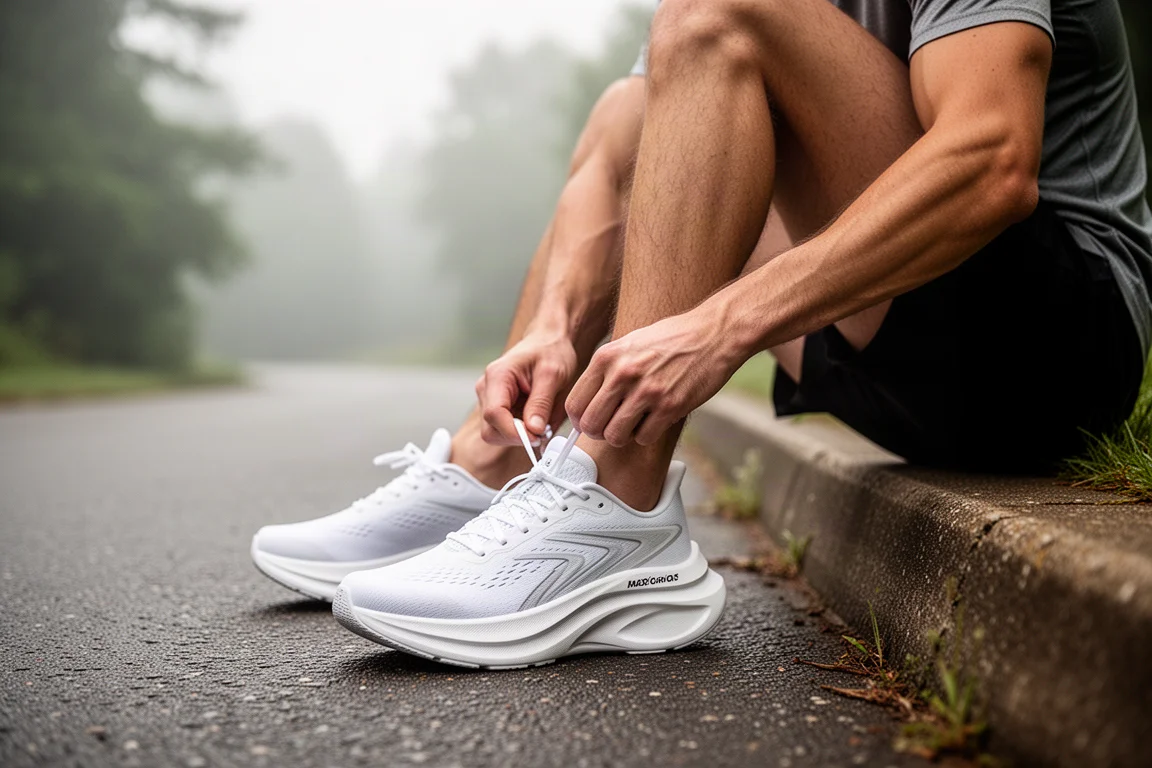
None of this makes the shoe bad. The foam itself is pleasant, the protection underfoot is real, and the stability is strong enough that it borders on a stability shoe. It simply demands that you run it a certain way rather than letting you jog along lazily.
Nike Vomero Plus: The Comfort Benchmark
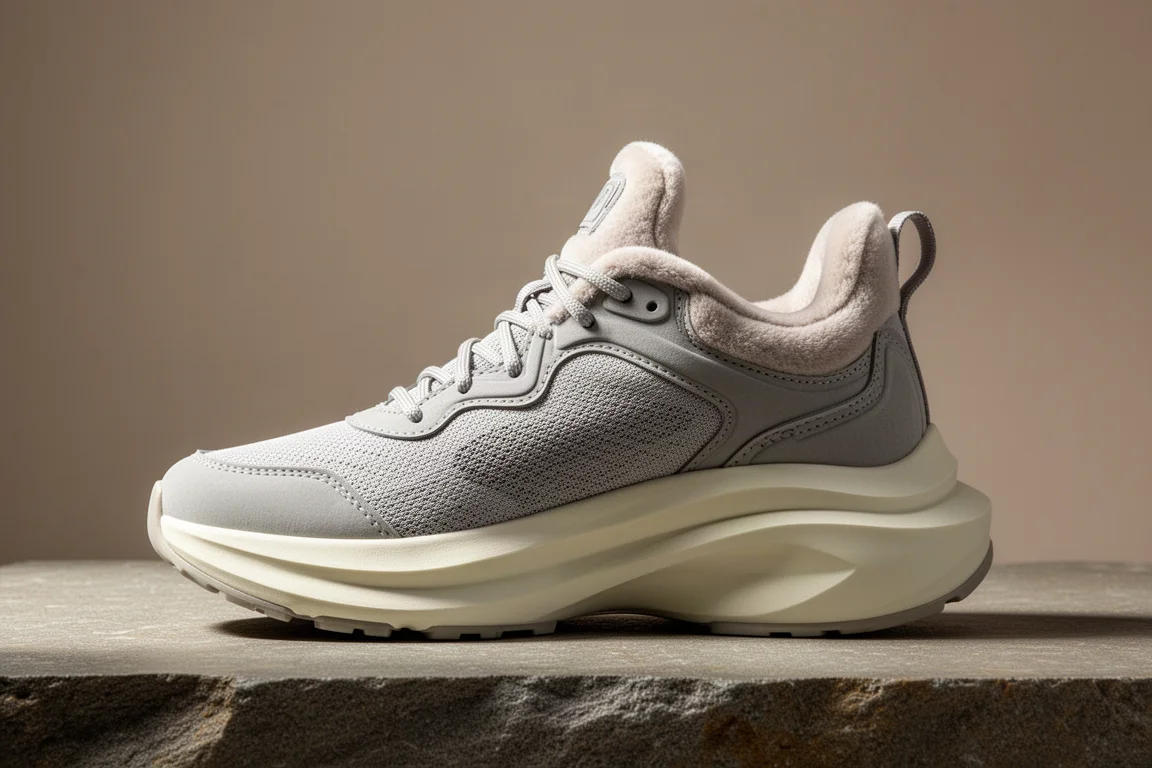
The Vomero Plus uses 100% ZoomX in a non-plated build, with a similar stack height and a moderately soft, comfort-oriented tune. It has become a community favorite for a reason: the bounce from the foam, the dialed upper, and the thick tongue make it feel like a premium package that also happens to be the cheaper of the two at $180.
The main caveat is break-in. Out of the box, the ZoomX here is not super soft, and the flat geometry takes some adjusting to. This is a shoe that rewards patience: after roughly 100 miles of running plus months of daily casual use, it softens, compresses, and becomes one of the most comfortable trainers around. The foam also works best when you land on the midfoot or forefoot or apply a slightly firmer foot strike, and it favors steadier, moderately quick paces over fully relaxed jogging.
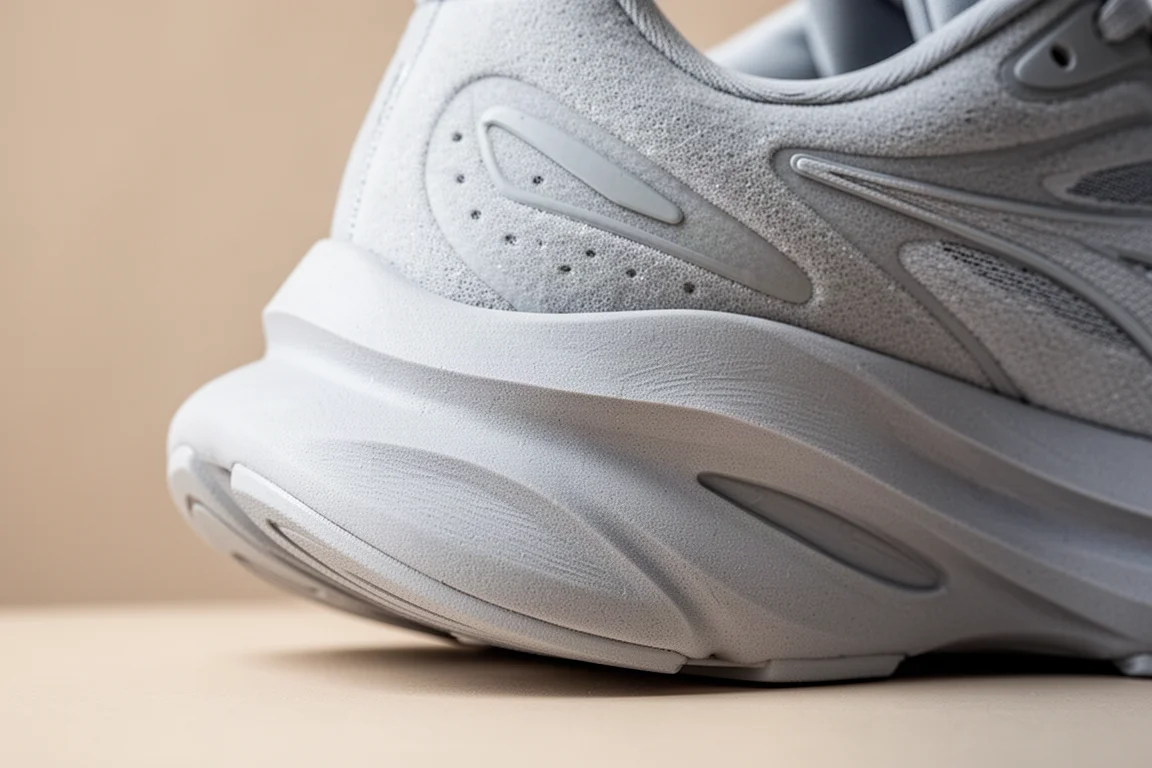
The upper deserves specific praise. It laces well, fits generously in the toe box, and the step-in feel is excellent. For daily wear and casual use, it is arguably as good as max cushion footwear gets.
Ride Feel and Geometry: Where They Diverge
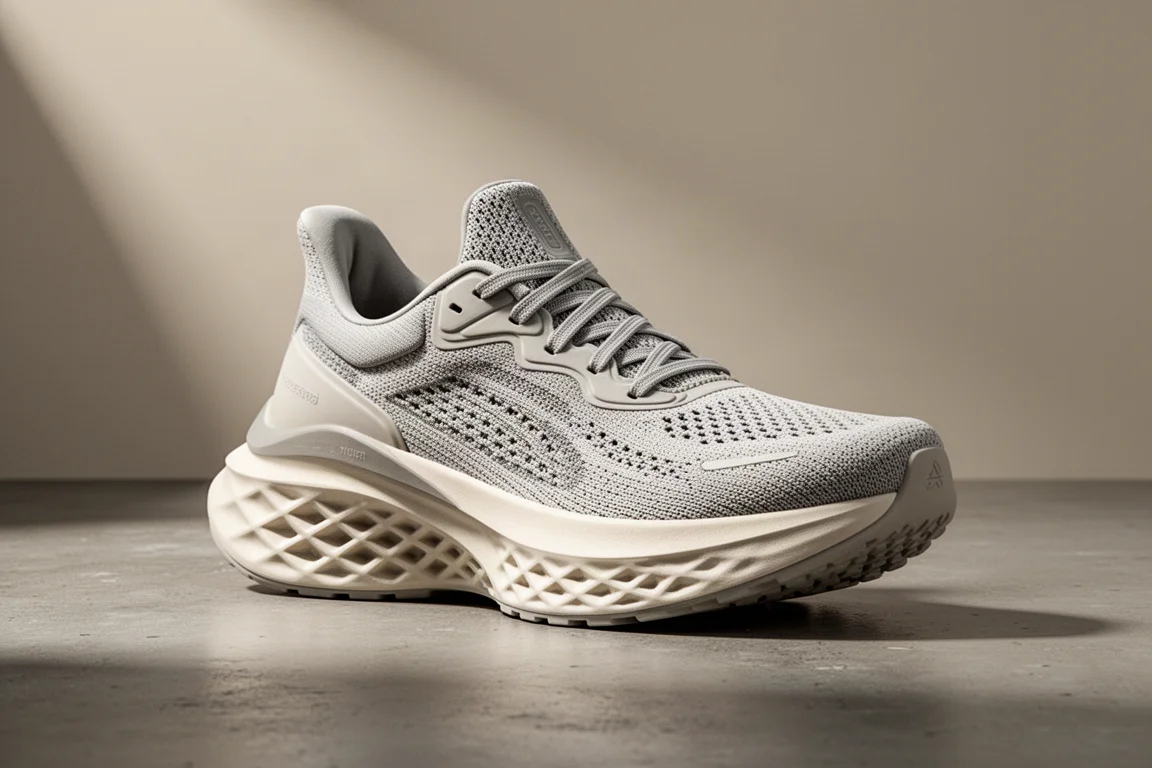
This is where the comparison gets interesting, because the shoes are more similar than different in most respects. Foam feel is oddly close between the two, with the Paramount Max perhaps a touch softer on step-in and the Vomero Plus offering more bounce. Stack heights are nearly identical. The toe boxes on both are wide and comfortable, a big improvement for two brands that used to be notorious for narrow fits.
The real divergence is at the back of the shoe. The Vomero Plus has a continuous piece of rubber running heel to toe, which likely contributes to a smoother transition. The Paramount Max has a bulky, flared heel and a midsole that dips slightly through the midfoot, producing a choppier, catching sensation for flat-footed landers. The Vomero Plus also sits higher on drop and rolls you forward quicker, while the Paramount Max pairs its low drop with no rocker, an unusual combination for a shoe this tall.
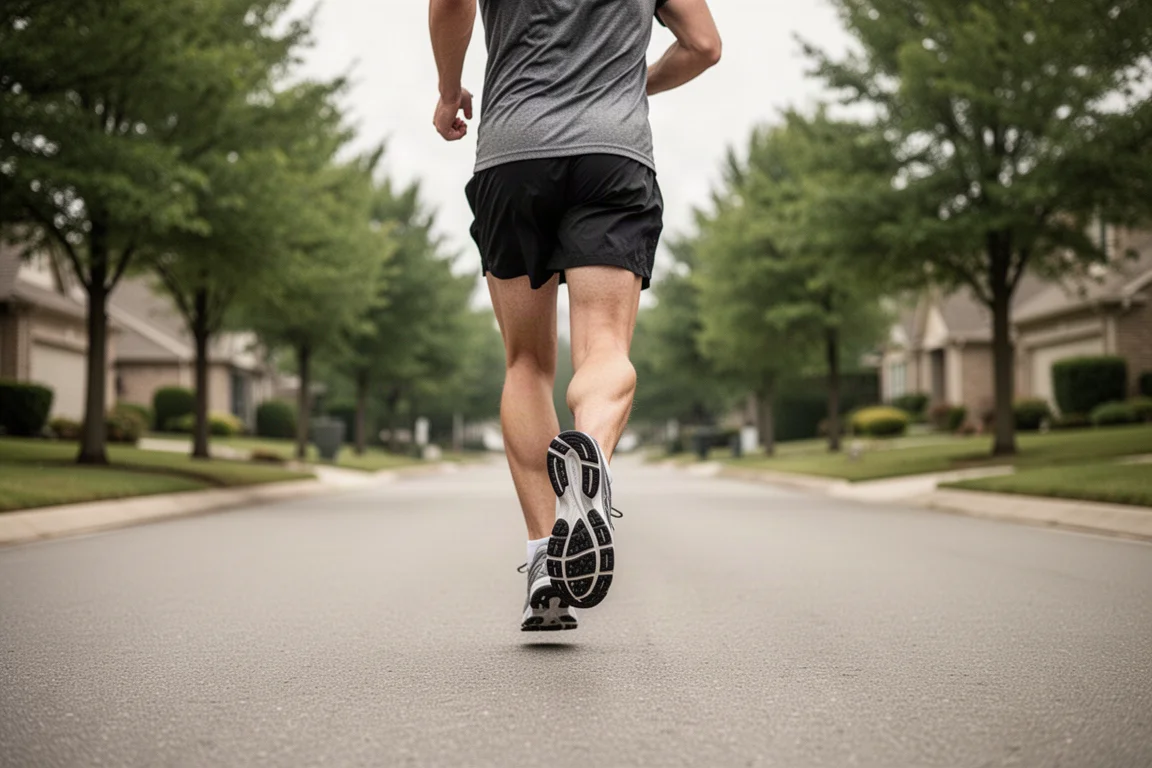
There is one more angle worth noting: weight. The Paramount Max is actually lighter than the Vomero Plus, which raises the possibility of it working better at steadier paces where the heel clipping matters less. For now, the Vomero Plus remains the smoother, more dialed ride of the two.
Buying Advice: Which One Should You Get?
If you want maximum stability, the Paramount Max is the clear pick. The enormous, wide heel platform gives it near-stability-shoe security, which addresses the slight heel wobble some people notice in the Vomero Plus. If you want the tallest, most cushioned step-in comfort for walking and casual wear, the Paramount Max is also a legitimate contender, and some will find its lifestyle comfort even better than the Vomero Plus.
For everything else, the Vomero Plus currently takes it. It feels more streamlined on foot, delivers better bounce, transitions more smoothly, and suits both daily miles and quicker steady running. It is also $20 cheaper and frequently on sale, which only widens the gap in value.
One useful note on expectations: the Vomero Plus itself was not impressive for the first 50 to 100 miles, and the Paramount Max may well follow the same pattern. If you value out-of-the-box polish, buy the Vomero Plus. If you are willing to put in miles and prioritize stability and raw cushion volume, the Paramount Max has genuine potential.
Conclusion
These are two very similar shoes in spirit, and that makes the differences that do exist all the more decisive. The Saucony Paramount Max delivers excellent step-in comfort, huge stability, and solid foam, but its flat geometry, bulbous heel, and firm rubber hold back the ride at a premium price. The Nike Vomero Plus remains the more complete package: smoother, bouncier, more versatile, and cheaper. For most buyers, the Vomero Plus is the one to pick, while the Paramount Max remains a promising option for stability-focused max cushion fans willing to give it time.
Further reading
Related Reviews

Running Shoes
Best Road-to-Trail Running Shoes: Three Versatile Options for Mixed Terrain
A practical guide to three road-to-trail running shoes that handle both pavement and mild trails, with clear strengths and trade-offs for different runner types.

Running Shoes
Best Running Shoes for Achilles Tendonitis: Three Options Explained
Three running shoes with different heel drops and support features designed to help reduce Achilles tendon pain during walking and running.

Running Shoes
Best Running Shoes for Women: Five Top Choices Ranked
A ranked guide to five women's running shoes, from versatile daily trainers to high-performance racing options, with real strengths and trade-offs for each.