Running Shoes
Saucony Paramount Max Review: A Max Cushion Trainer Built Wide and Soft
Saucony's max stack trainer delivers plush, squishy comfort on easy days, with a wide fit that some runners will love and others will fight with.
Introduction
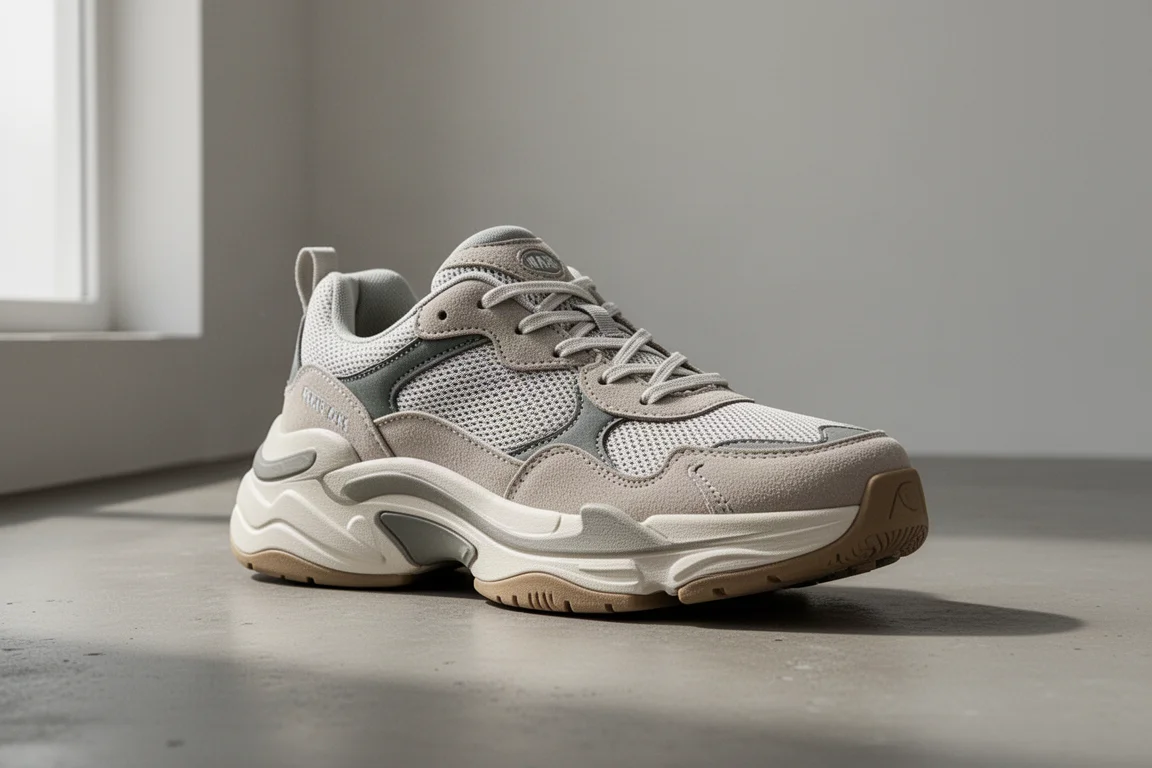
The Saucony Paramount Max is the brand’s max stack, super-cushioned trainer, and it leans hard into one identity: soft, squishy, comfortable mileage. It uses a wide platform, a very accommodating upper, and a thick slab of race-derived foam tuned for durability rather than race-day snap. If you want a plush recovery and easy-day shoe, this one is squarely aimed at you. If you want a do-everything trainer, it is worth pausing before you buy.
Who This Product Is For
This shoe is built for runners who prioritize comfort above all else. It worked especially well for easy and recovery runs, where its deep cushioning felt comfortable and genuinely fun underfoot. Runners with wider feet are the clear target: the upper and the platform are both generous, and wider-footed testers found the fit accommodating in the forefoot and throughout the shoe. Runners with narrow feet, on the other hand, had to cinch the lacing down tightly to get a secure feel, and some found the fit sloppy as a result. Heavier runners who want maximum cushioning are also an obvious match here.
Main Strengths
The headline numbers tell the story: 43 mm of foam in the heel and 37 mm in the forefoot. The midsole uses Saucony’s IncredRun foam, related by name to the foam in the Endorphin Elite race shoes but formulated differently. It feels softer and squishier underfoot, with the firmer tuning likely there for durability and to keep the ride stable without a plate.

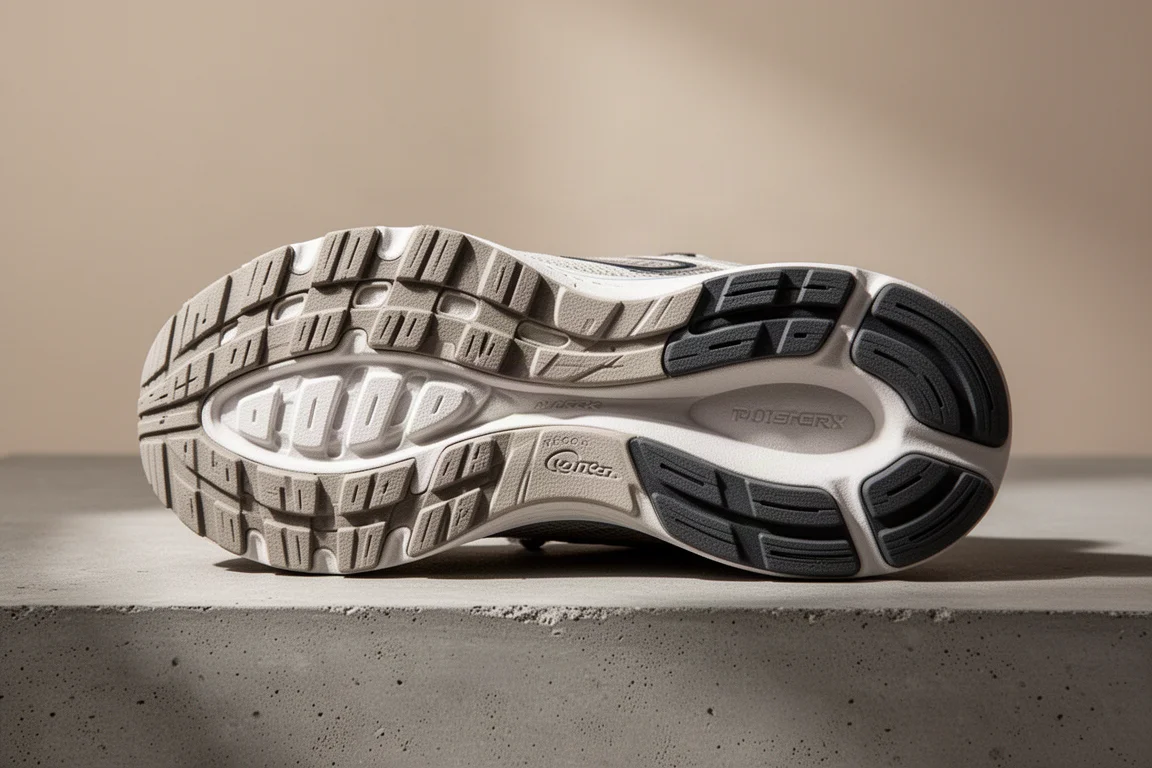
The upper brings its own comfort. A very plush, gusseted tongue pairs with a roomy forefoot, and the thick insole adds a few extra millimeters of cushioning on top of an already generous stack. The outsole carries plenty of rubber coverage, and importantly it does not stiffen the ride; it simply adds durability and traction without cutting into the softness of the foam. Weight is reasonable for this much shoe: around 8.4 oz (238 g) in a women’s US 7.5 and about 10.5 oz (300 g) in a men’s size.
Things to Consider Before Buying
The fit is the biggest variable. The upper is very wide, and narrow-footed runners may struggle to lock the foot down without cranking the laces. The heel counter, described as anatomical and meant to reduce irritation, caused rubbing against the ankle for one tester when worn with low-cut socks; a higher sock solved it, but it is worth knowing before you commit.
The ride is also a one-trick pony. The soft, wide foam platform keeps the shoe stable despite the squish, but the shoe does not encourage picking up the pace the way some max-cushion competitors do. On longer runs, the softness led to some foot fatigue as the foam sunk in, which may limit how far you want to take it.
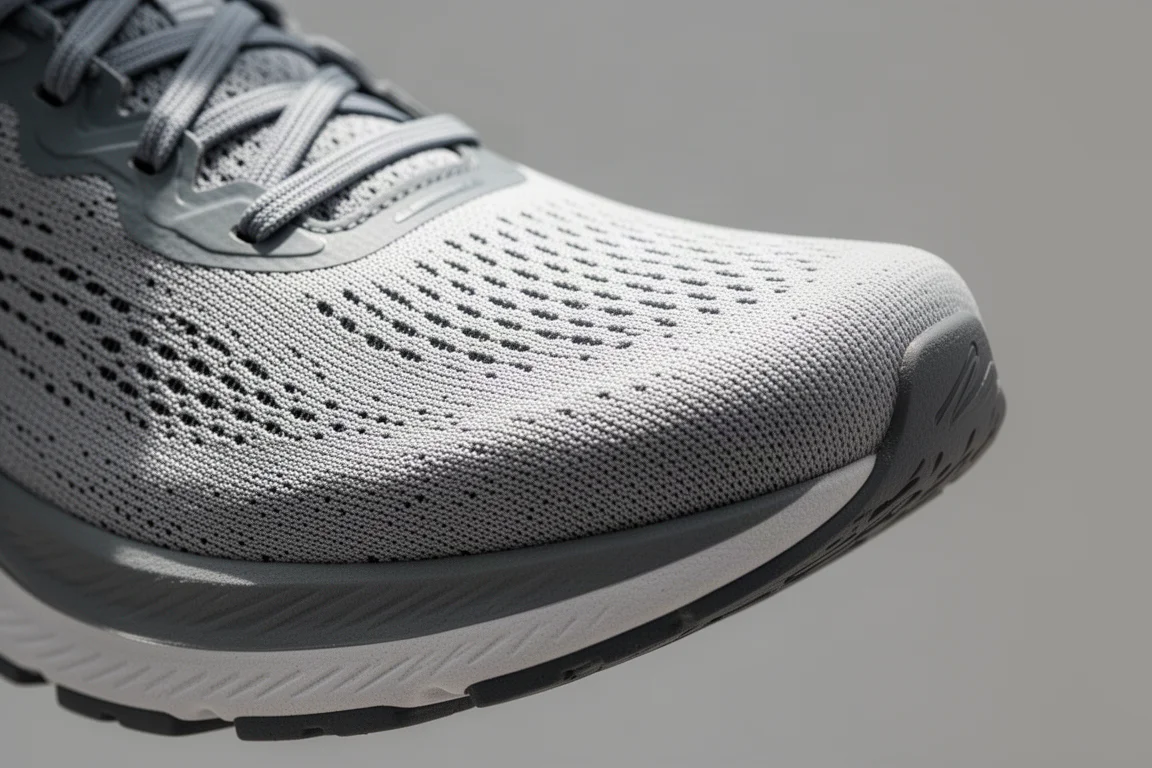
Design is divisive too. The wide, chunky silhouette reads almost like a zero-drop wide-toebox shoe, and the retro-inspired look suggests firmness that the ride does not deliver. At $200, it also enters a very competitive category with strong alternatives at similar prices that add a performance edge this shoe lacks.
Ride and Best Use Case
In daily use, this is a recovery and easy-day shoe first. The cushioning makes slow miles feel effortless and comfortable, and the wide base keeps the soft foam from feeling wobbly. If you liked the feel of very soft, roomy max-cushion trainers from other brands, this delivers a similar character with better stability thanks to its broad footprint.

It is best as part of a rotation rather than a sole shoe. Speed sessions and uptempo days are better served elsewhere, but for the intended role of plush, easy miles, it does exactly what it promises.
Buying Advice
If you have a wider foot, enjoy a very soft ride, and want a dedicated recovery or easy-day trainer, the Paramount Max is close to purpose-built for you. The foam feels durable, the outsole rubber should last, and the comfort is real. If you have narrow feet, want a shoe that can also handle faster running, or are shopping strictly on value in this crowded $200 max-cushion segment, compare it against the competition before deciding.
Conclusion
The Saucony Paramount Max nails its intended job as a true max cushion trainer: soft, comfortable, and stable enough for easy miles. The wide fit, heel counter irritation risk, and lack of performance versatility keep it from being a universal recommendation, but for the right runner, it is a genuinely enjoyable recovery shoe.
Product link
View more details for Saucony Paramount Max
This product is mentioned in the review. Check the specifications, options, and compatibility before buying.
View more details for Saucony Paramount MaxFurther reading
Related Reviews
Running Shoes
Best Road-to-Trail Running Shoes: Three Versatile Options for Mixed Terrain
A practical guide to three road-to-trail running shoes that handle both pavement and mild trails, with clear strengths and trade-offs for different runner types.
Running Shoes
Best Running Shoes for Achilles Tendonitis: Three Options Explained
Three running shoes with different heel drops and support features designed to help reduce Achilles tendon pain during walking and running.
Running Shoes
Best Running Shoes for Women: Five Top Choices Ranked
A ranked guide to five women's running shoes, from versatile daily trainers to high-performance racing options, with real strengths and trade-offs for each.