Running Shoes
Saucony Paramount Max and the Best Max Cushion Alternatives: Four Jumbo Stack Shoes Compared
A close look at the Saucony Paramount Max and three max cushion rivals, covering softness, stability, weight, and value so you can pick the right jumbo stack trainer.
Introduction
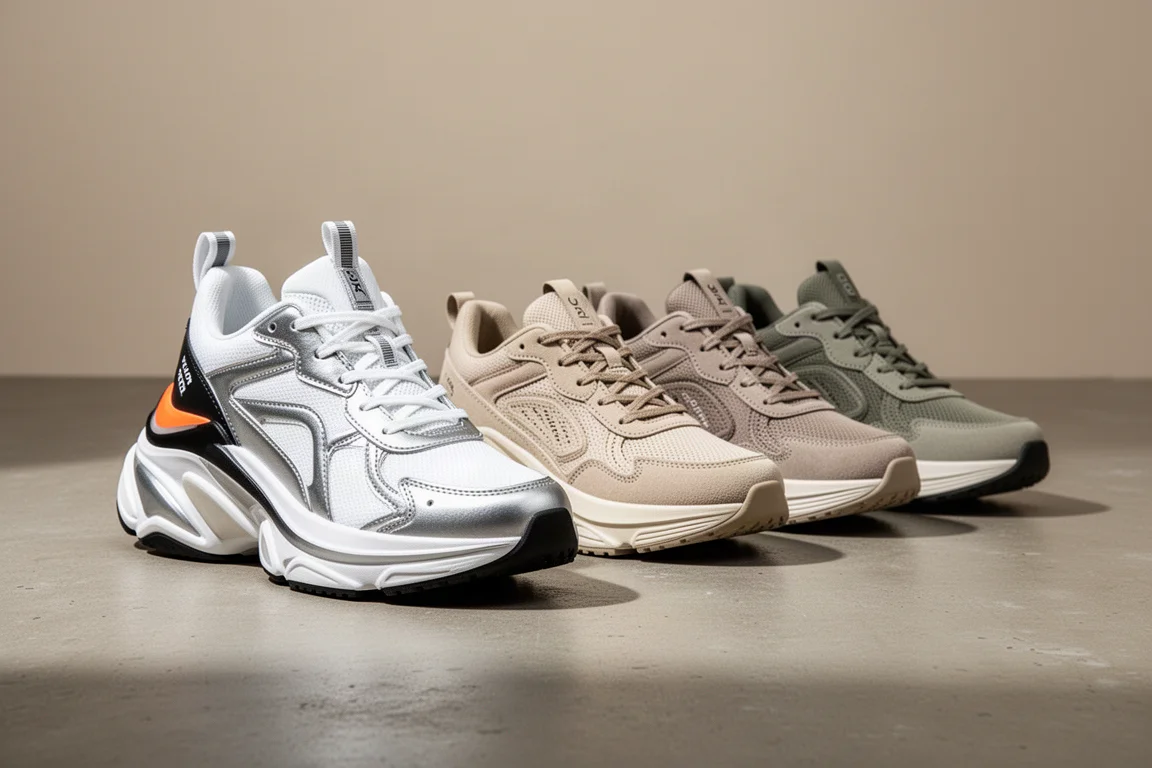
Max cushion shoes are having an identity moment. Foam technology has advanced to the point where brands can finally bring stack heights down, yet a handful of shoes this year are doubling down on jumbo stacks and proving the category still has plenty to offer. The Saucony Paramount Max is one of the most ambitious of them, and it arrives alongside strong competition from Saucony’s own Triumph 23, the Hoka Skyward X 2, and the Brooks Glycerin Max 2.
This comparison walks through what each shoe does well, where each one falls short, and which type of runner each one actually suits.
Saucony Paramount Max: Premium Foam at Full Stack
The Paramount Max is the tallest shoe Saucony has ever made, with a 43 mm heel stack, a 6 mm drop, and a 37 mm forefoot. It looks bigger than those numbers suggest, largely thanks to a wide platform and a large landing pad behind the forefoot pads that adds a measure of control at contact.
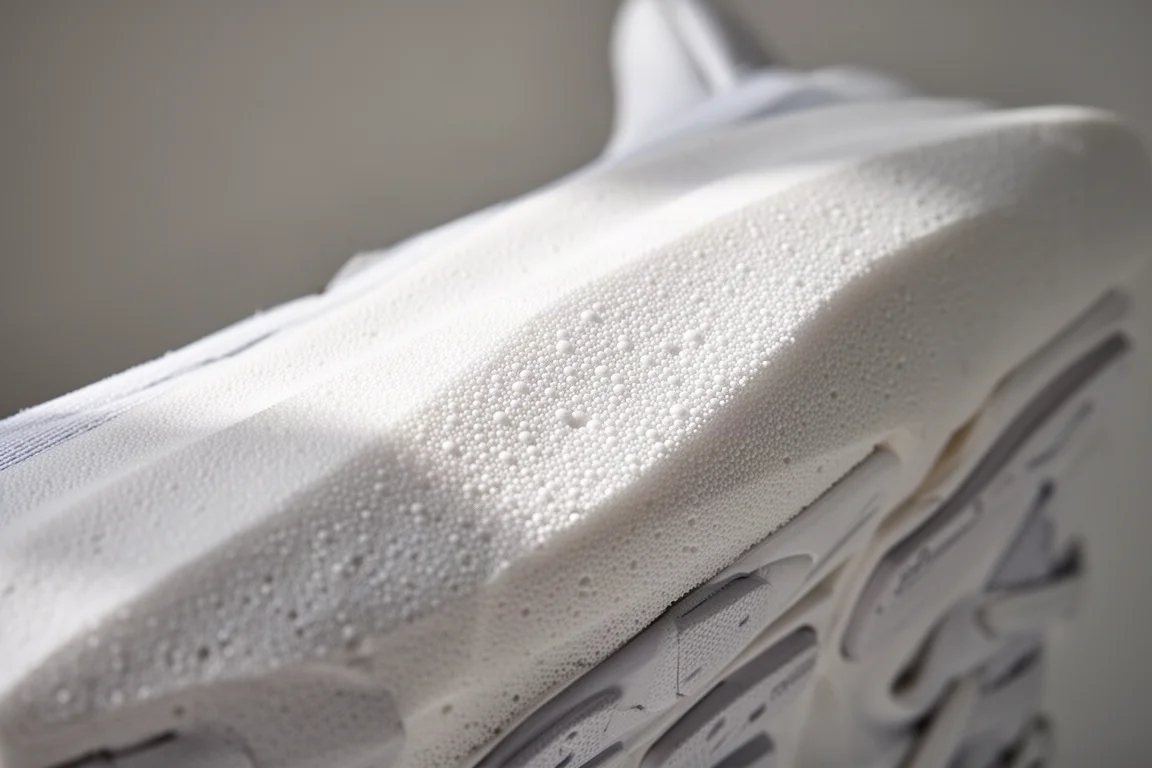
The midsole uses Saucony’s premium Incrediblend foam, the same blended TPE found in the brand’s top racing shoe. Here it delivers a different character: soft and compressive, but with a resistance to compression that slows sink-in and pops back on push-off. That gives the ride a comfortable, chewy quality that is soft without being mushy, and it makes the shoe genuinely versatile across recovery runs and everyday training.
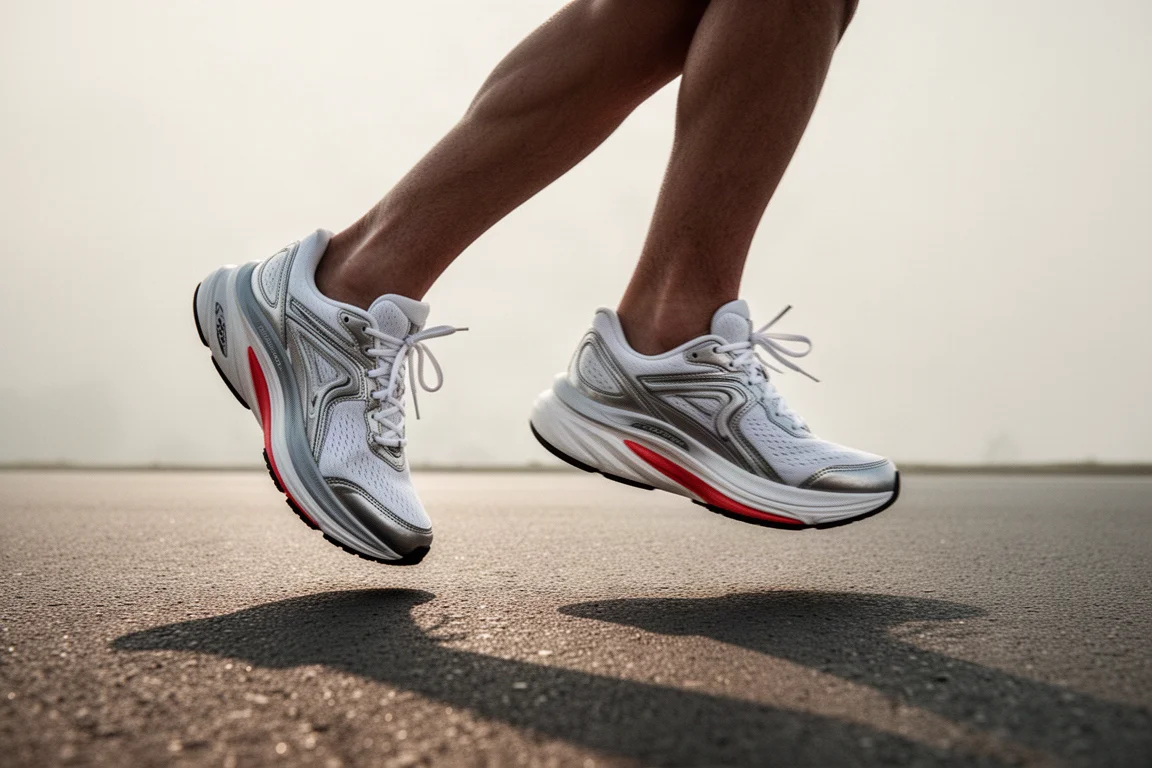
A prominent but manageable rocker helps wrangle all that stack, and the outsole gets ample rubber without going overboard, keeping the foam’s feel alive. The engineered mesh upper is soft and reasonably breathable, with a padded tongue, a pull tab, and a molded heel collar with a prominent Achilles flare plus extra structure along the ankle. Fit runs true to regular running shoe size, and the measured weight is a relatively low 9.5 oz (270 g) for something this big.
The shoe can pick up the pace thanks to the energy in the foam, but at just under 10 oz it is still a lot of shoe for fast workouts. Its best range is daily training and slower, comfort-focused miles. Note that it is a first-year model with no prior version, and it was not available until July 1st at $200.
Saucony Triumph 23: The Value Alternative
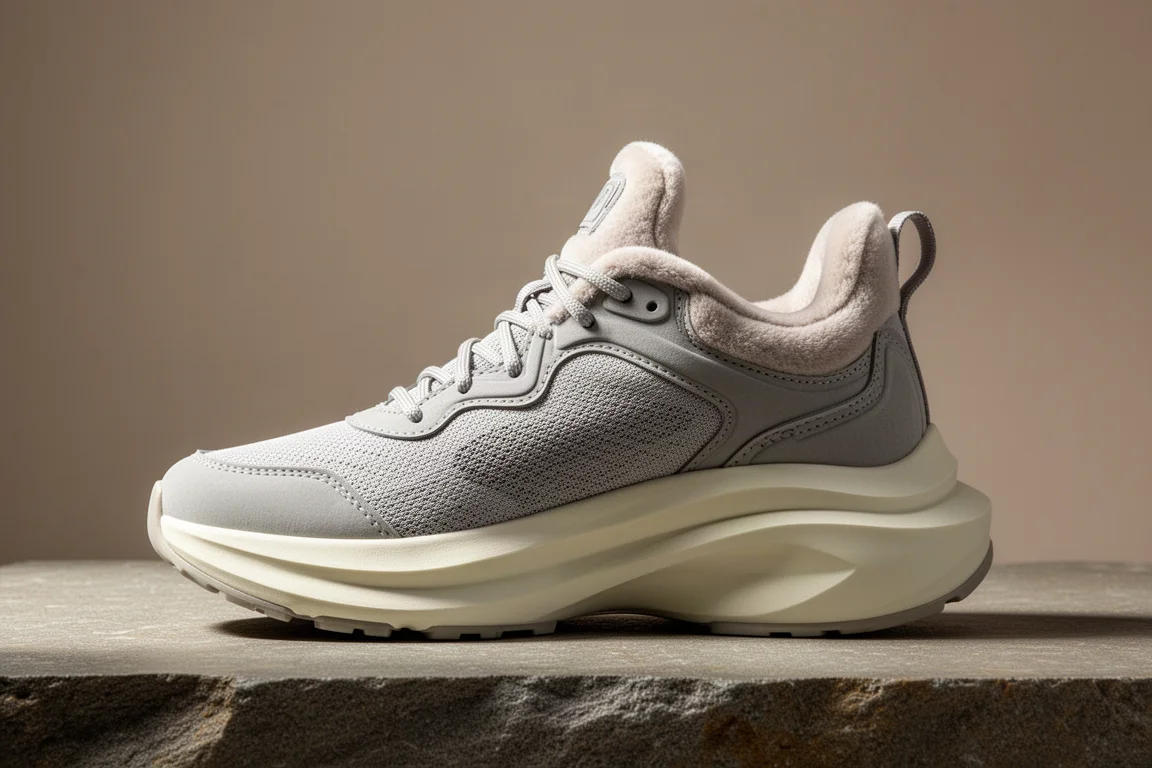
Before the Paramount Max, the Triumph was Saucony’s de facto max cushion shoe, though it has been straddling identities as a premium daily trainer. The Triumph 23 uses PWRRUN PB, a beaded PEBA race-grade foam, in a geometry tuned for daily training and max cushion duty.
The key difference from the Paramount Max is emphasis. On the Paramount Max, softness comes first and bounce second; on the Triumph 23, it is the reverse. Bounce is the headline and softness plays a supporting role, which makes the Triumph feel more like a daily trainer that happens to be tall.
The value proposition is hard to ignore. It originally retailed for $170, and as an older model it can now be found for around $135. That price drop makes it an excellent option right now, especially for runners who want a bouncier ride and a lower spend. If you prefer waiting, a Triumph 24 is on the way with a brand new Saucony foam, but the 23 remains a smart buy in the meantime.
Hoka Skyward X 2: The Closest Competitor
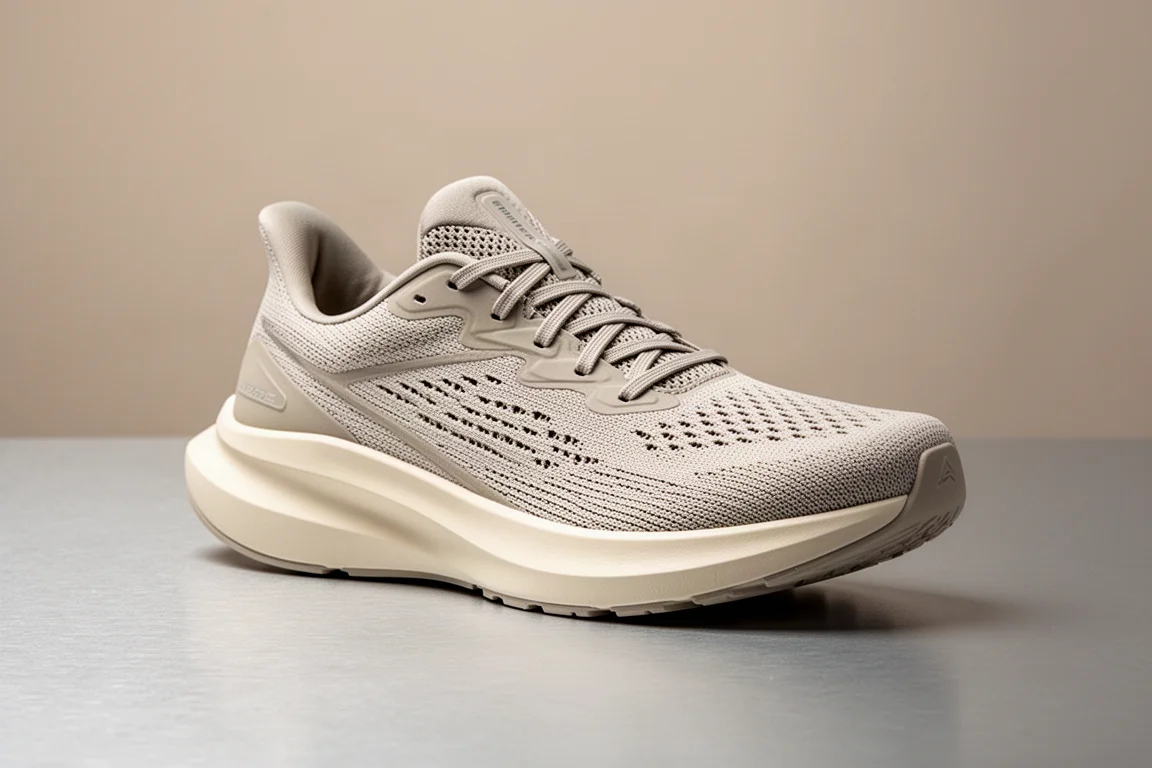
The Skyward X 2 is the Paramount Max’s most direct rival, and the two are very close in both softness and bounce. Both are strong candidates for the top of the max cushion class this year.
The differences show up mostly for runners with specific stability needs. Depending on whether you want stability at the heel or the forefoot, and whether you need it in the pronation or supination direction, one of these shoes may suit you better than the other. For runners without those needs, the two feel remarkably similar, with the Paramount Max holding a slight edge in extra softness and extra bounce, plus a $25 price advantage at $200 versus $225 for the Skyward X 2.

If stability demands are not part of your picture, choosing between these two comes down to small preferences in ride feel and price. If they are, try both on and pay attention to where you land.
Brooks Glycerin Max 2: Refined but Less Bold
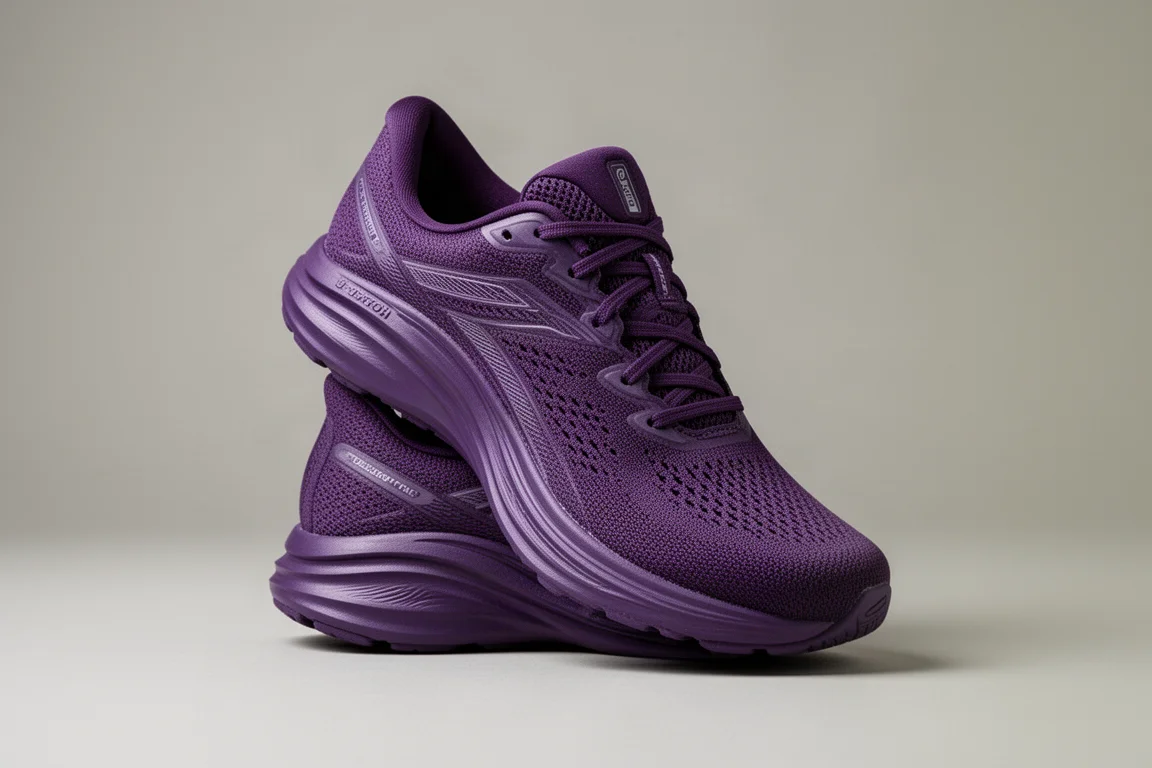
The original Brooks Glycerin Max reinvigorated the over-the-top end of the max cushion category with an unapologetically tall shoe that chased premium cushion above all else. It was wonderfully different, though possibly a touch too mushy for some tastes, and it is no longer available new.
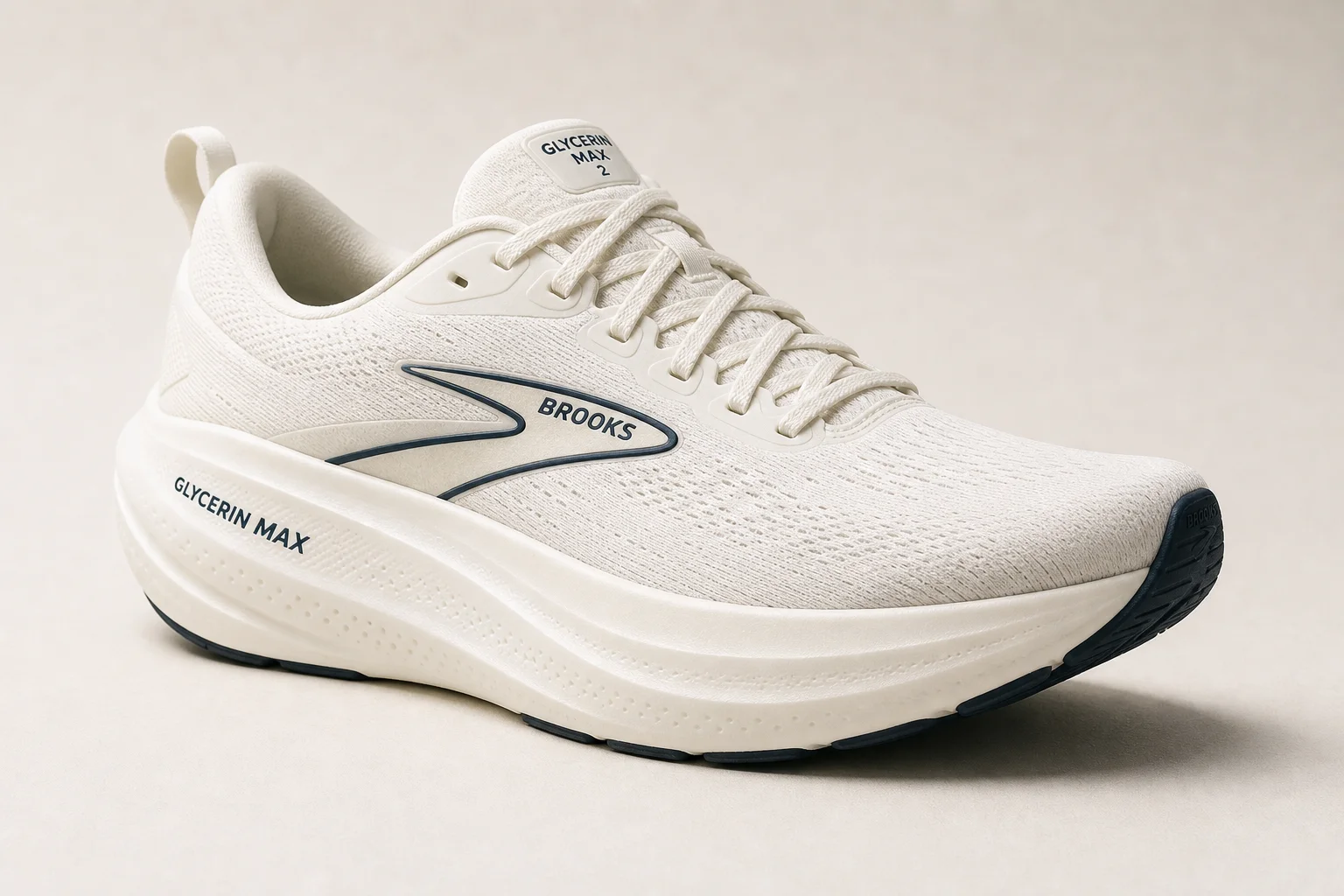
The Glycerin Max 2 tones that personality down. It is more stable and more predictable, a more traditionally Brooks-like experience, which refines the shoe but strips away some of what made the original special. At $200, it is a harder recommendation in this company, but it remains part of the same family of max cushion shoes trying to over-deliver on every parameter.
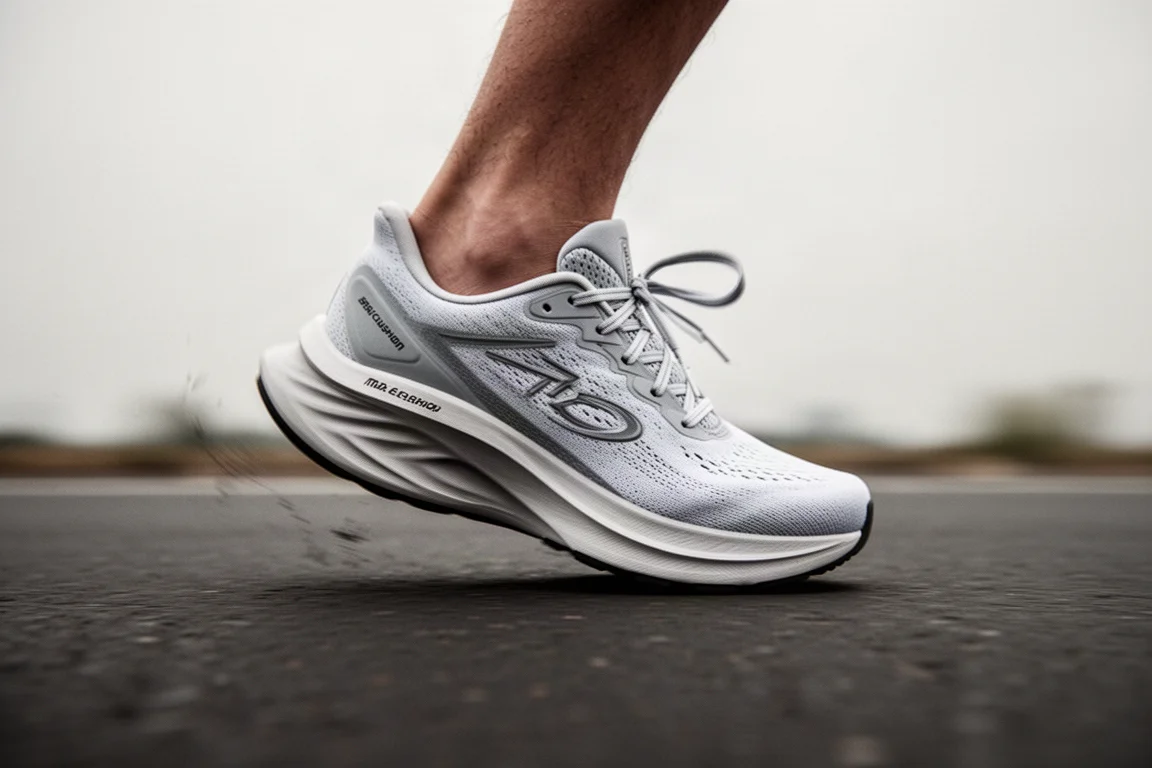
For runners who loved the Glycerin Max, the original’s ride is a useful reference point for what the Paramount Max offers: tall, plush, and distinctly fun.
Which One Should You Buy?
If you want the softest, most versatile jumbo stack experience and can pay full price, the Paramount Max is the standout, with a low relative weight and a foam that handles everything from recovery days to brisk daily miles. If value matters most, the Triumph 23 at around $135 delivers a bouncier daily trainer at a much lower cost. The Skyward X 2 is a near-equal alternative, particularly for runners with specific stability preferences, while the Glycerin Max 2 suits those who want a more predictable, traditional feel from their tall shoe.
Conclusion
Even as foam advances let brands shrink stack heights, jumbo cushion shoes still earn their place. The Saucony Paramount Max proves the category can be jumbo fun, pairing premium foam with surprising versatility. Match the shoe to your priorities: maximum softness, maximum value, a specific stability profile, or a refined, predictable ride, and one of these four will fit the bill.
Further reading
Related Reviews

Running Shoes
Best Road-to-Trail Running Shoes: Three Versatile Options for Mixed Terrain
A practical guide to three road-to-trail running shoes that handle both pavement and mild trails, with clear strengths and trade-offs for different runner types.

Running Shoes
Best Running Shoes for Achilles Tendonitis: Three Options Explained
Three running shoes with different heel drops and support features designed to help reduce Achilles tendon pain during walking and running.

Running Shoes
Best Running Shoes for Women: Five Top Choices Ranked
A ranked guide to five women's running shoes, from versatile daily trainers to high-performance racing options, with real strengths and trade-offs for each.