Running Shoes
Saucony Marathon Training Rotation: Seven Shoes for Every Run in Your Build
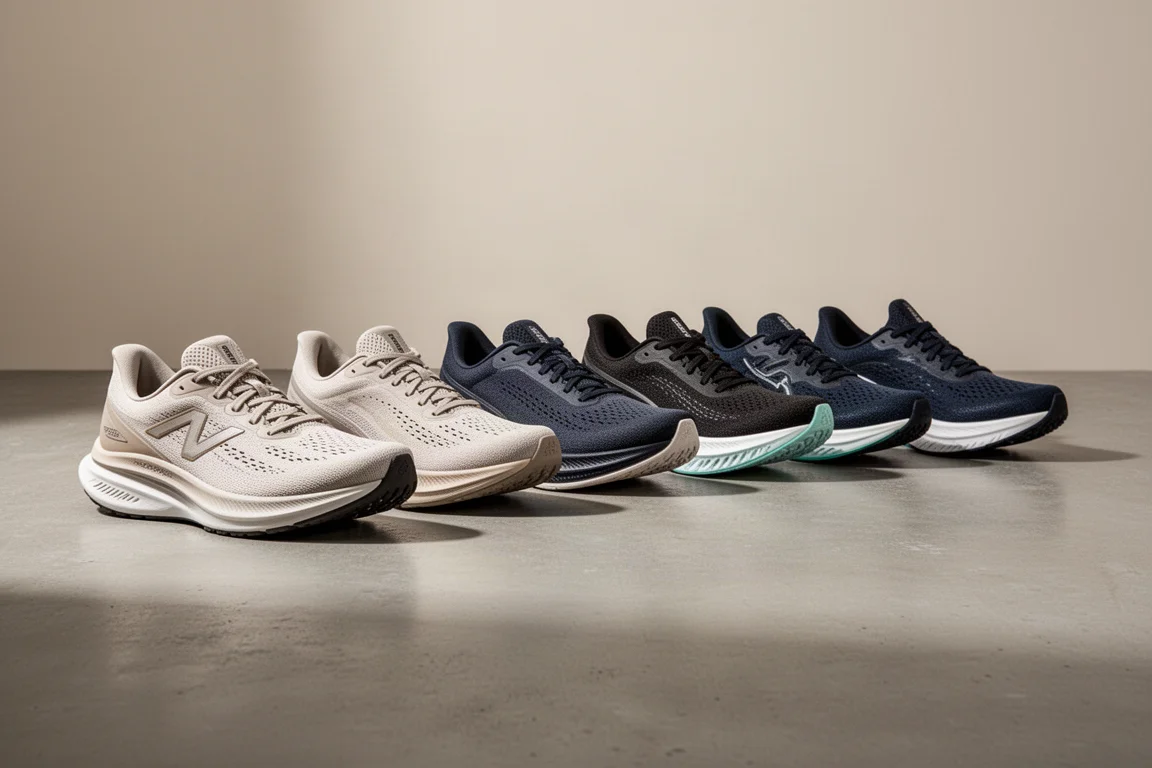
A full Saucony marathon training lineup, from daily trainers and recovery runs to the carbon race day shoe.
Introduction
Saucony has become one of the most reliable names for marathon training, and its lineup now covers every type of run in a build: easy miles, intervals, recovery days, long runs, and race day itself. One training cycle even leaned heavily on the Endorphin Speed 3 while preparing for a marathon, with the Endorphin Pro 3 used on race day. Here is how the current lineup breaks down by run type.
Daily Trainer Options: Ride 16 and Endorphin Shift 3
Daily trainers are where runners differ most in preference, so two picks make sense here.
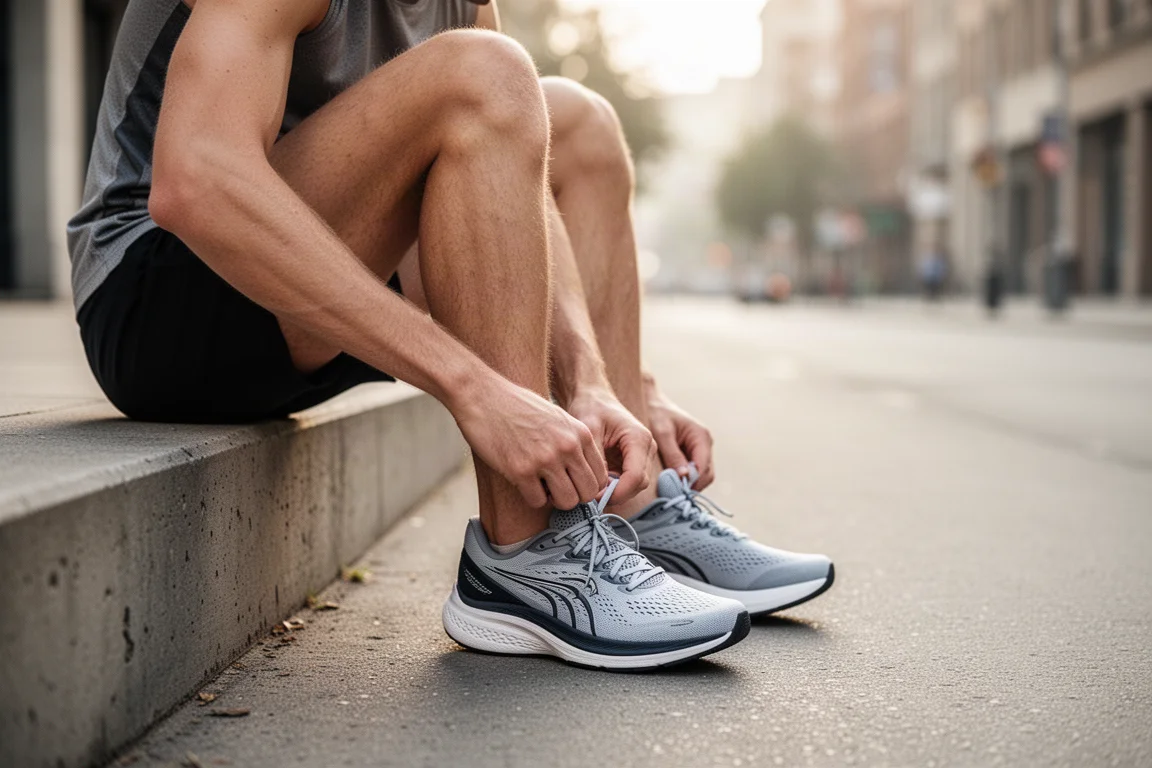
The Saucony Ride 16 suits efficient runners, faster runners, and anyone who prefers less cushion and a firmer ride. It uses Saucony’s PWRRUN foam, an EVA-based midsole that is snappy and responsive, and it sits right in the middle of the weight range for daily trainers. There are no plates or unusual tech inside, which makes it a solid choice for building leg strength and handling everyday running.
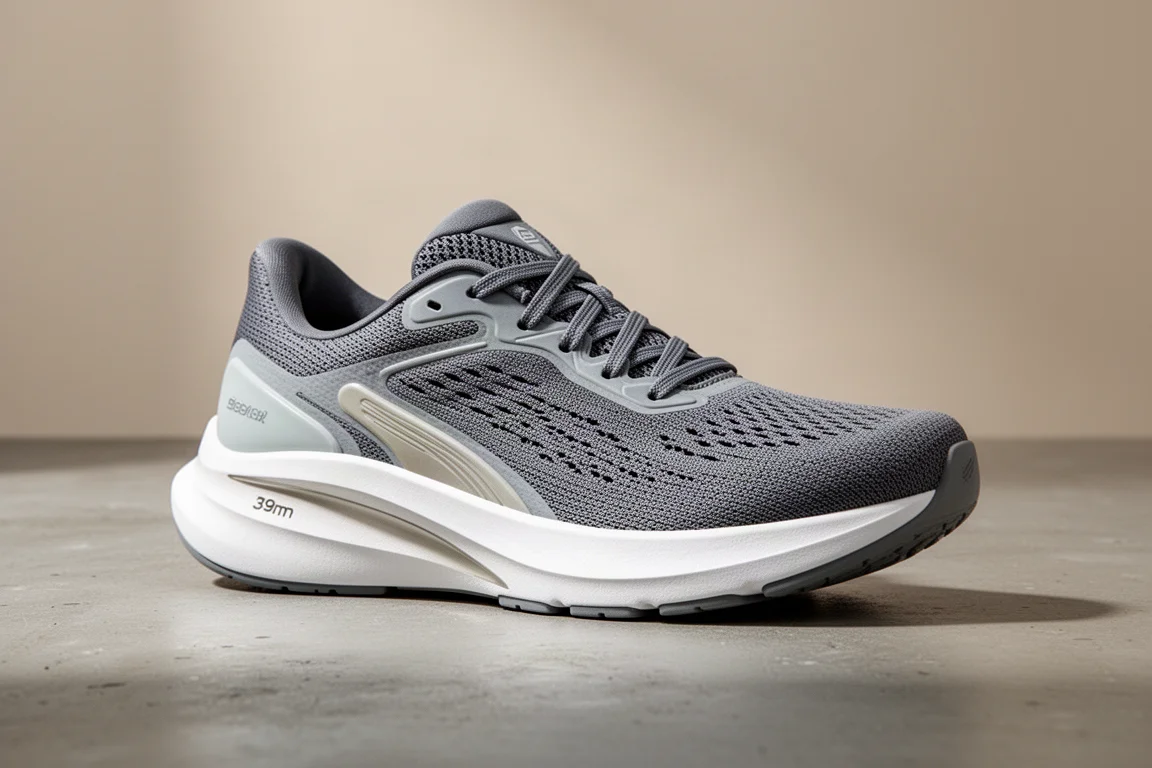
The Endorphin Shift 3 is the better fit for bigger runners or anyone who wants more cushion underfoot. It uses the same PWRRUN EVA foam but with a much bigger stack: 39mm in the heel and 34mm in the forefoot for a 5mm drop. An aggressive rocker and a plastic heel clip add stability, so the shoe effectively helps do some of the work of running for you and eases the burden on your legs. If you are a bigger, taller, or stronger runner, or you simply want a more cushioned everyday experience, the Shift 3 is the pick.
Interval Training: Saucony Sinister
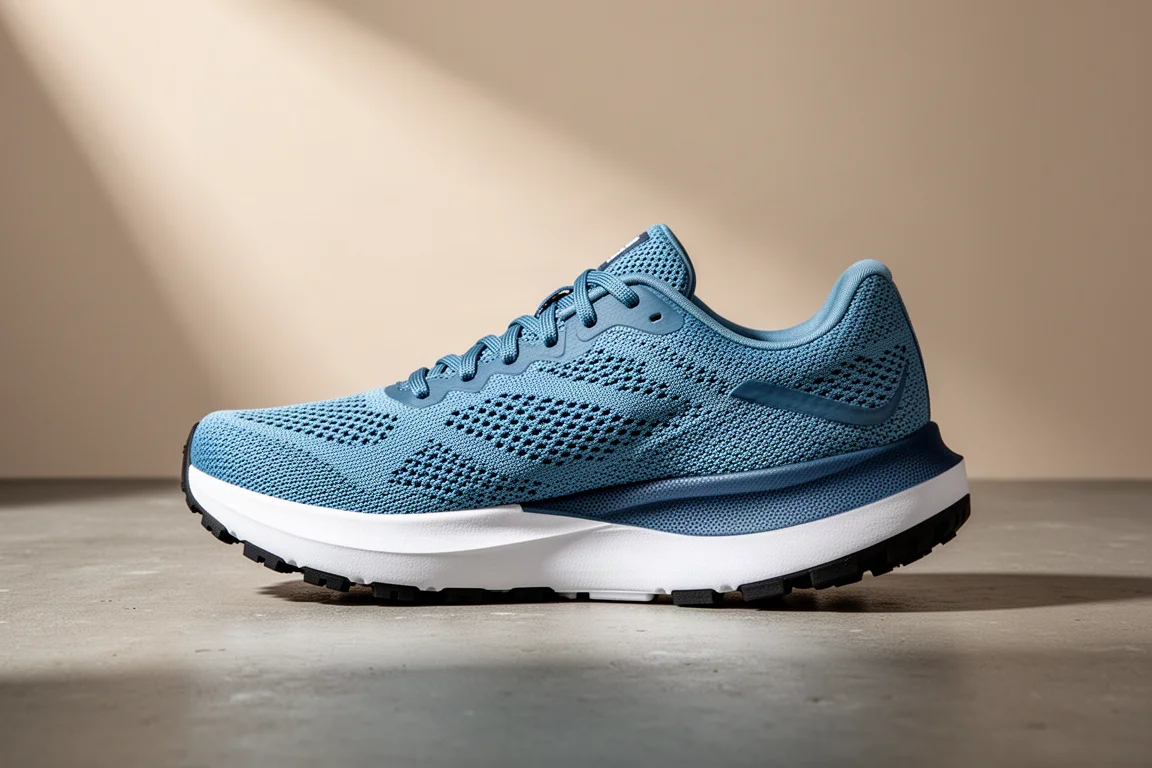
For shorter, faster efforts like 4x800m repeats or mile repeats, the Saucony Sinister is the recommendation. It was designed as Saucony’s short-distance racing shoe for 5K and 10K efforts, and it works well for these workouts.
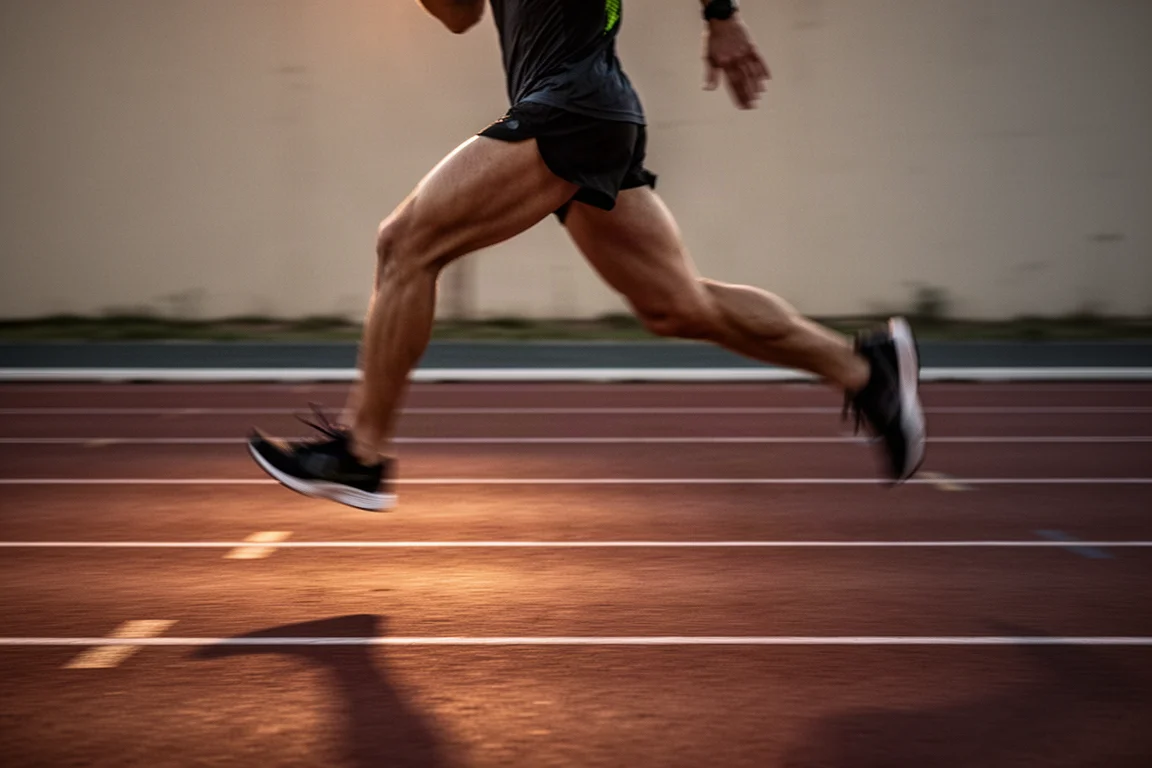
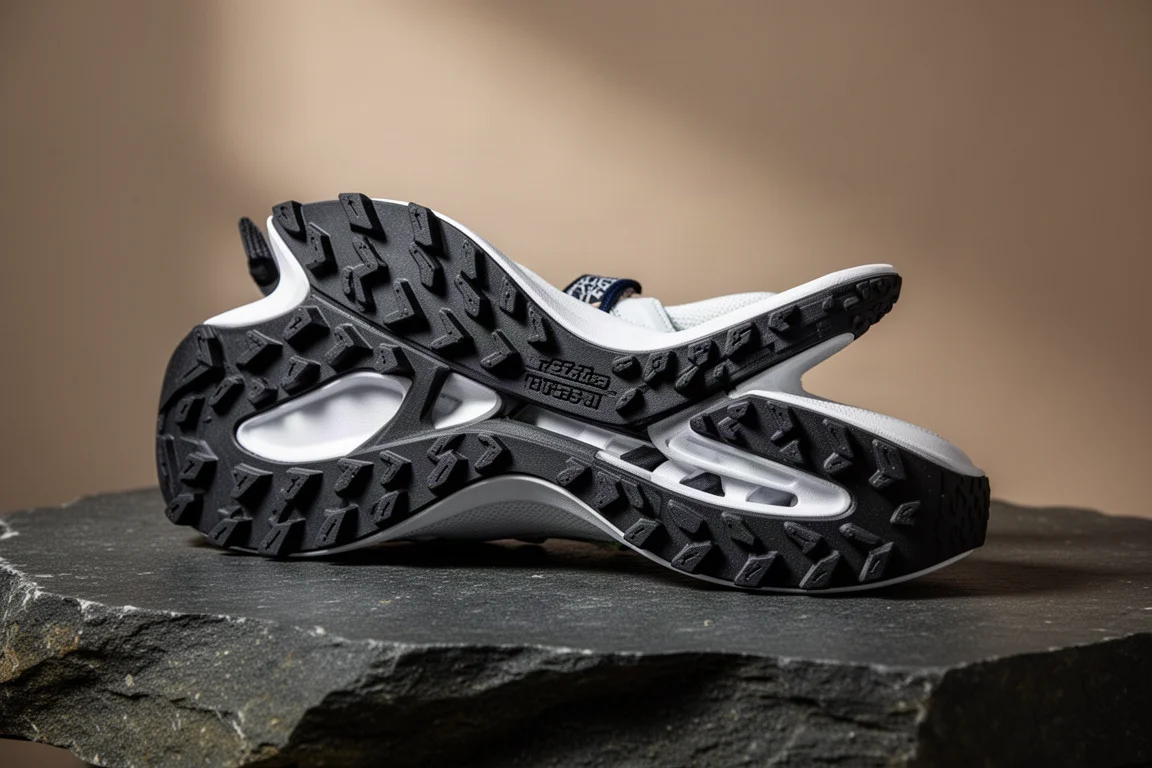
The Sinister uses a full-length bed of PWRRUN PB foam, Saucony’s PEBA-based compound that rivals the best racing foams on the market. There is no plate inside, and the shoe comes in feather light at under 5 oz. If the goal is building top-end speed in a shoe you barely notice on your feet, this is it.
Recovery Runs: Saucony Triumph 21
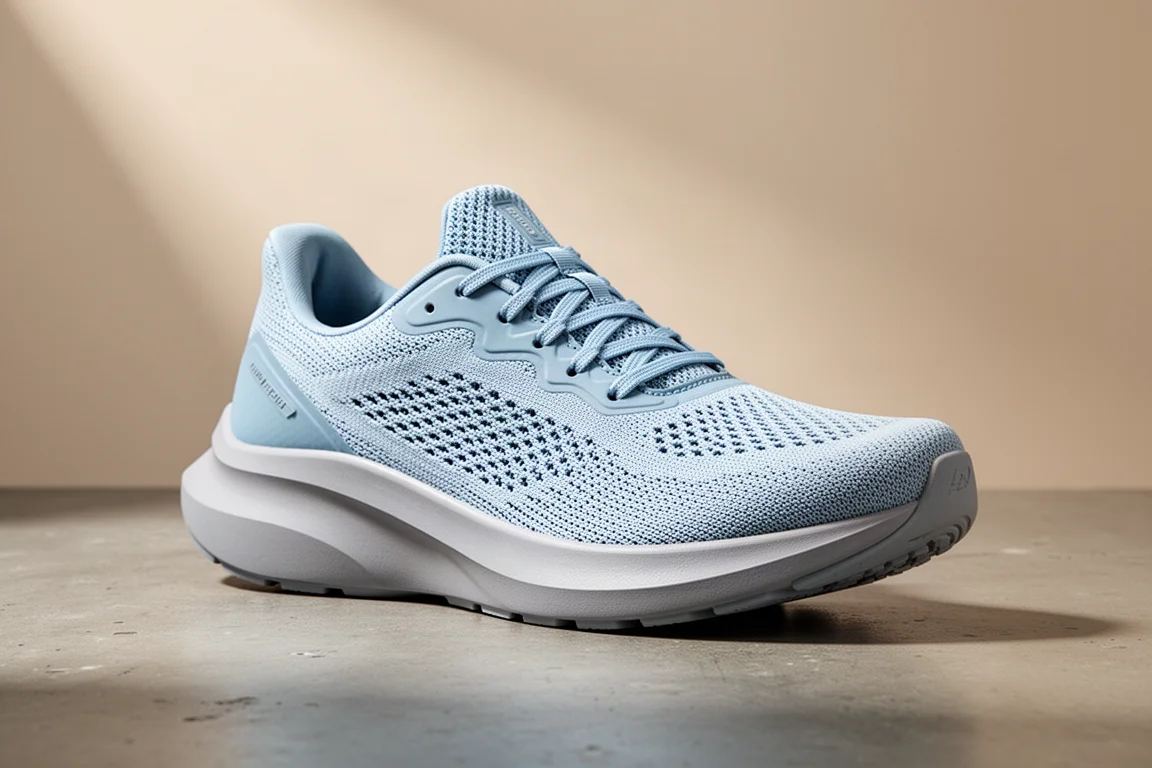
For easy recovery days, the Triumph 21 is one of the most comfortable shoes available, running shoe or otherwise. The midsole uses PWRRUN Plus, a beaded TPU foam with a plush, sink-in softness underfoot.
Even so, the foam stays bouncy and responsive enough when you want to pick up the recovery pace slightly. It is not a shoe for faster workout efforts, but for simply moving the legs after hard sessions or long runs, the Triumph 21 is exactly what you want.
Long Runs: Endorphin Speed 3
The Endorphin Speed 3 is one of the highest-mileage shoes in a marathon build, to the point of going through two pairs in a year. It pairs a full-length bed of PWRRUN PB foam, that PEBA-based racing compound, with a nylon plate that adds stability and snap. Small side wings help hold the foot in place, and the upper is lightweight and breathable.
The plate and superfoam combination takes load off the legs in the final miles of 14, 16, 18, and 20 mile long runs. For anyone deep in a marathon build with cumulative fatigue stacking up, the Speed 3 is the companion for those tough long efforts.
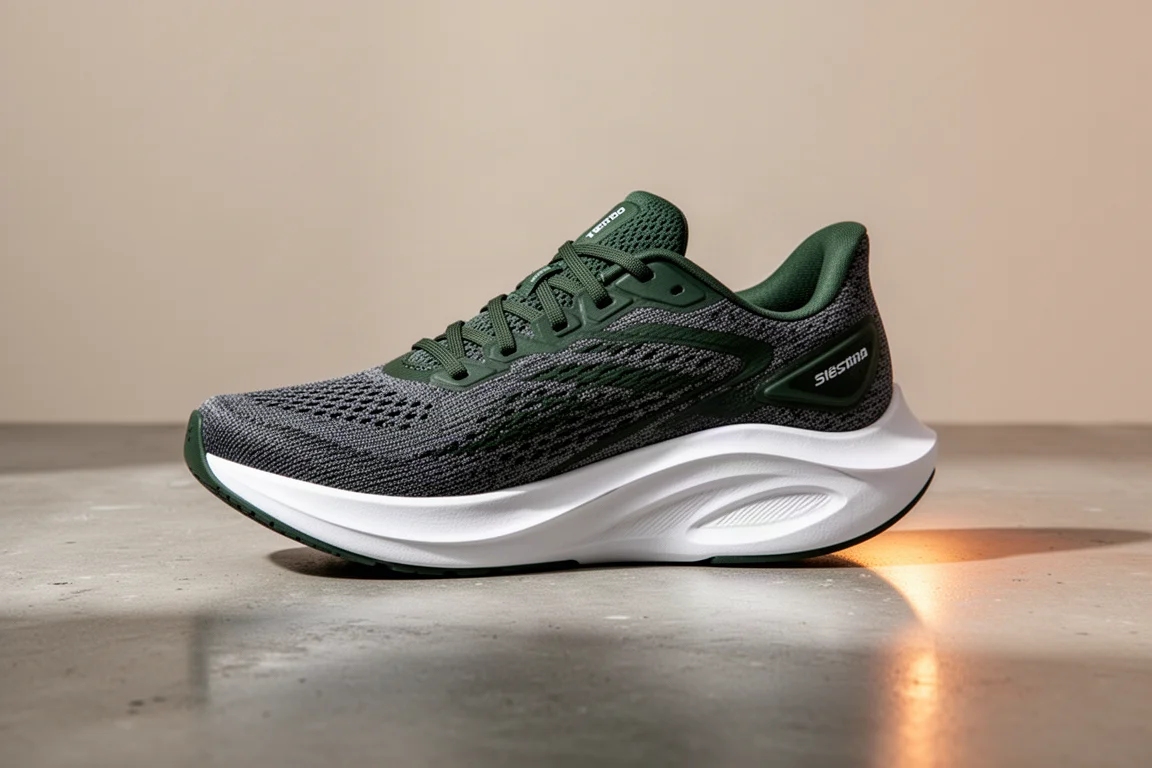
Race Day: Endorphin Pro 3 vs Endorphin Elite
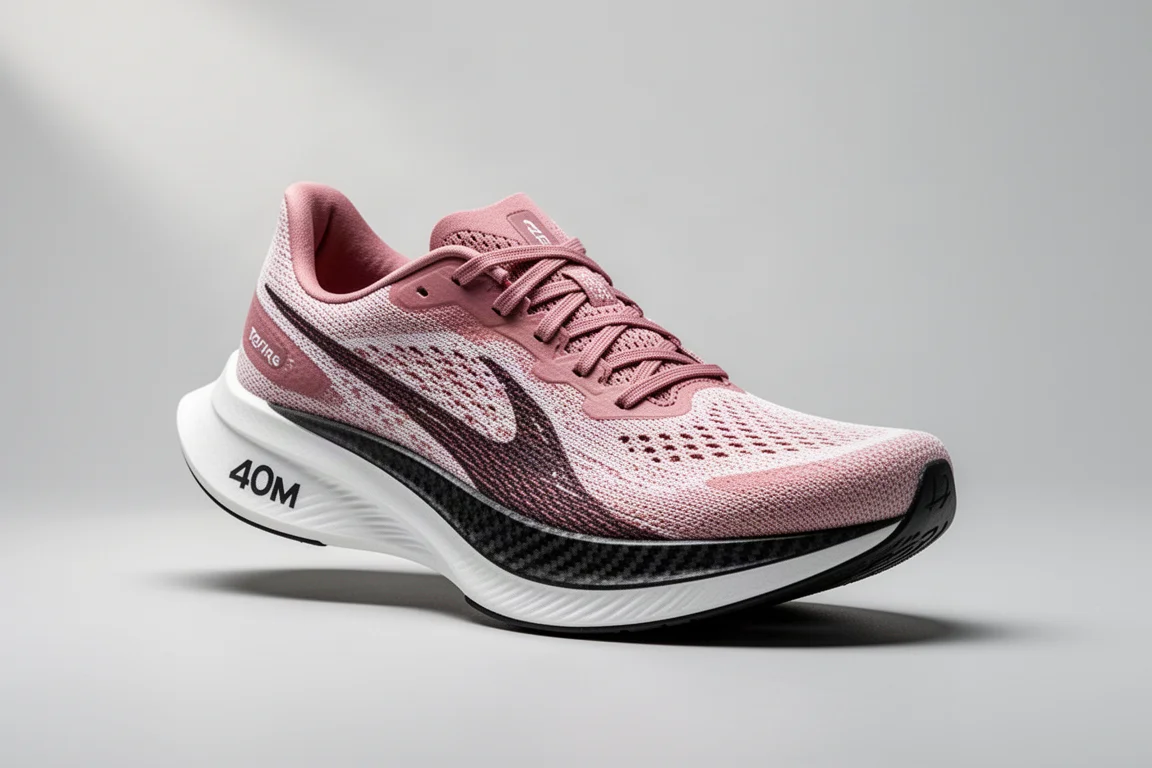
For race day, the Endorphin Pro 3 is the recommendation. It feels snappy and bouncy, stays comfortable at every pace you will run in the marathon, and can even handle long runs with pace sections built in. It uses the same PWRRUN PB foam as the Sinister and Speed 3, combined with a full carbon fiber plate for that extra snap, an aggressive rocker to help you roll along, and a lightweight upper.

Saucony also released the Endorphin Elite, priced at $275 compared to the Pro 3’s $225. For most enthusiast and recreational runners, the practical difference in benefit between the Elite and the Pro 3 is small. If you want a carbon-plated shoe to chase down a marathon PR, the Pro 3 delivers what you need without the extra cost.
Conclusion
The ideal Saucony marathon rotation covers every session: Ride 16 or Endorphin Shift 3 for daily miles, Sinister for intervals, Triumph 21 for recovery, Endorphin Speed 3 for long runs, and Endorphin Pro 3 for race day. Match the shoe to the run, and the whole training block gets easier on your legs.
Further reading
Related Reviews

Running Shoes
Best Road-to-Trail Running Shoes: Three Versatile Options for Mixed Terrain
A practical guide to three road-to-trail running shoes that handle both pavement and mild trails, with clear strengths and trade-offs for different runner types.

Running Shoes
Best Running Shoes for Achilles Tendonitis: Three Options Explained
Three running shoes with different heel drops and support features designed to help reduce Achilles tendon pain during walking and running.

Running Shoes
Best Running Shoes for Women: Five Top Choices Ranked
A ranked guide to five women's running shoes, from versatile daily trainers to high-performance racing options, with real strengths and trade-offs for each.