Running Shoes
Saucony Running Shoes Worth a Look: Triumph 21, Triumph 21 RFG, Kinvara Pro and Tempest
A closer look at four Saucony road shoes: the plush Triumph 21, its sustainable RFG sibling, the carbon-plated Kinvara Pro, and the max-cushion stability Tempest.
Introduction
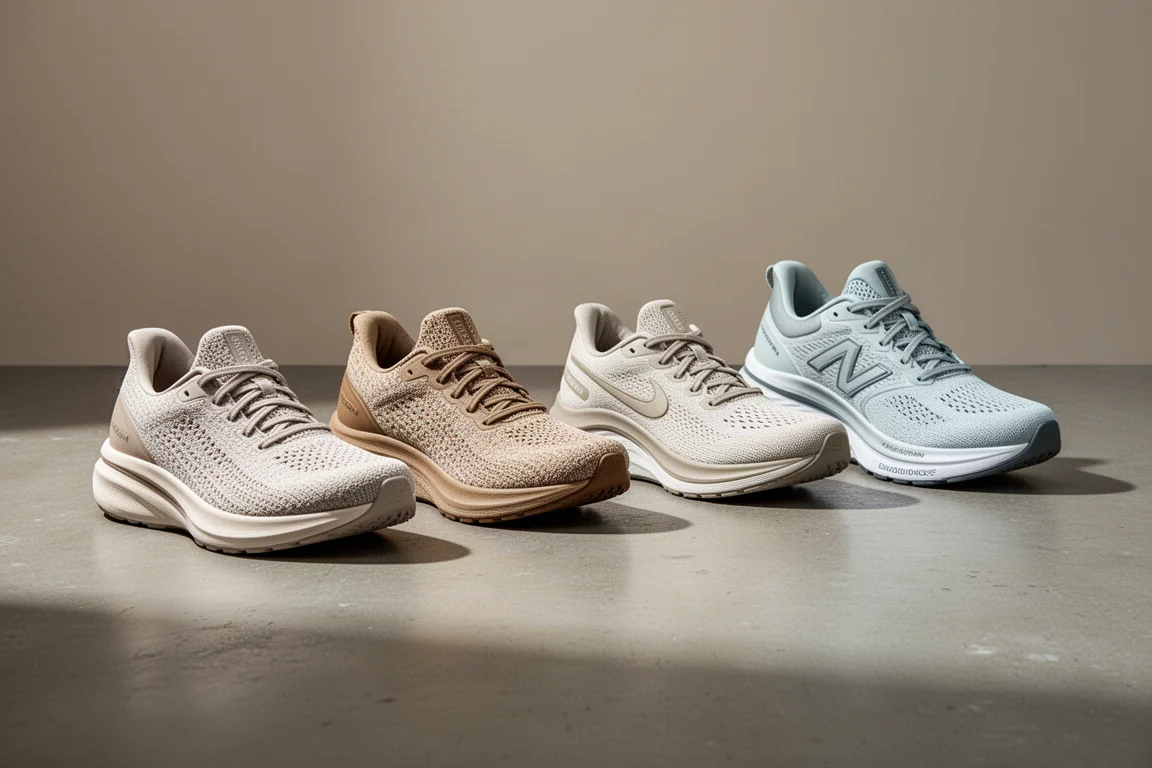
Saucony’s road lineup covers an unusually wide range of runner needs, from plush high-mileage comfort to carbon-plated daily training and max-cushion stability. This guide walks through four shoes that show how broad that range is: the Triumph 21, the more sustainable Triumph 21 RFG, the carbon-plated Kinvara Pro, and the super-foam stability Tempest.
Saucony Triumph 21
The Triumph is Saucony’s high-mileage neutral cushion shoe, sitting in the brand’s premium classification. The idea with this update was to keep what works and elevate the fit: the midsole and outsole carry over, while the upper gets the meaningful changes.
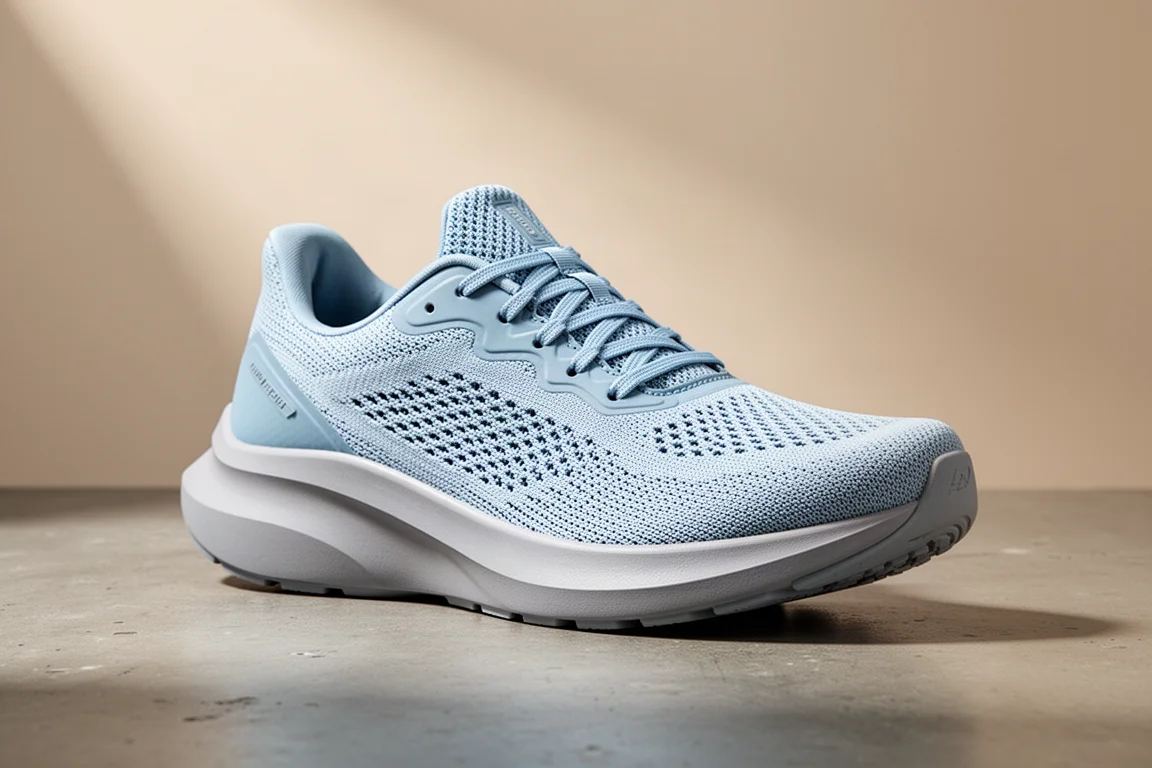
The outsole uses XT-900 rubber, a compound known for serious durability. The midsole uses PWRRUN+ foam, described as compliant, lightweight, resilient and energy efficient, delivering an impressively smooth ride. The upper moves from the previous engineered spacer mesh to an engineered flat knit that holds its shape better, feels softer against the foot, and reduces the risk of rubbing or blisters while keeping a premium look. The price stays at $160.
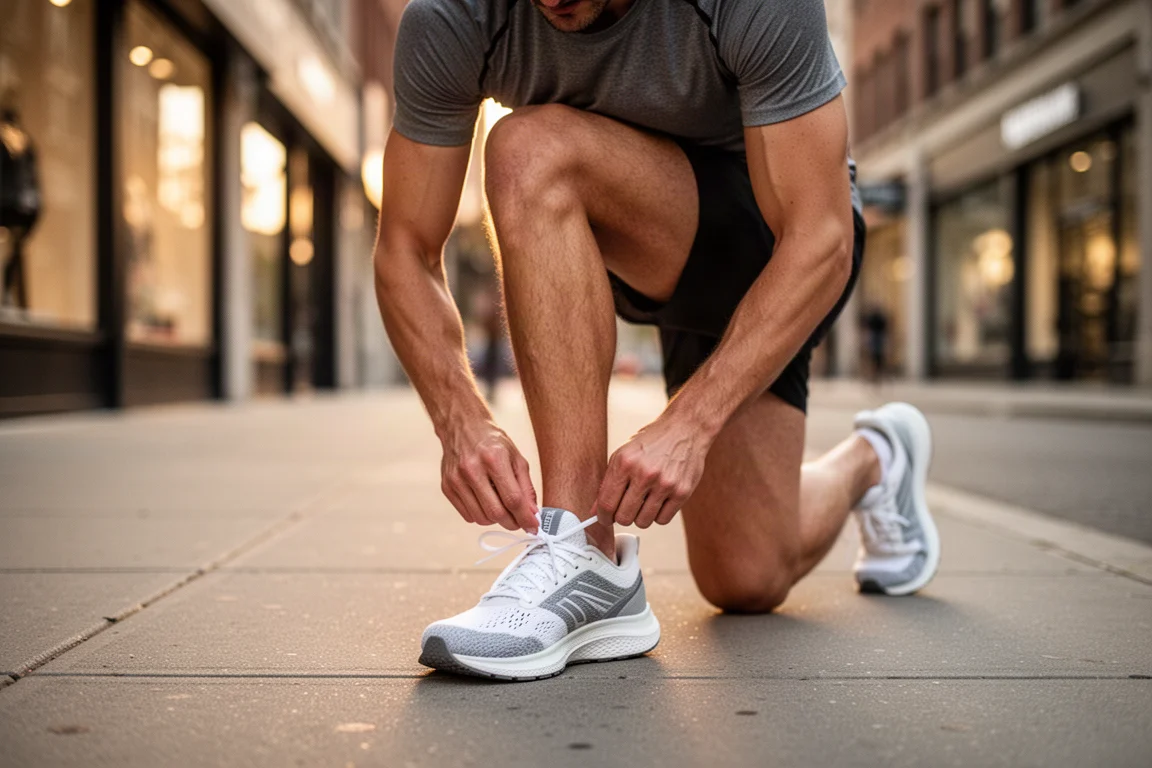
If you want a plush, durable daily trainer for big mileage, the Triumph 21 is the straightforward pick in this group.
Saucony Triumph 21 RFG
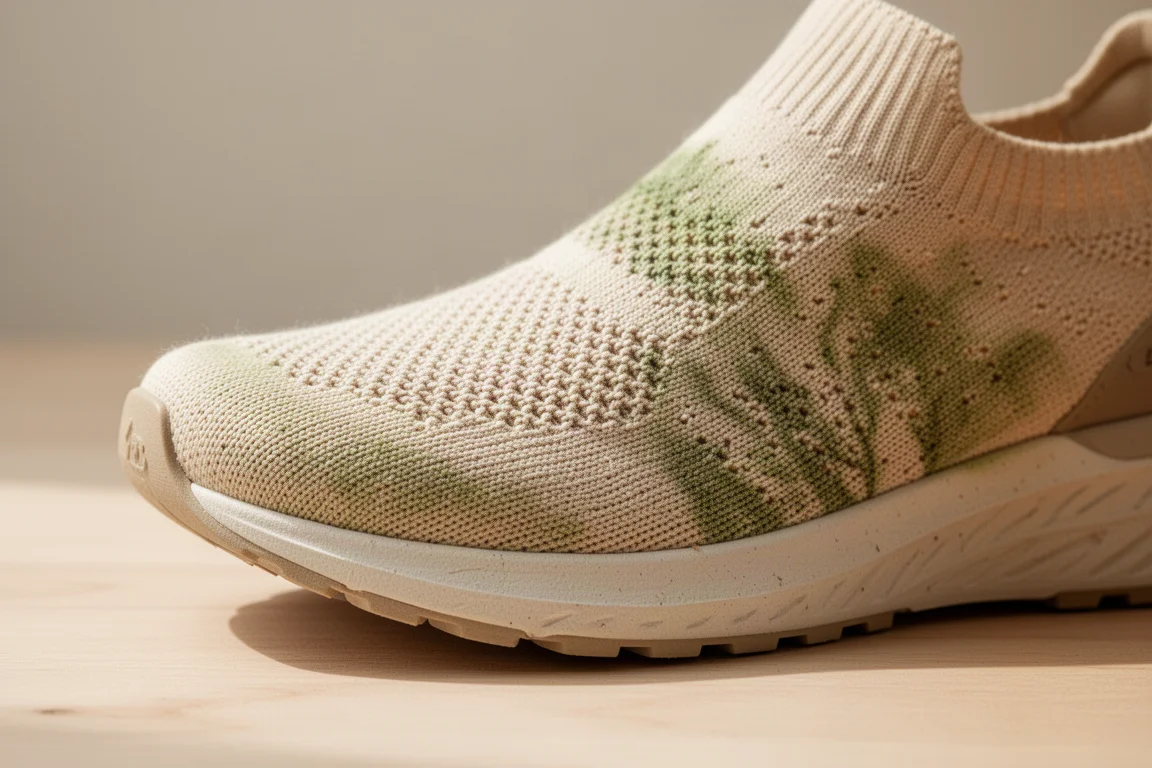
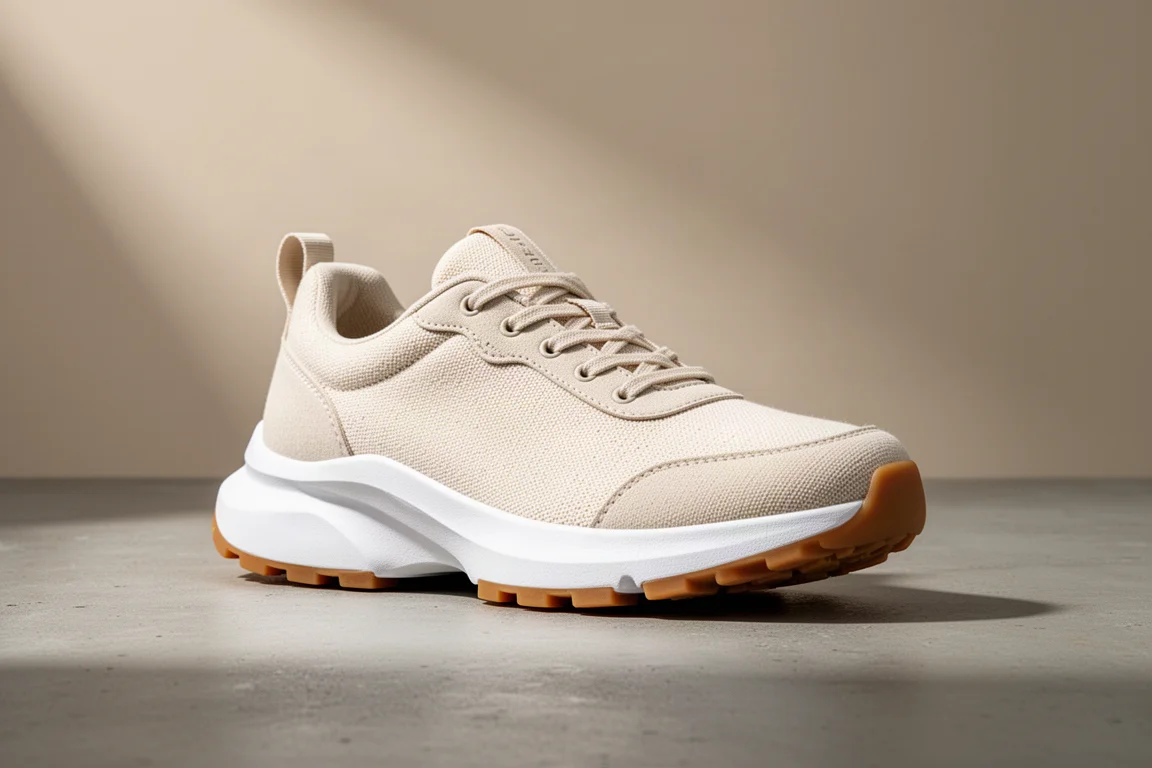
The RFG stands for Run For Good, Saucony’s sustainable storyline. The midsole is 55 percent bio-based, yet Saucony stresses that no performance was sacrificed: the foam is just as compliant as the standard Triumph’s.
The trade-off is a small weight penalty of roughly half an ounce compared with the Triumph 21, mainly from natural cotton uppers and vegetable plant-based dyes. Cotton fibers also behave differently from synthetics, retaining moisture and expanding and contracting, so the upper had to be engineered to hold its shape. Notably, the price stays the same at $160, so choosing the sustainable version does not cost extra.
Saucony Kinvara Pro
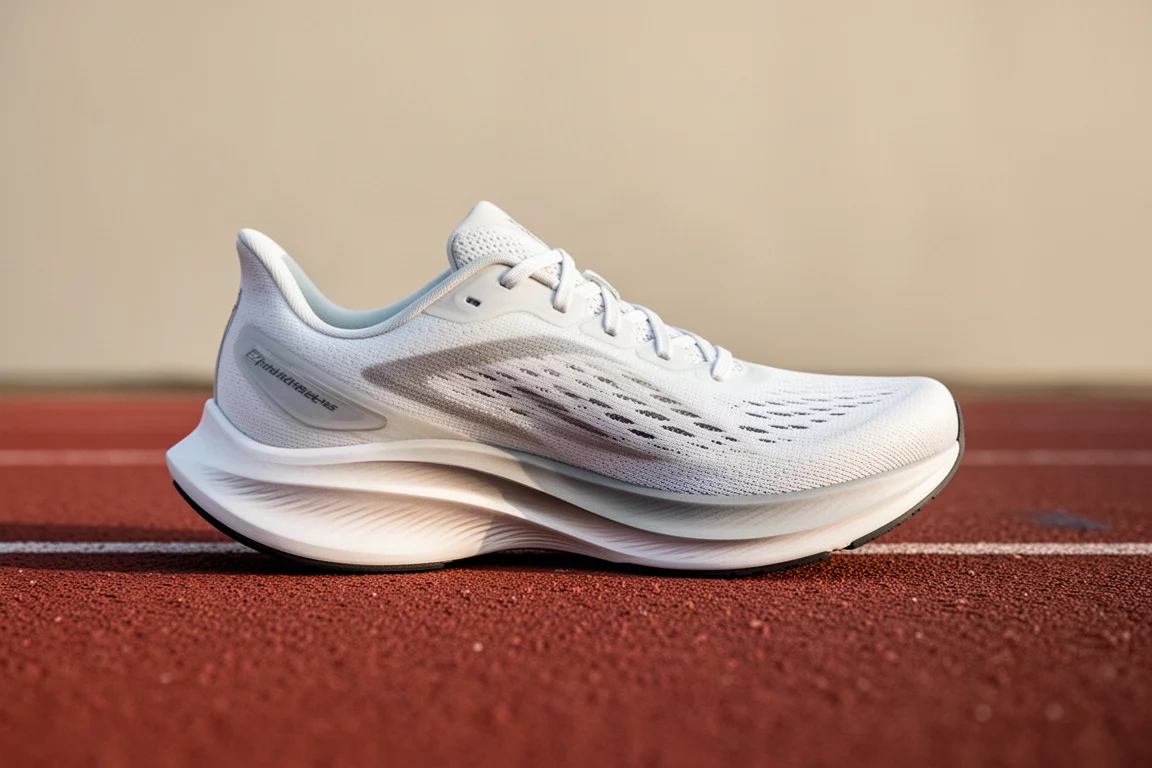
The original Kinvara pioneered lightweight efficiency for everyday runners, offering something between a high-cushion trainer and a racing flat. The Kinvara Pro reimagines that idea with modern shoe-making standards, bringing Saucony’s carbon plate innovation to a much wider audience.
The construction is a layered system: a full-length chassis of durable PWRRUN foam at ground contact, a teardrop-shaped carbon fiber plate in the middle, and PWRRUN PB super foam between the plate and your foot, plus the 7mm comfort-based sockliner used in the Ride, Triumph and Guide. That means all three of Saucony’s foam technologies in one shoe. The teardrop plate shape also gives heel strikers a softer, smoother transition.
Saucony’s own research suggests runners see a benefit from a racing shoe at race pace, and a benefit from this kind of carbon trainer at everyday pace. So while the Endorphin Pro may still be the marathon-day choice, the Kinvara Pro is built as a structured daily trainer with collar foam and a heel counter, and it can work for runners of many ability levels who want to feel fast every day.
Saucony Tempest
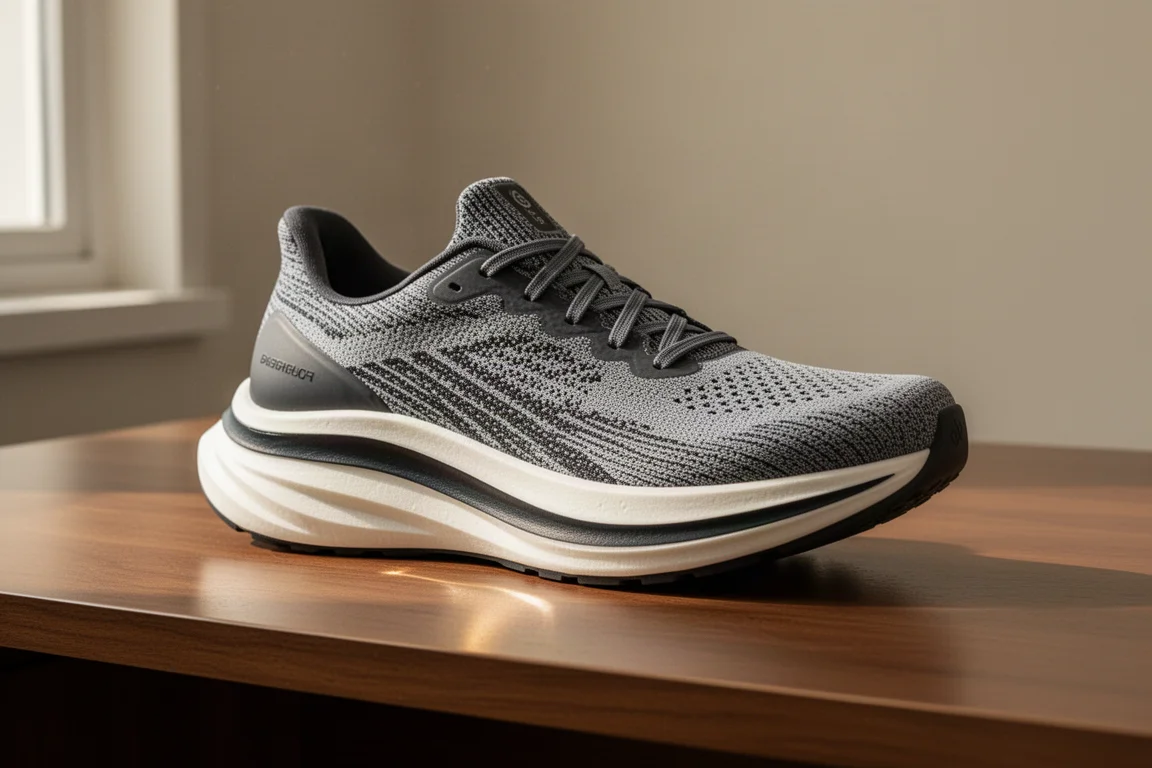
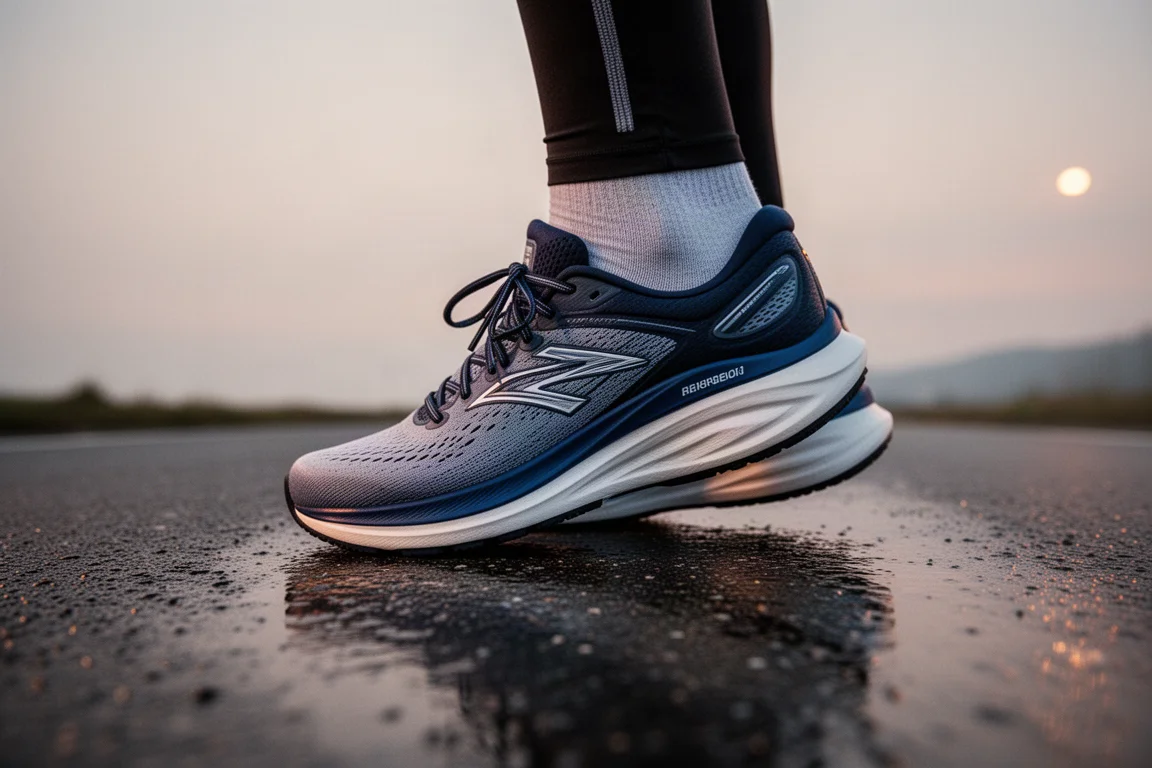
The Tempest stands out as essentially the only shoe in its class offering super foam for a stability consumer. It uses the same layered combination of PWRRUN and PWRRUN PB found in the Kinvara Pro, but tuned for runners who need support.
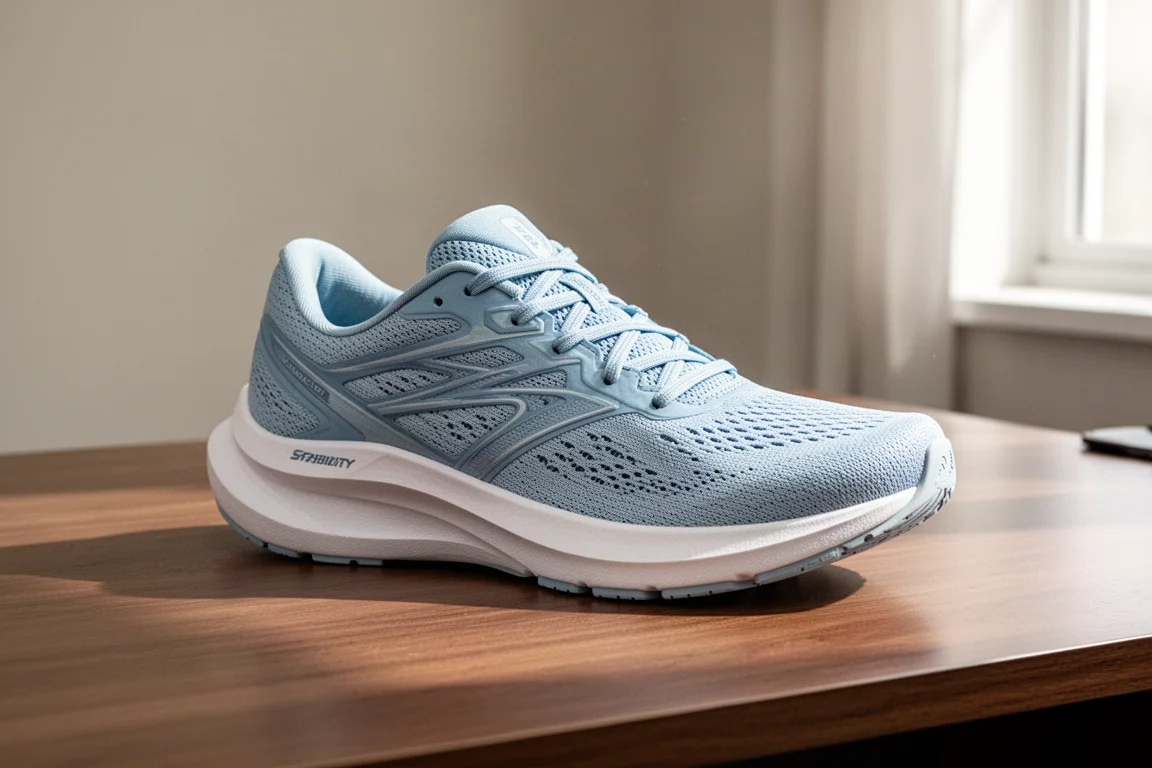
It is a bit heavier than something like an Endorphin Speed because of the added creature comforts, coming in around nine ounces, still reasonable for a daily trainer with this much cushioning. The stack is 42mm in the heel and 34mm in the forefoot with an 8mm drop, producing a max-cushion feel underfoot. It launched in August 2023 at $180.
Which One Should You Buy?
Pick the Triumph 21 if you want maximum plush comfort for high mileage. Pick the Triumph 21 RFG if the same ride appeals but you want a lower-impact shoe, and you do not mind roughly half an ounce of extra weight. Pick the Kinvara Pro if you want a carbon-plated shoe you can actually train in every day. And pick the Tempest if you need stability with modern super-foam cushioning.
Conclusion
Saucony’s range here is refreshingly clear: two plush neutral trainers separated mainly by sustainability, one democratized carbon-plated trainer, and one max-cushion stability option. Matching the shoe to your weekly mileage, support needs, and values should make the decision easy.
Further reading
Related Reviews

Running Shoes
Best Road-to-Trail Running Shoes: Three Versatile Options for Mixed Terrain
A practical guide to three road-to-trail running shoes that handle both pavement and mild trails, with clear strengths and trade-offs for different runner types.

Running Shoes
Best Running Shoes for Achilles Tendonitis: Three Options Explained
Three running shoes with different heel drops and support features designed to help reduce Achilles tendon pain during walking and running.

Running Shoes
Best Running Shoes for Women: Five Top Choices Ranked
A ranked guide to five women's running shoes, from versatile daily trainers to high-performance racing options, with real strengths and trade-offs for each.