Running Shoes
Saucony Kinvara Pro vs Triumph 21: Two New Saucony Trainers, Only One Winner
A plated super trainer or a plush cushioned daily trainer? We compare stack, weight, fit, and ride to help you pick the right Saucony.
Introduction
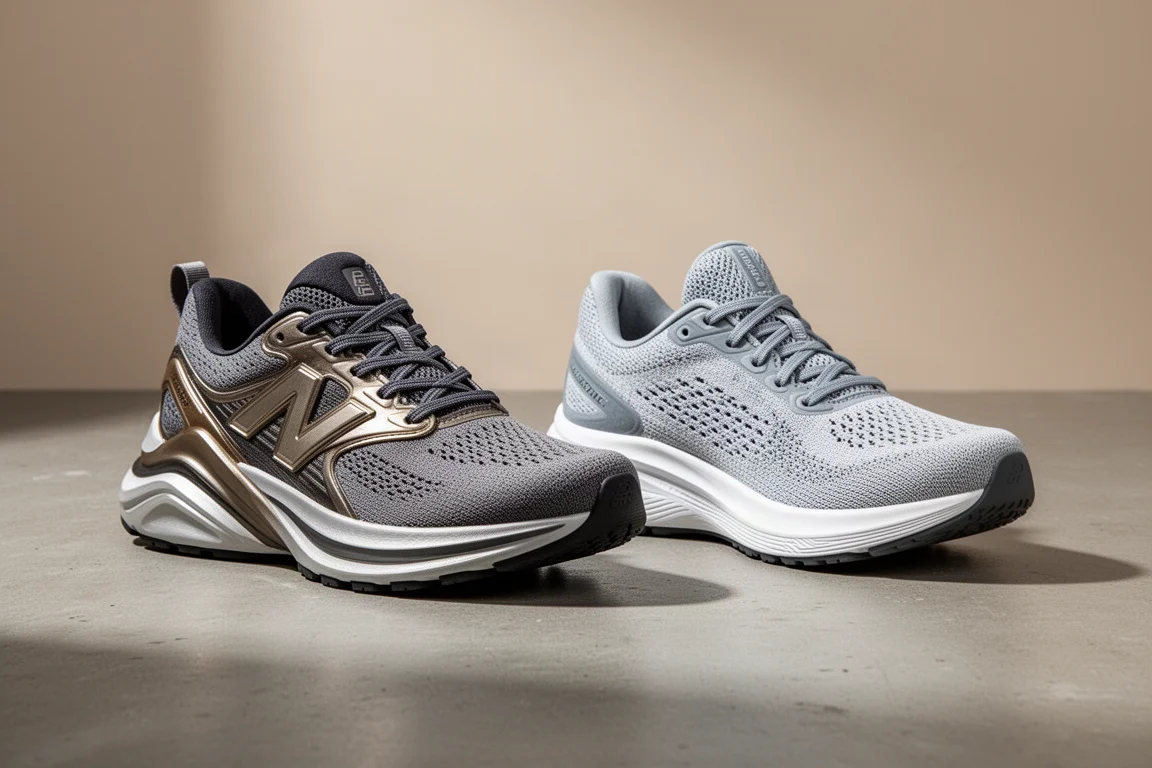
Saucony has launched two very different trainers at the top of its daily lineup: the Kinvara Pro, a plated super trainer with a tall dual-density midsole, and the Triumph 21, a cheaper non-plated cushion shoe built for comfort and easy miles. Both sit at premium prices, and they overlap more than you might expect, which makes choosing between them genuinely tricky.
Specs at a Glance
The Kinvara Pro comes with an 8mm drop and is the highest-stacked shoe in Saucony’s daily trainer lineup, with 42mm in the heel and 34mm in the forefoot. The Triumph 21 has a slightly higher 10mm drop but a lower overall stack, at 37mm in the heel and 27mm in the forefoot.
Weight is close between the two. In a UK men’s 8.5 test size, the Triumph 21 weighs 9.9oz (281g), while the Kinvara Pro is a touch heavier at 10.03oz (291g). On price, the Kinvara Pro sits among the most expensive daily trainers at £200 or $180, while the Triumph 21 is cheaper but still near the top end at £170 or $160.
Saucony Kinvara Pro: Plated and Tall
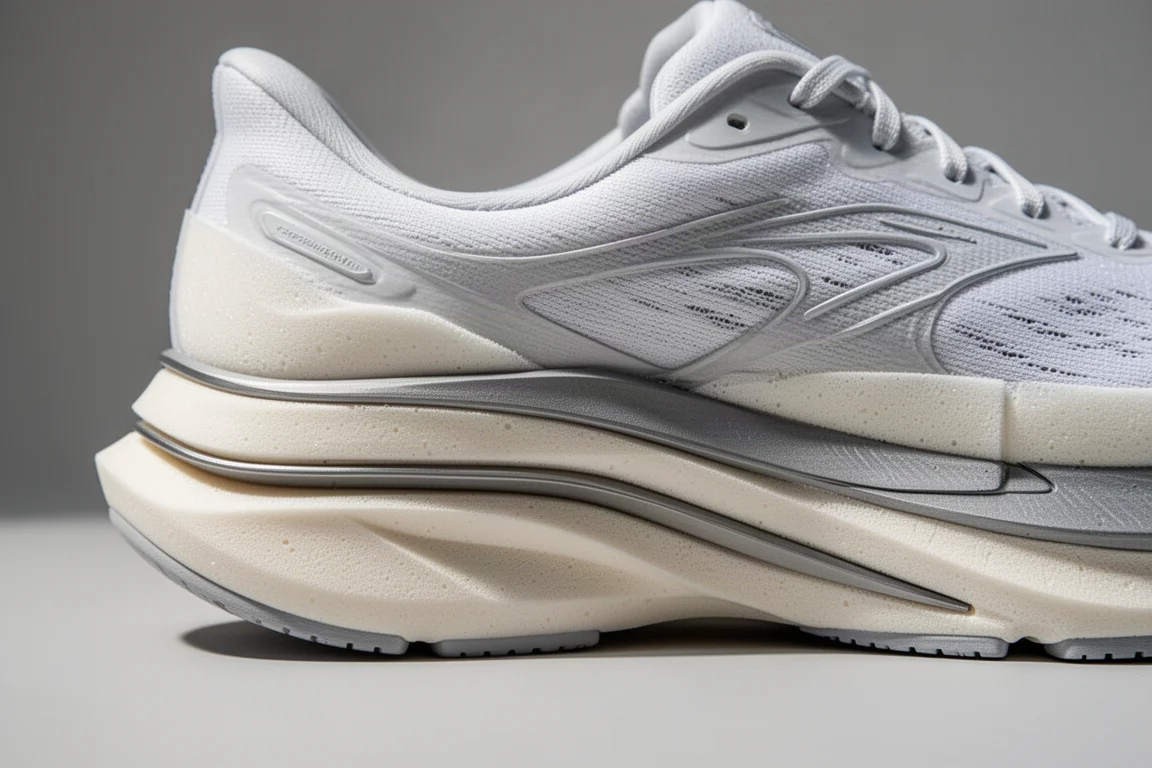
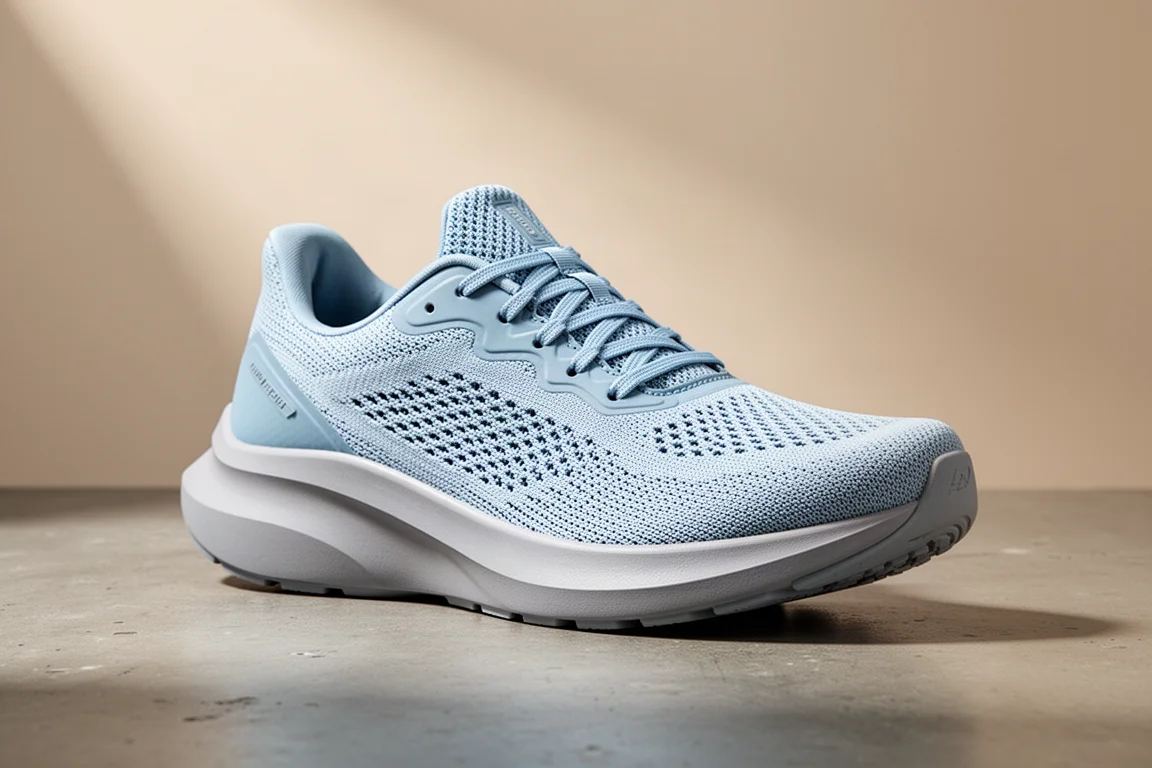
The Kinvara Pro uses a dual-density midsole with PWRRUN PB foam close to the foot for energy return and PWRRUN closer to the ground for stability and durability. There is also a PWRRUN+ sockliner for extra softness on landings, a three-quarter-length carbon fiber plate between the midsole layers, and Saucony’s Speedroll geometry. The heel flares out noticeably wider for stability.
The upper is an engineered knit with less padding in the heel and a thinner, half-gusseted tongue. Underfoot, Saucony has done away with outsole rubber entirely: the exposed foam outsole with cut grooves saves weight, and grip on dry roads has been fine in testing, though it is worth noting for wetter conditions.
In testing, the Kinvara Pro runs more pillowy and sinky than snappy. The higher stack and plate never quite deliver the expected pop, and the weight makes itself felt in the later stages of faster runs. It is also a narrower-fitting shoe, which became uncomfortable on longer efforts.
Saucony Triumph 21: Comfort First
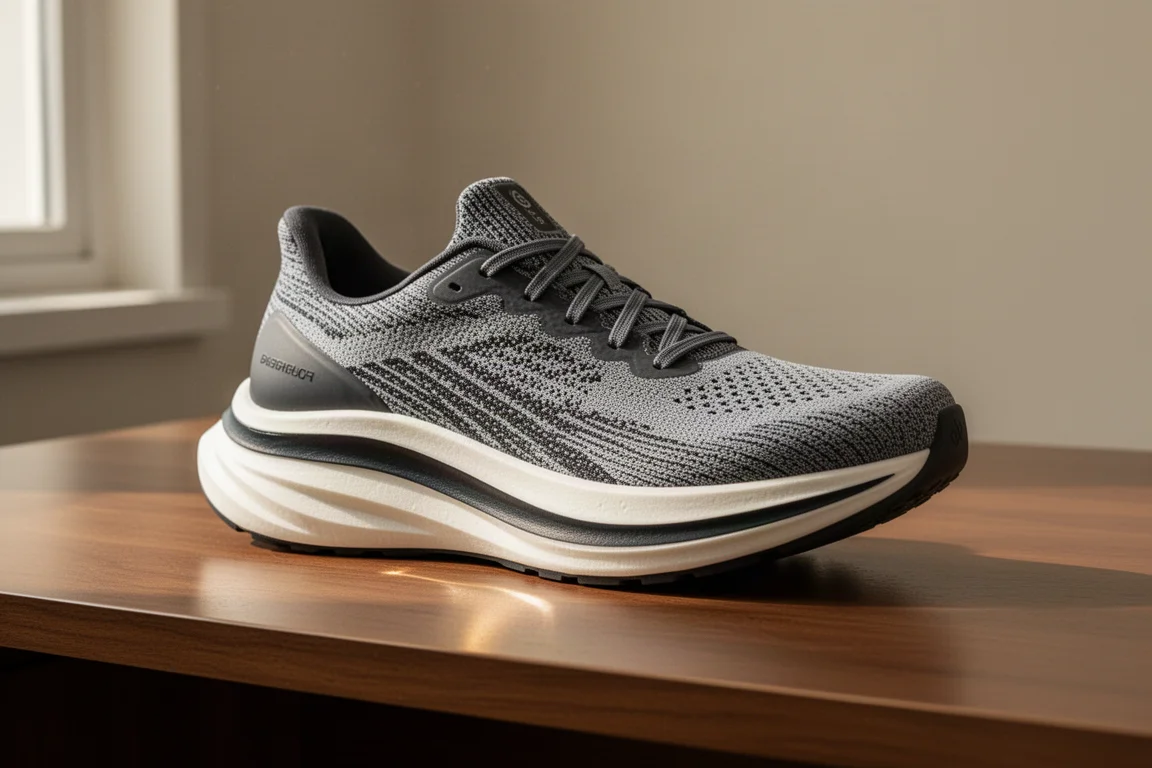
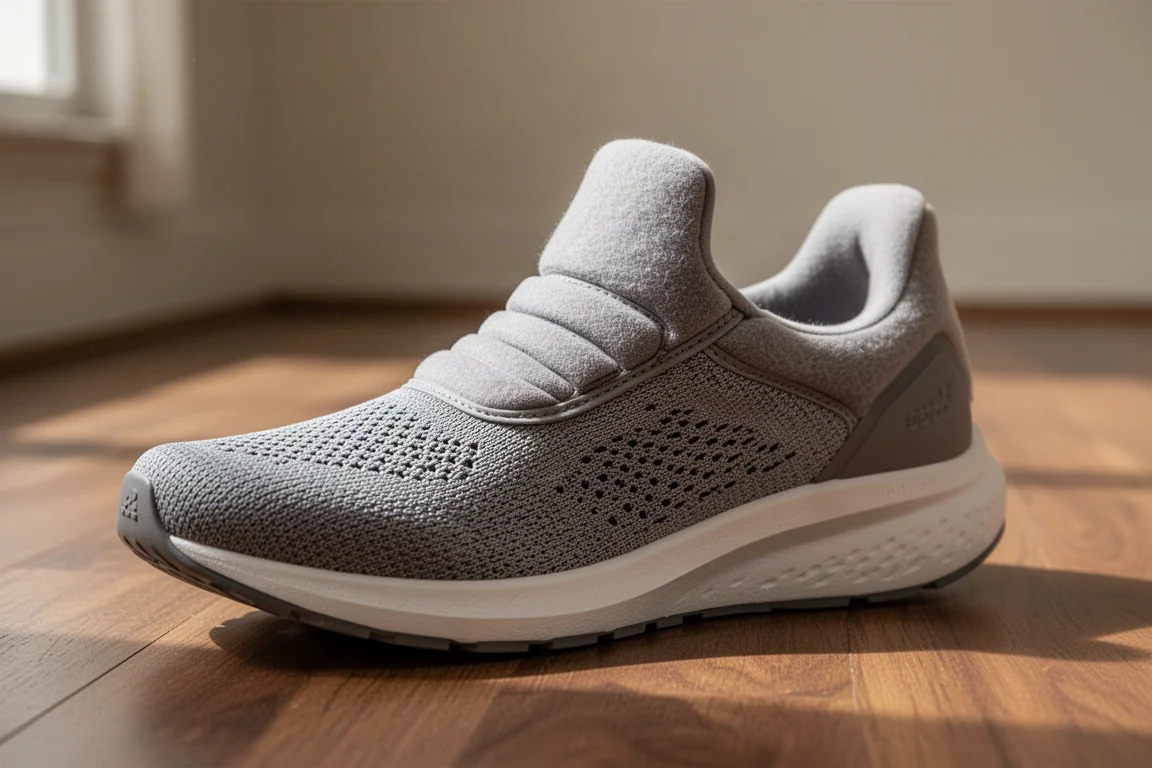
The Triumph 21 uses a PWRRUN+ midsole and sockliner with no plate, plus a full rubber outsole that feels more reassuring on mixed surfaces. The upper is a flat knit with a plush padded heel collar and a fully gusseted, well-padded tongue. Compared with the Triumph 20, the main change is a more breathable upper.
On the run, it feels firmer and more direct than its spec suggests, with quicker response and a lighter, racier feel than the plated Kinvara Pro. It is roomier in the toe box, more comfortable over longer distances, and it still carries enough bounce to pick up the pace to a moderate, breezy level, even if it is not built for speed work.
Fit and Sizing
Both shoes run true to size for most runners. One tester in UK 8.5 found them slightly roomy in the toe, which works well for swelling on longer runs. Another tester in UK 8 found the Triumph 21 the better fit overall, praising its spacious toe box, while the Kinvara Pro felt tight across the sides of the foot and uncomfortable on longer runs. Neither shoe warranted sizing up or down.
Which One Should You Buy?
For most runners, the Triumph 21 is the easier recommendation, and it saves you roughly £30 while doing so. It excels at the easy, long, and recovery runs it is designed for, stays versatile enough for moderate paces, and is the shoe more likely to earn a permanent spot in a rotation.

The Kinvara Pro aims for versatility, and it can indeed run quicker and ease off, but its weight and size count against it in both directions. It never quite excels in any single area, and it is hard to pin down what it is actually for. If you want a snappier plated option, alternatives such as the Saucony Speed 3, the more direct Mac X, or the Adidas Boston 12 are worth a look alongside the Triumph 21.
Conclusion
The Triumph 21 is the pick of these two new Saucony trainers: a well-rounded, cushioned daily trainer with a better fit, a more responsive ride than its stack suggests, and a lower price. The Kinvara Pro tries to do a lot but does not excel anywhere, and at its price it is a tough sell. If comfort, versatility for easy miles, and value matter most, the Triumph 21 is the one to buy.
Further reading
Related Reviews

Running Shoes
Best Road-to-Trail Running Shoes: Three Versatile Options for Mixed Terrain
A practical guide to three road-to-trail running shoes that handle both pavement and mild trails, with clear strengths and trade-offs for different runner types.

Running Shoes
Best Running Shoes for Achilles Tendonitis: Three Options Explained
Three running shoes with different heel drops and support features designed to help reduce Achilles tendon pain during walking and running.

Running Shoes
Best Running Shoes for Women: Five Top Choices Ranked
A ranked guide to five women's running shoes, from versatile daily trainers to high-performance racing options, with real strengths and trade-offs for each.