Running Shoes
Saucony Kinvara Pro vs Adidas Adizero Boston 12: Which Super Trainer Fits Your Running?
Two performance trainers with similar specs but very different rides. Here is how the Saucony Kinvara Pro and Adidas Adizero Boston 12 compare for fit, cushioning, pace, and durability.
Introduction
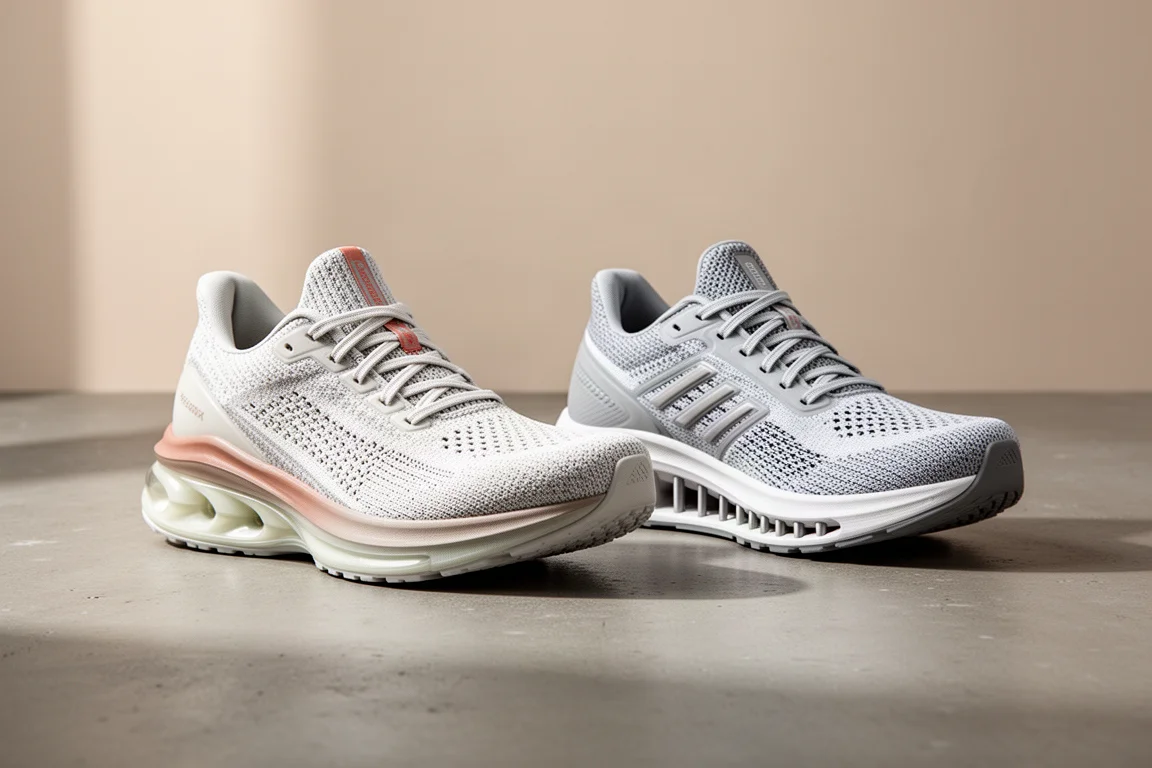
On paper, the Saucony Kinvara Pro and the Adidas Adizero Boston 12 look almost like siblings. Both sit in the performance trainer or super trainer category, their specs are close, and their design philosophy is similar. In practice, though, they behave like two different beasts that excel at different things.
This comparison focuses on the question that actually matters: which one is right for the kind of running you do? We will walk through the specs, fit, ride, stability, and durability, and finish with clear guidance on who each shoe suits best.
Specs at a Glance
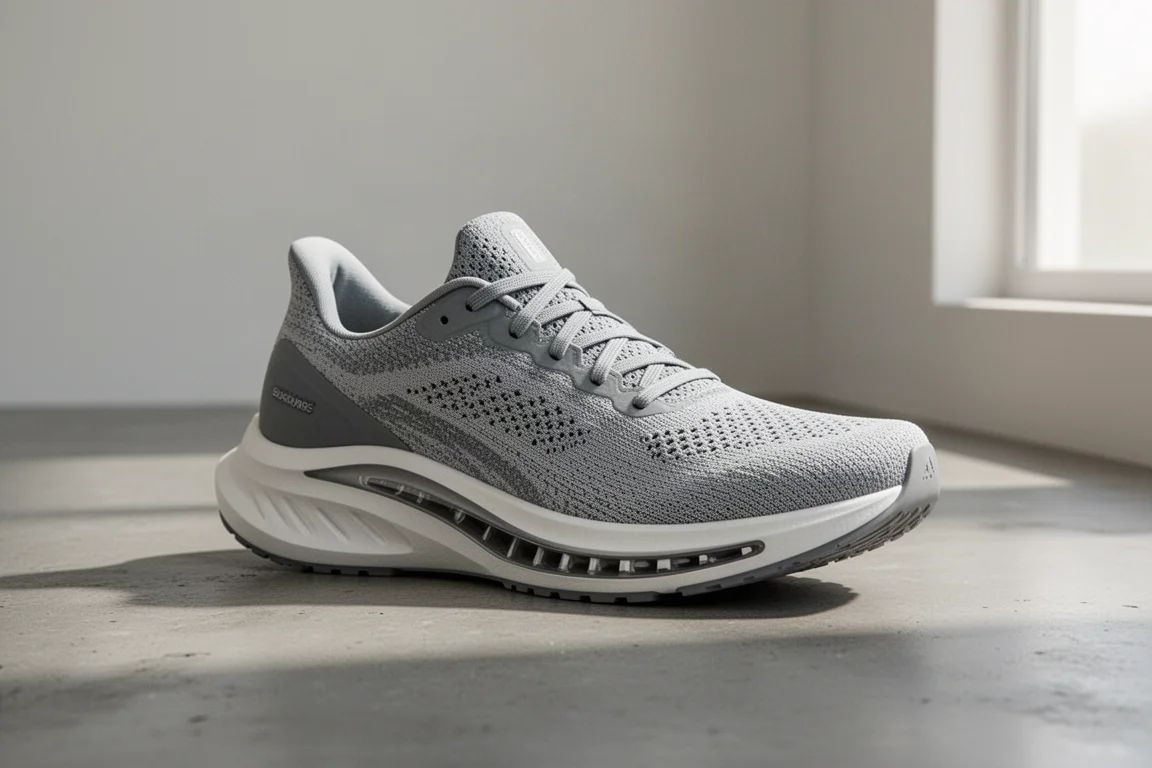
Both shoes are built around the same formula: a layer of super foam on top with more conventional EVA foam below, plus a stiffening agent in the midsole. The Kinvara Pro uses a carbon fiber plate, while the Boston 12 relies on Adidas energy rods embedded in the midsole.
The numbers are close. The Kinvara Pro weighs 9.5 oz in a men’s size 9 and 8.5 oz in a women’s size 8, with a 42 mm heel, 34 mm forefoot, and an 8 mm drop. The Boston 12 comes in at 9.4 oz for men’s size 9 and 8 oz for women’s size 8, with a 37 mm heel, 30.5 mm forefoot, and a 6.5 mm drop.
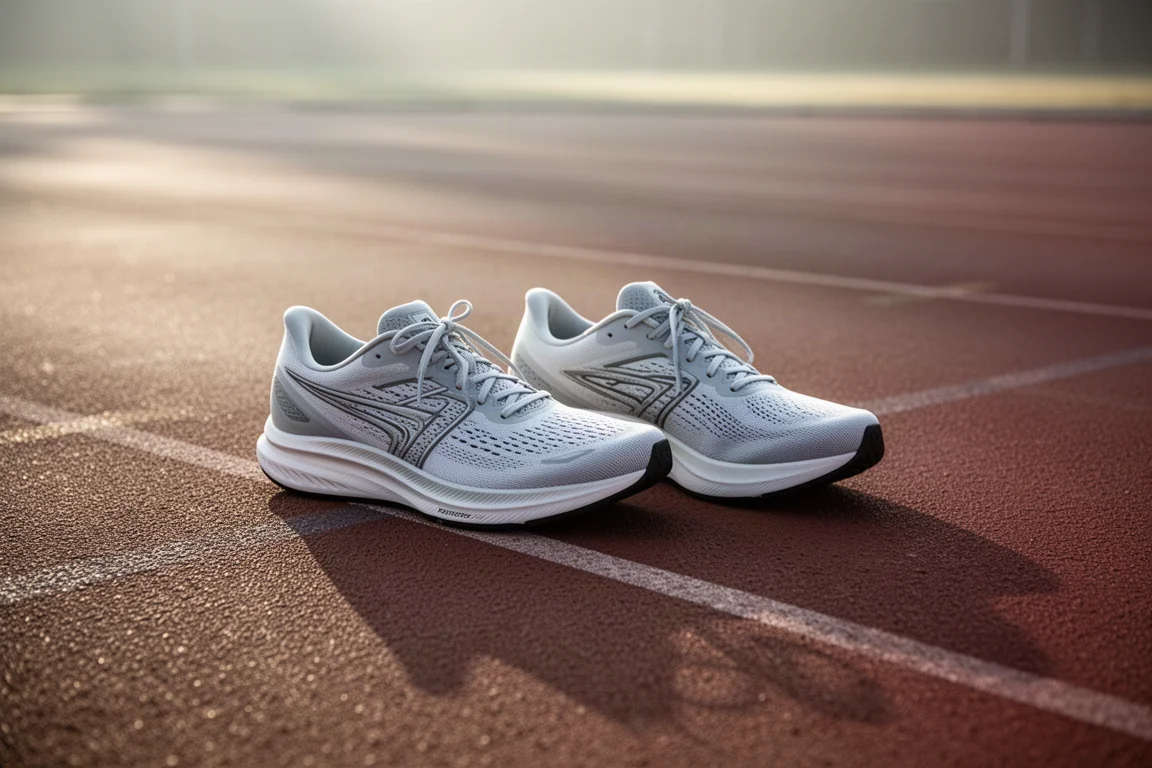
One note on stack height: the Kinvara Pro sits above the 40 mm limit that governs some competitive racing, while the Boston 12 stays just under it. For most everyday training, that difference matters far less than people expect.
Fit and Upper
The fits are noticeably different. The Boston 12 offers a bit more room in the forefoot, which is a welcome change for a line that used to run narrow. Adidas has clearly loosened things up across the Adizero range recently. The upper feels flexible, the midfoot is fairly normal in width, and the heel is slightly snug but secure with no heel slippage. It is the kind of upper you forget about while running.
The Kinvara Pro has more structure. It fits snug throughout, opens up nicely once on foot, and needed very little lace tightening. There were no heel slip issues, but the heel counter is thicker and everything locks down a bit more firmly.
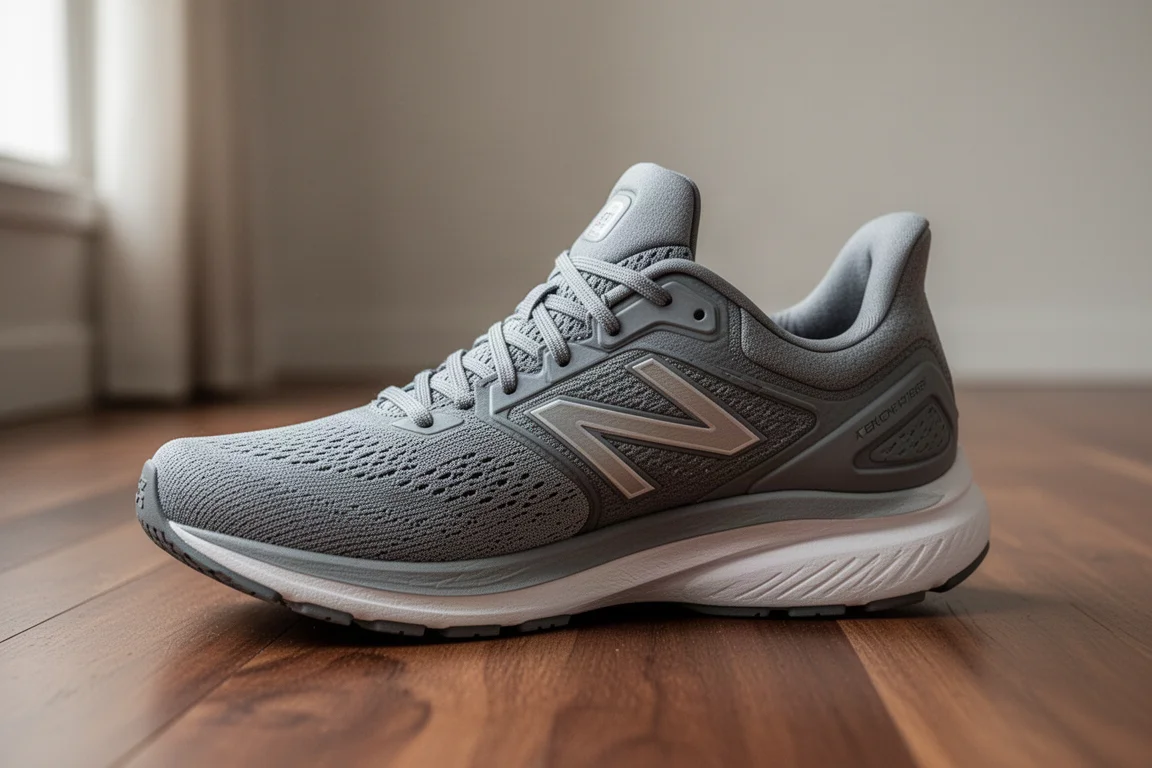
As a simple rule: if you want more room, the Boston 12 is the better choice. If you prefer a snugger, more structured feel, the Kinvara Pro fits that brief better.
Ride and Performance
This is where the two shoes genuinely diverge. The midsoles feel very different underfoot, partly because the Kinvara Pro is taller. The Kinvara Pro feels softer, and it rolls along noticeably better, which makes it the stronger easy run and long run shoe. For easy mileage, long efforts, and a bit of up-tempo work, it just keeps going comfortably.
The Kinvara Pro was designed as a racing shoe for non-elite runners. Faster runners can absolutely use it as a trainer or long run shoe, and that is where it shines: a race-day option with super shoe features that is not overly aggressive. At faster paces it struggles somewhat, feeling like it tops out at up-tempo efforts, so it is not the best tempo run partner.

The Boston 12 is the opposite character. It is a well-rounded training shoe with real speed. Training miles feel slightly stiff, but pick up the pace and the shoe comes alive: tempo runs, fartleks, and faster work all feel great. It has returned to the spirit of the Boston 8 and 9 that was lost with versions 10 and 11. If you want a long run shoe that can still surge, or super shoe vibes without the full aggression of a true super shoe, this is it. The short version: the Kinvara Pro for easy long runs, the Boston 12 when you need to go faster.
Stability and Durability
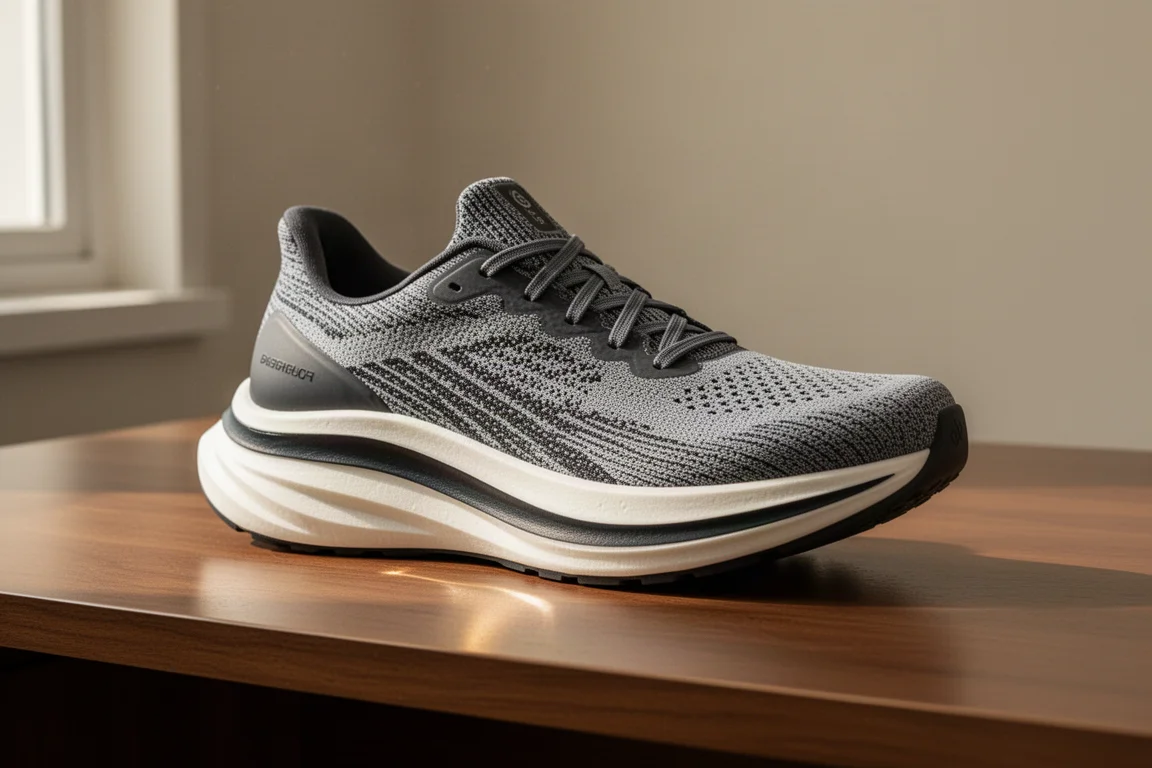
For stability, the Kinvara Pro comes out ahead. The Boston 12 has a narrowed midfoot, and its plate extends over the lateral side, which is helpful for lateral heel landers but can pitch overpronators inward. It is not unstable, but at slower paces you need reasonably stable mechanics to manage it. The Kinvara Pro has Saucony’s classic sidewalls, the midfoot does not narrow as much on the medial side, and despite the super foam top layer it delivers a guided, stable neutral ride.
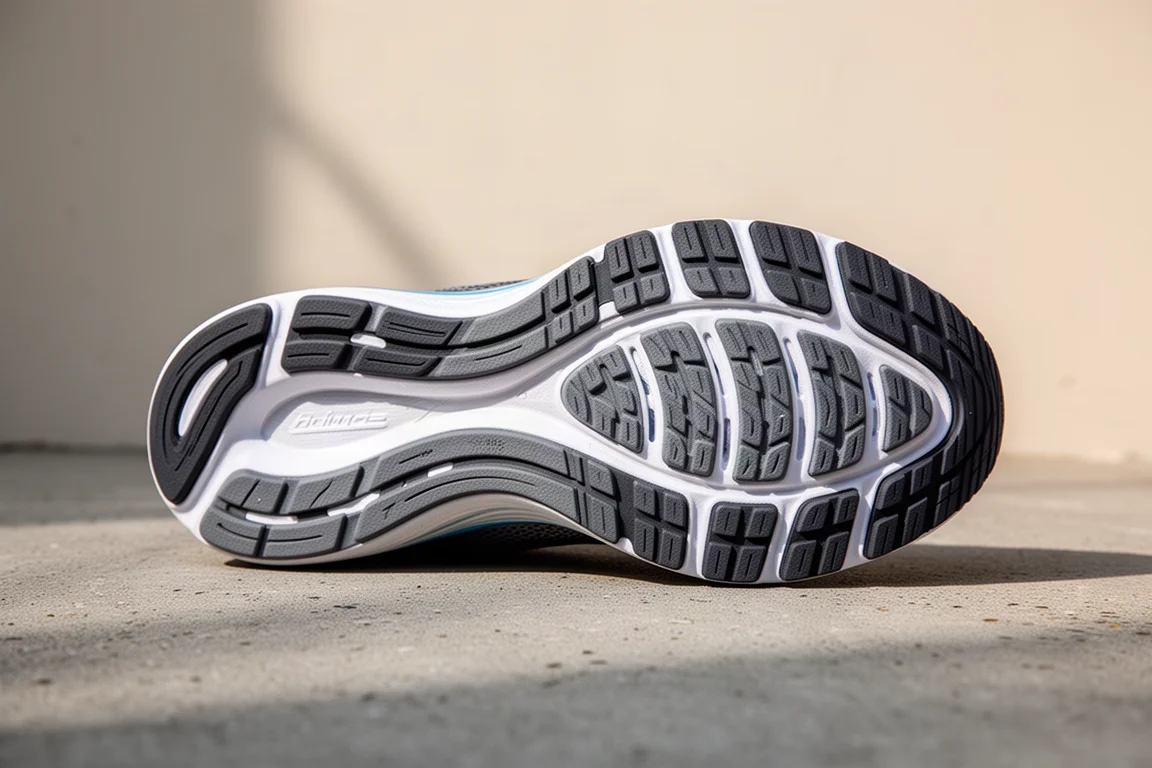
Durability depends on the shoe. The Kinvara Pro lacks a proper outsole rubber layer, so wear can come quickly if you are a heavier foot striker; lighter runners will fare better. The Boston 12 has held up much better, with the outsole still looking strong well into its mileage, consistent with how recent Adidas shoes have been performing on durability.
Neither shoe is right for someone who just wants a basic, traditional trainer with no super foam involved. But if you want a daily trainer with some super shoe character, either one makes sense.
Buying Advice
Both shoes work as a middle ground between a super shoe and a traditional trainer. They are a good fit if true super shoes feel too aggressive, uncomfortable, or problematic for you, or if you want extra stiffness and propulsion that ordinary trainers do not provide.
Keep in mind that they are typically less expensive than true super shoes, and you could realistically train in either full time. Try them on if you possibly can, because fit is the single best predictor of satisfaction. If you cannot, use the breakdown above: roomier and speedier points to the Boston 12, snugger, softer, and more guided points to the Kinvara Pro.
Conclusion
The Kinvara Pro and Boston 12 share a category and a spec sheet but not a personality. The Kinvara Pro is the softer, more stable, rolling long run companion with race-day potential for non-elite runners. The Boston 12 is the more versatile speedster that handles training miles and picks up the pace willingly. Match the shoe to your typical pace and fit preference, and either can earn a permanent spot in the rotation.
Further reading
Related Reviews

Running Shoes
Best Road-to-Trail Running Shoes: Three Versatile Options for Mixed Terrain
A practical guide to three road-to-trail running shoes that handle both pavement and mild trails, with clear strengths and trade-offs for different runner types.

Running Shoes
Best Running Shoes for Achilles Tendonitis: Three Options Explained
Three running shoes with different heel drops and support features designed to help reduce Achilles tendon pain during walking and running.

Running Shoes
Best Running Shoes for Women: Five Top Choices Ranked
A ranked guide to five women's running shoes, from versatile daily trainers to high-performance racing options, with real strengths and trade-offs for each.