Running Shoes
Saucony Kinvara Pro Review: A Max-Stack Trainer With a Firm Streak
A 42mm three-quarter plated PWRRUN PB trainer that rewards patience and pace, but demands a break-in period and a tolerance for firmness.
Introduction
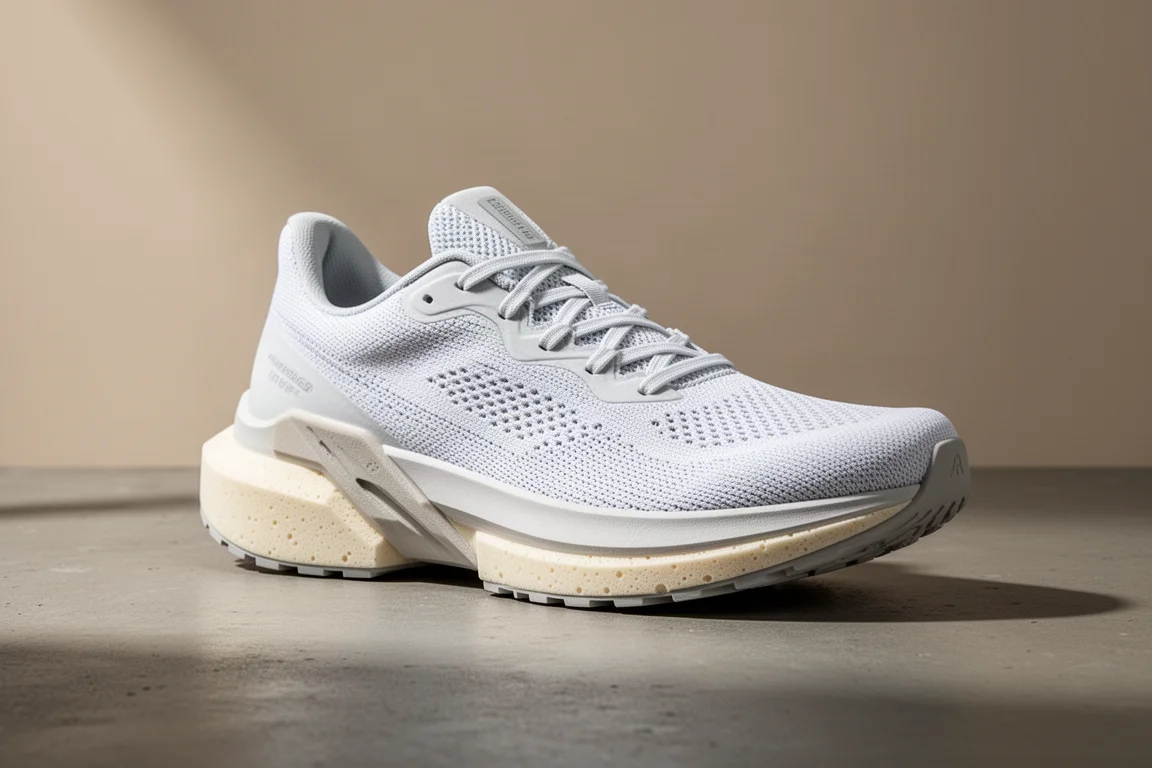
The Saucony Kinvara Pro arrives as a three-quarter plated PWRRUN PB shoe with a max-cushion midsole. On paper it looks like Saucony’s take on the modern super trainer. In practice, it is a more particular proposition: dense, rigid, and happiest at a certain pace. This review covers what works, what does not, and who the shoe really belongs on.
First Impressions and Specs
In a UK 11 / US 12, the shoe carries roughly 48mm of stack in the heel with an 8mm drop, and weighs about 321 grams (11.3 ounces). The widest point measures around 12 centimeters in the mid to forefoot and about 10 centimeters in the heel. The midsole softness measured around 22 on a durometer in the PWRRUN PB section, with the PWRRUN Plus insole coming in firmer at around 24 to 25.
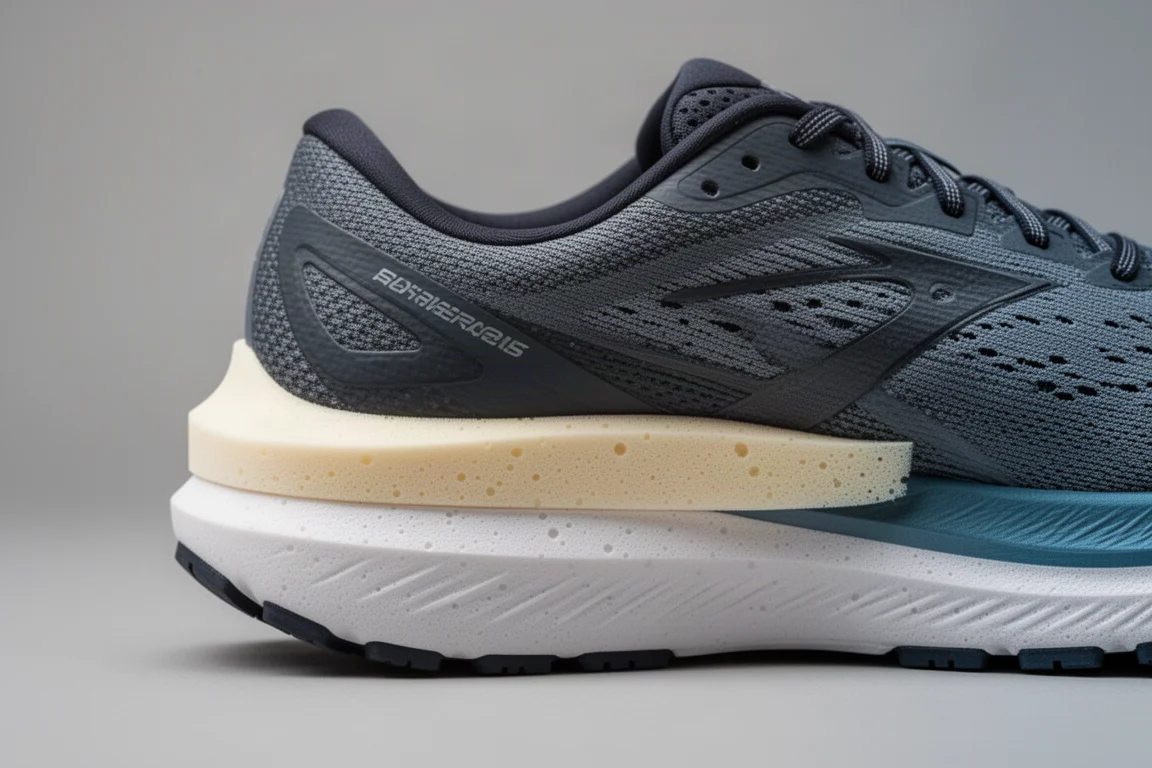
The upper is genuinely interesting. Saucony has used a breathable toe box and midfoot, with suede panels around the ankle and heel area that feel soft to the touch and nod to the classic Gazelle era. The tongue is reasonably padded with an overlay to protect the foot from lace tension, and the heel counter is quite wide to help lock the foot in place.
Fit and Upper Notes
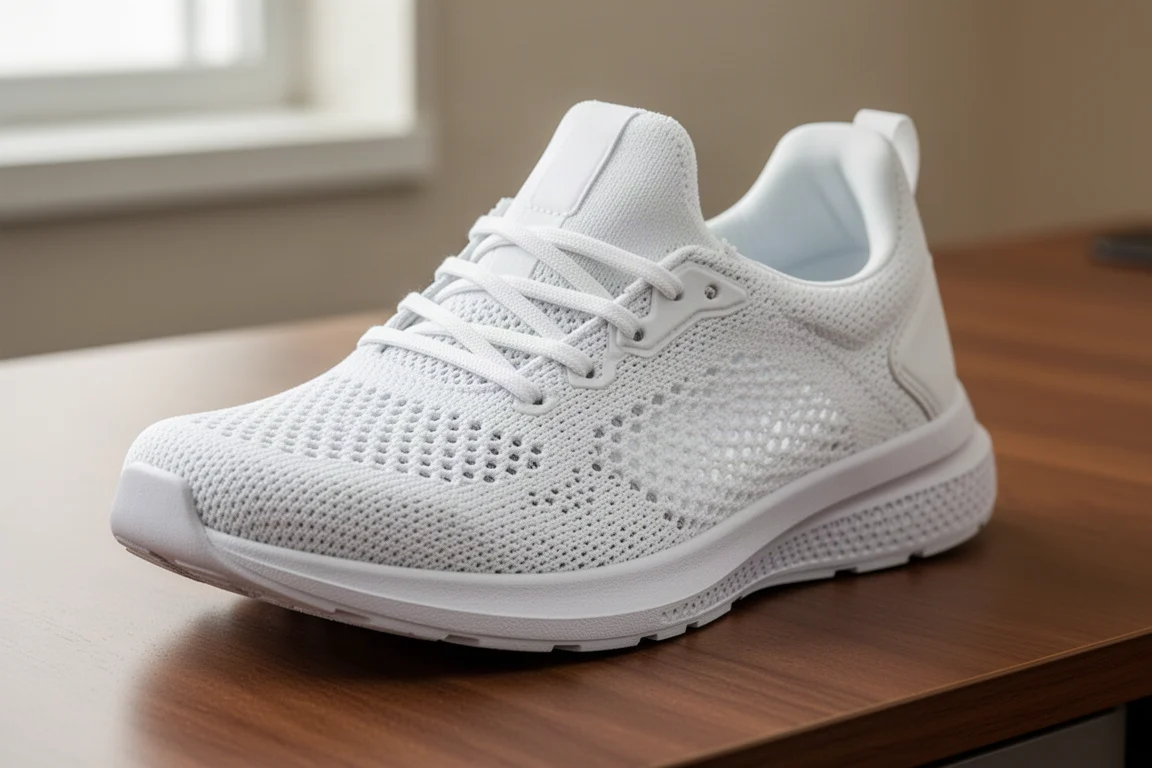
The Kinvara Pro fits true to size and is quite generous in the toe box, roomier than some may expect. Narrow-footed runners may find it too spacious, so sock choice matters. Laces run on the short side: if you use a runner’s knot for lockdown, you may run out of lace before tying a double knot, which proved fiddly. Once tension is dialed in, lockdown over the rigid midsole base is very enjoyable.
One caveat for warm climates: the suede pieces reduce breathability somewhat, and some runners may want more padding in the tongue. Still, the minimal overlays and quality materials earn the upper a 2.6 out of 3 after initial runs.
Midsole and Ride
The midsole is a sandwich of materials: a PWRRUN Plus insole, a PWRRUN PB top layer, and a firmer, denser PWRRUN base that makes up the majority of the midsole. A three-quarter length plate is believed to sit inside, seemingly bypassing the heel slightly, though the heel needs little stabilization since the PWRRUN handles that.
The ride is rigid and slightly controlling. It gives vibes of the Adidas Boston 10 and Nike Zoom Fly 5, but at roughly 30-odd grams lighter than the Zoom Fly. Compared with softer alternatives, the Kinvara Pro is firmer than the Endorphin Pro 3, more dense than the Asics Superblast, and lacks the plush impact protection of the Nimbus 25 or the squishy flexibility of Puma’s Magnify Nitro.
A key point: this shoe needs a break-in. Straight out of the box it can feel overly firm and clunky, and some early buyers sent it back on that basis. Worn around the house for a week, the materials soften considerably and the ride becomes far more enjoyable. Do not judge it on day one.
The shoe sings at pace. Around 7:15 per mile and upwards, it really starts to feel good. It is not the right pick for slow recovery runs, and probably not the tool for 5K or 10K racing either. For half marathon and marathon training, however, it could be a superb super trainer. Midsole score: 2.6 out of 3.
Outsole and Durability
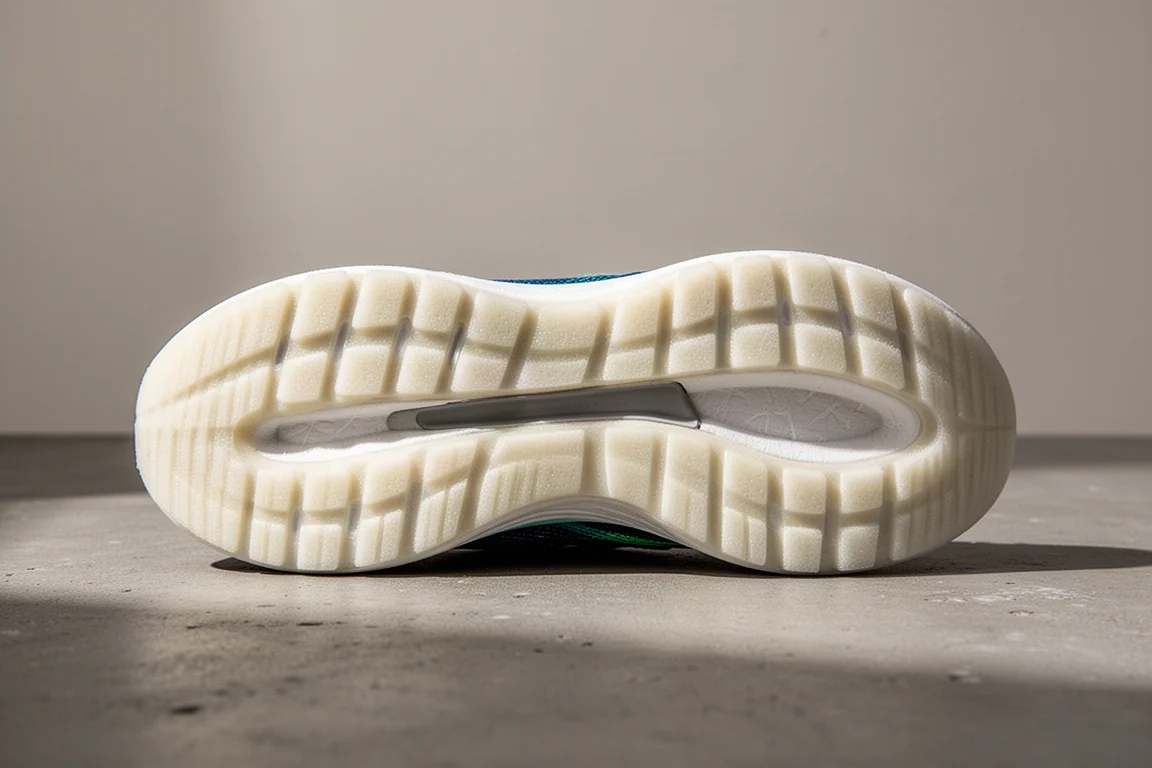
The outsole is the main worry. Saucony has used the PWRRUN foam itself as the outsole in the second half of the midsole, with numerous areas that collect debris. Grit and stones lodge in the ridges and in a channel running back through the heel, and the foam is tough to clean. Early signs of abrasion have appeared on the lateral heel and in the midfoot ridges.

That said, the grip on rough surfaces like stone-covered concrete is genuinely good, and the large cut-out lugs seem to compress under heavier runners, adding a bit of spring to the stride. A few stones did penetrate into the foam without causing serious damage. If you want traditional rubber coverage, look elsewhere. Outsole score: 2.5 out of 3.
Value
At £200 in the UK, the Kinvara Pro sits at a premium price point for a max-stack trainer. Build quality out of the box is exceptionally good: no glue marks, no dodgy stitching, plush materials, and good structure in the toe box. Whether it justifies the price depends on whether the firm, stable, heavier ride matches what you want. For a lighter runner at all-out speed, it can feel like too much shoe, sapping energy as pace climbs. Value score: 2.4 out of 3, bringing the total to 10.1 out of 12 after initial runs.
Who Should Buy the Kinvara Pro
This is a shoe for runners doing longer runs who want a stable base and the ability to throw in faster interval sections within those runs. If you liked the Zoom Fly 5 or the Adidas Boston series, this is a strong candidate. Heavier runners who want a stable shoe that will not bottom out soft foam quickly may also find it spot on.
If you loved the squishiness of the Triumph 21, this is probably not your shoe; the Triumph 21 remains the more versatile bet for many, and the Endorphin Speed 3 is nimbler but less stable. Runners moving away from Nike or from the Boston could find the Kinvara Pro fills that slot well.
Conclusion
The Saucony Kinvara Pro is a distinct, specific tool: dense, rigid, and best unlocked with patience and pace. Give it a proper break-in, use it for longer efforts at threshold and above, and it rewards you. Buy it expecting a plush daily cruiser and you will be disappointed.
Product link
View more details for Saucony Kinvara Pro
This product is mentioned in the review. Check the specifications, options, and compatibility before buying.
View more details for Saucony Kinvara ProFurther reading
Related Reviews
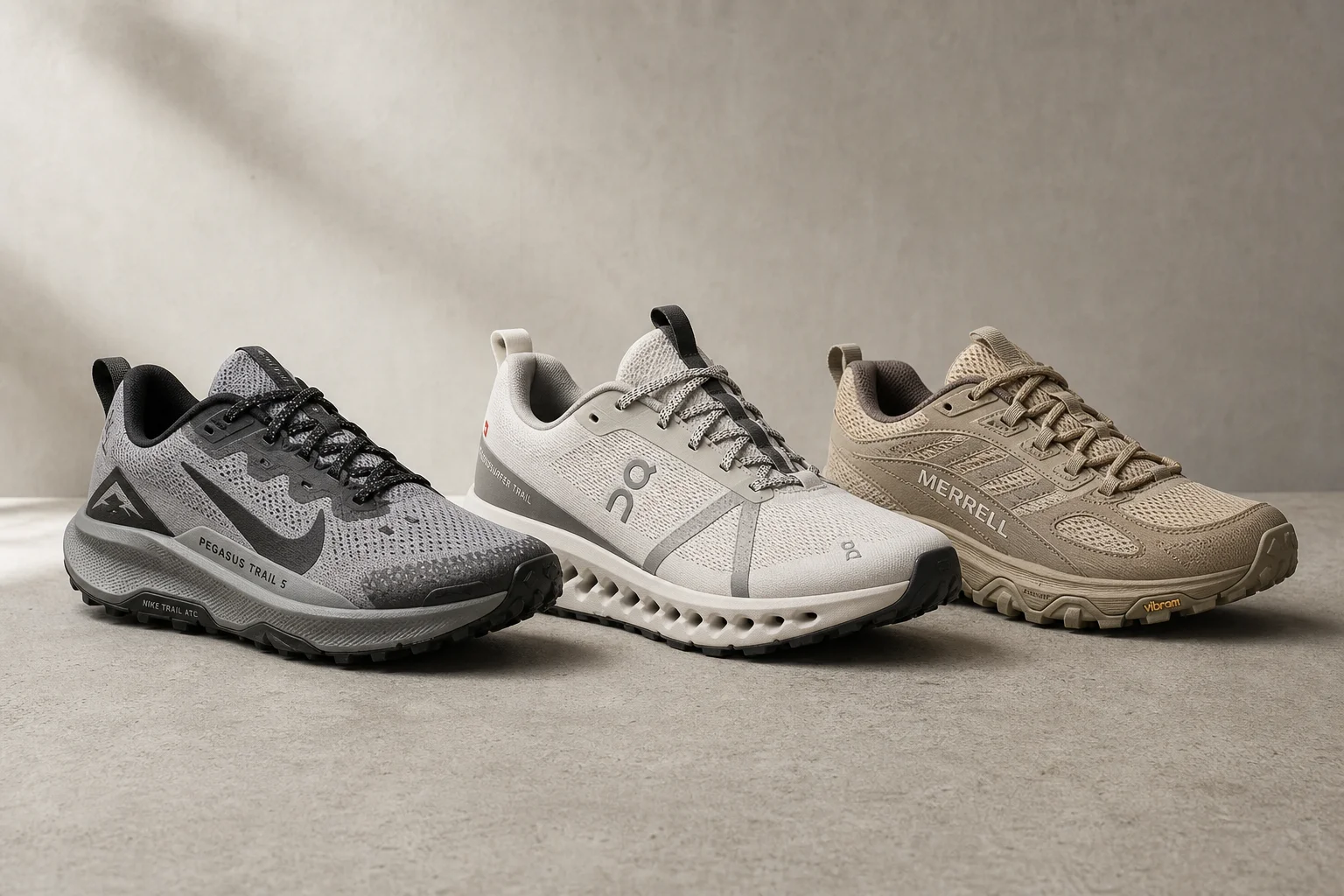
Running Shoes
Best Road-to-Trail Running Shoes: Three Versatile Options for Mixed Terrain
A practical guide to three road-to-trail running shoes that handle both pavement and mild trails, with clear strengths and trade-offs for different runner types.
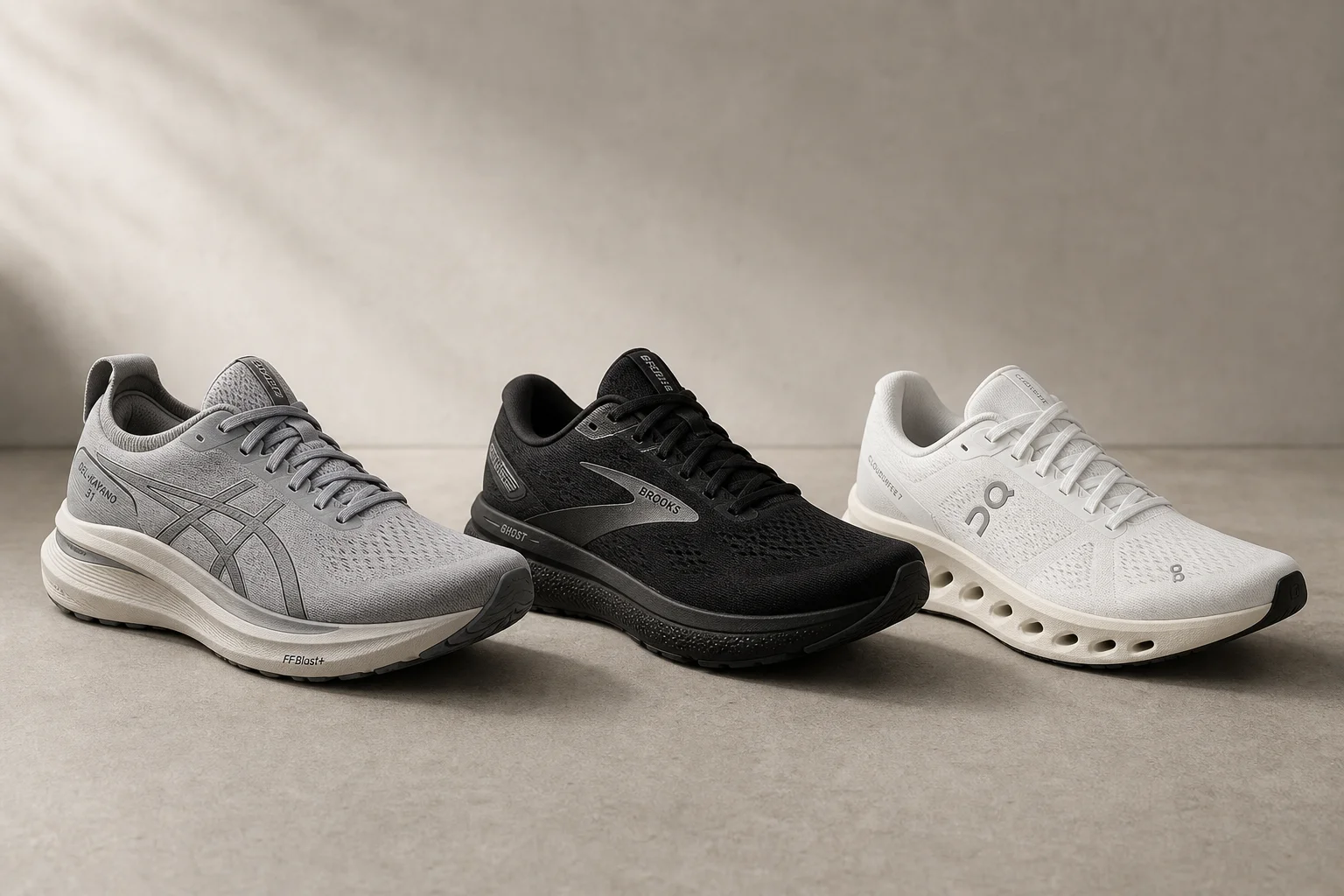
Running Shoes
Best Running Shoes for Achilles Tendonitis: Three Options Explained
Three running shoes with different heel drops and support features designed to help reduce Achilles tendon pain during walking and running.
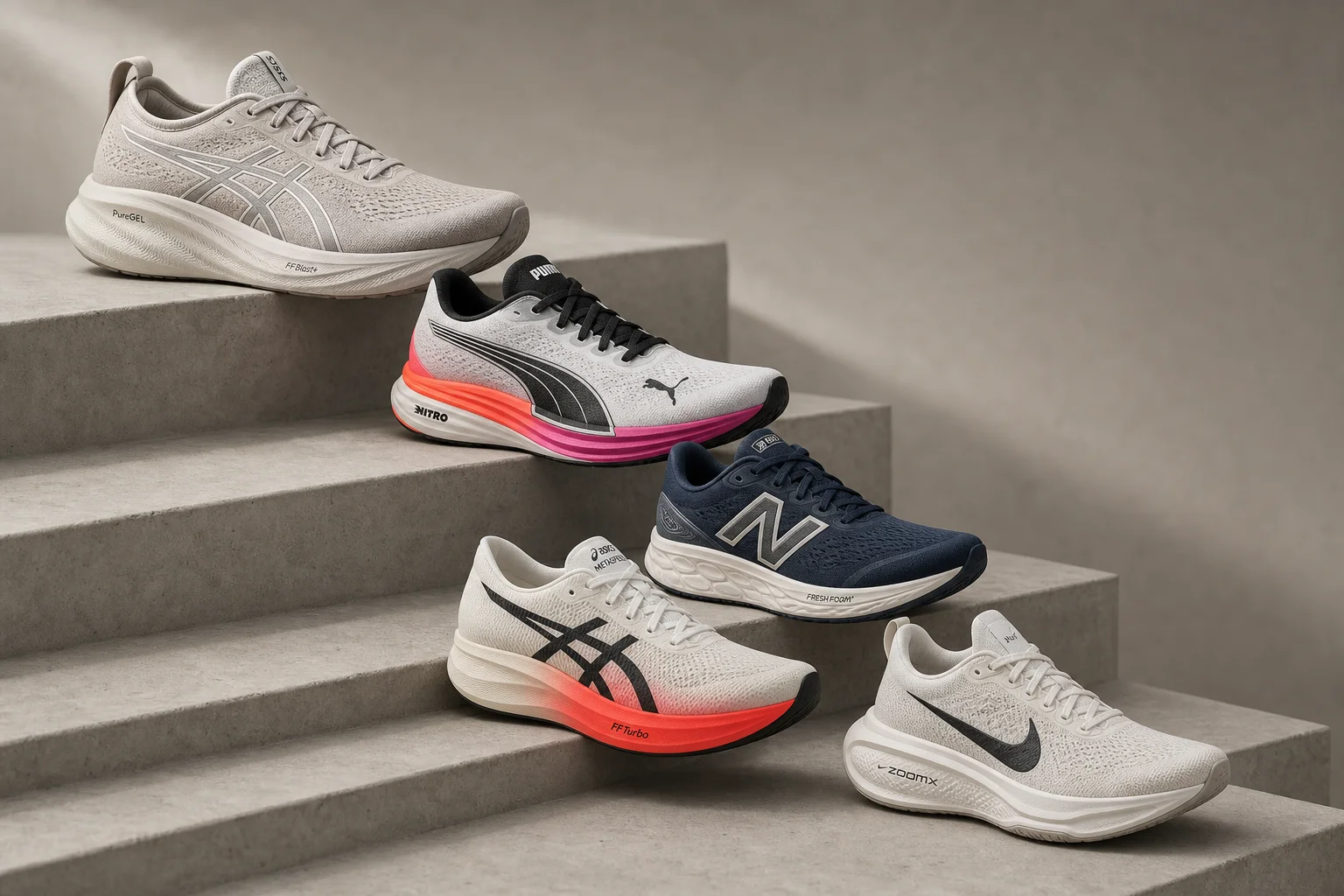
Running Shoes
Best Running Shoes for Women: Five Top Choices Ranked
A ranked guide to five women's running shoes, from versatile daily trainers to high-performance racing options, with real strengths and trade-offs for each.