Running Shoes
Saucony Kinvara Pro First Run Review: A Max-Stack Super Trainer That Feels Livelier Than It Looks
Saucony's new Kinvara Pro packs a dual-compound midsole with a carbon plate into a deeply cushioned super trainer. Here is how it performed on an eight-mile mixed-pace first run.
Introduction
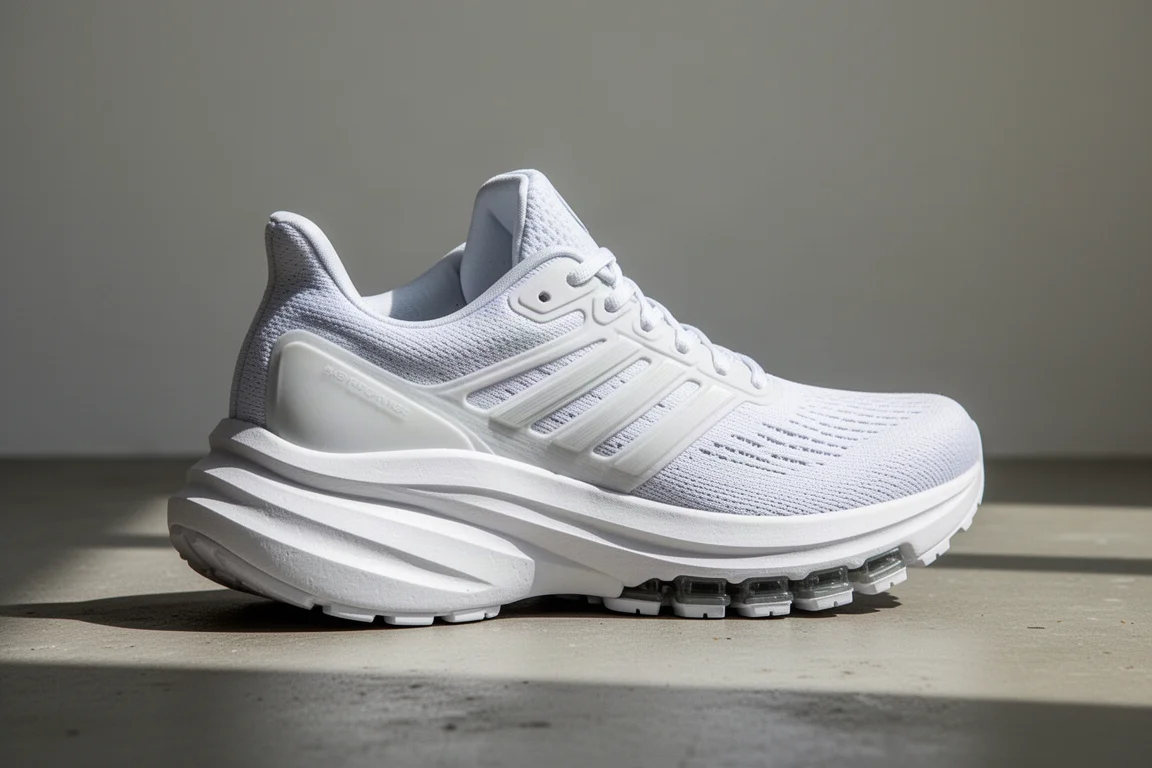
Saucony’s latest super trainer, the Kinvara Pro, is not a subtle shoe. The moment you pick it up, the sheer depth of cushioning in the midsole makes an impression, and it only gets more striking once you see the numbers. This is a training-first design built around a dual-compound midsole, a carbon plate, and a stack height that actually goes beyond World Athletics’ 40mm legal limit for competition.
That combination raises obvious questions: does all that foam feel stable, does it run as light as it looks, and is a shoe like this worth its premium price for everyday training? I took it straight out of the box for an eight-mile run covering a real mix of paces, from steady easy running through tempo work, to find out.
Construction and Key Specs
The midsole is the story here. Saucony uses a dual-compound setup: a layer of PWRRUN forms the bottom of the stack, with a top layer of the livelier PWRRUN PB performance foam sitting above it. Sandwiched between the two is a three-quarter length carbon plate, and the shoe also comes with a pair of PWRRUN PLUS insoles. All of that adds up to a 34mm stack under the forefoot and a bonkers 42mm at the heel, giving an 8mm heel drop. Because the heel exceeds the 40mm limit set by World Athletics, this is strictly a training option rather than a race day shoe.
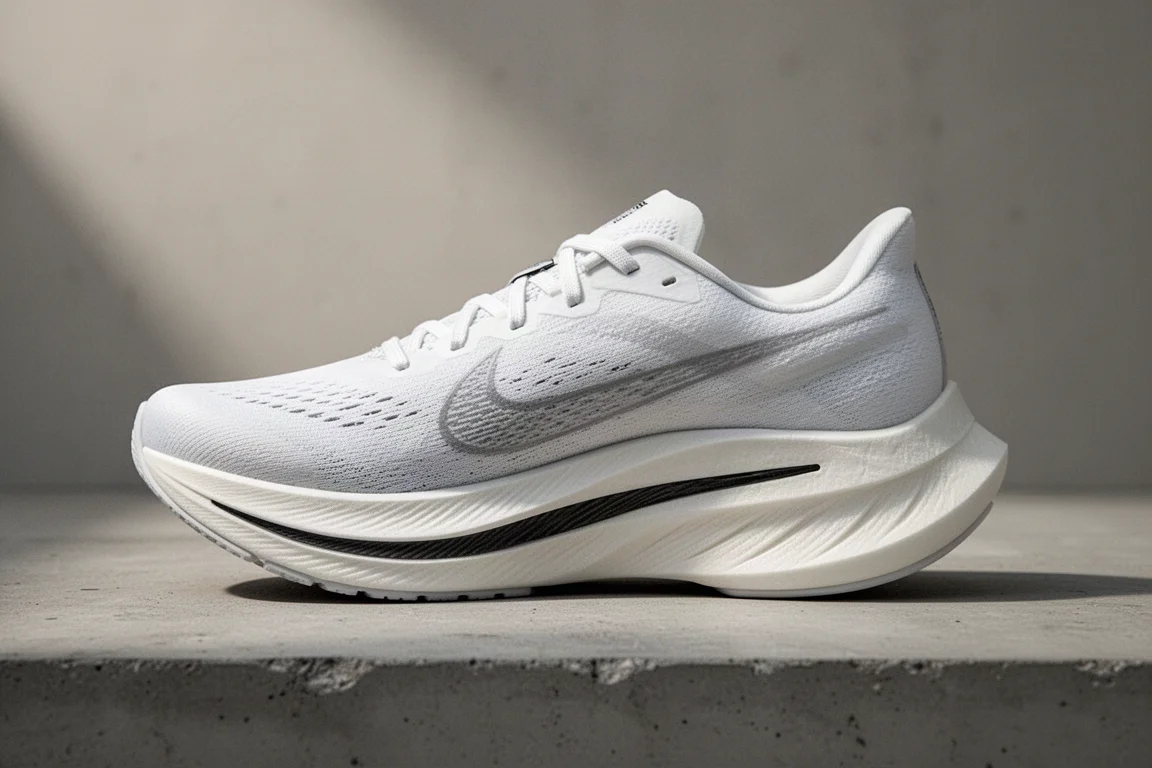
Saucony’s Speedroll geometry is worked into that midsole, and it is a design language that has served the brand well. Flip the shoe over and, true to Kinvara tradition, there is a fully exposed PWRRUN foam outsole with no blown rubber anywhere. That is clearly a weight-saving decision, but it raises real questions about durability on a shoe at this price. There is also a flex groove in the midsole where the carbon plate pokes through at the midfoot, and while no stones got trapped during the first run, it is something worth watching over time.
Up top, you get a lightweight, highly breathable engineered mesh with fine TPU stripes across the shoe, plus overlays around the lace eyelets for structure and durability. The tongue is gusseted with moderate padding, the heel cradle feels sturdy, and there is high-vis detailing and a pull tab at the back. In a UK 9.5, the shoe weighed in at 302 grams on the scales, which is fairly heavy for a performance-driven trainer, though most of that comes from the multi-layered midsole.
Fit and Sizing
The Kinvara Pro fits true to size. The UK 9.5 tested here was right on length with an average-width toe box. The upper feels genuinely premium, very soft on the inside, with good hold and support from the heel and a secure lockdown through the midfoot thanks to the gusseted tongue. It needed zero break-in: laced up indoors, stepped outside, started running, and never thought about the upper again. No mid-run lace adjustments were required.
How It Ran at Different Paces
The plan for the first outing was a genuine mixed bag of paces, starting at a steady effort and building into tempo work. The shoe felt great straight out of the box. The dual-compound midsole is super bouncy, the ride feels efficient, and despite the 302g weight on paper, it runs noticeably lighter than that. The stack height, which looks intimidating in the hand, simply does not feel crazy high while running. It feels balanced.

At tempo pace, the Kinvara Pro really came to life. The Speedroll geometry builds a super-efficient ride at speed, and the PWRRUN PB midsole delivers a strong level of bounce and energy return. The carbon plate is hard to feel distinctly on its own, but the midsole as a whole clearly springs to life when you push the pace, almost encouraging quicker leg turnover.
Compared with Saucony’s Endorphin Speed 3, the Kinvara Pro feels considerably livelier. The Endorphin Speed 3 has felt flatter and less exciting since the change from its predecessor, while the Kinvara Pro has more pop, feels more efficient, and is arguably the more engaging shoe. In fact, it sits right up there with the Endorphin Pro 3 in feel, almost like a training version of that shoe. After the eight-mile run, the legs felt about as good as they have on the road in a long time. It is hard not to think this would also perform well over marathon distance, though the midsole height rules it out of sanctioned competition.
Things to Consider Before Buying
The biggest issue is the price. At £200 in the UK, this is an expensive daily trainer, especially when there are solid training options available for roughly half that. A price closer to £150-160 would make the Kinvara Pro much easier to recommend without hesitation.
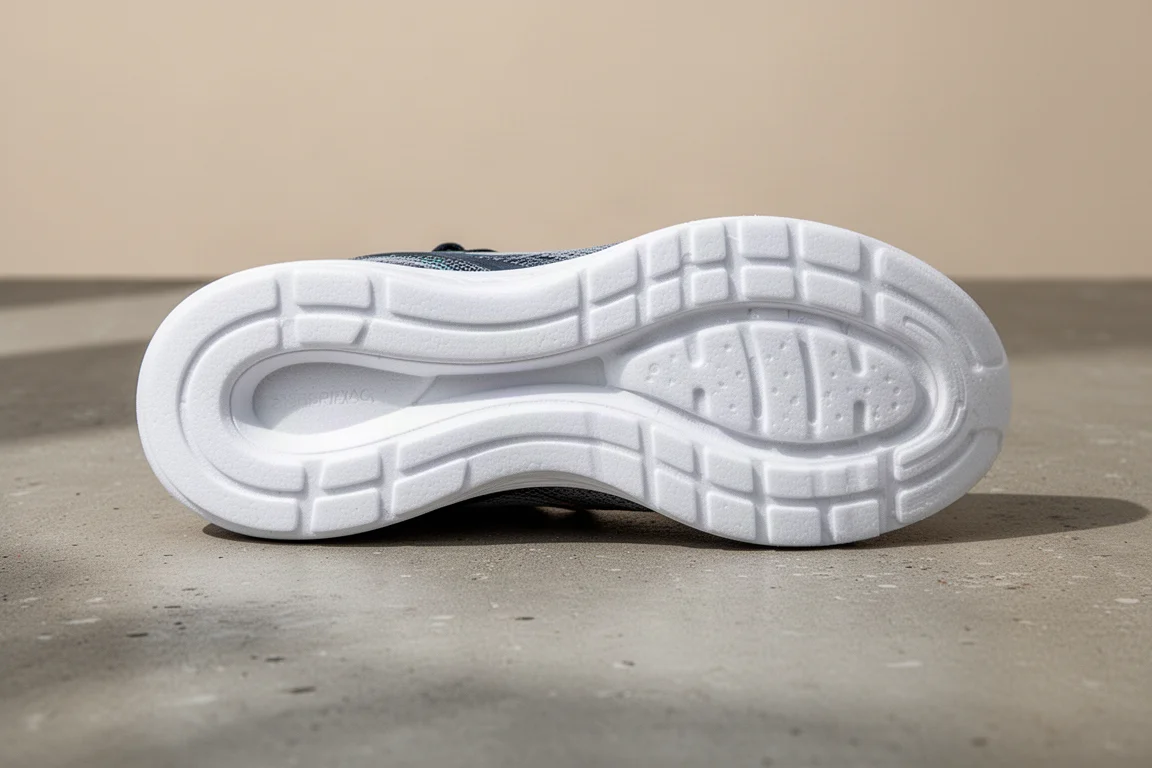
The outsole is the other concern. A fully exposed PWRRUN foam outsole on a £200 training shoe feels risky. Some blown rubber in the high-wear areas would have offered far better durability, and the reasoning seems to come down to weight: with the shoe already at 300 grams in a UK 9.5, adding rubber would have pushed the number up noticeably. To be fair, Saucony shoes with a similar exposed outsole setup have held up well to mileage in the past, and the PWRRUN foam generally wears well. But at £200 a pair rather than £115-120, you will want plenty of training miles from these, and that is exactly what longer-term testing will need to confirm. The midfoot flex groove also bears watching, even though no stones lodged there on the first run.
Who Should Buy It
The Kinvara Pro makes the most sense for runners who want one shoe that can handle nearly everything: easy miles, tempo sessions, and long runs, with a plush yet responsive ride that never feels unstable despite its enormous stack. If you have enjoyed shoes with PWRRUN PB in the midsole or Saucony’s Speedroll geometry in the past, this is about as good as that formula gets in a trainer.

If you mostly run easy miles on a budget, or you need a shoe for race day, look elsewhere. The price is hard to justify for casual use, and the 42mm heel keeps it out of competition regardless. But as a premium daily trainer for runners chasing that bouncy, plate-assisted feel in training, it is one of the strongest first impressions a road shoe has made in a while.
Conclusion
The Saucony Kinvara Pro is a bold take on the super trainer: enormous dual-compound cushioning, a carbon plate, and geometry that makes it feel fast rather than bulky. The first run delivered on almost every front, from comfort out of the box to genuine liveliness at tempo. The £200 price and the exposed foam outsole are the two real reservations, and both deserve scrutiny over more miles. As a first impression, though, this is one of the best opening runs in a road shoe in some time, and it sets a high bar for the rest of the testing to come.
Product link
View more details for Saucony Kinvara Pro
This product is mentioned in the review. Check the specifications, options, and compatibility before buying.
View more details for Saucony Kinvara ProFurther reading
Related Reviews

Running Shoes
Best Road-to-Trail Running Shoes: Three Versatile Options for Mixed Terrain
A practical guide to three road-to-trail running shoes that handle both pavement and mild trails, with clear strengths and trade-offs for different runner types.

Running Shoes
Best Running Shoes for Achilles Tendonitis: Three Options Explained
Three running shoes with different heel drops and support features designed to help reduce Achilles tendon pain during walking and running.

Running Shoes
Best Running Shoes for Women: Five Top Choices Ranked
A ranked guide to five women's running shoes, from versatile daily trainers to high-performance racing options, with real strengths and trade-offs for each.