Running Shoes
Saucony Kinvara Pro Early Review: A Max-Stack Plated Daily Trainer With a Familiar Name
An all-new max-stacked plated trainer from Saucony that shares almost nothing with the Kinvara line, tested over early miles by multiple runners.
Introduction
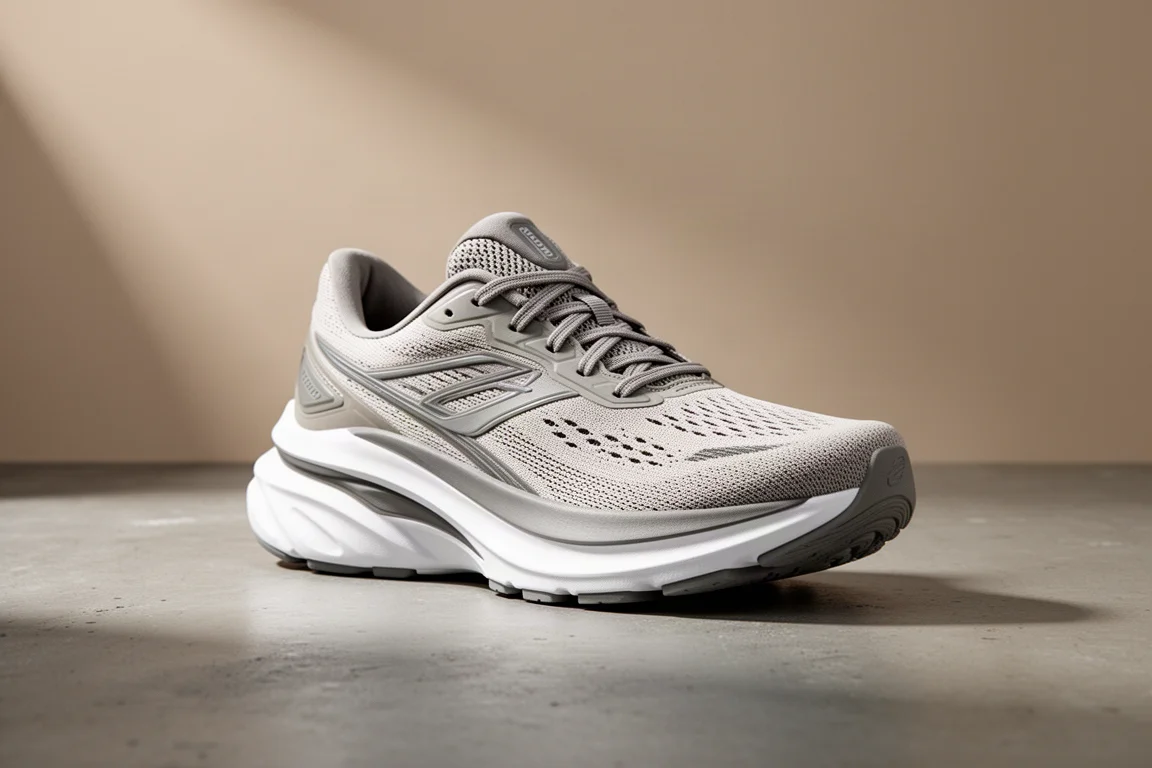
The Saucony Kinvara Pro is an all-new shoe, billed as a max-stacked plated daily trainer, or a plated shoe for the masses in the mold of something like the Hoka Bondi X. If you associate the Kinvara name with a lightweight, minimalist, low-drop shoe, prepare for a surprise: this is none of those things. In practice it feels much closer to an Endorphin Max, borrowing heavily from Saucony’s Endorphin range.
It is also an expensive release, priced at 200 pounds in the UK and 180 dollars in the US, with the UK taking the harder hit on the conversion. Several runners have put a handful of runs into the shoe, so this is an early take: somewhere between a first-run impression and a full review.
Specs and Construction
The weight lands at 303 grams (10.7 ounces) in UK size 9, which is hefty. That heft comes from the big stack: 42mm at the heel and 34mm at the forefoot for an 8mm drop. The midsole uses two foams, a layer of PWRRUN PB on top (the PEBA foam from the Endorphin Pro 3 and Speed 3) and the hardier PWRRUN foam on the bottom, with a three-quarter length carbon plate between them. Speedroll geometry brings the same big rocker as the Endorphin line, and a PWRRUN+ sock liner adds a little more comfort.
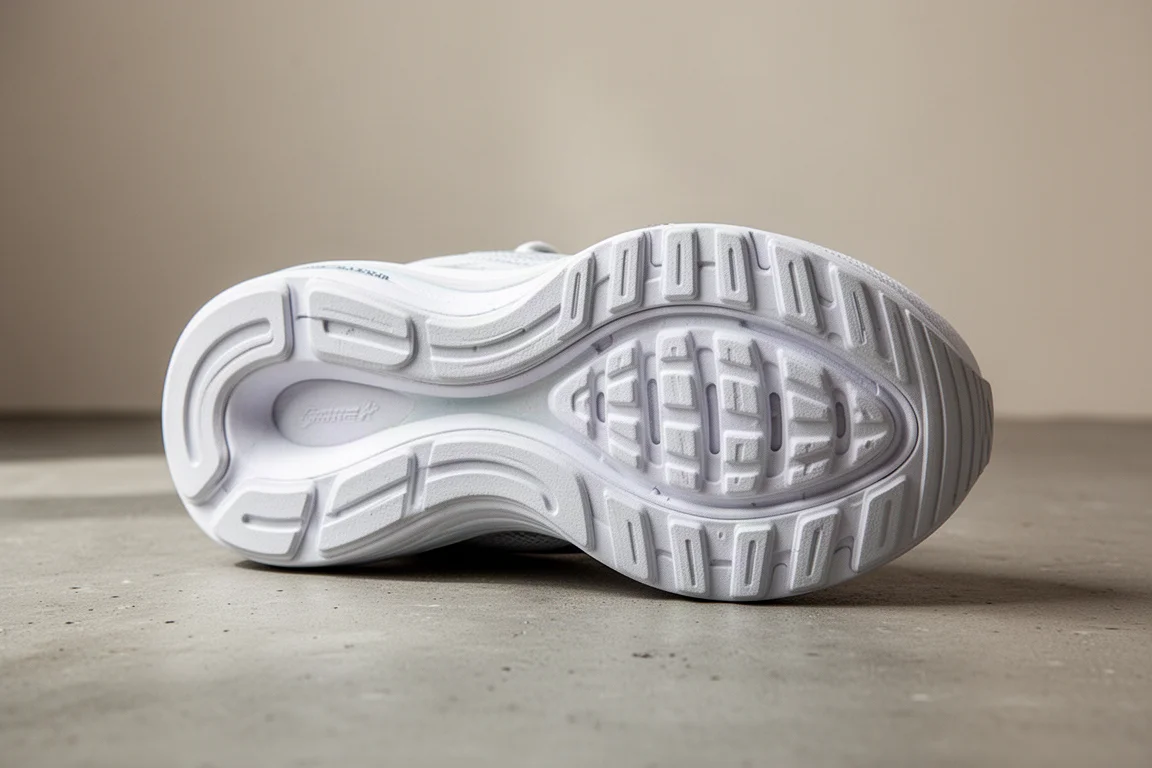
The upper uses thin plastic line overlays and suede overlays on the collar, generous heel padding, a partially gusseted tongue, and a very noticeable internal heel counter for stability. Notably, there is no rubber outsole: the PWRRUN foam is molded into a tread pattern, which should hopefully offer good durability despite the lack of rubber.
Fit and Sizing
Fit feedback varied across testers, which is worth knowing before buying. One tester in their usual UK size 9 found the shoe came up slightly long in the toe box, feeling boat-like at first but fine on the run; roomy-fit fans will like it, while anyone preferring a compact toe may want to go half a size down.
Another tester in UK size 8 found the toe box a touch tight and suggested half a size up, which is unusual for their experience with the brand. Heel hold was the most common complaint: one narrow-footed runner reported some heel slippage even with a runner’s knot and wished for longer laces. Others found it true to size with good midfoot hold and a stable, wider platform feel around the ankle.
Ride and Performance
On the run, the shoe rides as the tech sheet suggests: big, dense, and rocker-driven. It is not particularly soft, but the PWRRUN PB layer adds enough bounce to keep it enjoyable, and the Speedroll geometry makes it roll smoothly through easy and steady paces. It feels tanky and protective without feeling as heavy as it is.

At faster paces the story changes. In a track session of 5x800m at around 5K pace, the shoe felt harder work as the reps went on, with the weight and firmness working against the rocker design. One tester raced a twisty 5K in it and found it surprisingly capable on corners and curbs, with a noticeable plate-driven forward roll, but it never felt as peppy as a dedicated racing shoe. It is best understood as a cruiser: excellent at easy and recovery paces, capable of Tempo efforts, and strongest when you are not chasing top-end speed.
Grip and Durability
Grip has held up well in genuinely bad conditions. One tester ran a track session in rain, and another ran through torrential rain with flooded pavements, with no slipping at all, though the upper does not keep water out. The molded foam outsole also gives a pleasant ground feel on such a big shoe, without any slappy sensation.
Durability is still an open question with only a few runs logged. Some minor wear on the heel has already appeared, which is within expectations, but at this price a shoe meant for everyday miles leaves some runners wishing for a bit of added rubber.

Who This Shoe Is For
This is a shoe for runners who want a plated, max-cushion daily trainer with more stability than most neutral plated options. The wide base and supportive ankle structure make it a genuinely stable ride, which is rare in this category. It suits easy miles, recovery runs, long runs, and occasional Tempo pickups.
It is less well suited to runners who want a lightweight, versatile trainer. Compared to shoes like the Endorphin Speed 3, Mach 5, Hoka Mach X, or Puma Velocity Nitro 2, it is heavier and lacks top-end speed. Fans of the traditional Kinvara should look elsewhere entirely. Against the Hoka Mach X and the Asics Superblast-style bracket, some testers preferred the feel of this one, but the price gap matters.
Verdict: Good, But Not Great
The overall verdict lands on “good but not great, and a little bit expensive.” The shoe grew on testers when they ran with intent, and many runners who like more cushion will tick a lot of boxes here. But the weight, the slight firmness, and the limited top-end speed hold it back as an all-rounder, and the price makes it a tough sell as a pure daily trainer.
If money is no object and you want a big, stable, plated cruiser for easy and long runs with a bit of pop, this is a genuinely pleasant shoe to have in the rotation. If you want one shoe to do everything, lighter and livelier options exist at lower prices, and it may be worth waiting to see how the midsole breaks in over more miles before committing.
Conclusion
The Saucony Kinvara Pro is a well-built, stable, max-stacked plated trainer that borrows the best of the Endorphin range and packages it for everyday running. It excels as a cruiser and long-run option but falls short on speed, weight, and value for the asking price. For runners who do not get on with softer, less stable plated shoes, it is a compelling and better-made alternative to the Nike Zoom Vomero 5-style bracket and the Bondi X. For everyone else, test it carefully before spending 200 pounds.
Product link
View more details for Saucony Kinvara Pro
This product is mentioned in the review. Check the specifications, options, and compatibility before buying.
View more details for Saucony Kinvara ProFurther reading
Related Reviews

Running Shoes
Best Road-to-Trail Running Shoes: Three Versatile Options for Mixed Terrain
A practical guide to three road-to-trail running shoes that handle both pavement and mild trails, with clear strengths and trade-offs for different runner types.

Running Shoes
Best Running Shoes for Achilles Tendonitis: Three Options Explained
Three running shoes with different heel drops and support features designed to help reduce Achilles tendon pain during walking and running.

Running Shoes
Best Running Shoes for Women: Five Top Choices Ranked
A ranked guide to five women's running shoes, from versatile daily trainers to high-performance racing options, with real strengths and trade-offs for each.