Running Shoes
Saucony Kinvara 15: First Impressions of a Lighter, Lower, More Direct Trainer
The Kinvara 15 trims the stack and returns to a firmer, closer-to-the-ground ride. Here is what early runs reveal about fit, feel, and who it suits.
Introduction
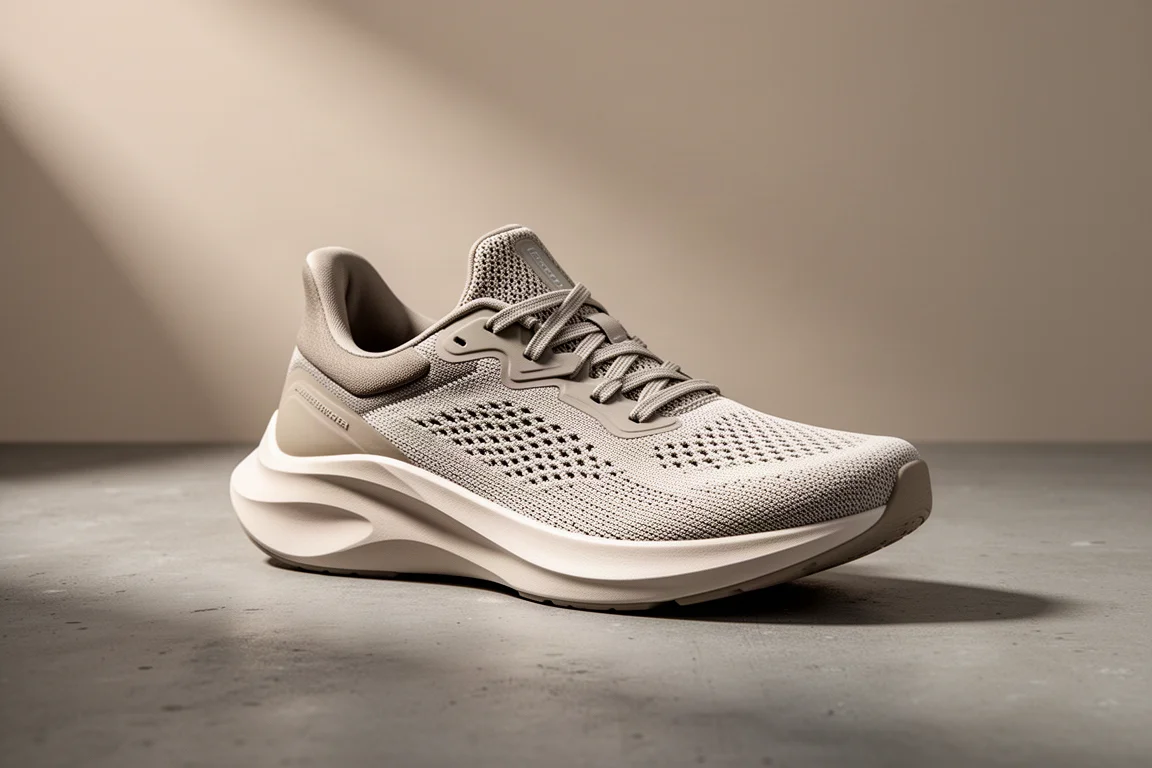
The Saucony Kinvara has long been an iconic shoe in the brand’s range, and the Kinvara 15 arrives with a clear mission: get back to what made the original so beloved. After the Kinvara 14 divided some fans by taking the shoe in a slightly different direction, the 15 trims the stack, keeps the weight low, and delivers a firmer, more direct ride that feels closer to the Kinvara of old.
After several short runs mixing easy miles with interval and tempo efforts, the picture emerging is of a shoe that rewards quick, light running rather than passive cruising. Here is how it is shaping up so far.
Overview and Pricing
The Kinvara 15 is built for faster daily runs and is priced at £130 in the UK or $120 in the US. A men’s UK size 8 weighs in at 192g, keeping it a genuinely lightweight daily trainer. It uses a 4mm drop with reduced stack heights of 29mm at the heel and 25mm at the forefoot, keeping you close to the ground.
The upper is a single-layer mesh with a PWRRUN sockliner for added step-in comfort. Below sits the standard PWRRUN midsole, not the bouncier PWRRUN PB used in the Endorphin line, and it promises to come alive at faster paces with a slightly firmer edge. The outsole is EVA-based with a ridged design for strong traction and flexibility.
Fit and Sizing
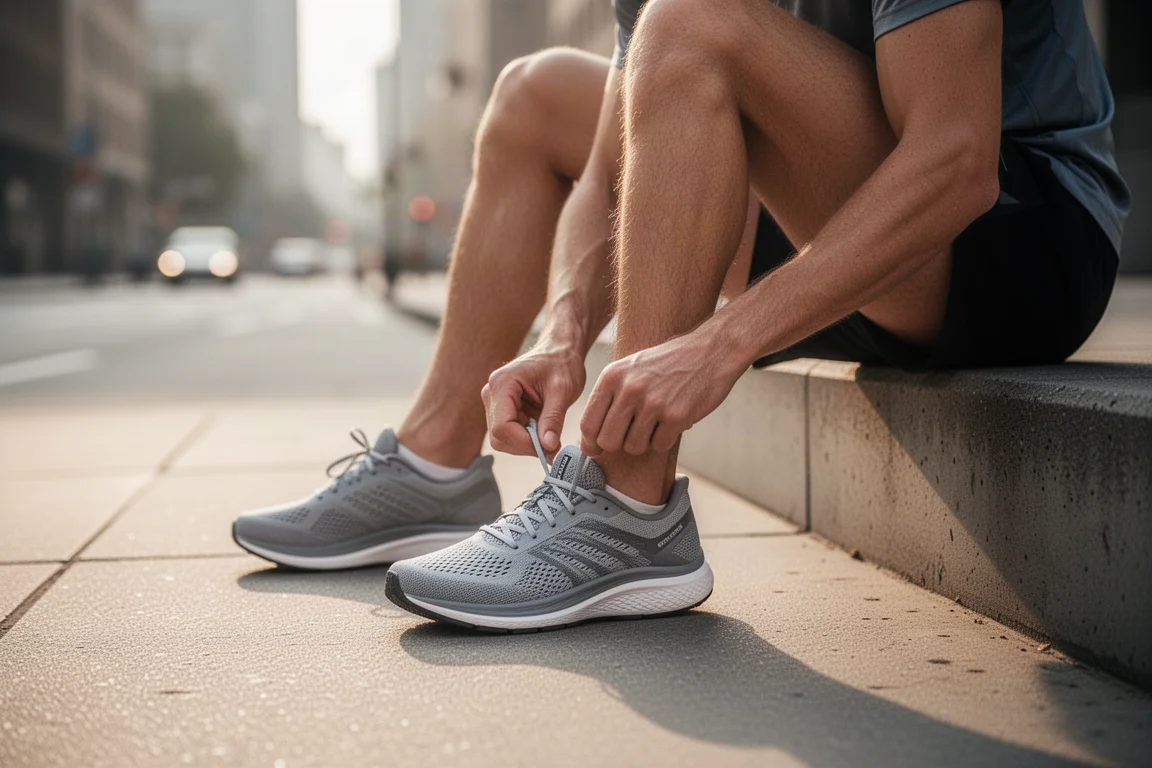
Fit is where opinions split. One tester in a UK 8 found the shoes a little narrow and a little long, with a thumb’s length of room in the toe box but not quite the disappearing fit typical of other Saucony shoes. The lockdown works well overall, though the lacing structure did not suit a high instep perfectly. A medium-padded tongue prevents lace pinch, and the medium-padded heel collar holds well despite limited heel structure. The recommendation is to go true to size, but expect a skinnier profile.
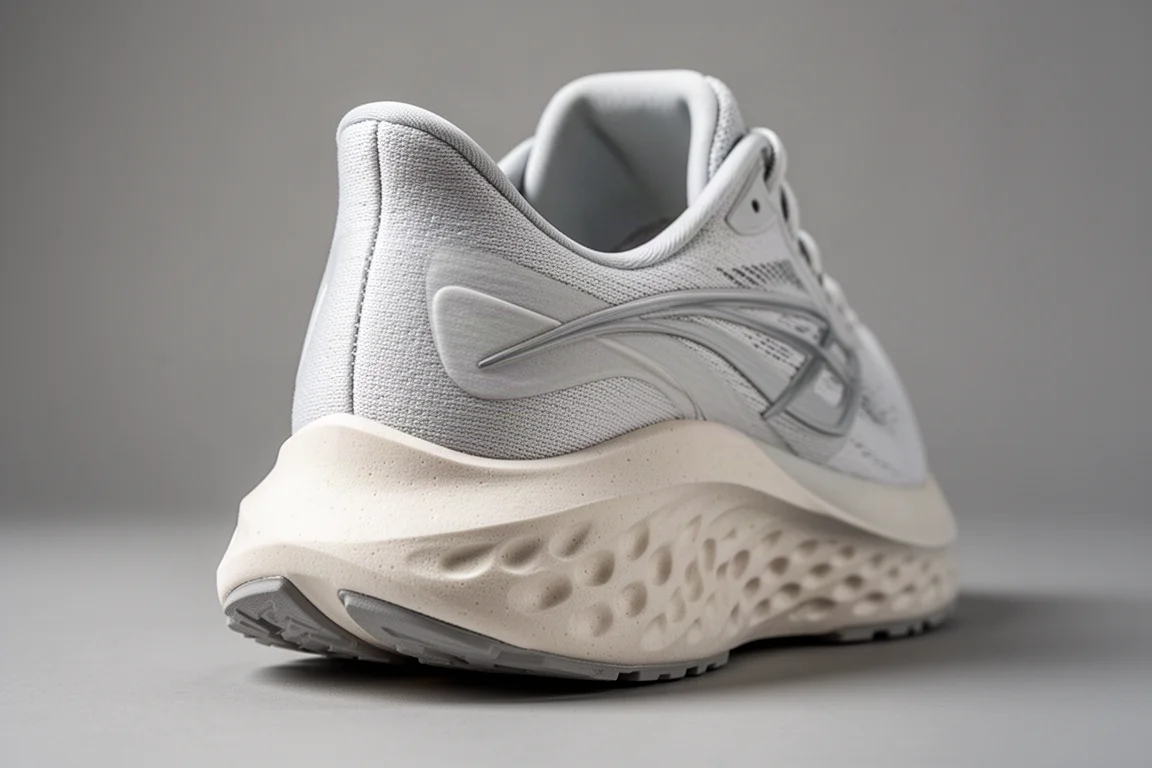
A second tester with narrow feet found the fit very good in the same size, praising the roomy toe box and the flexible, lightly padded heel counter with no irritation. The takeaway: if you have narrow feet, the Kinvara 15 should feel spot on; wider-footed runners should be mindful of the slim shaping.
Ride and Performance
The first thing you notice is how light the shoe feels, practically race-shoe light, yet nimble and racy without the stripped-back minimalism of an all-out racing shoe. The PWRRUN cushioning is noticeably firmer than the softer foams in the Ride 17 or Endorphin Speed 4, and it encourages you to pick your feet up fast.
There is not quite enough foam underfoot for miles beyond the half marathon distance, so most runners will reach for it on shorter, faster efforts. The firm midsole makes for reliable landings and toe-offs, with good stability and a consistent ride. A touch of rocker keeps transitions smooth. This is a shoe that asks you to bring the effort: it works best with light feet, high turnover, and a willingness to work.

In wet conditions the ridged outsole gripped very well, adding to the agile, nimble feel. At tempo paces the shoe rolled through comfortably and held pace with ease, feeling connected to the ground throughout.
Buying Advice
The Kinvara 15 will appeal most to runners who loved the older Kinvaras and were less enamoured with the direction of recent versions. It sits in a similar category to shoes like the Hoka Mach 6 or Mach 5, the Brooks Hyperion Max 2, and, with slight differences in stack and softness, the Reebok Floatride Energy in spirit. Compared with the Endorphin Speed, it offers a firmer, less bouncy but more grounded alternative at a lower price.
If you prefer a bigger, springier super daily trainer, this may feel like a step back. But if you want a low, direct, lightweight trainer for uptempo days, it delivers that classic feel with just enough modern refinement. It is also keenly priced relative to other uptempo daily trainers in the Saucony range.
Conclusion
The Kinvara 15 is not trying to be the bounciest shoe on the market, and that is precisely its appeal. It trims the stack, keeps the weight low, and offers a firmer, more connected ride that fans of the original Kinvara should appreciate. Longer-run versatility remains an open question, but for shorter, faster daily runs it looks like a solid, well-priced option that is easy to recommend once you understand what it is about.
Product link
View more details for Saucony Kinvara 15
This product is mentioned in the review. Check the specifications, options, and compatibility before buying.
View more details for Saucony Kinvara 15Further reading
Related Reviews

Running Shoes
Best Road-to-Trail Running Shoes: Three Versatile Options for Mixed Terrain
A practical guide to three road-to-trail running shoes that handle both pavement and mild trails, with clear strengths and trade-offs for different runner types.

Running Shoes
Best Running Shoes for Achilles Tendonitis: Three Options Explained
Three running shoes with different heel drops and support features designed to help reduce Achilles tendon pain during walking and running.

Running Shoes
Best Running Shoes for Women: Five Top Choices Ranked
A ranked guide to five women's running shoes, from versatile daily trainers to high-performance racing options, with real strengths and trade-offs for each.