Running Shoes
Saucony Kinvara 14 Review: A Lightweight Classic That Has Stopped Moving Forward
The Kinvara 14 stays lean and light, but after two test runs its narrow fit and dated foam make it a hard shoe to recommend in 2023.
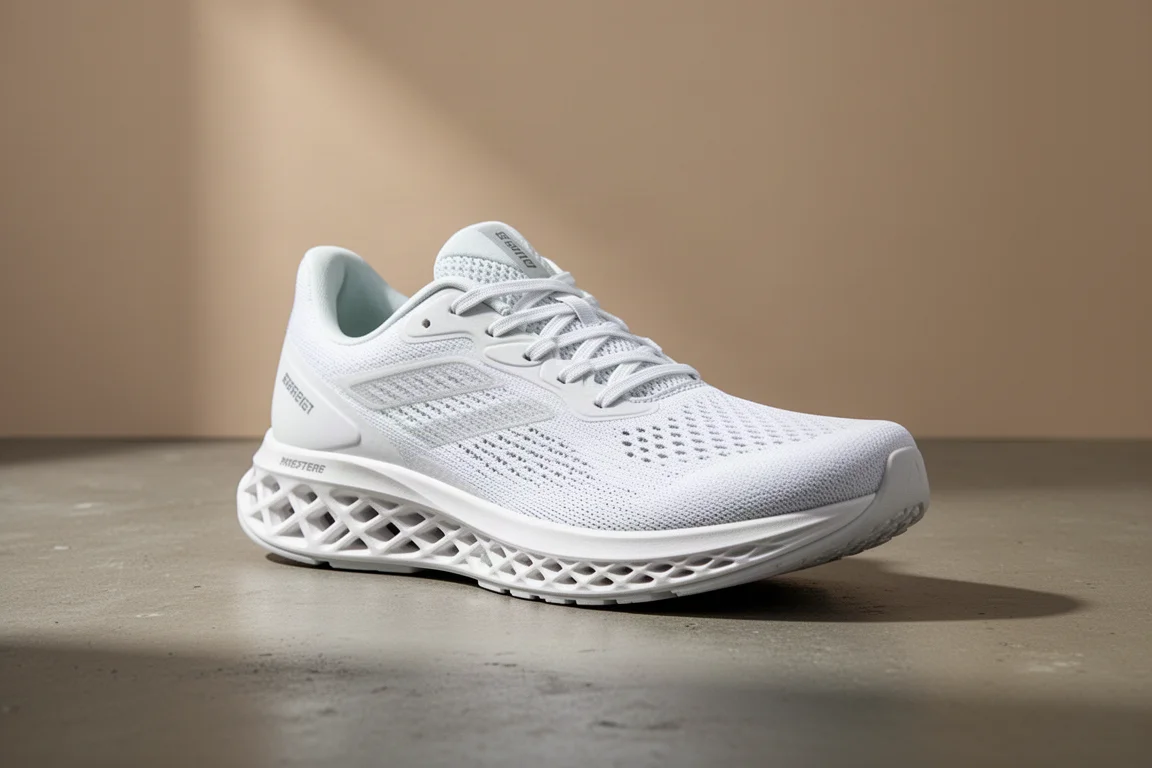
Introduction
The Saucony Kinvara 14 is the latest version of one of the most recognizable lightweight trainers of the last decade. Priced at £125 or $120, it weighs in at 203 grams (7.1 ounces) for men in a size 8, with a four-millimeter drop. Everything about the design is aimed at keeping the shoe lean: minimal features, minimal bulk, and a focus on faster training sessions and race day.
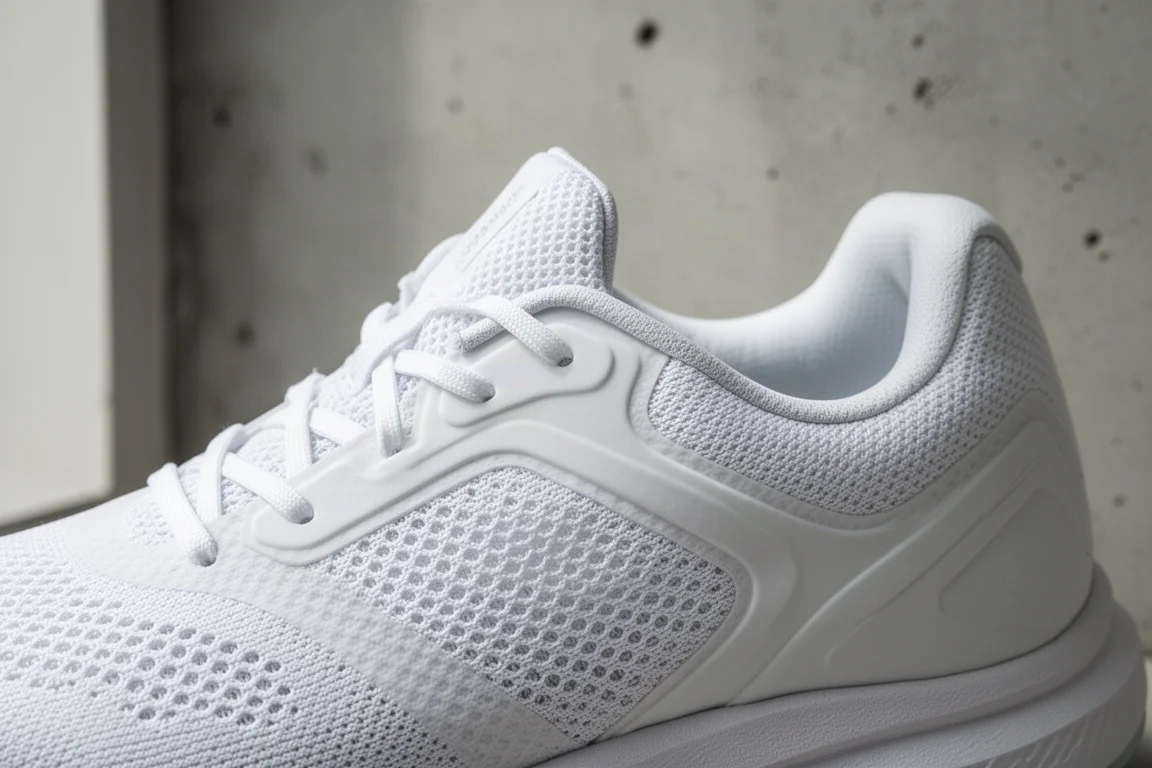
That simplicity used to be the Kinvara’s biggest selling point. In today’s market, however, lightweight shoes have moved on considerably, and this update changes very little from previous versions. After two test runs covering both an easy long session and a set of intervals, the picture is a mixed one, leaning toward disappointment.
What Has Changed (Very Little)
The Kinvara 14 carries over the same formula as earlier versions: a modest amount of PWRRUN midsole foam for cushioning, two small areas of outsole rubber protecting the foam in the key wear zones, and a PWRRUN+ sockliner to help with propulsion. The upper is a thin dual-layer mesh designed for breathability, with some padding in the gusseted tongue and generous padding around the heel collar.
This is very much a legacy shoe. Longtime Kinvara fans will find essentially the same shoe they have always bought, with the upper being the only noticeably different element. For everyone else, the lack of development across several versions is hard to ignore.
Fit and Upper
The fit is the biggest problem. The Kinvara 14 runs very narrow, narrow enough to cause discomfort even for a runner with fairly average-width feet who rarely struggles with slim shoes. On an 18-kilometer run, the sides of the foot began hurting around the 10K mark, and repeated loosening of the laces never produced a genuinely comfortable fit.

There are also conflicting sizing quirks: the length feels slightly long, yet sizing down half a size would only make the narrowness worse, so that is not a recommended fix. The upper itself is light and reasonably comfortable, but it delivers a loose lockdown feel despite the narrow shape. Tightening it down to get a secure fit simply makes the narrowness more punishing. The forefoot, oddly, has plenty of space, which adds to the awkward overall fit picture.
How It Performs on the Run
Two runs tell the story. The first, an 18-kilometer easy run at around five minutes per kilometer, was genuinely unpleasant: not enough cushioning to be enjoyable at slow pace, and not comfortable in general. To be fair, this shoe is not designed as a long, slow training shoe.
The second run, a warm-up followed by a series of intervals, went noticeably better. At faster paces, the firm, responsive PWRRUN foam makes more sense, and the low weight becomes an asset. It was fine for intervals, just fine, not inspiring.
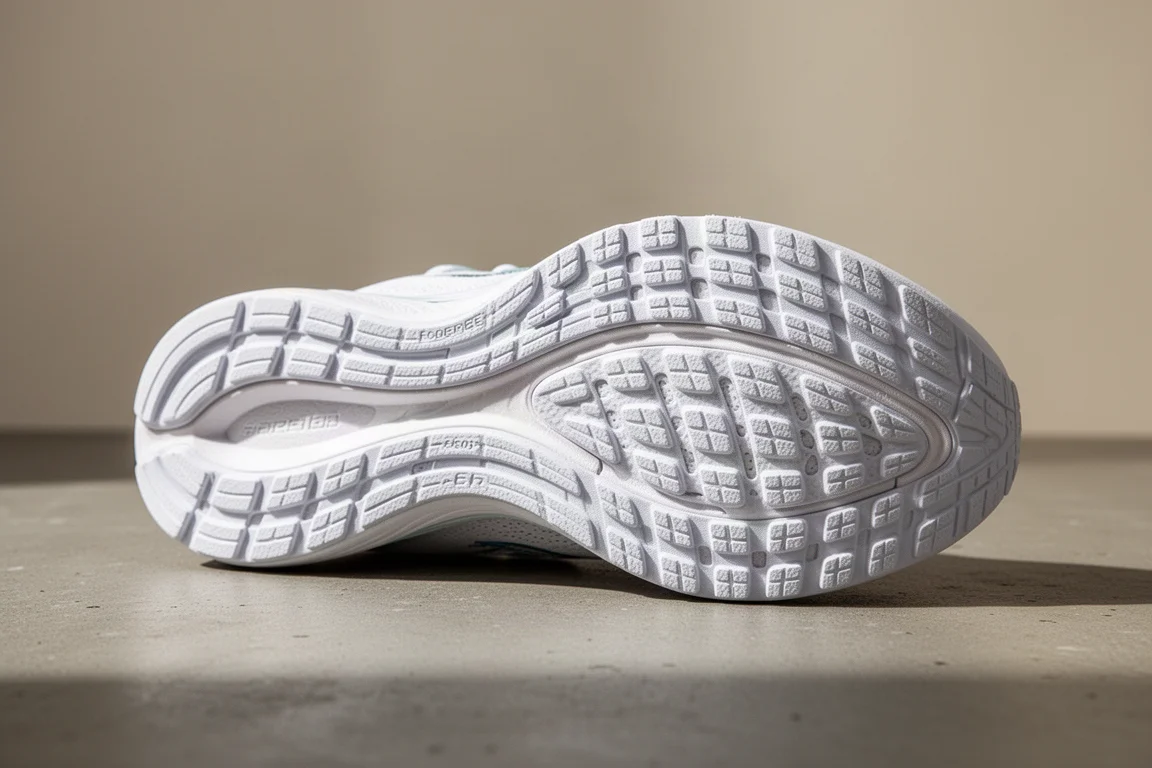
The foam is the weak point. It is relatively firm, with little bounce and no standout cushioning or energy return. It is responsive enough for fast work, but it feels essentially identical to previous Kinvara midsoles and does nothing to justify an upgrade. The honest ceiling here: do not use it for anything over 10K unless you specifically want a minimal, low-cushioning shoe for speed work and are happy without a plate.
Buying Advice
If you have loved the Kinvara for years and simply want a new version, this delivers the same shoe with a slightly different upper. But if you are shopping for a lightweight shoe in 2023, there are stronger options at similar or slightly higher prices.
The Puma Liberate Nitro 2 is a nicer, more comfortable alternative with a similar weight (a touch heavier, but not noticeably) and more balanced cushioning that holds up better on longer runs. The Hoka Mach 5 is also a bit heavier but offers more in terms of features and cushioning, and it is the shoe this reviewer reached for over the Kinvara for all short-distance speed work, including training for a marathon.

If you want a no-frills lightweight shoe strictly for 5K to 10K running and you do not mind a very narrow fit, the Kinvara 14 can work. But it is not a budget shoe, and the competition offers better foams, better fits, and better overall value. This shoe is either due for a major redesign, or Saucony’s energy is better spent on the Endorphin range, where the genuinely exciting shoes live.
Conclusion
The Saucony Kinvara 14 is not a bad shoe, but it is no longer a competitive one. It is ridiculously light, and that is about the only thing going for it. The narrow fit, dated foam, and minimal updates make it difficult to recommend over alternatives like the Puma Liberate Nitro 2 or Hoka Mach 5. Loyal Kinvara runners will be satisfied with the same shoe they know; everyone else should look elsewhere for speed.
Product link
View more details for Saucony Kinvara 14
This product is mentioned in the review. Check the specifications, options, and compatibility before buying.
View more details for Saucony Kinvara 14Further reading
Related Reviews

Running Shoes
Best Road-to-Trail Running Shoes: Three Versatile Options for Mixed Terrain
A practical guide to three road-to-trail running shoes that handle both pavement and mild trails, with clear strengths and trade-offs for different runner types.

Running Shoes
Best Running Shoes for Achilles Tendonitis: Three Options Explained
Three running shoes with different heel drops and support features designed to help reduce Achilles tendon pain during walking and running.

Running Shoes
Best Running Shoes for Women: Five Top Choices Ranked
A ranked guide to five women's running shoes, from versatile daily trainers to high-performance racing options, with real strengths and trade-offs for each.