Running Shoes
Saucony Kinvara 13 vs New Balance Fresh Foam Tempo v2: Lightweight Trainer Head to Head
Two lightweight trainers released within two weeks of each other go head to head across weight, upper, ride, fit, comfort, outsole, and value.
Introduction
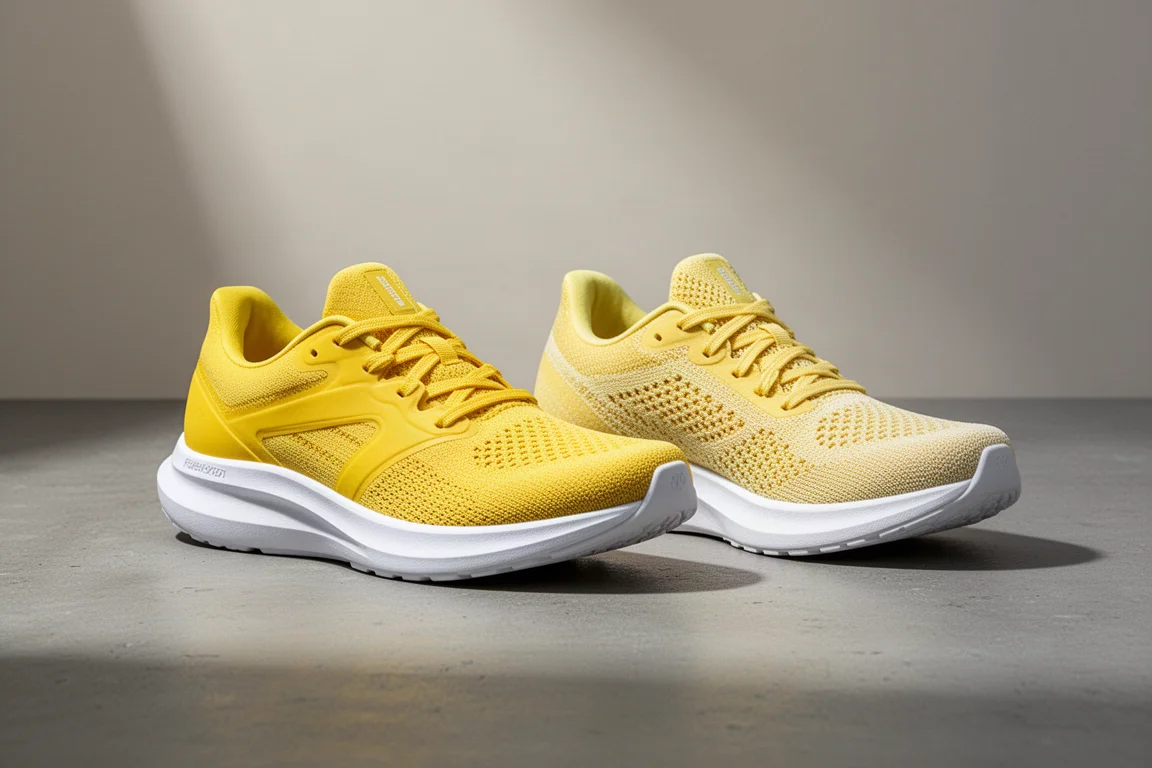
Lightweight trainers occupy a sweet spot in any rotation: fast enough for tempo days, comfortable enough for easy miles. Two shoes that arrived within two weeks of each other in summer 2022 make for a natural comparison: the Saucony Kinvara 13 and the New Balance Fresh Foam Tempo v2. Both lean toward the lighter end of the daily trainer spectrum, both wear white midsoles, and both even share similar outsole layouts, which makes the differences worth a closer look.
This comparison walks through weight, uppers, ride feel, fit, comfort, outsole coverage, and overall value, so you can decide which one belongs in your rotation.
Two Lightweight Trainers, One Summer
The Kinvara 13 released on June 15, 2022, and the Fresh Foam Tempo v2 followed on June 1 of the same year, putting the launches roughly two weeks apart. The two shoes look strikingly similar at first glance, right down to the yellow-dominant colorways and white midsoles, so a side-by-side inspection is genuinely useful.
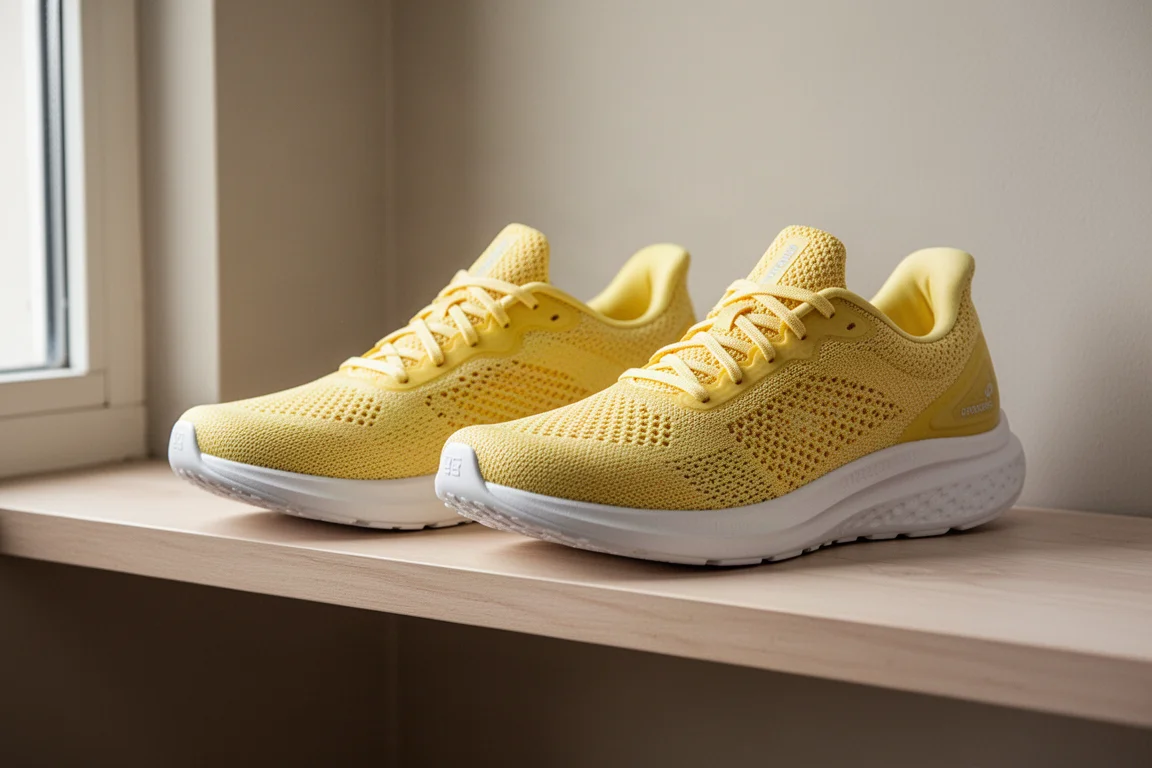
Weight is where the Kinvara 13 takes an early advantage. Both shoes are lightweight by daily trainer standards, but the Tempo v2 carries extra grams, much of it attributable to its knit upper. If shedding weight matters to you, the Kinvara 13 has the edge here.
Upper and Fit: Knit versus Mesh
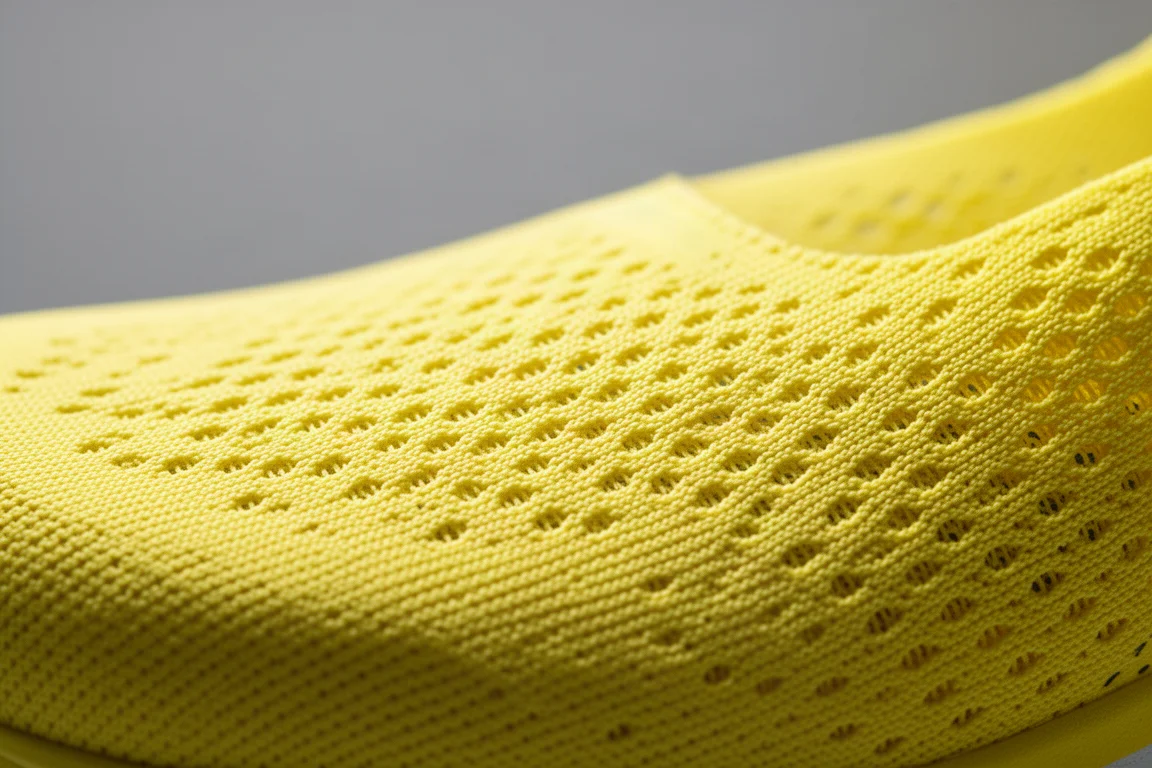
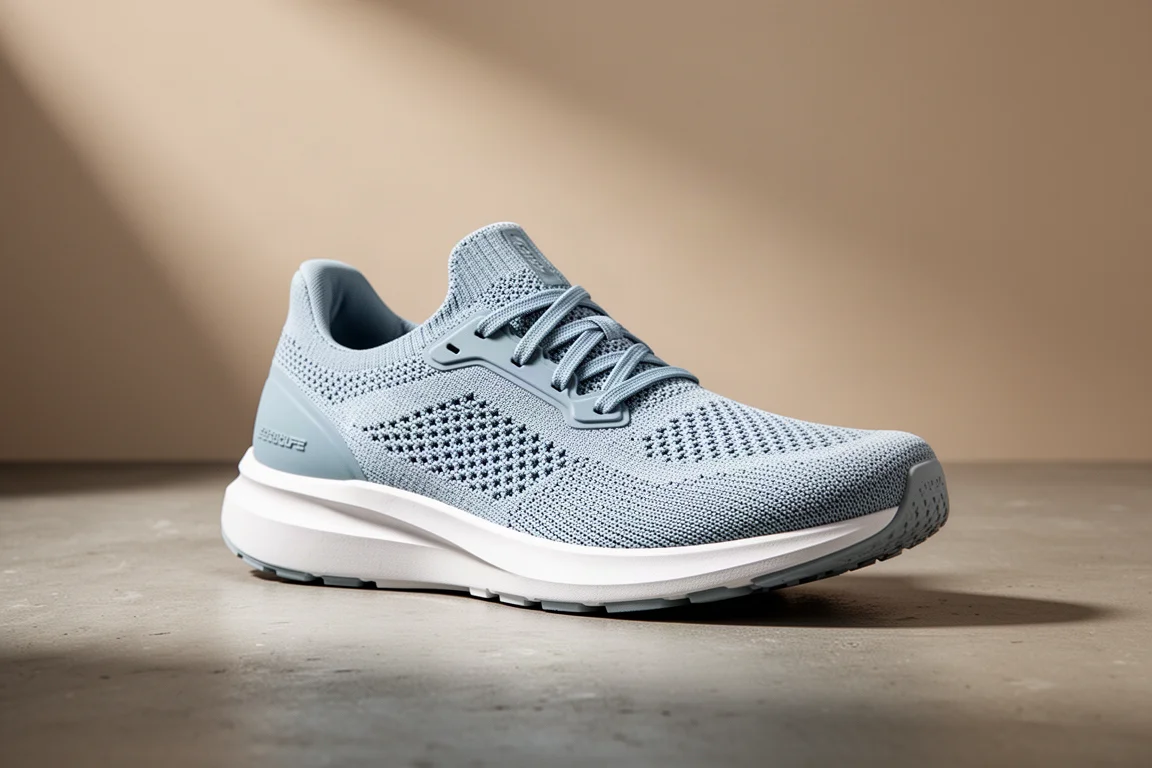
The Kinvara 13 uses a single-layer mesh upper, which keeps the shoe airy and light. The Tempo v2 uses an engineered HypoKnit upper that is a little thicker and stretchier. That knit is not a flaw; it is malleable and conforms to the foot. Compared with some more modern upper materials, though, it reads as slightly old school, and it is a plausible source of the Tempo v2’s extra weight.
On lockdown, the Kinvara 13 clearly wins. The mesh holds the foot securely through the midfoot. The trade-off is volume: if your foot has a lot of girth, the Kinvara 13 may feel too snug. You might need to go up a half size, and while a full size up is unlikely to be necessary, it is worth trying on before committing. The Tempo v2’s knit can stretch around the top of the foot, which gives higher-volume feet a bit more room.
Fit is otherwise rated as a tie. Both shoes offer a nice, secure fit overall, so this category comes down to your foot shape and volume rather than an objective winner.
Ride Feel: Snap versus Smooth
Underfoot, the two shoes take different approaches. The Kinvara 13 uses PWRRUN+ in its midsole, while the Tempo v2 relies on Fresh Foam X. The Tempo v2 delivers a slightly softer, springier, more forgiving ride, which suits runners who like a bit of cushion underfoot.
The Kinvara 13, by contrast, has a smoother, snappier feel. Part of that comes from its simpler midsole setup: there is not much to overthink, and the result is an easy, fluid ride through foot strike. It is the kind of shoe you can zone out in on easy days, and it has enough snap to carry through a tempo run as well.

If you want softness and forgiveness, the Tempo v2 makes the stronger case. If you want a smooth, simple, responsive ride, the Kinvara 13 is the better match.
Comfort and the Softness Test
A durometer test tells an interesting story here. The Tempo v2 measures around 31 on the hardness scale, which lands it in very soft territory, close to what softer daily trainers typically achieve. The Kinvara 13 measures around 46, noticeably firmer.
That softness plays out in the comfort score, which favors the Tempo v2. If your priority is a plush, easy feel underfoot, the Fresh Foam X midsole does the job. If you prefer a firmer platform with more snap, the Kinvara 13 remains comfortable in its own right but simply offers a different kind of comfort.
Durability and Outsole Coverage
Outsole coverage is where the Kinvara 13 scores its clearest win. There is hardly any rubber on the Kinvara 13’s outsole, while the Tempo v2 carries quite a bit more. More rubber generally means better abrasion resistance and longer outsole life, yet the Kinvara 13 still earns the higher outsole score in this comparison, reflecting how well its minimal coverage holds up in practice.
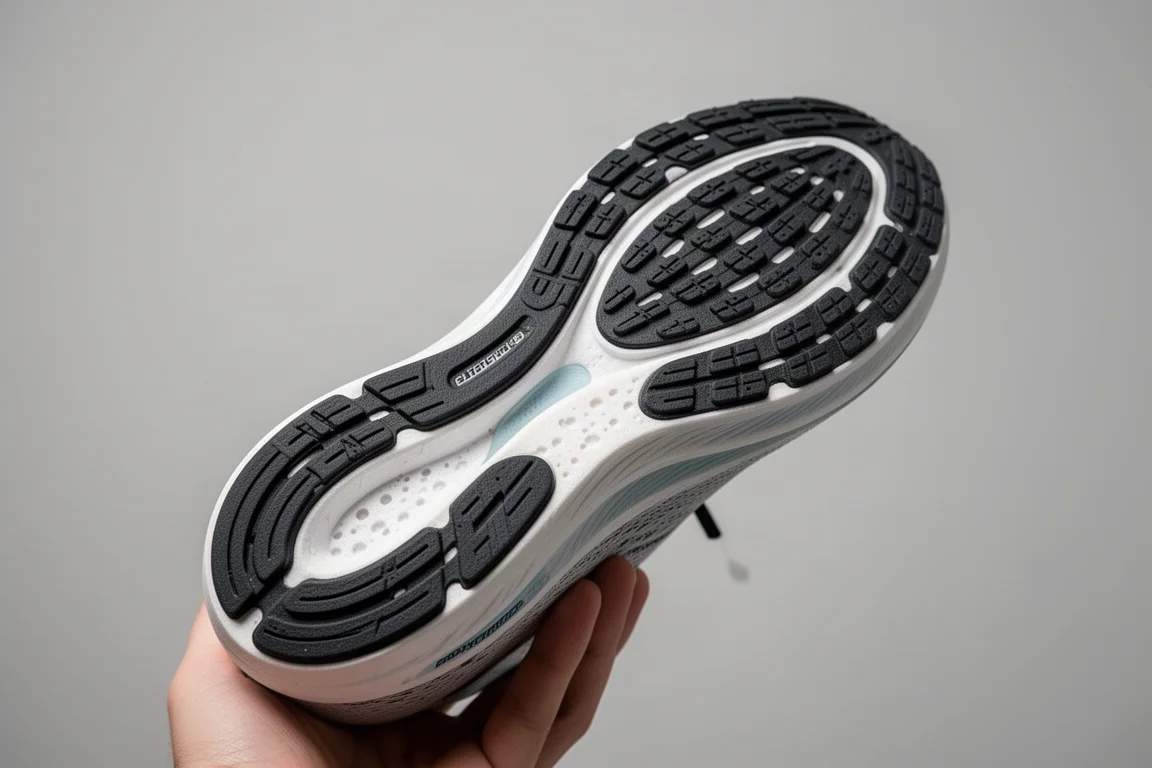
The twist test results are about the same between the two shoes, with neither showing a meaningful stability advantage. Both feel appropriately planted for lightweight trainers in this class.
Overall Winner and Buying Advice
Across the categories, the Saucony Kinvara 13 takes the overall win, taking most of the seven categories, with weight, lockdown, ride, and outsole among its strengths. It is the kind of shoe owners describe in one word: smooth. The Fresh Foam Tempo v2 is by no means a bad shoe; it counters with a softer, springier ride, a comfort advantage, and a stretchier knit upper for higher-volume feet.
Choose the Kinvara 13 if you want the lightest option with the smoothest, snappiest ride and can accommodate its snug fit. Choose the Tempo v2 if softness and upper flexibility matter more than raw weight.
Conclusion
Both of these lightweight trainers earn their place in a rotation, but the Saucony Kinvara 13 edges out the New Balance Fresh Foam Tempo v2 on weight, lockdown, ride quality, and outsole scoring. The Tempo v2 remains a solid pick for runners chasing a softer, more forgiving feel. Match the shoe to your foot shape and ride preference, and either option will serve you well.
Further reading
Related Reviews

Running Shoes
Best Road-to-Trail Running Shoes: Three Versatile Options for Mixed Terrain
A practical guide to three road-to-trail running shoes that handle both pavement and mild trails, with clear strengths and trade-offs for different runner types.

Running Shoes
Best Running Shoes for Achilles Tendonitis: Three Options Explained
Three running shoes with different heel drops and support features designed to help reduce Achilles tendon pain during walking and running.

Running Shoes
Best Running Shoes for Women: Five Top Choices Ranked
A ranked guide to five women's running shoes, from versatile daily trainers to high-performance racing options, with real strengths and trade-offs for each.