Running Shoes
Saucony Kinvara 13 vs Hoka Mach 4: Two Lightweight Trainers, Two Very Different Rides
A head-to-head look at two popular lightweight performance trainers, covering stack heights, midsole feel, and which shoe suits which type of runner.
Introduction
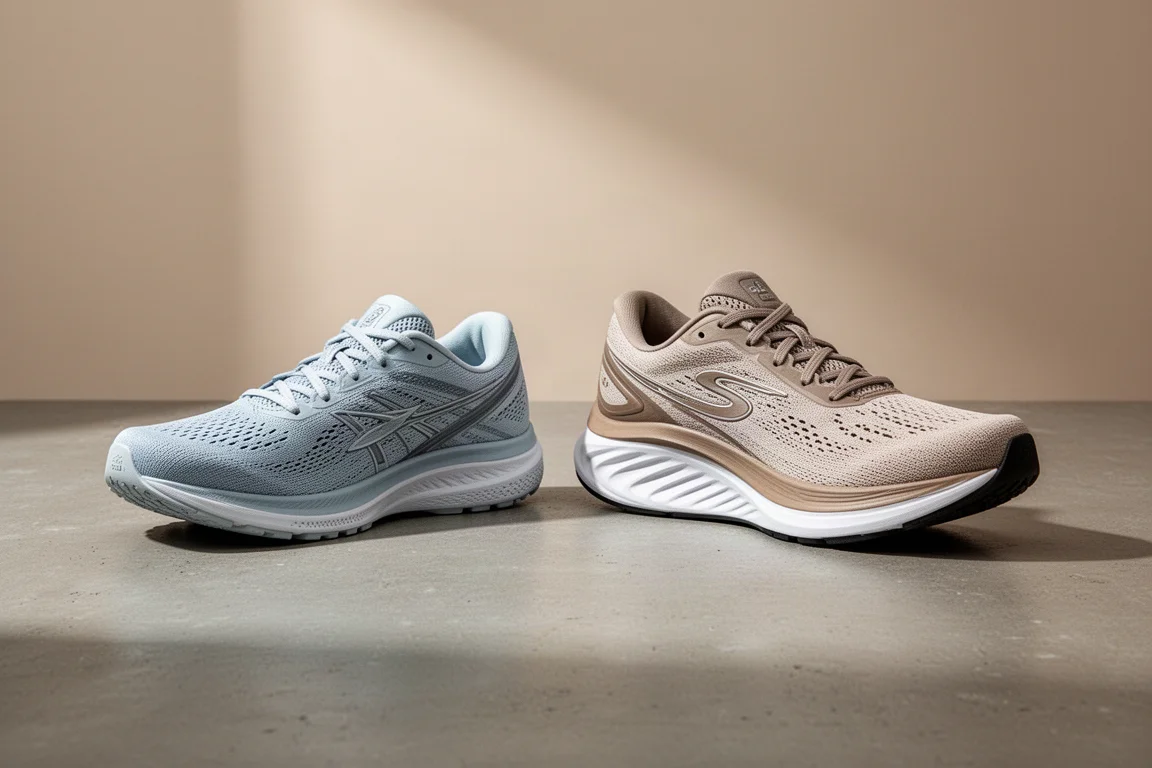
The Saucony Kinvara 13 and Hoka Mach 4 are two of the most loved lightweight performance trainers around, and both have earned something close to a cult following. On paper they look remarkably similar: light weight, similar heel-to-toe offsets, and a performance trainer badge that covers everything from easy days to quick fartleks. Ride them back to back, though, and two very different personalities emerge. Here is how they compare and which one is more likely to fit your stride.
Two Trainers, Similar DNA
Both shoes use EVA midsoles and are positioned as lightweight performance trainers, which means they reward whatever effort you put into them rather than doing the work for you. Both also share a similar heel-to-toe offset ratio and a rearfoot design with a good central bevel that rounds through the heel, loosely mimicking the shape of the calcaneus bone. Each shoe carries its own version of a swallowtail design, a midline groove or crash pad to channel shock through the foot, and a curved groove extending through the forefoot.
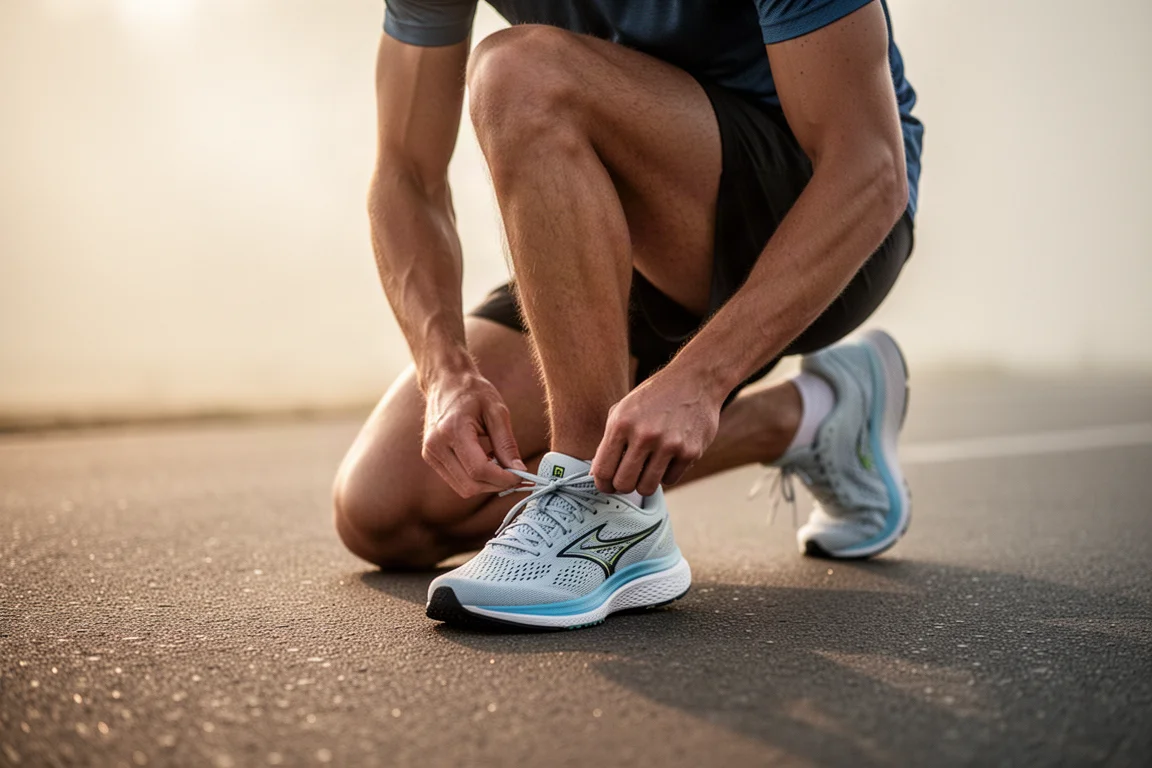
In terms of stack and weight, the Kinvara 13 comes in at 7.2 ounces in a men’s size 9, with a 4mm drop and stacks of 28.5mm at the heel and 24.5mm at the forefoot. The Mach 4 in the same size measures 8 ounces, with a 5mm drop, a 35mm heel stack, and a 30mm forefoot stack. So the Hoka gives you noticeably more cushioning underfoot while the Saucony keeps things leaner and lower to the ground.
Saucony Kinvara 13: Flexible and Natural
The Kinvara 13 stays true to Saucony’s roots with a flexible sole and a much more pliable forefoot. The shoe largely gets out of the way and lets your natural stride pattern do its thing. The PWRRUN midsole has a bit of give to it and feels slightly suspensive, absorbing impact while still responding when you push the pace.
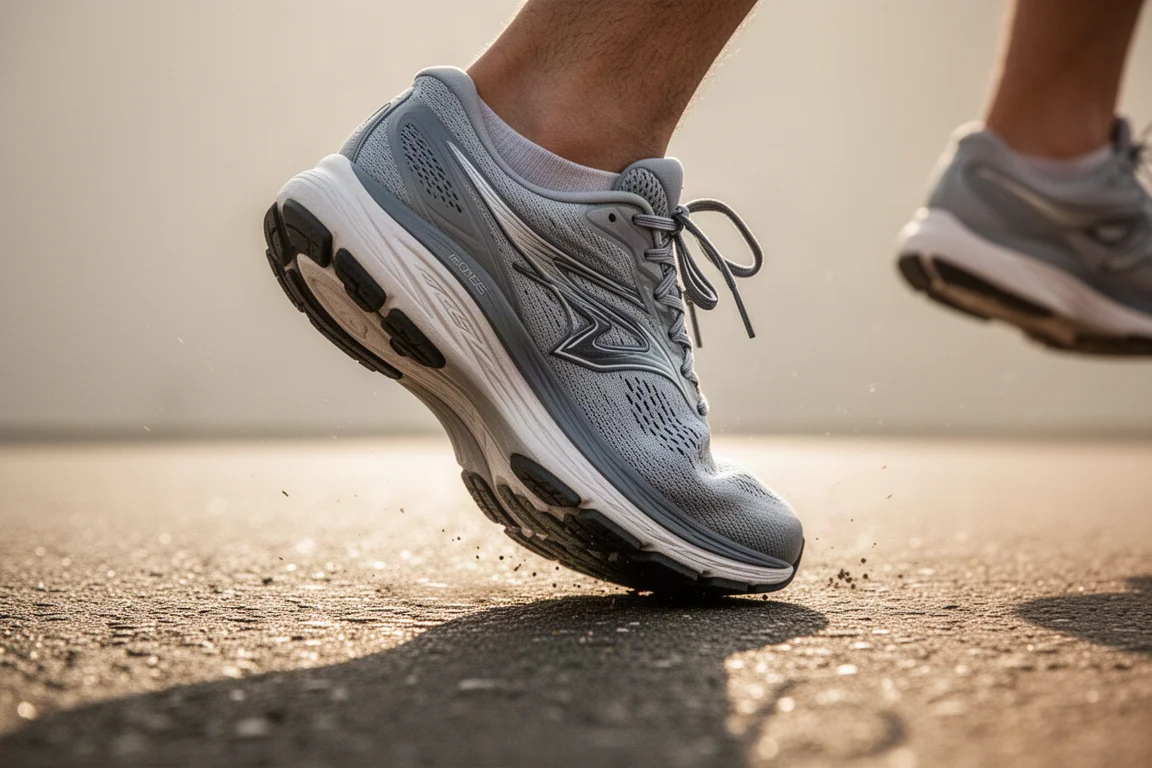
One detail worth noting for sensitive feet: the Kinvara has a narrower last through the midfoot. If you feel wobbly in performance shoes or pay attention to cross-sectional width, that slimmer midfoot could be a factor. It also means the Kinvara is less of an everyday-everything shoe for most runners, shining instead on long runs, fartleks, and easy runs with strides at the end.
Hoka Mach 4: Rocker Ride and Poppy Toe-Off
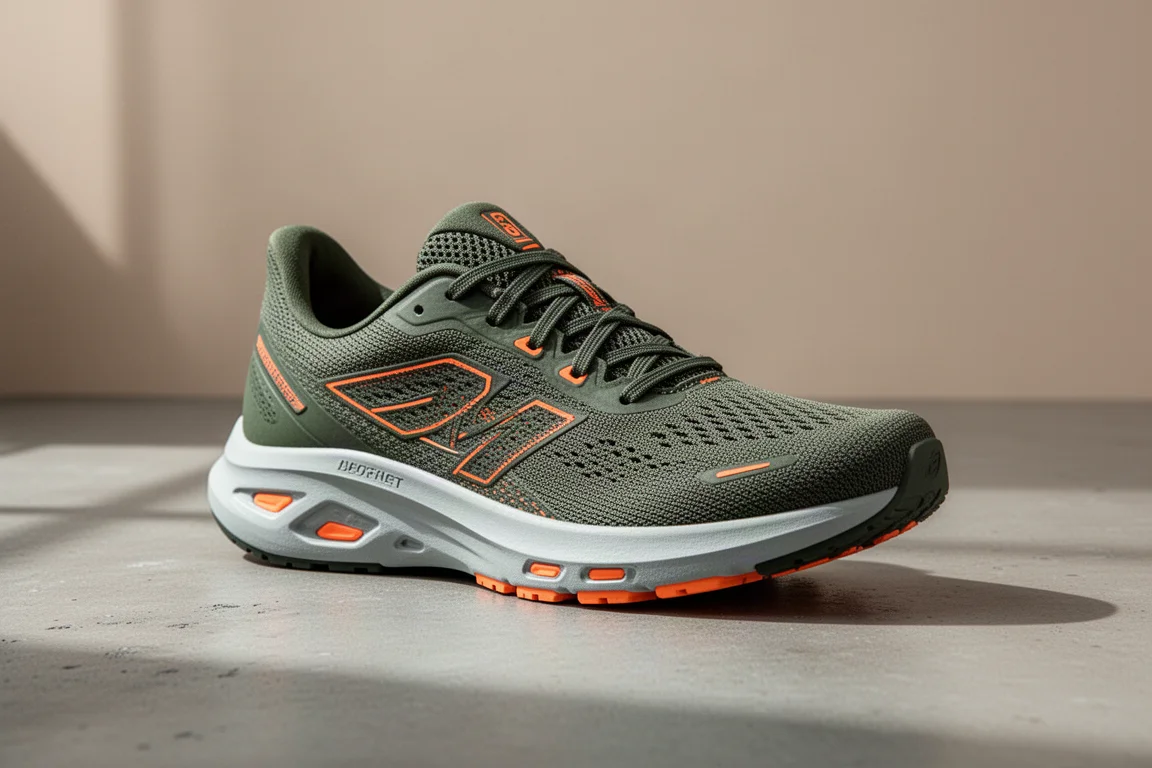
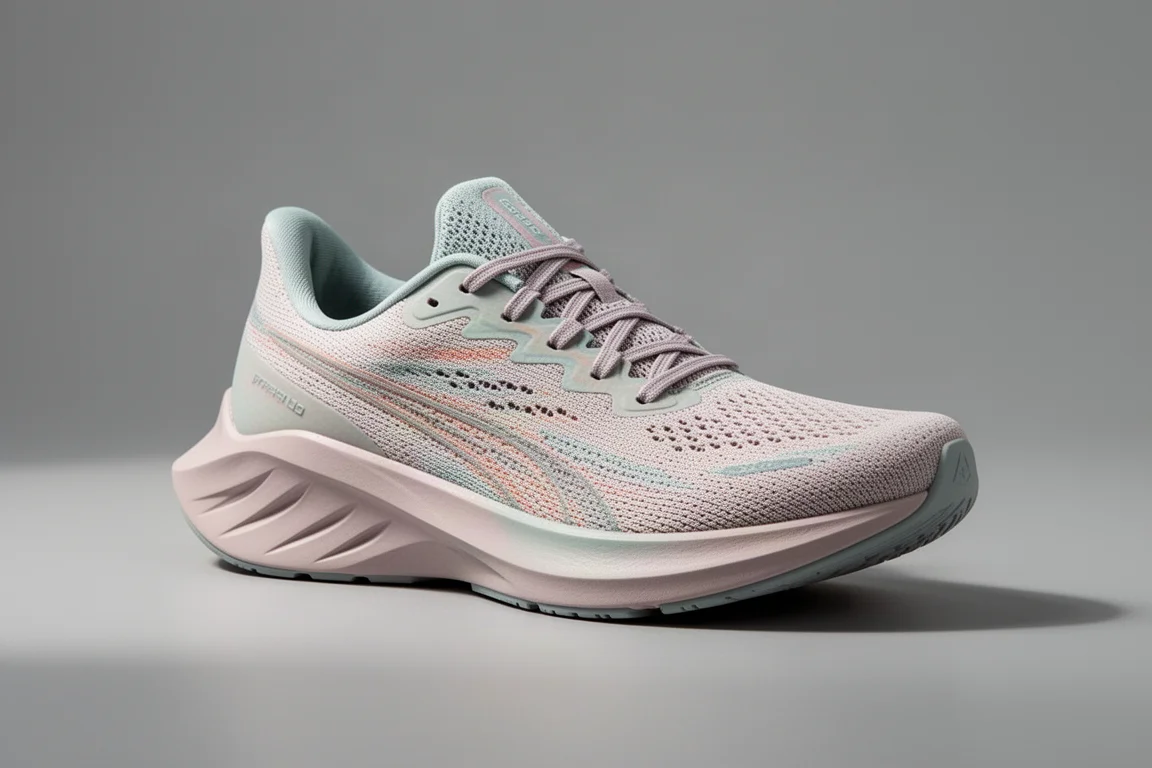
The Mach 4 leans heavily on Hoka’s signature rocker design, with a much more rigid forefoot. Flex grooves do open up when the shoe is loaded dynamically, but the ride is built around a firmer, poppier toe-off. The Profly midsole is softer in the rearfoot and firms up progressively toward the forefoot, all by design, which gives the forefoot a bouncy quality on push-off.
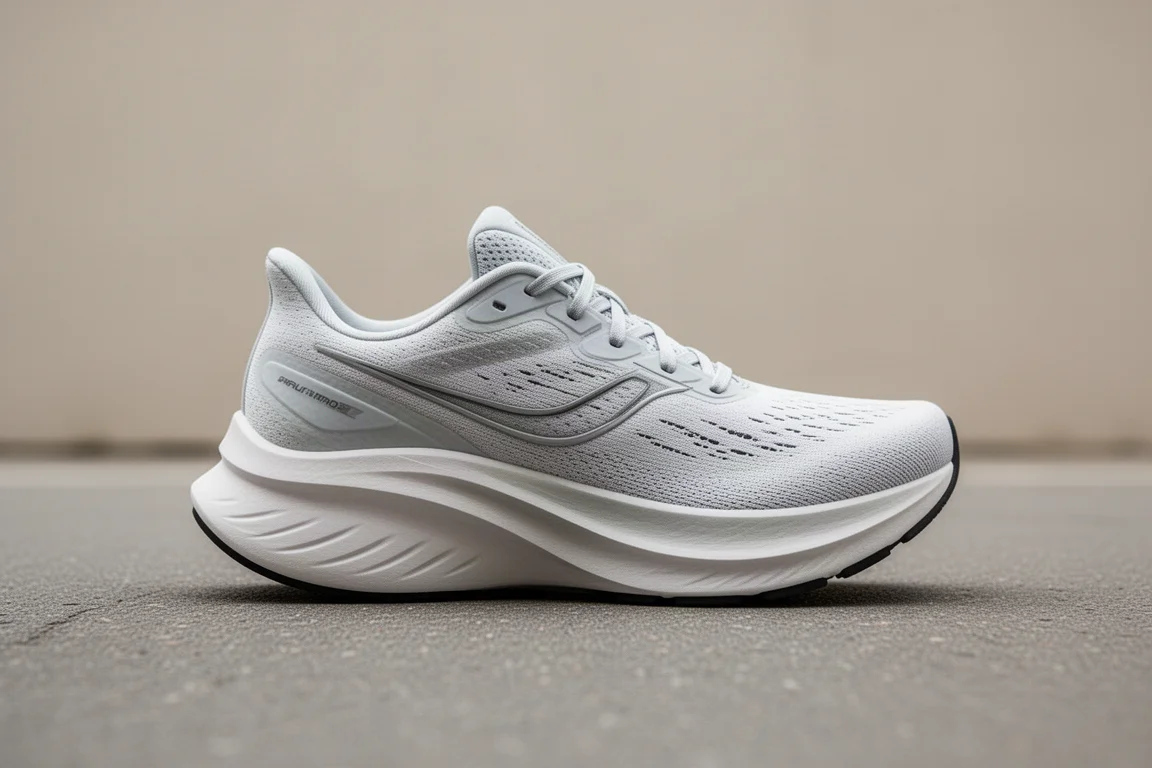
That stiffness is divisive. Some runners have responded really well to the rigidity and the spring it provides, while for others it has been a deal breaker. The extra stack height and slightly wider midfoot also make the Mach 4 feel more stable underfoot through the midfoot than the Kinvara, which matters if you are sensitive to platform width. If either shoe leans toward everyday training duty, it is probably the Mach 4, though neither is strictly limited to that role.
Responsiveness: Personal Preference Territory
Both shoes are responsive, just in different ways. It essentially comes down to flexible forefoot versus not-so-flexible forefoot. The Kinvara’s midsole gives a little and suspends you through the stride, while the Mach 4’s firmer toe-off produces a bouncier sensation through the forefoot. Neither approach is objectively better; it is genuinely a matter of what your stride responds to.
How They Fit Into Your Rotation
Both shoes work across a wide range of runs, which is what the performance trainer tag is all about. The sweet spot for both tends to be long runs, fartlek sessions, or easy runs finished with strides, where the lightweight feel keeps the legs turning over without heavy legs the next morning. If you want a single shoe that can flirt with daily training duty, the Mach 4 probably leans that way a bit more, but plenty of people happily rotate either one regularly.

Conclusion
These two shoes are similar in all the ways that matter for versatility and different in the ways that matter for feel. The Kinvara 13 offers a flexible, natural ride for runners who want the shoe to follow their stride. The Mach 4 delivers a rockered, cushioned platform with a poppy, firmer toe-off for those who like a little help from their geometry. Both are fun, both are responsive, and both deserve a place on your try-on list.
Further reading
Related Reviews

Running Shoes
Best Road-to-Trail Running Shoes: Three Versatile Options for Mixed Terrain
A practical guide to three road-to-trail running shoes that handle both pavement and mild trails, with clear strengths and trade-offs for different runner types.

Running Shoes
Best Running Shoes for Achilles Tendonitis: Three Options Explained
Three running shoes with different heel drops and support features designed to help reduce Achilles tendon pain during walking and running.

Running Shoes
Best Running Shoes for Women: Five Top Choices Ranked
A ranked guide to five women's running shoes, from versatile daily trainers to high-performance racing options, with real strengths and trade-offs for each.