Running Shoes
Saucony Kinvara 13 vs Kinvara 12: Lightweight Trainer Comparison
The Kinvara 13 refines a cult-favorite lightweight trainer with a fully redesigned upper, a lower 7.2 oz weight, and the same balanced no-plate ride fans expect.
Introduction
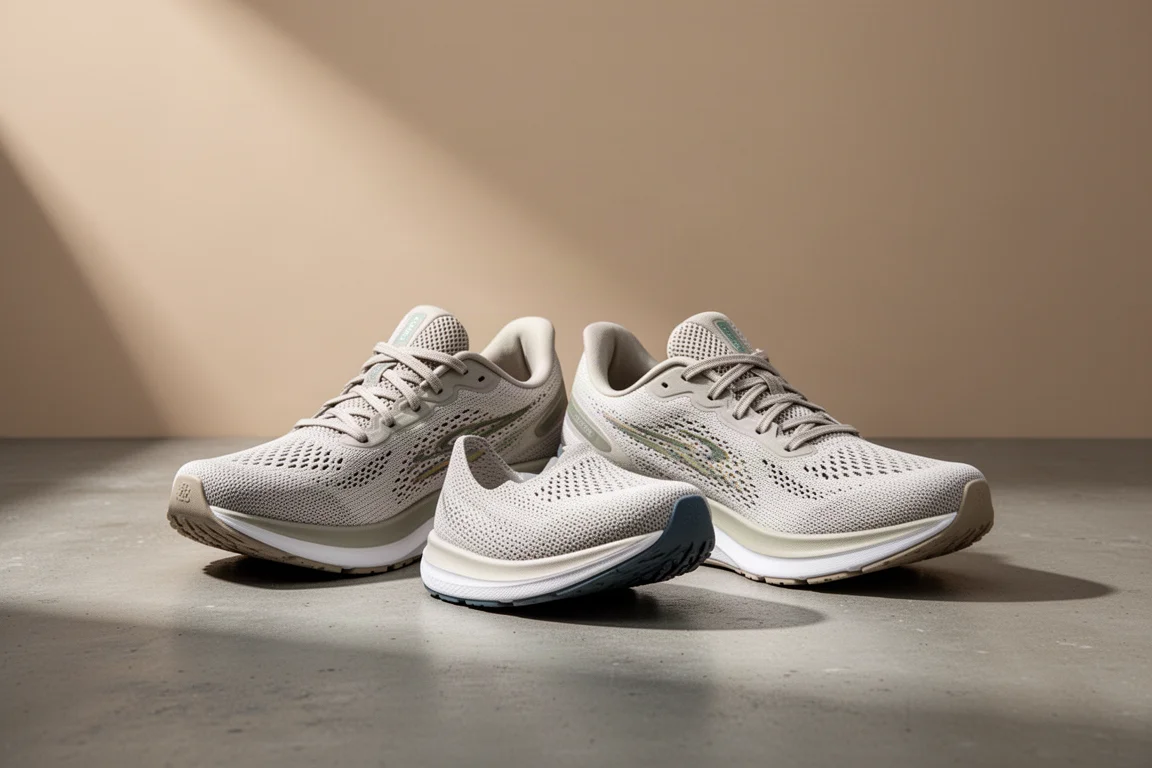
The Saucony Kinvara 13 arrives with a fully redesigned upper and a lower weight, while the Kinvara 12 remains a solid shoe that many runners already know. This comparison breaks down what actually changed, how both shoes fit and ride, and which one makes more sense for your running.
What the Kinvara Is
The Kinvara has a cult following for good reason. It was introduced as a lightweight trainer right when minimalist running was taking off, and it struck a nice balance between a traditional cushioned trainer and the minimalist shoes of that era. It still does that well today: very light, with a solid amount of cushioning, and no plate.
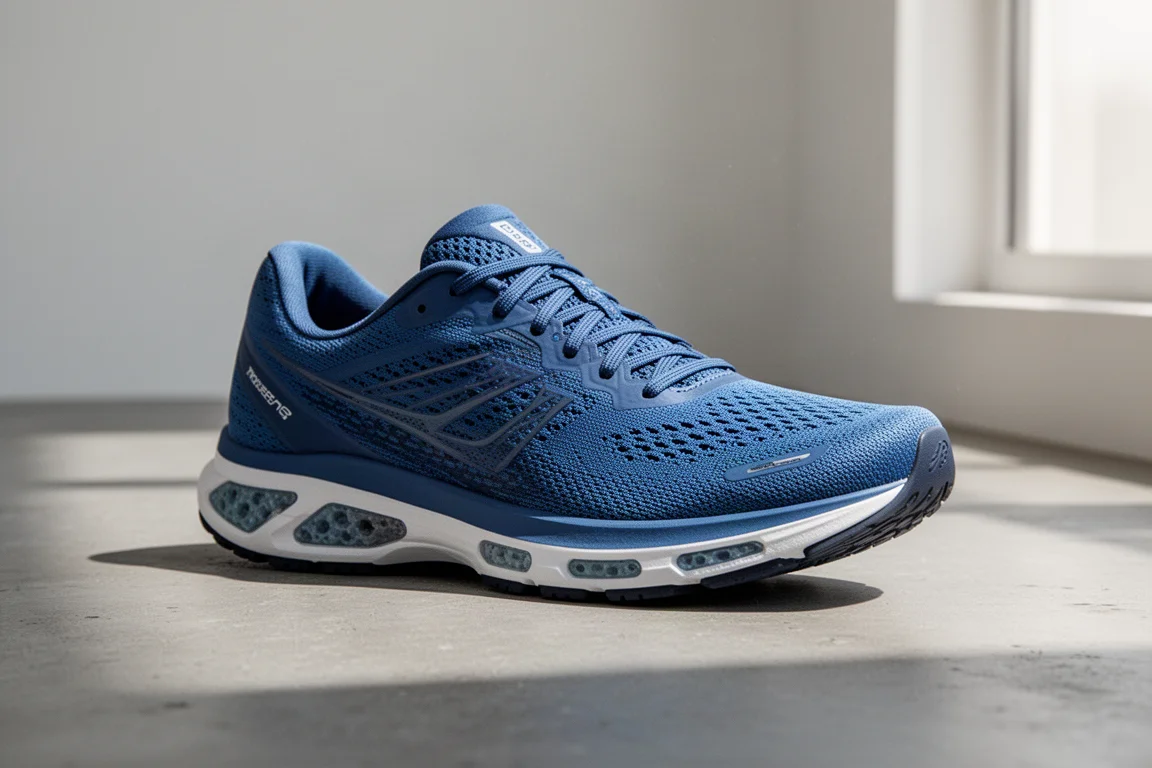
The Kinvara 13 is the lightest version yet at 7.2 ounces for a men’s size 9. Stack height comes in at 28.5mm in the heel and 24.5mm in the forefoot, which is lower than a lot of shoes today but still offers real protection. It works as a daily trainer for some, a workout shoe, and even a racing flat for many runners. Despite a decade of industry changes, it has kept its essence, though Saucony now markets it firmly with speed in mind.
Upper and Fit
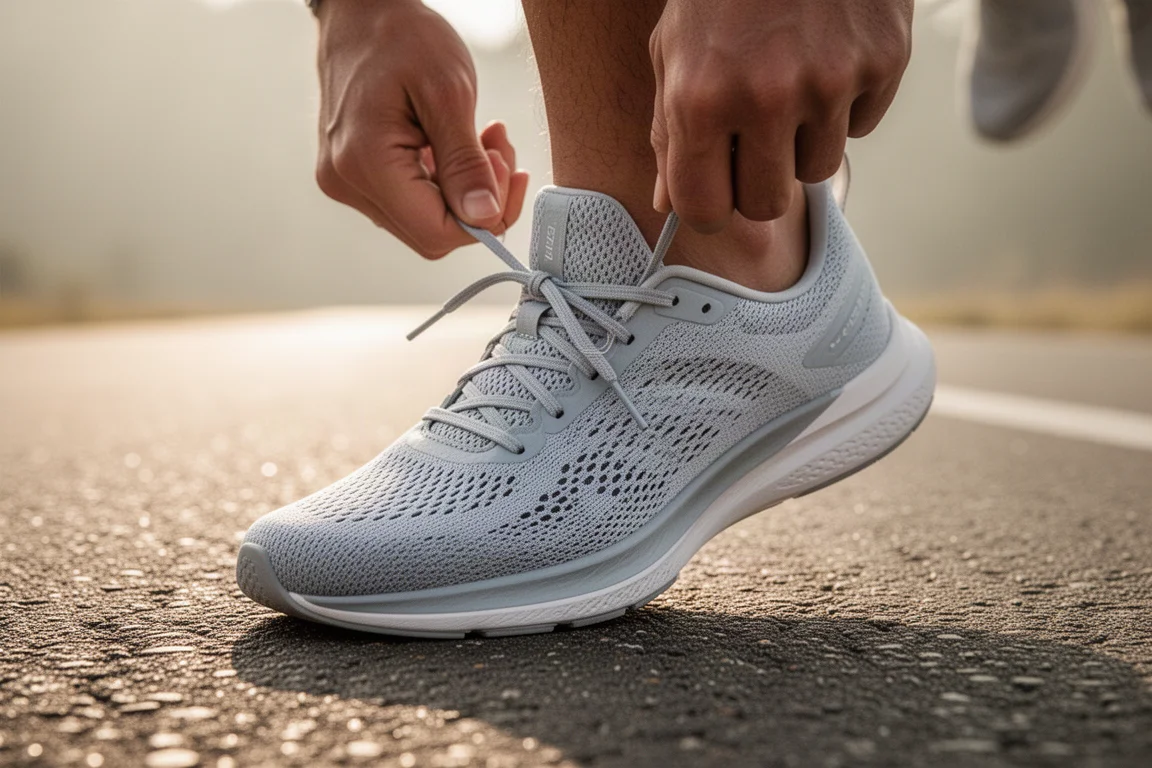
The big update in the 13 is the upper: the mesh and the tongue are entirely different from the 12. The new mesh is much airier and feels more like a plush premium trainer while somehow dropping weight. The tongue is a little more padded than the very thin tongue of earlier versions, which some runners found irritating. Support overlays remain, and the heel counter funnels into the sidewall much like the previous model.
Fit is still pretty normal: normal through the heel and midfoot, maybe slightly wide because of the material, with a normal toe box and forefoot. It is a hybrid between a performance fit and a plush trainer fit. You get a bit more forefoot room than in the 12 because the upper stretches slightly more, yet it still locks the foot down well. Runners with very wide feet may find it problematic, but for most people around a normal foot width it should work well.
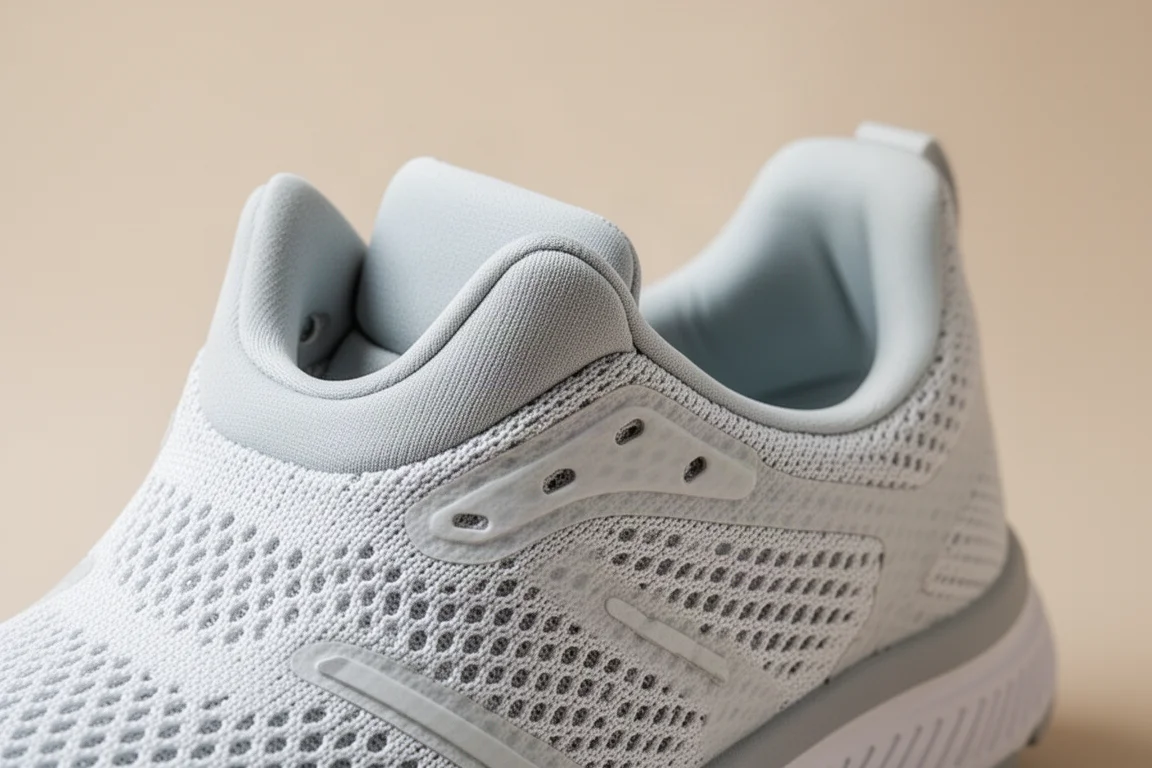
One caveat on the 12: its thin, single-layer upper did its job but felt a bit cheap, and in the original Kinvara generations the upper was often the first thing to fail while the sole held up. The airier mesh used here tends to last longer.
Kinvara 12: Still Worth a Look
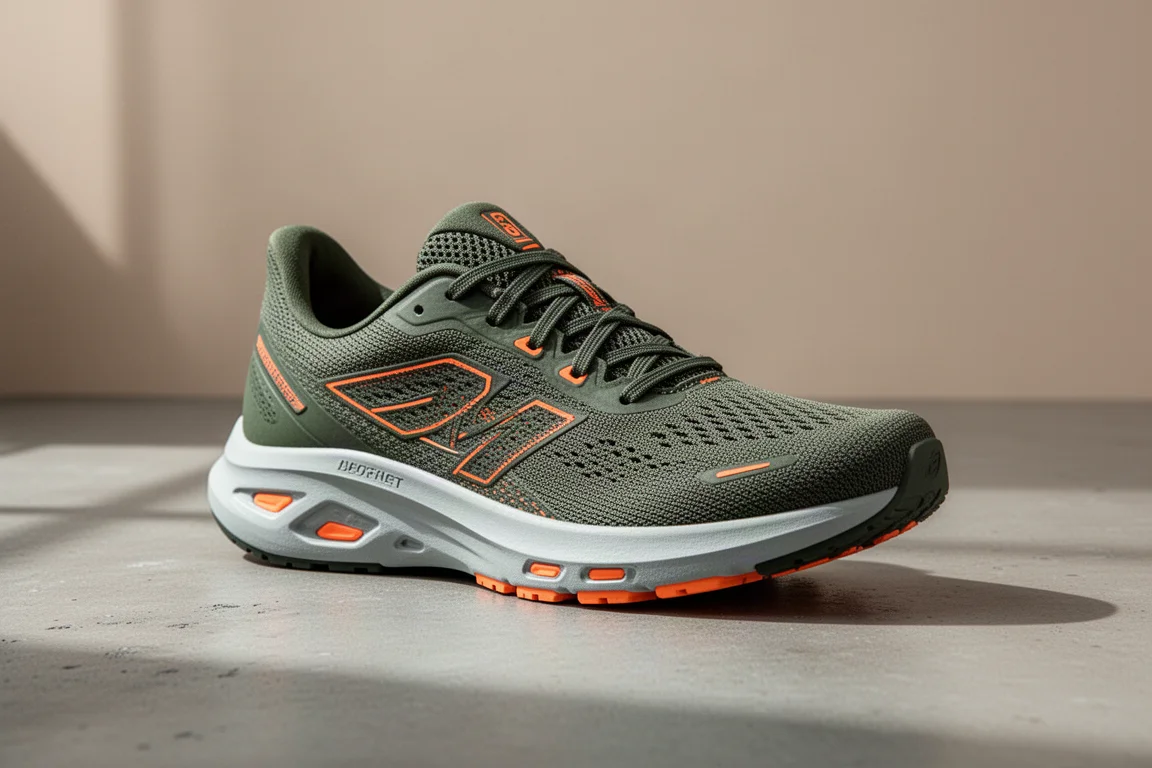
The Kinvara 12 was the big overhaul of the previous generation, and it remains a capable lightweight trainer. Its upper was fine but unremarkable, the ride balanced, and durability impressive: testers logged around 120 to 150 miles with the outsole still holding up well despite the large amount of exposed EVA. If you find it discounted, it is still a genuinely good shoe, just one that feels less plush and less structured than the 13.
Ride and Midsole
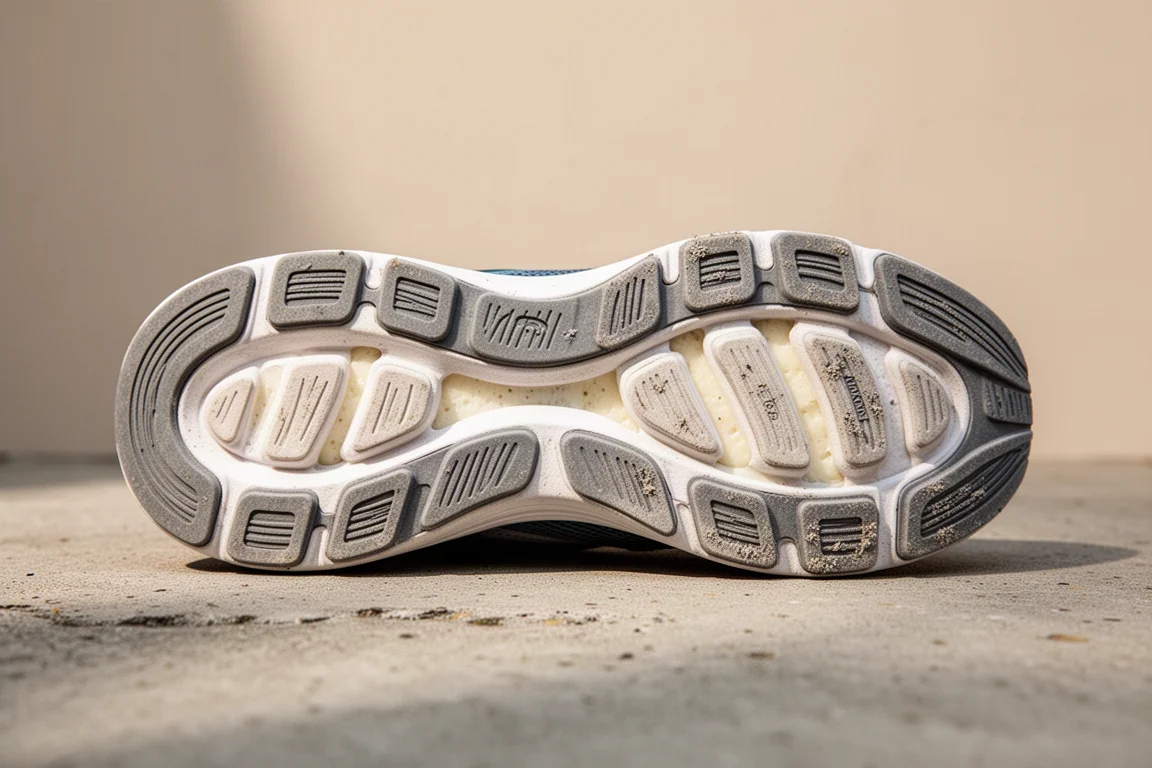
The midsole is a full EVA platform with a guidance line cutout, and rubber outsole coverage is limited: a bit posterolaterally at the heel and medially at the forefoot. The ride sits on the midline of nearly every category. It is not firm, it is not soft, and there is decent ground feel without being a barefoot-style experience. When you pick up the pace, it pops a little, and the beveled heel transitions fairly smoothly.

The one defining trait is flexibility. The forefoot is very flexible, which is noticeable, and at genuinely fast paces the forefoot can get a little slappy: you have to flex over it and push off rather than getting extra rigidity. That is the trade-off of a shoe that simply lets you do you, with no plate and no max stack. More outsole coverage could firm up the forefoot while keeping it flexible, but as it stands, track-style workouts are where it feels most stretched.
View more details for Saucony Kinvara 13
Durability and Transition Advice
Durability has always been a Kinvara strength. Even with so much exposed EVA, the outsole does not shred quickly, and testers report the 12 holding up well past 100 miles with no change in the outsole going into the 13.
The main warning concerns your legs, not the shoe. If you have been running in max cushion or stiffer shoes, take your time transitioning. Your feet will work in new ways with this much flexibility, and one tester reported fatigue after around eight miles before adapting over a week or so.
Conclusion
The Kinvara 13 is the better shoe for most buyers: it is lighter, the upper feels more plush and secure, and it keeps the balanced, flexible ride that made the line a favorite. The Kinvara 12 remains a smart budget-conscious pick if you can still find it, offering the same core ride with a less refined upper. If you want a no-plate lightweight trainer that rides the midline of every category, the Kinvara 13 is the one to get.
Further reading
Related Reviews

Running Shoes
Best Road-to-Trail Running Shoes: Three Versatile Options for Mixed Terrain
A practical guide to three road-to-trail running shoes that handle both pavement and mild trails, with clear strengths and trade-offs for different runner types.

Running Shoes
Best Running Shoes for Achilles Tendonitis: Three Options Explained
Three running shoes with different heel drops and support features designed to help reduce Achilles tendon pain during walking and running.

Running Shoes
Best Running Shoes for Women: Five Top Choices Ranked
A ranked guide to five women's running shoes, from versatile daily trainers to high-performance racing options, with real strengths and trade-offs for each.