Running Shoes
Saucony Kinvara 12 vs 13: A Lightweight Trainer Head-to-Head
Two iterations of Saucony's nimble lightweight trainer compared on weight, midsole feel, fit, breathability, and price.
Introduction
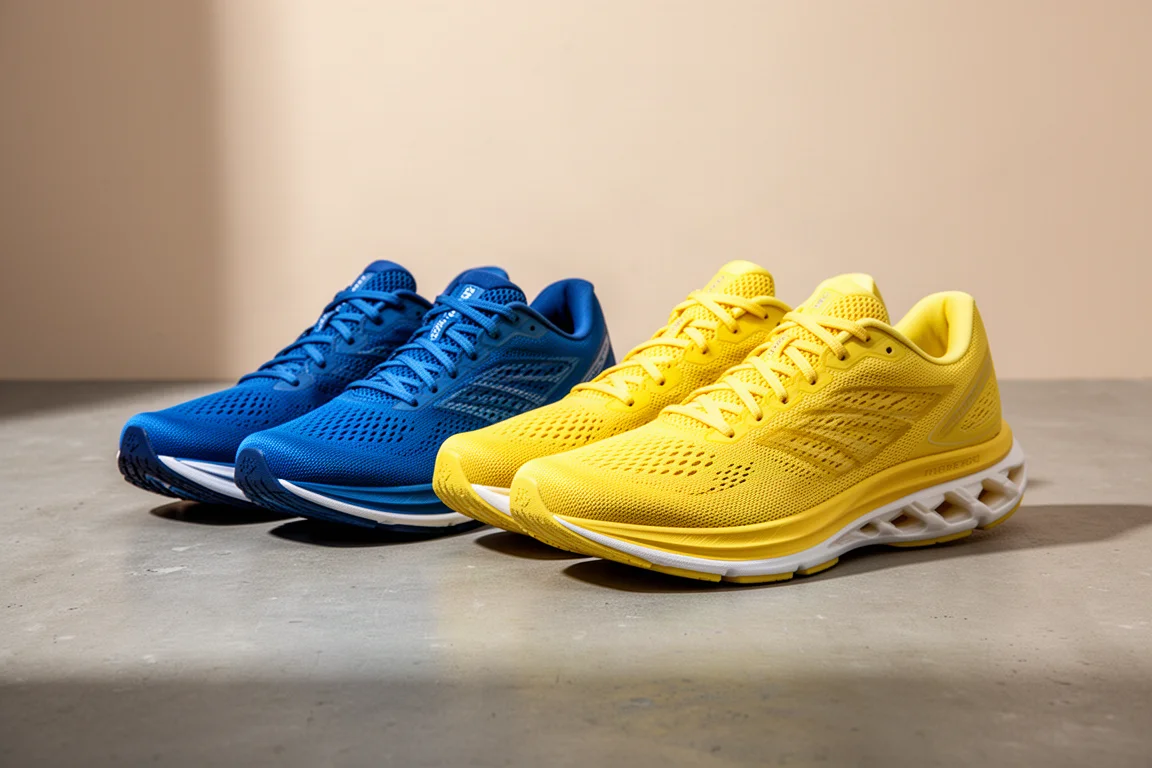
The Saucony Kinvara line has long been the go-to recommendation for runners who want a lightweight, nimble trainer that keeps them in control of their own gait. Neither shoe is especially peppy or cushioned; instead, both reward strong ankles and a confident foot strike with a fast, connected ride. Comparing the Kinvara 12 against the Kinvara 13 comes down to a handful of meaningful refinements, and in this comparison the newer model comes out ahead overall with a rating of 8.15 versus 7.2, winning eight of ten categories with two ties.
Weight and Midsole Feel
Weight is one of the clearest differences between these two shoes. Measured in a men’s size 9, the Kinvara 12 comes in at about 6.9 ounces, while the Kinvara 13 lands closer to 6.5 ounces. Nearly half an ounce lighter from one iteration to the next is a genuinely significant reduction, and it gives the newer shoe the edge here.
Both shoes share the same PWRRUN midsole material, but the Kinvara 13 measures slightly softer on a durometer scale, around 47 to 48, translating into a touch more bounce and pep. The Kinvara 12 reads firmer, in the low 50s. Neither shoe is soft, though: if you expect a plush ride similar to a max-cushion daily trainer, this is not it. One caveat worth remembering is that midsoles age, and exposure to air, sun, and the elements will harden the foam over time, so an older pair will always feel firmer than a fresh one.
Upper, Breathability, and Fit
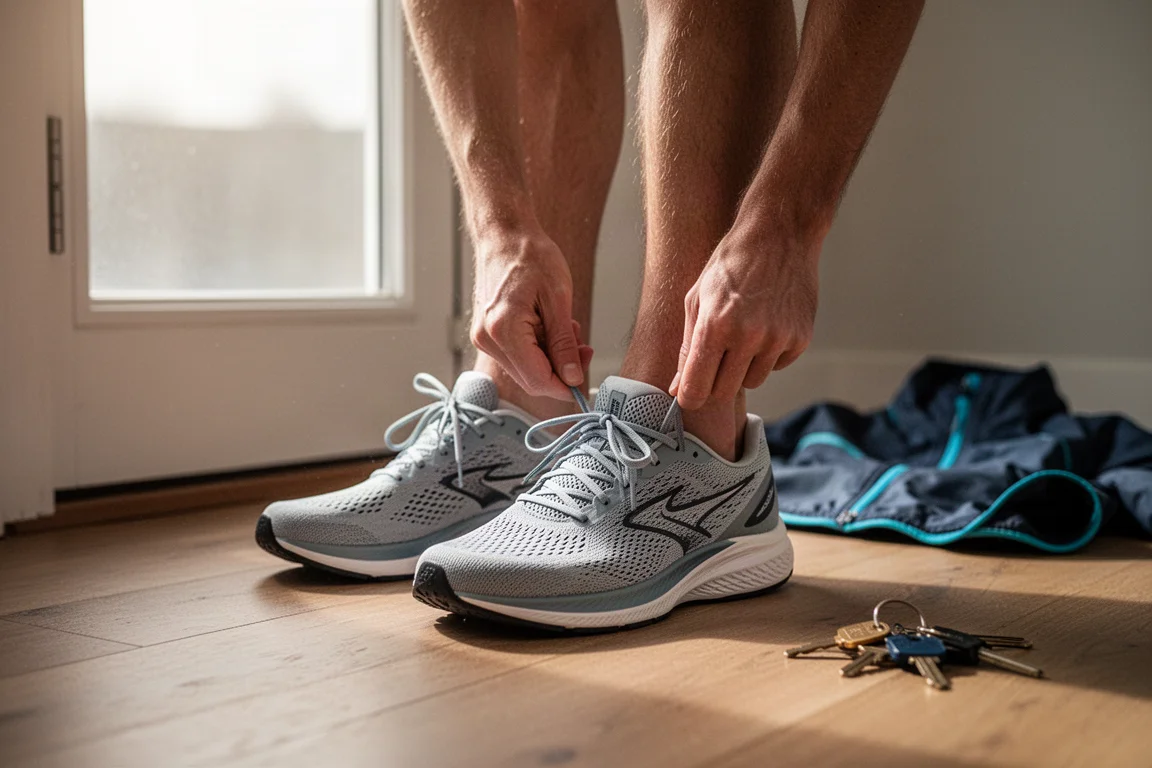
The upper is where the Kinvara 13 makes its biggest jump. Both shoes use an engineered mesh, but the newer version improves noticeably through the toe box, making it lighter, more breathable, and better suited to hot-weather running. Lockdown between the two is very similar, and the fit is excellent: the shoe wraps an anatomical foot well and locks in comfortably over the top.
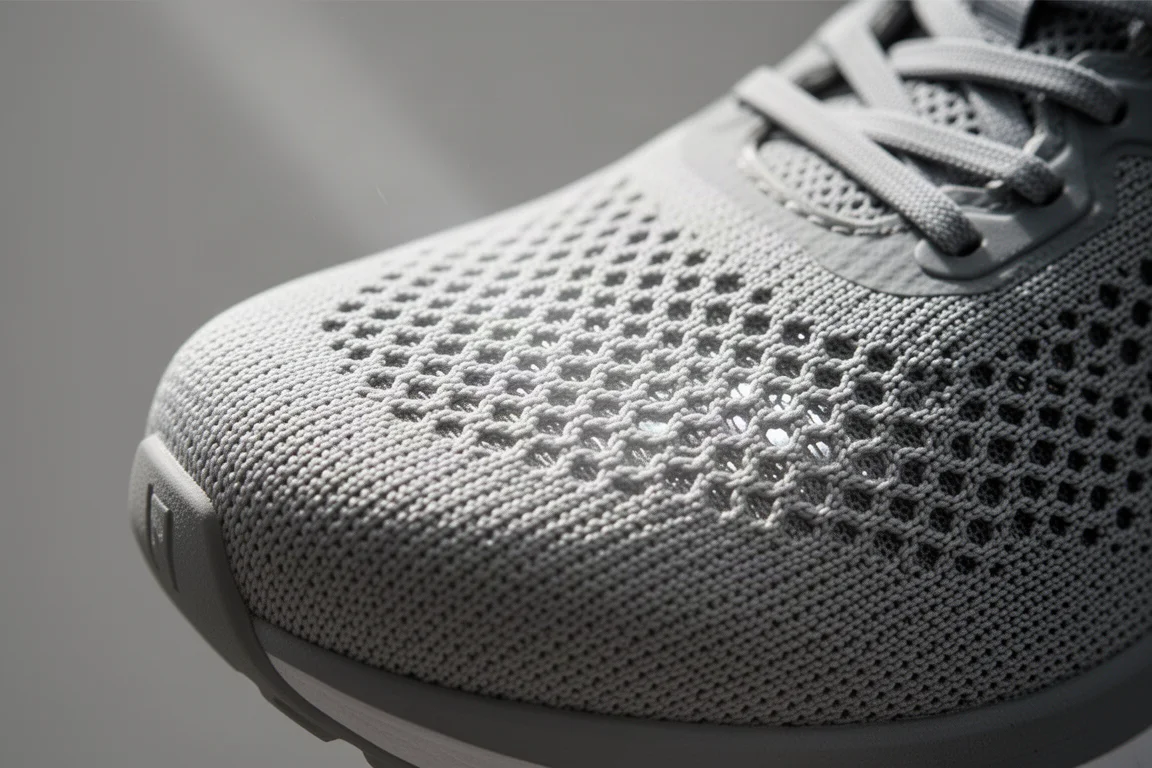
There is one trade-off to note. Runners who prefer a bit more heel lockdown may lean toward the Kinvara 12, whose heel counter offers a touch more security. Durability predictions also favor the Kinvara 13, largely thanks to the better-constructed upper; the older model’s upper simply feels less refined to the touch.
Outsole and Durability
The outsoles are essentially identical: the same pattern with exposed midsole foam paired with rubber. It is a design that favors low weight and road feel over longevity, so runners who want maximum outsole life may want to look elsewhere. That said, it is a configuration many runners love precisely because it keeps the shoe light and connected to the ground.
Who Each Shoe Suits
Both shoes are best described as tweeners. The Kinvara 13 works for track sessions like 800-meter repeats, tempo days, and even daily training, though it is probably too firm and minimal for very long distances. The key requirement is control: strong ankles and a stable foot strike are essential, because the shoe will not correct or support your biomechanics for you.

Price and Value
Straight out of the box, the Kinvara 12 launched at $110 versus $119 for the Kinvara 13, giving the older model the initial price advantage. On the current market, though, the picture has flipped: the Kinvara 12 has been spotted as low as $54, which is exceptional value for a shoe this capable. The Kinvara 13 remains near full price and will likely take another six months or so before meaningful discounts appear. Prices fluctuate with sales and inflation, so it pays to check current listings before buying.
Buying Advice
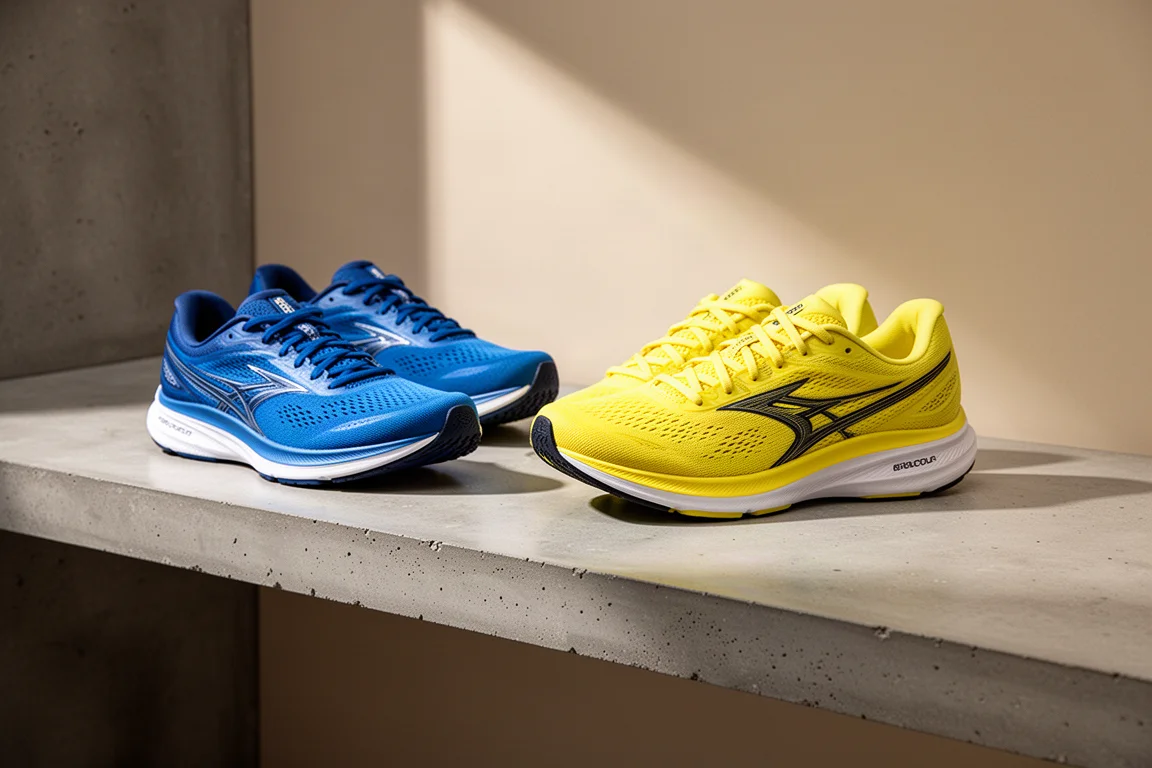
If you want the best overall shoe, the Kinvara 13 is the clear pick: lighter, more breathable, slightly softer underfoot, and better constructed in the upper. If you want maximum value, a discounted Kinvara 12 remains a very capable lightweight trainer, especially for runners who prioritize heel lockdown. Saucony made a great jump from the Kinvara 11 to the 12, and a solid, if more incremental, jump from the 12 to the 13.
Conclusion
The Saucony Kinvara 13 wins this comparison decisively, taking eight of ten categories with the remaining two tied, thanks to its lighter weight, improved upper, and slightly livelier midsole. The Kinvara 12 still makes sense at clearance prices for budget-focused runners who want a bit more heel security. Either way, you are getting a nimble, controlled ride that rewards strong, efficient running form.
Product link
View more details for Saucony Kinvara 13
This product is mentioned in the review. Check the specifications, options, and compatibility before buying.
View more details for Saucony Kinvara 13Further reading
Related Reviews

Running Shoes
Best Road-to-Trail Running Shoes: Three Versatile Options for Mixed Terrain
A practical guide to three road-to-trail running shoes that handle both pavement and mild trails, with clear strengths and trade-offs for different runner types.

Running Shoes
Best Running Shoes for Achilles Tendonitis: Three Options Explained
Three running shoes with different heel drops and support features designed to help reduce Achilles tendon pain during walking and running.

Running Shoes
Best Running Shoes for Women: Five Top Choices Ranked
A ranked guide to five women's running shoes, from versatile daily trainers to high-performance racing options, with real strengths and trade-offs for each.