Running Shoes
Saucony Hurricane 26 vs 25: Big Weight Drop, New Foam, and a Very Different Ride
After 70-plus miles in the Saucony Hurricane 26, here is how it compares with the Hurricane 25 on weight, foam, stability, and fit, and which one makes more sense for you.
Introduction
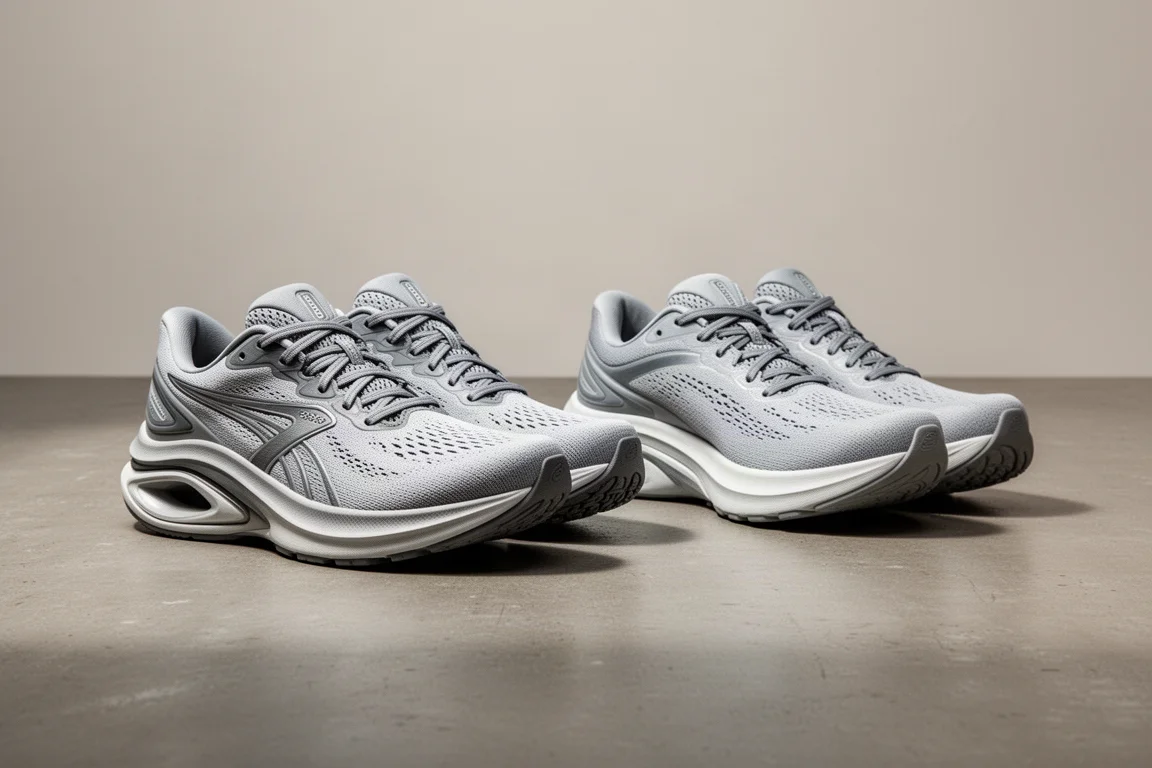
The Saucony Hurricane 26 is one of the more interesting stability updates in recent memory. After 70-plus miles in the shoe alongside the Hurricane 25, the headline is simple: a big weight drop, a firmer and far more responsive foam, and a stability setup that finally feels like it belongs in the modern stability conversation. If you own the 25 and are wondering whether to upgrade, or you are deciding between the two, the differences are big enough to matter.
Specs and Weight
In a men’s size 10, the Hurricane 26 weighs 9.6 oz (about 272 g), while the Hurricane 25 comes in at 10.6 oz (about 300 g). That is a substantial drop, and it is very noticeable on the run. The 25 was already on the lighter side for a stability shoe, so the 26 now sits among the lightest stability shoes available, with only a few lighter options such as the Altra Flow ST in the 8-oz range.
Stack heights are listed by Saucony as identical for both versions: 41 mm in the heel and 35 mm in the forefoot. Independent measurements suggest roughly 41 mm in the heel on both shoes, so despite very different designs underfoot, the overall platform height is similar.
Saucony Hurricane 26: What Changed
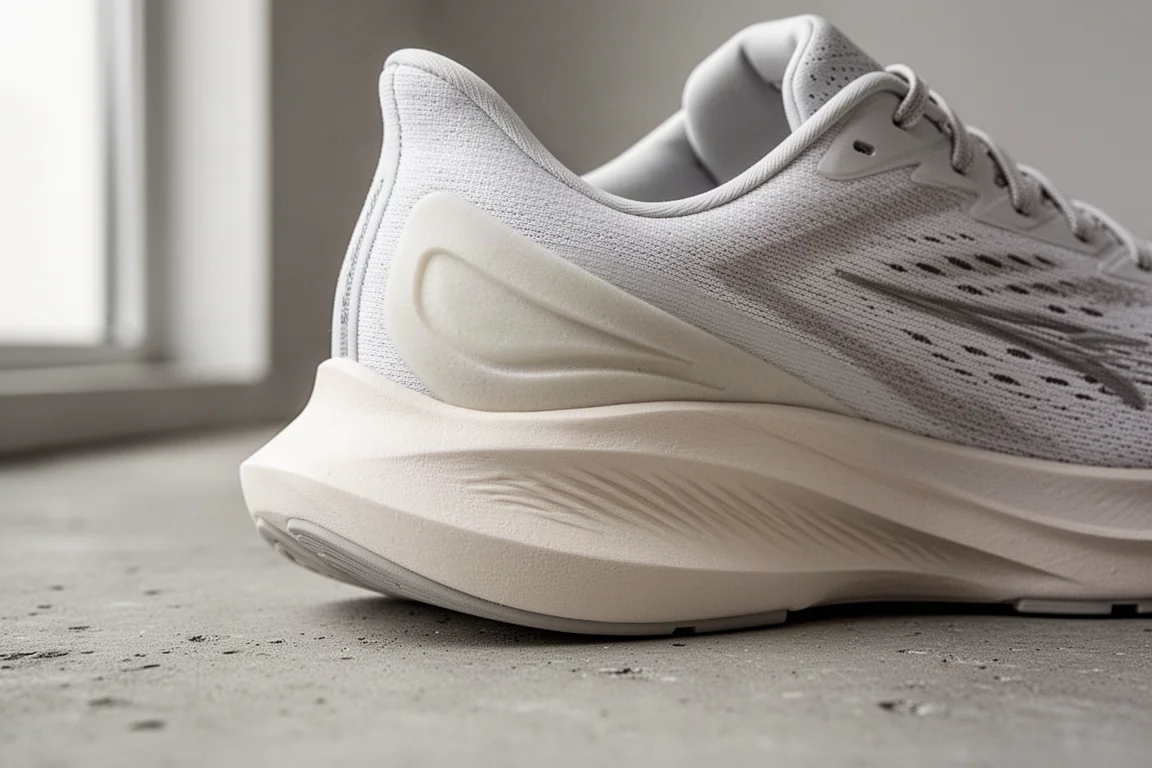
The biggest upgrade is the foam. The Hurricane 26 moves to a foam called Incredible Lux, an ATPU-based midsole, replacing the PowerRun PB found in the 25. PowerRun PB in training shoes was often very soft, and in the Hurricane 25 that softness worked against it: the shoe sank underfoot and lost some of its stability, because firmness is inherently more stable. The ATPU foam is firmer yet still well cushioned, and far more responsive. Press into it and it bounces straight back instead of letting you sink in.
The heel bevel is also more centered than the large, softer-feeling bevel of the 25, which helps keep you more centered over the shoe. Flexibility is similar, though the 26 is a touch stiffer thanks to the firmer foam, with a good heel rocker and a slightly better forefoot rocker. If you prefer a bit more flex, the 25 has the edge, but neither is an overly flexible shoe at this stack height.
Stability Done the Modern Way
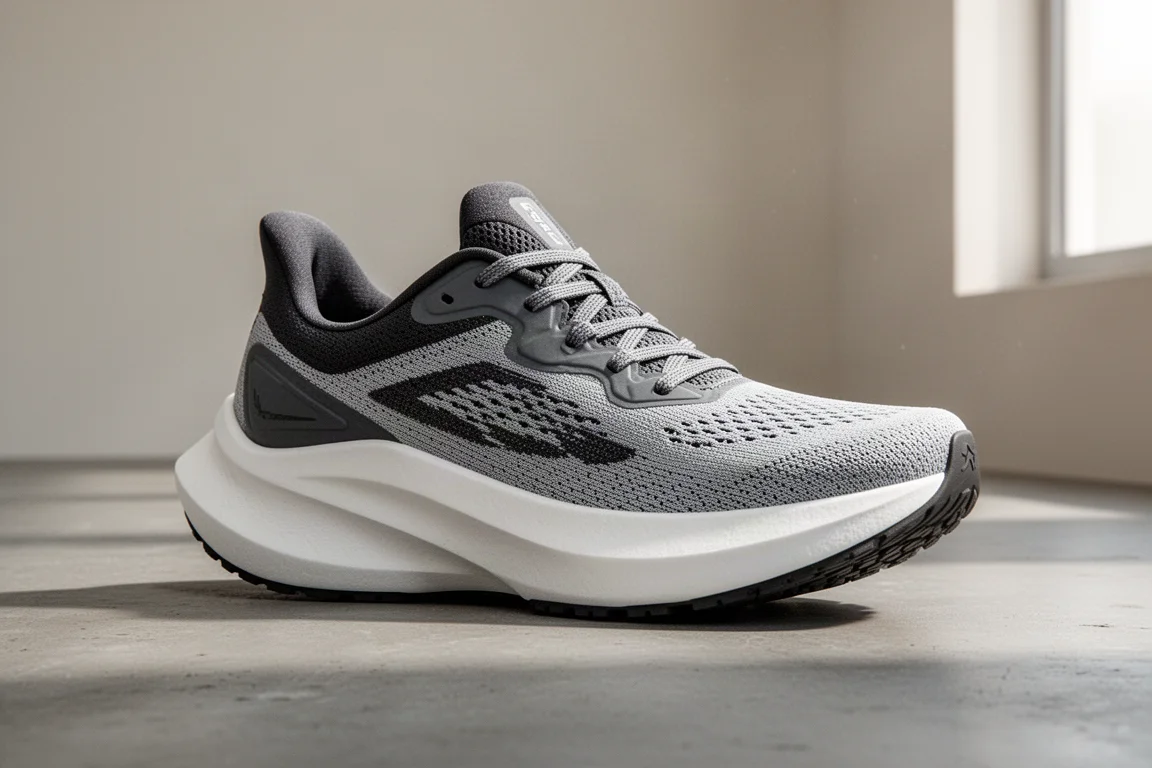
Both shoes use a similar EVA frame, called the PowerRun frame, that rises along the medial side to support the heel and midfoot and provide resistance to excessive motion. Both also have large sidewalls, though the 26’s are more prominent because the firmer foam pushes back more. The platform is wide, filled in on the medial side and slightly cut out on the lateral side, which creates a mild lateral bias in the heel and midfoot.
The standout feature is the Center Path concept: softer, more resilient foam in the center channel, with firmer foam filling in on both sides toward the forefoot, keeping the forefoot very centered. In the 25 this was muted because the shoe was so soft. In the 26, with the responsive foam, it is clearly noticeable and genuinely effective. The result is a moderate-stability shoe that supports without aggressively pushing your foot around, and one that lets you bounce out of end-range pronation rather than sitting in it, which is much closer to how stability is understood today.
Ride and Pace Versatility
This is where the two versions diverge most. The Hurricane 25 was realistically an easy-run shoe only. The Hurricane 26 has handled fartleks, tempo runs, long runs, and easy days. It is light, has a true super foam with real responsiveness, and offers enough inherent stiffness without needing a plate. If you want a marathon shoe and the stable-neutral options on the market are not stable enough for you, the 26 is a strong candidate, even for longer races.
If you love a soft, sink-in feel, the 25 is still the better pick. It keeps more of that plush cushion and gentle collapse underfoot, whereas the 26 is much more responsive than it is soft.

Upper and Fit
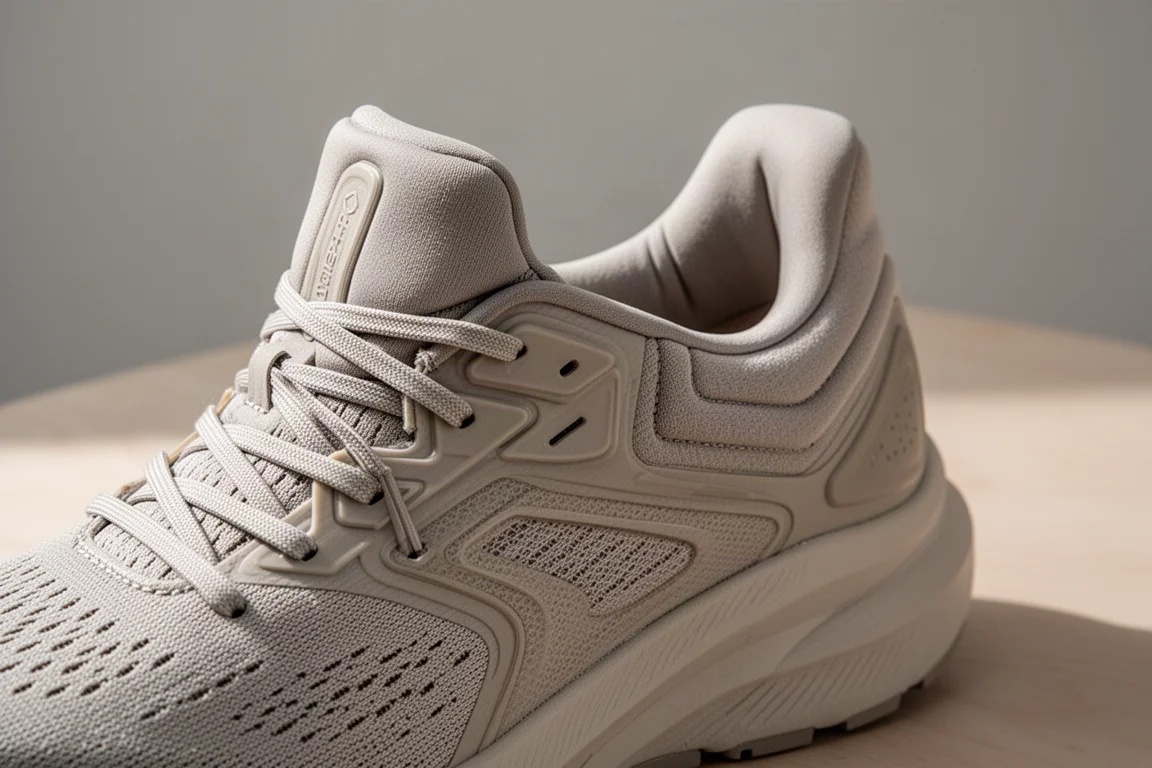
The upper is a clear improvement. The 25 looked wide in the forefoot but had low volume, which left toes feeling cramped despite the rounded shape. That is gone in the 26. The new upper has higher volume that adapts to the foot, but the forefoot is a bit more normal in width, so runners with narrow to slightly narrow feet will likely be happier here, while wider feet may still prefer the 25.
Lockdown is excellent. Laces do not need to be cinched hard, and heel security held even with a heel lift inserted to offload an irritated Achilles, helped by the shoe’s 6 mm drop. There is generous padding around the heel and a fairly stiff heel counter, worth knowing if you are sensitive there, though it did not cause problems during testing.
Which One Should You Buy
Choose the Hurricane 26 if you want a light, responsive, stable daily trainer that can also handle uptempo work and long-distance racing. Choose the Hurricane 25 if you prioritize a softer, more flexible, sink-in ride and have wider feet. Avoid the 26 if you are sensitive to lateral bias in the heel and midfoot, since that is baked into its design. A wide version of the 26 has not been confirmed, so runners needing extra width should keep that in mind.
Conclusion
The Hurricane 26 is what a modern stability shoe should be: light, responsive, thoughtfully stable, and versatile enough for almost any run in a training week. It is one of the strongest stability shoes of the year, and for most runners weighing up an upgrade from the 25, the combination of the weight drop and the new foam makes a compelling case. Runners who loved the plush feel of the 25, however, may want to hold on to it.
Further reading
Related Reviews

Running Shoes
Best Road-to-Trail Running Shoes: Three Versatile Options for Mixed Terrain
A practical guide to three road-to-trail running shoes that handle both pavement and mild trails, with clear strengths and trade-offs for different runner types.

Running Shoes
Best Running Shoes for Achilles Tendonitis: Three Options Explained
Three running shoes with different heel drops and support features designed to help reduce Achilles tendon pain during walking and running.

Running Shoes
Best Running Shoes for Women: Five Top Choices Ranked
A ranked guide to five women's running shoes, from versatile daily trainers to high-performance racing options, with real strengths and trade-offs for each.