Running Shoes
Saucony Hurricane 26 Review: Max Cushion Stability With More Bounce
The Hurricane 26 adds a new Incredilux foam layer to Saucony's top stability shoe, making it lighter, softer and a little more energetic while keeping its supportive wide platform.
Introduction
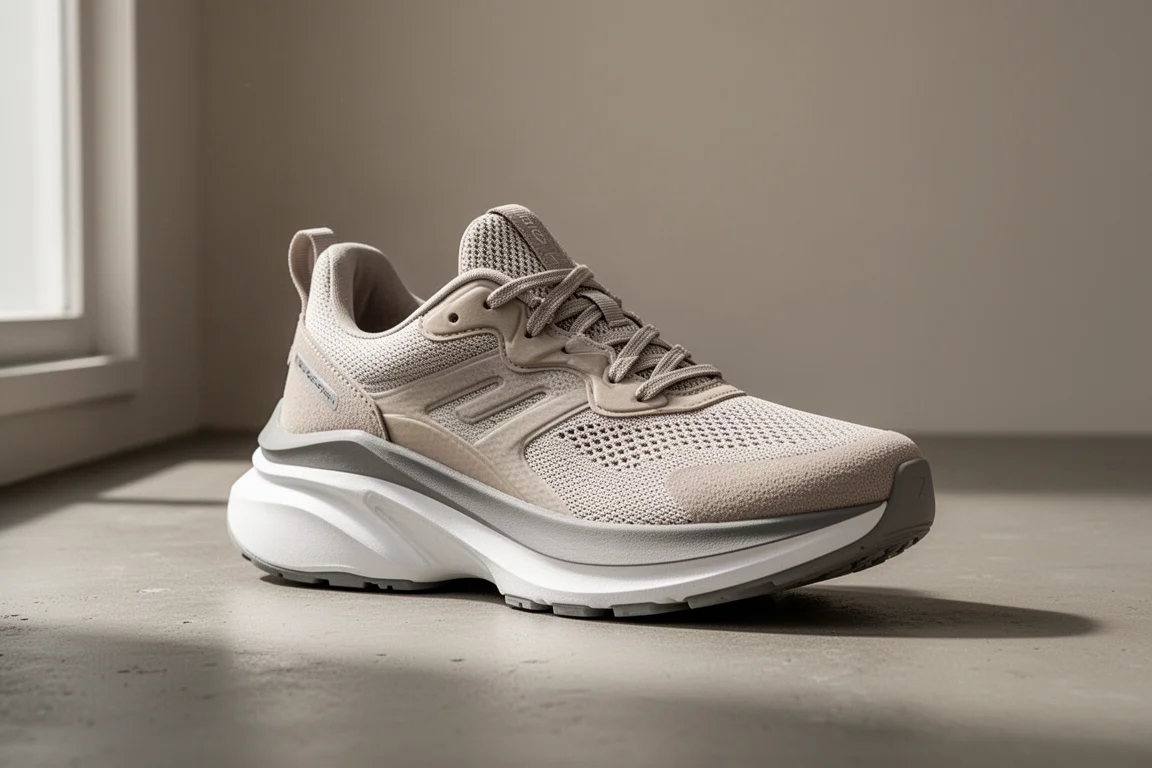
The Saucony Hurricane 26 is the latest version of Saucony’s top stability shoe, and it arrives with a fairly big makeover. The headline change is a new foam introduced into the midsole, which makes the shoe lighter and a little more fun without changing what it is: a big, comfortable, supportive cruiser designed mainly for easy efforts. It is also a fairly expensive shoe, priced at £170 in the UK and $170 in the US.
Spec-wise, it weighs in at 274g (9.7 oz) in a UK size 9/US 10, which is a fair bit lighter than its predecessor. You get a 6mm drop and a stack height of 41mm at the heel and 35mm at the forefoot. Across around 40 to 50km of testing, covering slow and easy runs, mixed-pace sessions and a 90-minute run, the Hurricane 26 proved to be one of the more springy and enjoyable stability shoes around, even for testers who generally prefer something more stripped back.
Design and Midsole: Two Foams, One Platform
The midsole is made from two materials. At its core sits a new aliphatic TPU foam, also used in the Saucony Triumph 24. It is bouncier, lighter and more energetic than the PWRRUN PB foam used in the core of previous Hurricane models. Around that core, Saucony retains the same PWRRUN frame of firmer, slightly less exciting foam, along with high sidewalls and additional PWRRUN on the medial side to support the foot and help stop it rolling inwards for overpronators.
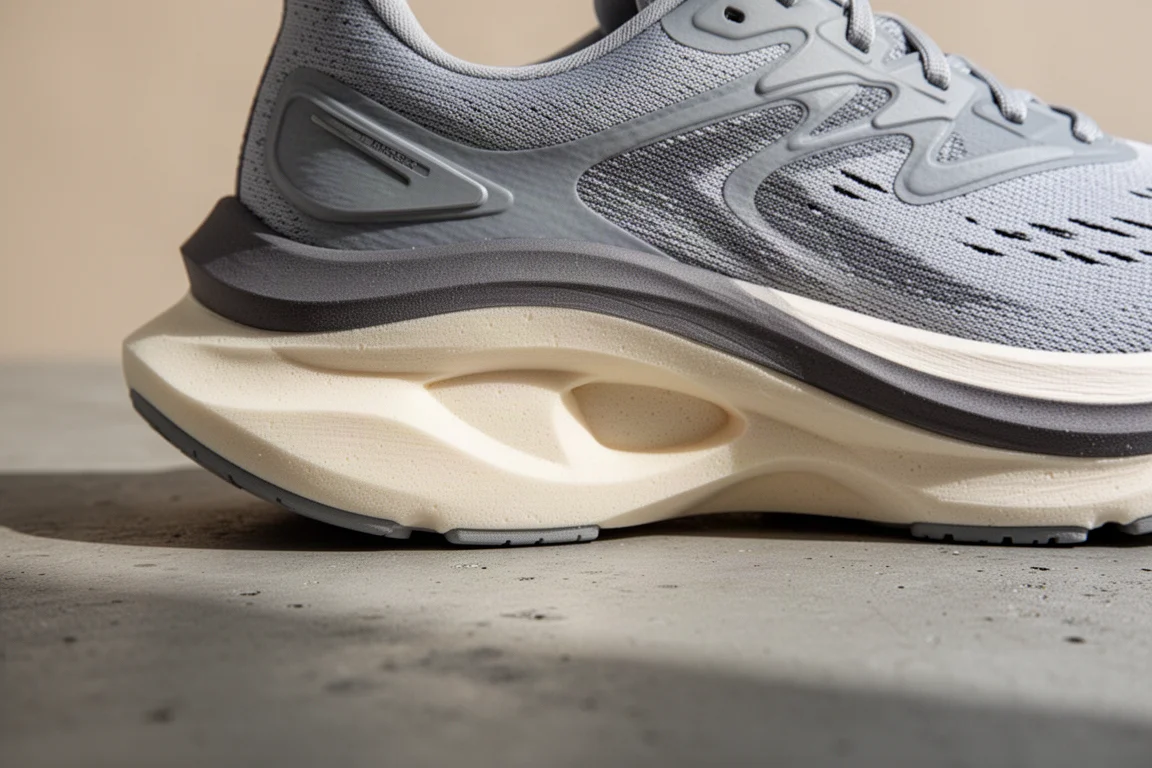
The outsole is a thick layer of XT-900 rubber with quite a lot of exposed foam at the bottom of the shoe, but the rubber covers all the key areas around the heel and forefoot. The combination of the softer core foam and the PWRRUN frame works really well: the frame controls the bouncier foam nicely, so you get energy back without being fired off all over the place. Compared with its predecessor, the ride feels softer and bouncier, with a little more energy return, though it is not a massive deviation from the Hurricane 24 and 25.
Fit and Upper
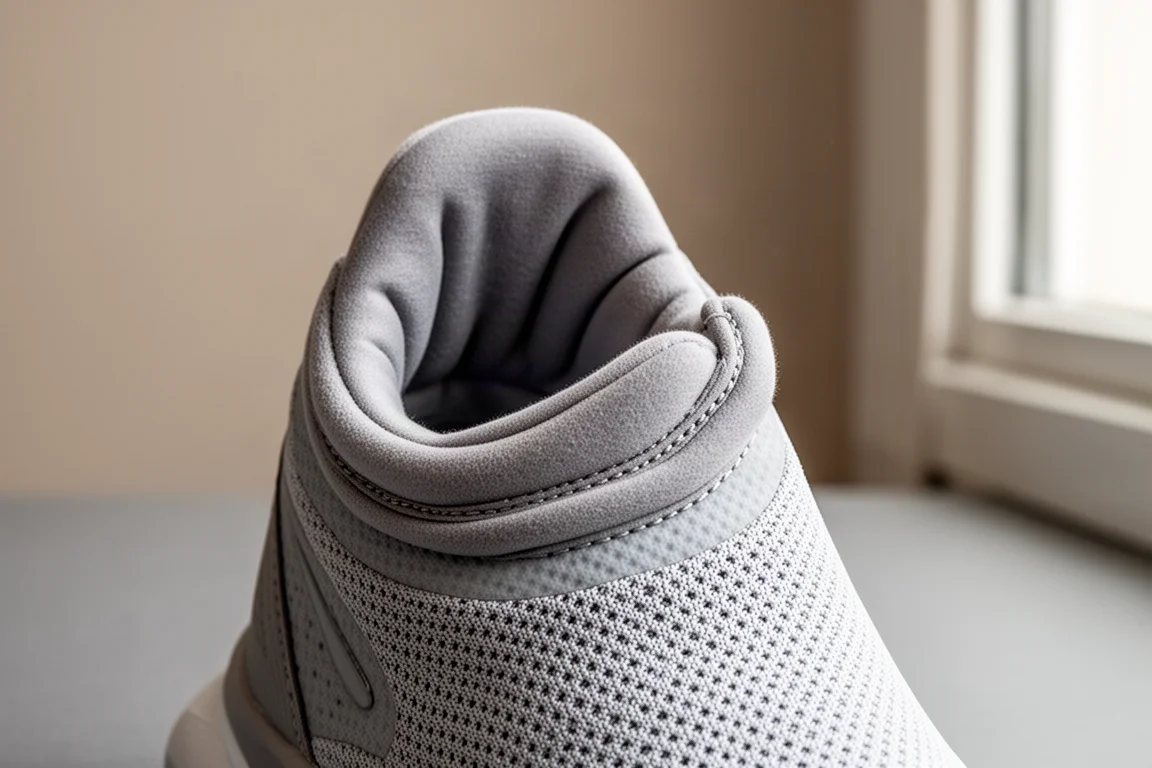
The upper is a mesh design with lots of padding on the tongue and collar, plus fairly thick material around the forefoot. This is a comfort-first shoe, and it shows. One tester described it as probably one of the most comfortable shoes ever worn, with no issues on the run at all.
There is plenty of space for the toes, with lots of volume in the upper, a roomy forefoot and an average-width midfoot. That generous toe box gives the shoe strong long-run credentials. The heel and midfoot hold well, with big plush padded heel collars and a well-padded tongue that lets you lock the laces down for good midfoot security.
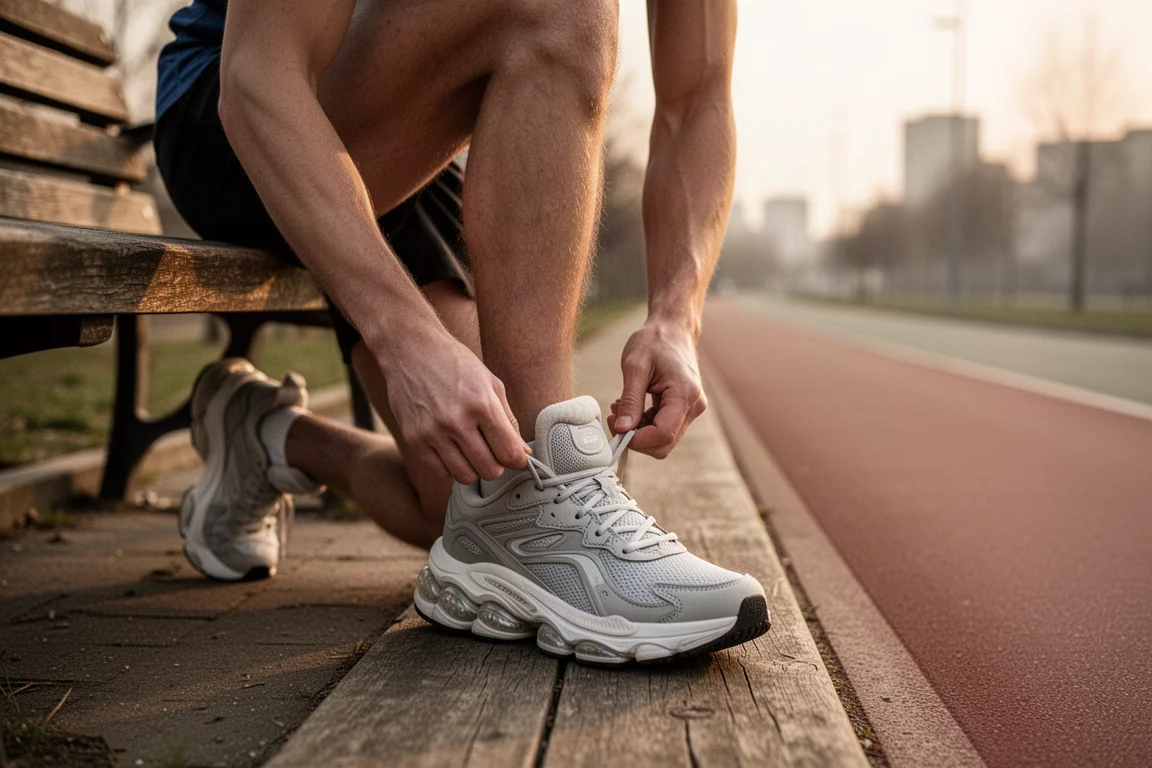
There are two small caveats. The padding is more than some runners personally like, and the shoe can feel a little loose across the back of the toes and into the bottom of the midfoot, so it is not as locked-in as some shoes. If you want a snug fit in that section, this will not deliver it. On sizing, stick to your normal running shoe size: testers in UK sizes 8, 8.5 and 9 all found their regular size worked well, with good hold around the heel and no sense that the shoe ran too big. Unless you run in very hot conditions, the upper should not feel too hot either.
Ride and Performance
Out of the box, the Hurricane 26 is unmistakably a big shoe. It has a giant stack, increased volume, and a really wide platform, and it is one of the biggest shoes many testers have run in. But in the stability bracket, the performance is genuinely interesting. This is far livelier than the blocky, tame and firmer options typically found on the stability shelves, and it ranks among the most springy stability shoes tested, with more life and energy than you would expect from a shoe this size.
At easy and slower paces, it is plush, cushioned and comfortable, soaking up the road with that big pillowy platform. It also handled paces up to around 7:30 per mile, roughly a minute per mile slower than a marathon pace target, surprisingly well, and even created a bit of an urge to go faster. Beyond that, though, it is still a big, bulky shoe with too much underfoot for genuinely fast efforts.
The wide platform gives a reliable base to run off, and the midfoot central guiding system holds a reliable straight line from touchdown to toe-off. There is a cradle feel underfoot with some movement in the footbed, but testers did not find themselves rolling off the cradle, even on a bumpy river path and light off-road. Stability is delivered subtly: if you do not need it, you barely notice it, and if you do, it kicks in when required. It is marginally less stable than the Hurricane 25 in fine detail, but the difference is small and appears to be offset by tweaks around the softer foam.

How It Compares
Against the previous Hurricane 24 and 25, the 26 is a step up purely thanks to the new midsole foam, which makes the shoe lighter and a little more fun. It will be used for exactly the same kinds of runs as before: comfortable daily and long runs with support as a priority. It has not become an all-rounder; it remains a big shoe best at easy paces, a bit lumbering if you push on.
In the wider stability market, the Hurricane 26 sits alongside the Nike Structure Plus, ASICS GEL-Kayano 33 and the cheaper Puma ForeverRun Nitro 2, all of which use similar dual-foam systems for stability without medial posting. The Hurricane offers a smoother ride than the Structure Plus, which is slightly snappier and less rockered, while both have a bit more bounce than the core foam in the Kayano 33. The Hoka Arahi line (the 8 and 9) offers a lighter, smoother, more versatile option for faster paces, and the ASICS GT-2000 15 is a more versatile stability shoe at a lower price, though it lacks the max-stack cushioning here. If you do not need stability at all, the Saucony Triumph 24, with its full aliphatic TPU midsole, is the livelier pick.
Who Should Buy It
The Hurricane 26 is best suited to runners who want maximum cushioning with a good level of stability in one shoe. Overpronators get a genuinely good amount of support from the PWRRUN frame and wide base. Neutral runners who simply want a bit of extra support for long runs and big marathon training mileage will also get on well here; the subtle stability works for both groups.
It is less suitable if you prefer a lighter, more agile shoe for faster runs, or if you want a stripped-back, snug upper. Think of it as an easy-pace cruiser to slot into a rotation alongside faster shoes, rather than an everyday do-everything trainer.
Verdict
The Saucony Hurricane 26 is a good upgrade to a good shoe. The new foam adds softness and a touch more energy return, the shoe is lighter than before, and the minor loss in stability is offset by the way the midsole has been tuned. It avoids much of the clumpiness of traditional stability shoes and delivers a max-cushion ride with real energy coming back, which few stability shoes manage.
If you are looking for a cushioned cruiser with stability built in, this is one of the best options available. Just respect its limits: this is a shoe for easy miles, long runs and marathon training, not for picking up the pace.
Product link
View more details for Saucony Hurricane 26
This product is mentioned in the review. Check the specifications, options, and compatibility before buying.
View more details for Saucony Hurricane 26Further reading
Related Reviews

Running Shoes
Best Road-to-Trail Running Shoes: Three Versatile Options for Mixed Terrain
A practical guide to three road-to-trail running shoes that handle both pavement and mild trails, with clear strengths and trade-offs for different runner types.

Running Shoes
Best Running Shoes for Achilles Tendonitis: Three Options Explained
Three running shoes with different heel drops and support features designed to help reduce Achilles tendon pain during walking and running.

Running Shoes
Best Running Shoes for Women: Five Top Choices Ranked
A ranked guide to five women's running shoes, from versatile daily trainers to high-performance racing options, with real strengths and trade-offs for each.