Running Shoes
Saucony Guide 18 vs Nike Structure 26: Two Comfortable Daily Stability Shoes Compared
Two similarly priced moderate stability trainers with very different rides. Here is how the Saucony Guide 18 and Nike Structure 26 stack up for easy miles and everyday training.
Introduction
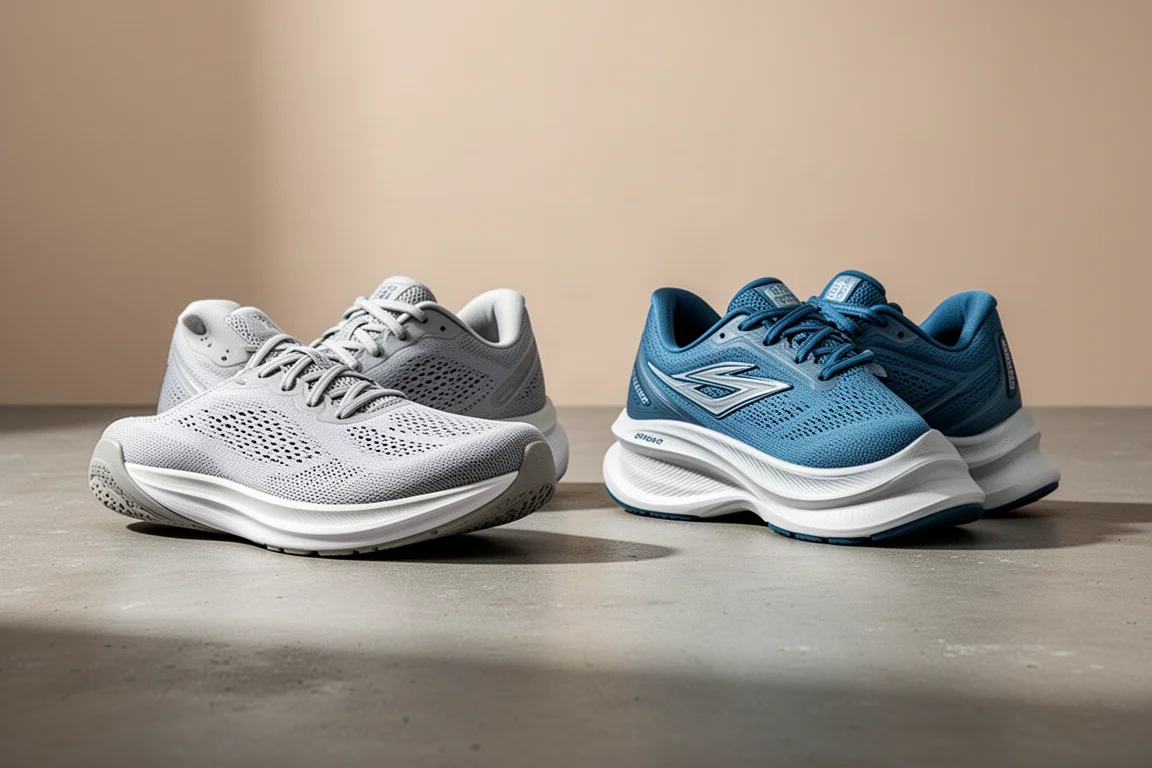
Stability running shoes have changed a lot in recent years. The best modern options no longer feel like stiff, obvious correction shoes; they feel like genuinely good daily trainers that happen to include supportive elements. Two shoes that sit firmly in that category are the Saucony Guide 18 and the Nike Structure 26. They are almost exactly the same price in both the UK and the US, they target the same moderate-stability, comfort-first runner, and they share a lot of design DNA. That makes the choice between them genuinely difficult, so this comparison focuses on the one thing that really separates them: the feel of the ride.
Specs at a Glance
The Saucony Guide 18 costs £130 or $140, weighs 278 g (9.8 oz) for men in a size 8, and has a 6 mm drop. The Nike Structure 26 costs £129.99 or $145, weighs 298 g (10.5 oz) in the same size, and has a 10 mm drop. On paper they are close, and in practice they are closer still.
Saucony Guide 18: Comfort First
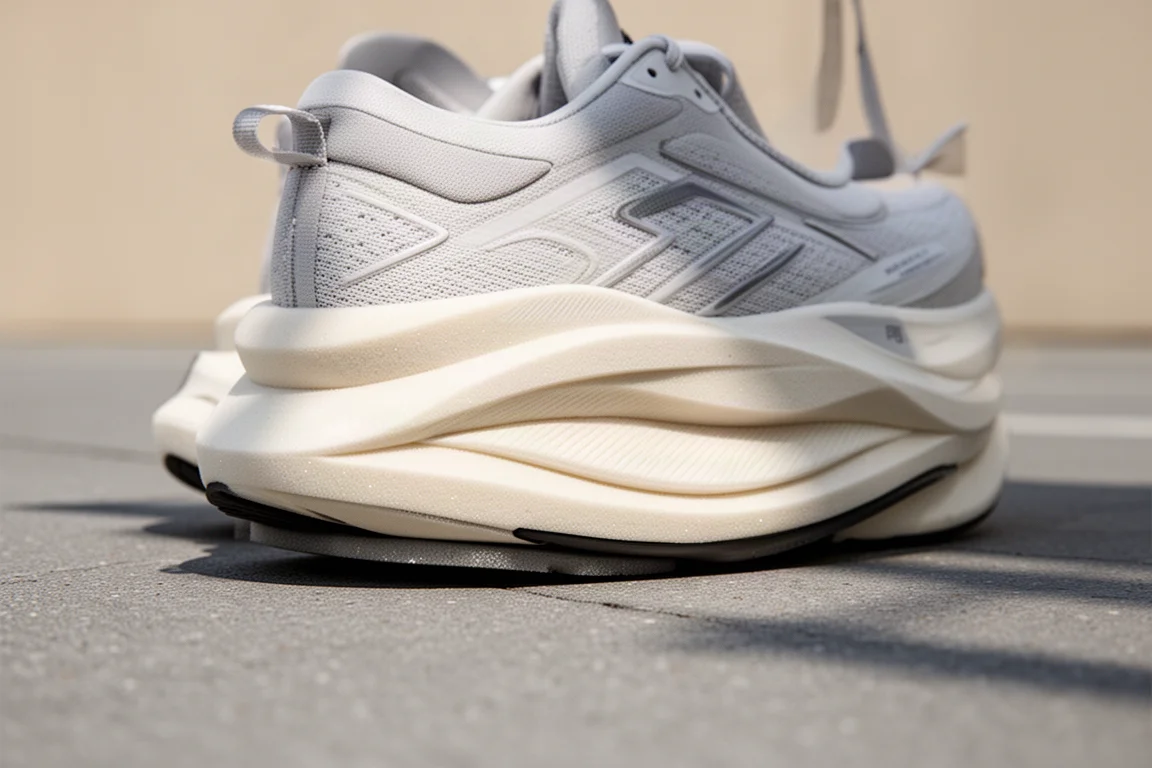
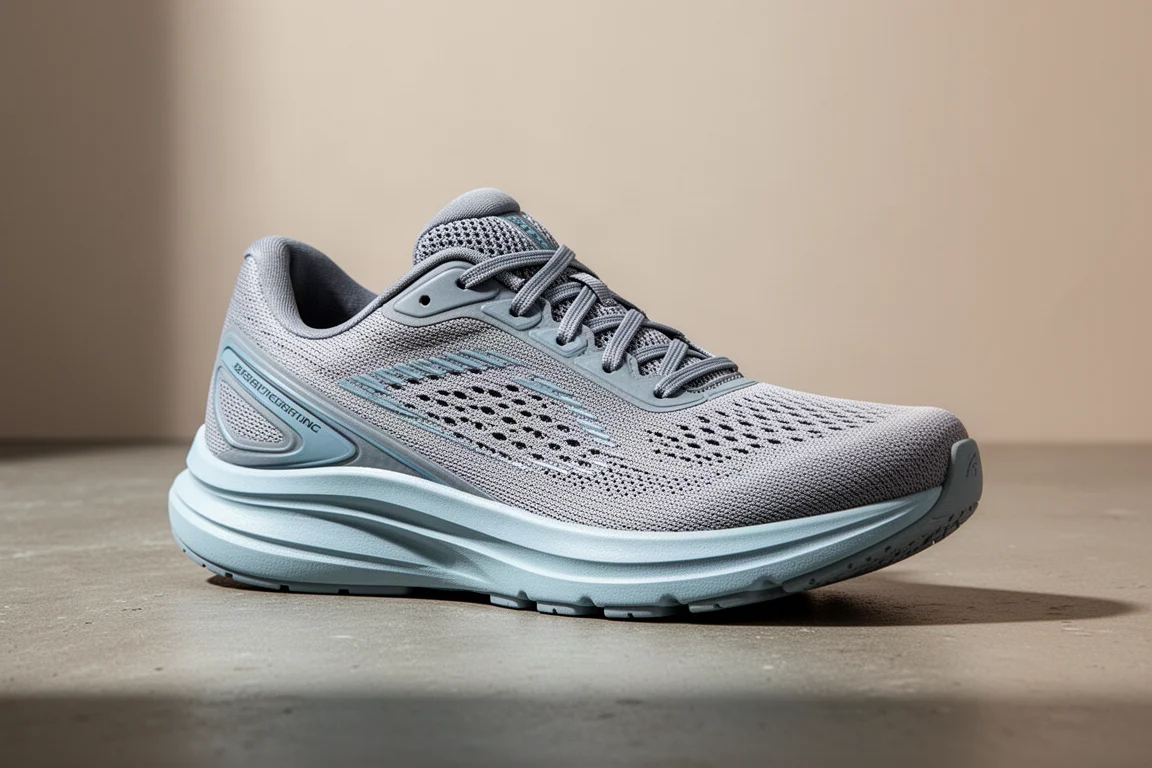
The Guide 18 is a moderate stability shoe built for daily training and comfort. Support comes from Saucony’s center path technology: a wide platform of PWRRUN foam combined with high sidewalls that hold the foot securely in place. A softer PWRRUN+ sock liner sits inside the shoe to improve the comfort of the ride. Key updates include a new breathable engineered mesh upper, a redesigned heel collar for a better fit, and modestly placed rubber zones on the outsole for grip. The shoe is also available in a wide version.
On the road, it is best described as an easy-day and long-run shoe with a really wide base and a smooth rocker. The stability comes almost entirely from that big, wide midsole. It is slightly softer than the Structure 26, and because the base is so broad, it nestles the foot as it lands, smoothly rolls it forward, and takes you off in a way that feels similar to Saucony’s Hurricane 25. It is not a versatile shoe; picking up the pace in it is a struggle. But for long, comfortable, stable easy kilometres, especially through marathon training blocks, it is genuinely enjoyable.
Nike Structure 26: The More Versatile Workhorse
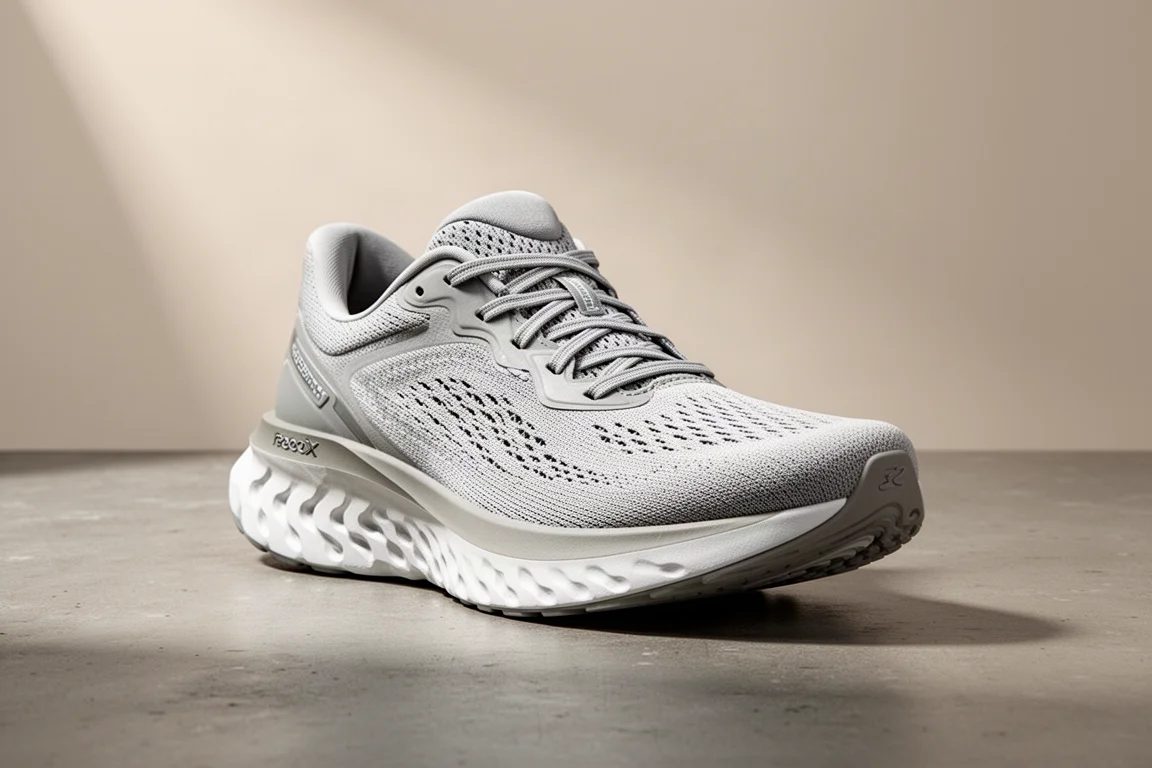
The Structure 26 pairs a full-length ReactX midsole with a midfoot support system that wraps around the arch and heel, creating a firm, supportive platform. The midsole is slightly taller in stack height than the previous version and is claimed to deliver a 13% increase in responsiveness compared to the previous React foam. The upper is engineered mesh with plenty of plush cushioning around the collar and tongue, while the outsole combines a thick, flexible rubber forefoot with high-abrasion rubber at the heel for grip and durability.

Where the Guide leans on its wide base, the Structure’s stability comes from a firmer, denser ReactX midsole and fairly high sidewalls, with the foot sitting a little lower between them. There is no obvious medial post, just a quietly supportive structure. The trade-off is ride character: it is not quite as smooth as the Guide 18 and not quite as good at pure easy pace. What it does offer is more versatility. It is not a speed-day shoe and would not be the pick for fartlek or hard intervals, but it allows you to play with pace more, which makes it appealing if you want one shoe to grow with as your running develops, or if a running club sometimes drags you into faster sessions.
Fit and Sizing: Nearly Identical, With One Catch
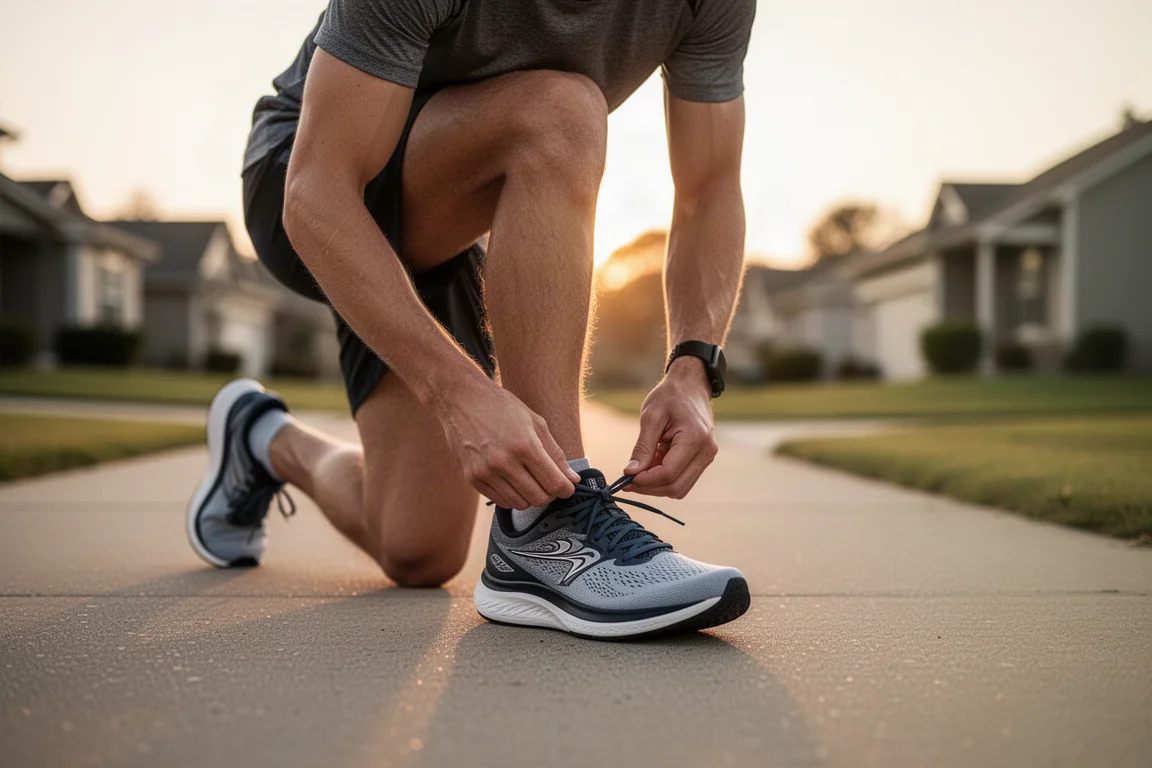
In the same UK size 8, both shoes fit very similarly, with a clear focus on comfort and generous space throughout. The Guide 18 has a bit more room ahead of the big toe than expected in a UK 8, a fairly wide forefoot, and a wide midfoot, making it a good match for average-width or slightly wider feet. It is easy to achieve a nice lockdown fit, it feels plush, and it is comfortable both for easy runs and for walking around. Neither shoe warrants sizing up or down.
The Structure 26 has a touch more padding around the tongue but is otherwise very close in fit. The one caveat worth flagging: the tongue has a fairly abrasive material underneath its midsection that rubbed against the tops of the feet during testing. It was not a major problem up to around 13 to 14 km per run, but over marathon distances it could become a real issue. If you plan long runs in the Structure 26, factor that in.
Durability and Outsole Differences
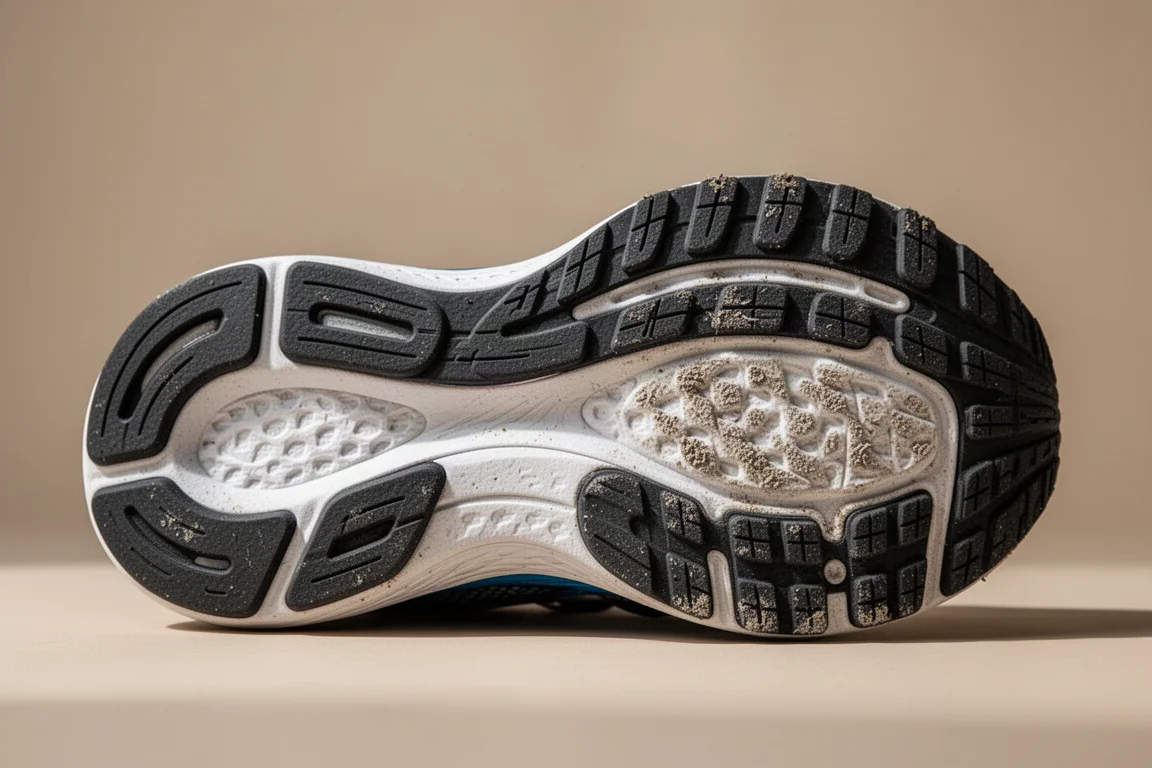
The Guide 18’s outsole is a weak point. Rubber coverage is low, concentrated around the sides, with a lot of exposed midsole in between. That means limited grip and poor protection for the midsole once the rubber wears down, a complaint many runners have raised about this shoe.
The Structure 26 fares a bit better on paper with two different rubber types, but both showed early wear. After roughly 45 km, the tread on the smoother forefoot rubber was already wearing off, raising doubts about durability over high mileage. The thick, firm rubber at the heel should hold up better, though it does not feel especially grippy and may smooth off quickly too. Outsole durability is a consideration on both shoes.
Which One Should You Buy?
Both shoes are supportive, comfortable, and easy to live in; stability is present but never obvious, and both feel like regular cushioned daily trainers. The deciding factor is the type of runner you are:
- Choose the Saucony Guide 18 if you just want to cruise easy miles in something smooth that lands nicely, rolls you forward, and never asks you to pick up the pace. It is the better pure comfort and easy-run shoe.
- Choose the Nike Structure 26 if you want more of a daily workhorse: easy runs plus occasional faster sessions, more flexibility as your fitness progresses, and one shoe covering more training styles. Just watch out for the tongue irritation on longer runs.
For a rotation-focused runner whose easy-day shoe exists purely for comfort, the Guide 18 is the stronger pick, while the Structure 26 struggles to earn a fixed slot: not versatile enough to replace a true do-it-all trainer, and not quite as smooth and comfortable as the Guide for easy days.
Conclusion
These two shoes are nearly inseparable on price, fit, and stability level, which is exactly why the ride feel should decide it. The Saucony Guide 18 is the smoother, more comfortable easy-run specialist with a superbly stable wide base. The Nike Structure 26 is the more adaptable daily trainer that can stretch into quicker running, with a firmer, more structured ride. Match the shoe to how you actually run and either one is a solid moderate-stability choice.
Further reading
Related Reviews

Running Shoes
Best Road-to-Trail Running Shoes: Three Versatile Options for Mixed Terrain
A practical guide to three road-to-trail running shoes that handle both pavement and mild trails, with clear strengths and trade-offs for different runner types.

Running Shoes
Best Running Shoes for Achilles Tendonitis: Three Options Explained
Three running shoes with different heel drops and support features designed to help reduce Achilles tendon pain during walking and running.

Running Shoes
Best Running Shoes for Women: Five Top Choices Ranked
A ranked guide to five women's running shoes, from versatile daily trainers to high-performance racing options, with real strengths and trade-offs for each.