Running Shoes
Saucony Guide 18 vs Guide 19: Should You Upgrade or Buy the Older Version on Sale?
A side-by-side look at Saucony's stability trainers, covering weight, ride feel, geometry, stability, and upper fit to help you decide between the two versions.
Introduction
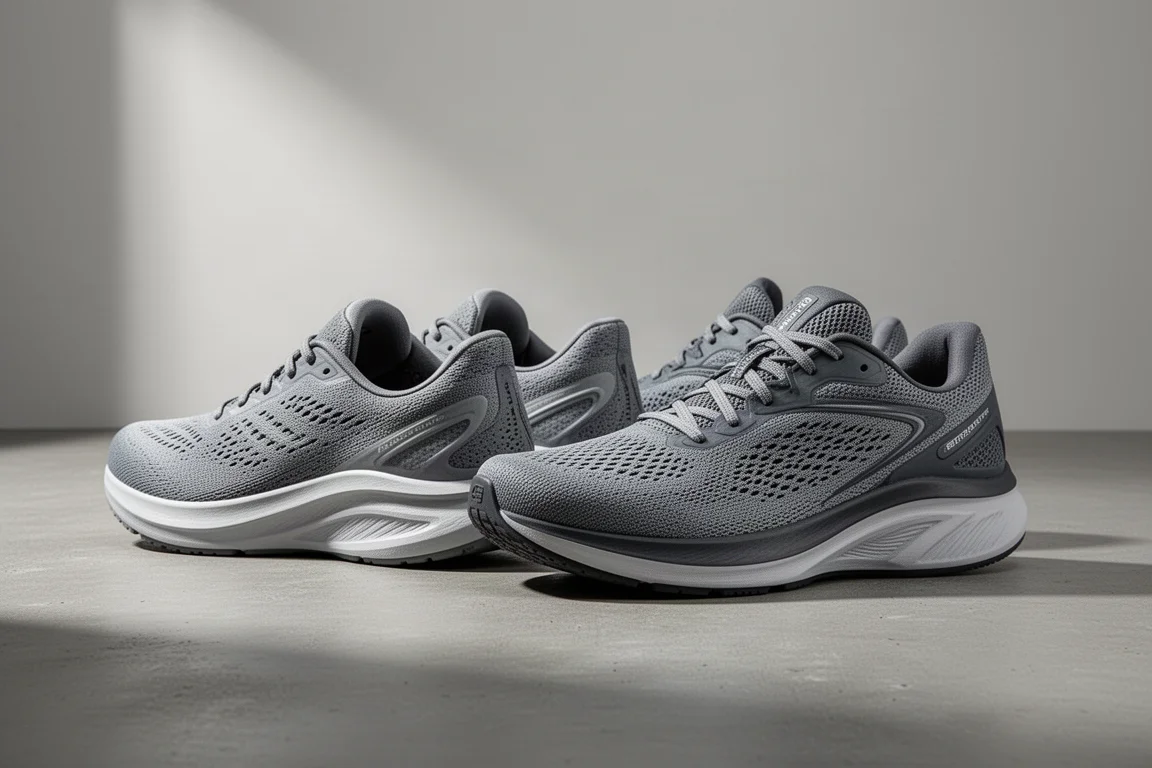
The Saucony Guide line is Saucony’s standard stability shoe, though in practice it behaves more like a mild guidance shoe. Over the last few versions the series moved away from firmer, snappier posting toward a taller stack and a softer, rolling ride. Versions 17, 18, and 19 have all been quite similar in many ways, but the Guide 19 brings some updates worth understanding before you decide whether to pay full price or simply grab the Guide 18 on sale.
This comparison walks through the real differences: weight, midsole feel, heel geometry, stability, and the upper, so you can figure out which version fits your running and walking habits.
Specs: Stack Height and Weight
Both shoes share the same stack height: 35mm in the heel and 29mm in the forefoot, for a 6mm drop that genuinely feels like a 6mm drop shoe, as it has across several versions.
Weight is where they diverge. The Guide 18 comes in at about 10.2 oz (290g) in a men’s size 10, while the Guide 19 climbs to roughly 11 oz (312g). That is a sizable jump for what is essentially the same shoe, and much of it comes from added outsole material.
Midsole and Ride Feel
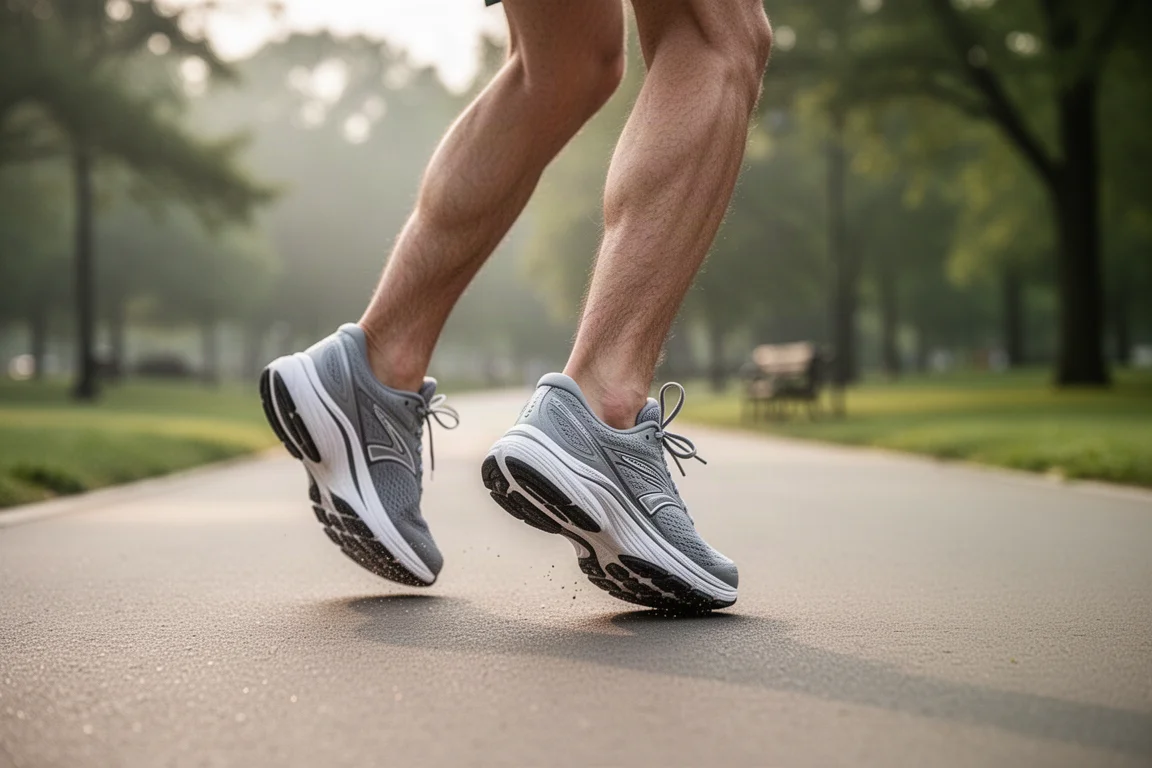
Both shoes use PWRRUN-type foam, with the Guide 19 reportedly running an updated version. In practice, the Guide 19 does feel noticeably softer. That softness works well for easy and recovery runs and for walking, but it is not a responsive ride. The Guide 18 retains a slight bounce and feels a touch more balanced and snappy, though neither shoe is fast by modern standards.
If you want a shoe you can pick up the pace in, neither version is a good fit. These are simple, rolling shoes best suited to comfortable heel-to-toe transitions, easy miles, and long walks.
Geometry and Transition
One meaningful refinement in the Guide 19 is the heel. The Guide 18’s heel bevel was angled medially, which could feel clunky, especially for runners with lateral instability, a history of ankle sprains, or a tendency to supinate. The Guide 19 cuts away some of that lateral geometry and adds volume on the medial side, letting the lateral side collapse more naturally. The result is a smoother heel transition.
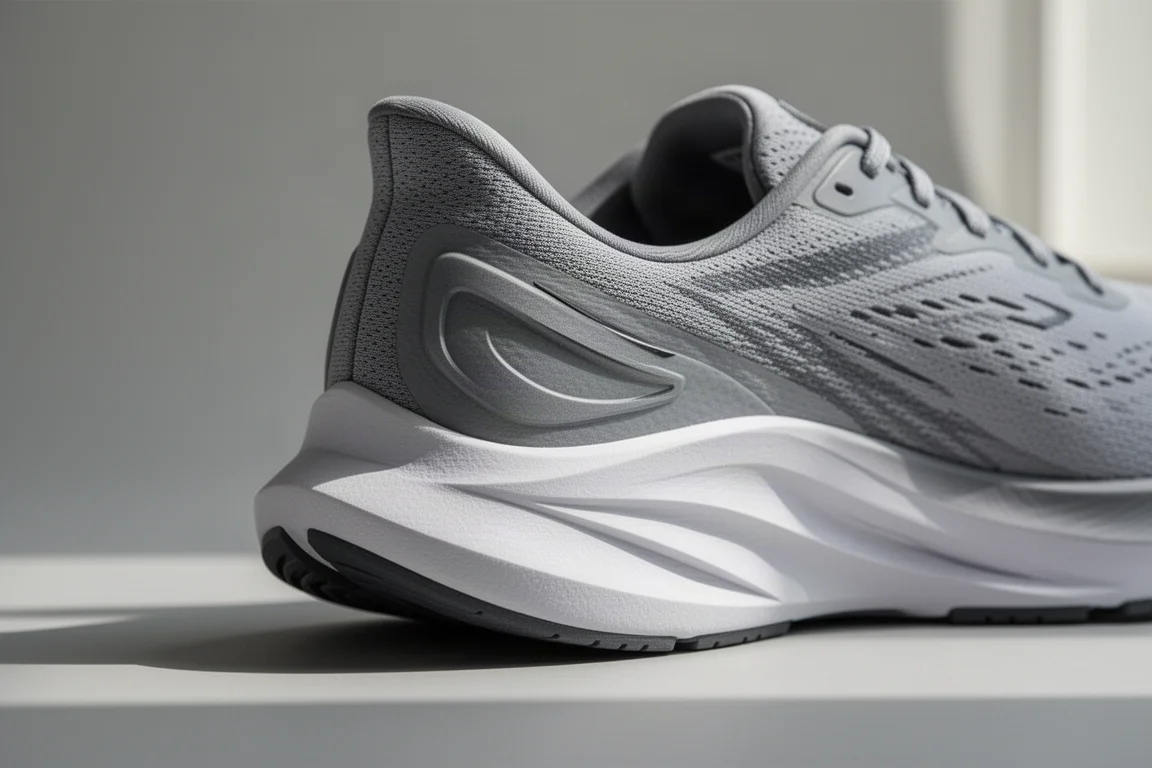
At the front of the shoe, the Guide 19 is also slightly more flexible, with deeper flex grooves that break in faster. The forefoot rocker remains moderate and pleasant rather than extreme. If you have toe mobility problems, these may not be your shoes, but most foot strikes will work fine here, though the heel can feel a little stiff initially before it breaks in.
Stability and Arch Feel
From a stability standpoint, the two versions remain very much the same. Both are mild guidance shoes with noticeable support in the heel and midfoot, tapering to a little support at the forefoot. Each has a distinct arch and a significant medial sidewall running from heel to forefoot, and that sidewall is very noticeable in the heel.
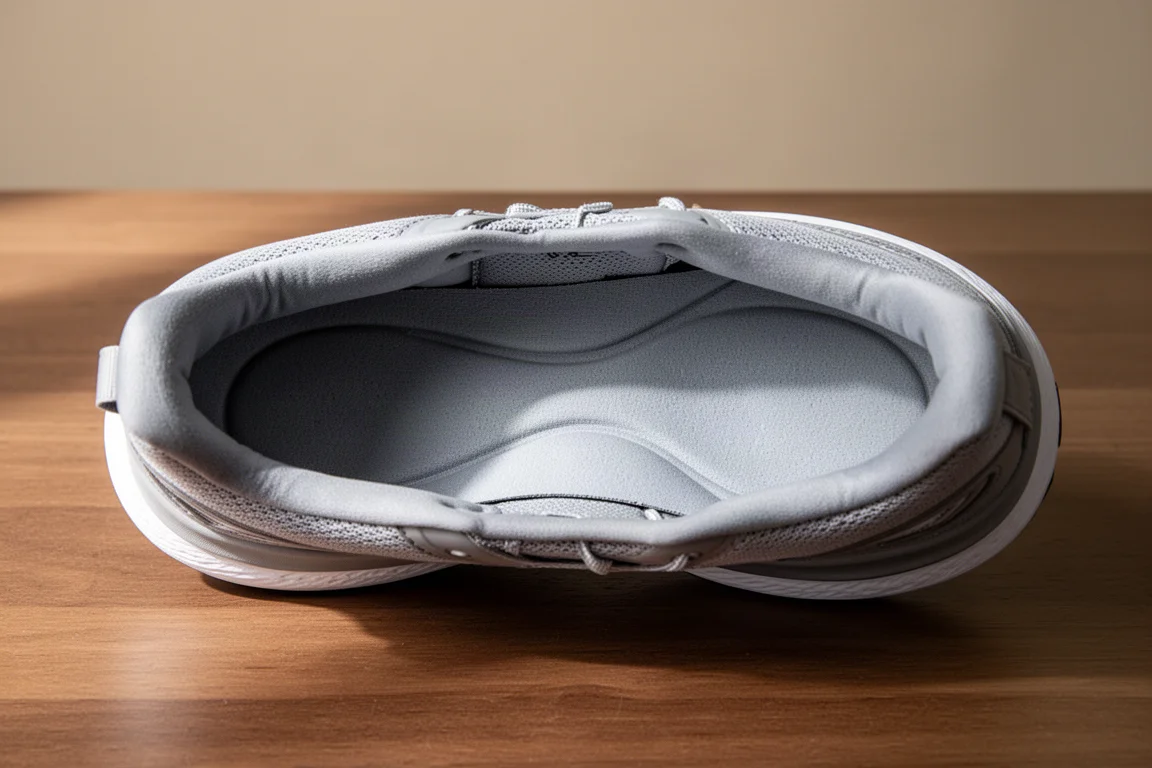
If you like a higher arch feeling, both shoes will be a great option. If you have flat feet and dislike a prominent arch, be cautious: even standing, the arch pushes in noticeably. The Guide 19 compresses the midsole more under load, so that arch pressure is felt a bit less while running, but the softer foam also makes it feel a touch less stable overall.
Upper Fit and Comfort
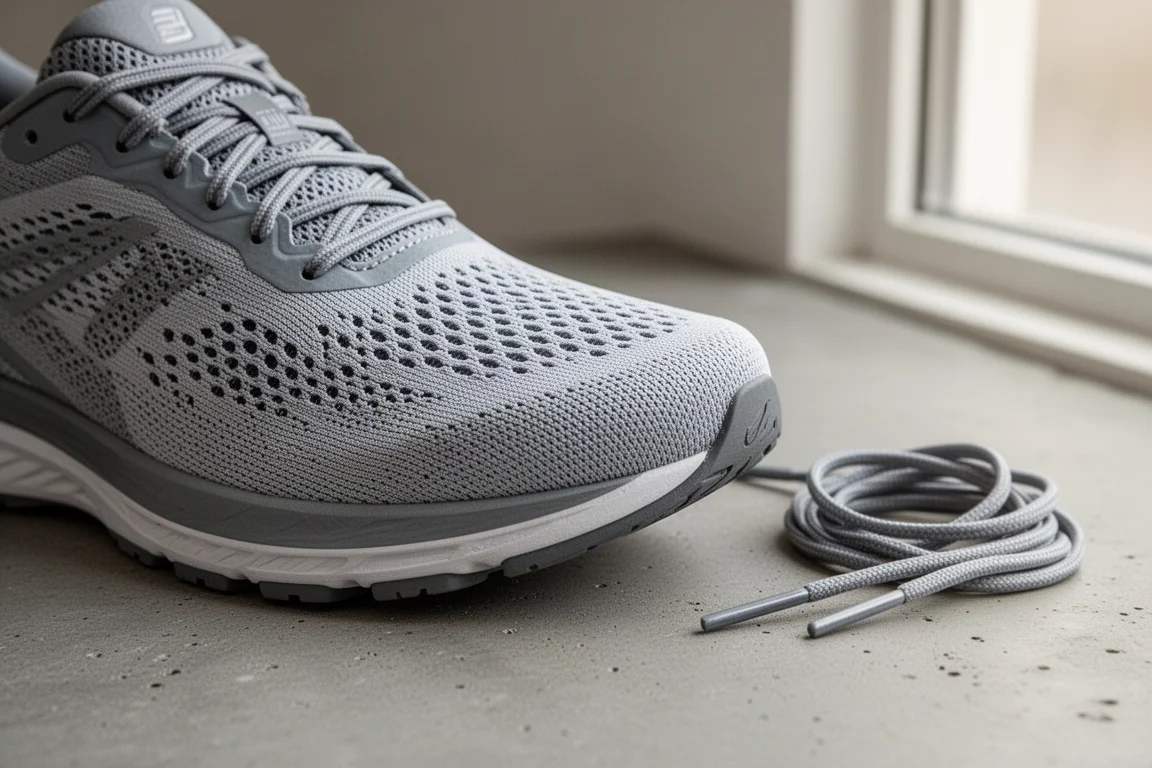
The upper is the other significant change. The Guide 18 uses a simple upper that runs slightly wide, with a toe guard that can compress a bit. The Guide 19 switches to a new engineered mesh that adapts better to the foot, stretches more, and adds a little volume.
In practice, the Guide 19 has proven excellent for walking and standing for hours, whether chasing daily walks or standing for long stretches. The heel and tongue are effectively identical between versions, with a well-gusseted tongue and no structural fit issues or lace-tightening workarounds needed on either shoe.
Which One Should You Buy?
For most people, the honest answer is to buy the Guide 18, especially at a discount. The Guide 19 is not dramatically different. Choose the 19 if you specifically want a slightly softer ride, better durability and grip from the added outsole material, and a more adaptable upper. The improved grip even makes the Guide 19 usable on mild trails, though both remain road shoes at heart.
If you are hunting for a lighter, more stable shoe for faster running, it may be worth looking elsewhere entirely, such as a lighter trainer with meaningful medial stability, since neither Guide version suits pace work.
Conclusion
The Guide 18 and 19 are far more alike than different. The Guide 19 brings a softer ride, smoother heel geometry, better grip, and a nicer upper, but at the cost of nearly a full ounce of extra weight. Easy-pace runners and walkers will be happy in either, and the Guide 18 on sale remains the smarter buy for most. Runners chasing speed or a lighter stable shoe should keep looking.
Product link
View more details for Saucony Guide 18
This product is mentioned in the review. Check the specifications, options, and compatibility before buying.
View more details for Saucony Guide 18Further reading
Related Reviews

Running Shoes
Best Road-to-Trail Running Shoes: Three Versatile Options for Mixed Terrain
A practical guide to three road-to-trail running shoes that handle both pavement and mild trails, with clear strengths and trade-offs for different runner types.

Running Shoes
Best Running Shoes for Achilles Tendonitis: Three Options Explained
Three running shoes with different heel drops and support features designed to help reduce Achilles tendon pain during walking and running.

Running Shoes
Best Running Shoes for Women: Five Top Choices Ranked
A ranked guide to five women's running shoes, from versatile daily trainers to high-performance racing options, with real strengths and trade-offs for each.