Running Shoes
Saucony Guide 17 vs Saucony Tempest: Which Stability Shoe Fits Your Running?
Two stability shoes with similar specs but very different personalities. Here is how they compare on ride, fit, speed, and durability.
Introduction
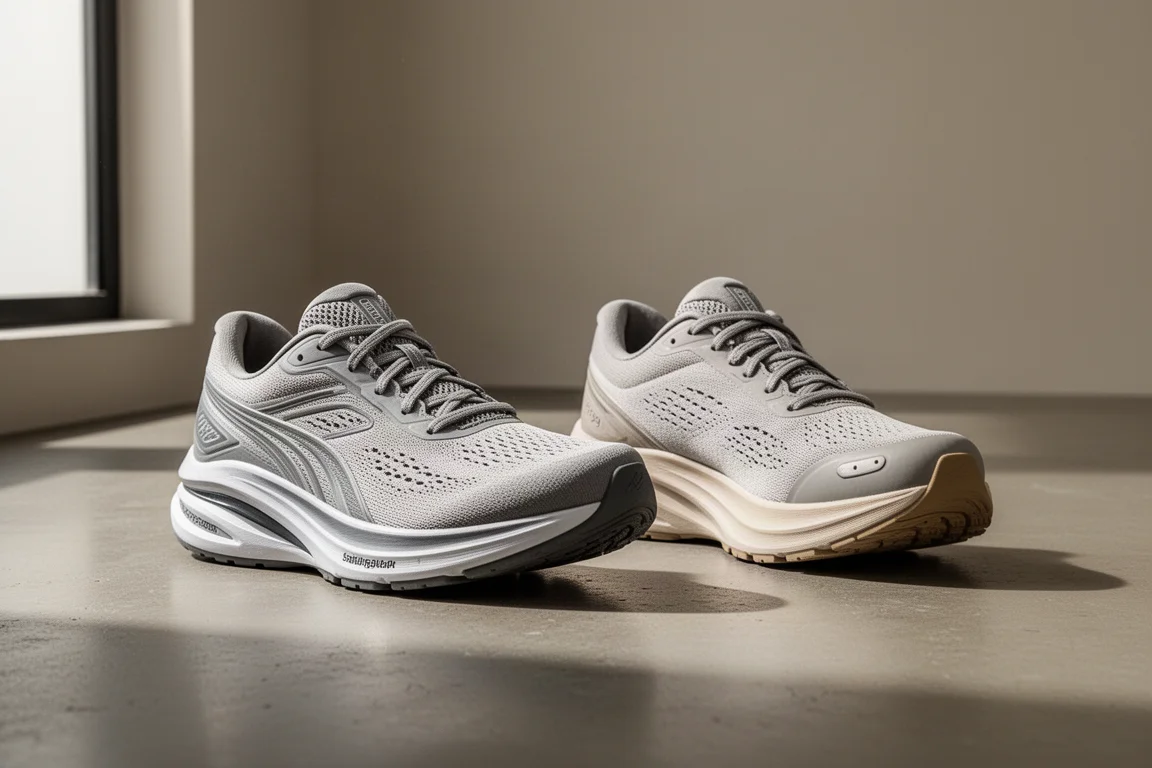
Saucony has reshuffled its stability lineup, and the Guide 17 and Tempest sit at the center of that change. The Guide 17 is a complete departure from the Guide 16, while the Tempest is a new standalone shoe without a true predecessor in the current lineup, though its spirit traces back to the Hurricane. The result is two shoes with fairly similar specs but distinctly different personalities.
The specs are close: the Guide 17 weighs 9.4 oz for men in size 9 and 8.1 oz for women in size 8, while the Tempest comes in lighter at 8.9 oz for men and 7.9 oz for women. Stack heights are similar too, with the Guide 17 at 35 mm heel and 29 mm forefoot for a 6 mm drop, and the Tempest at 36.5 mm heel and 28.5 mm forefoot for an 8 mm drop. The real differences show up in how each shoe rides and who it suits best.
Saucony Guide 17: The Daily Trainer
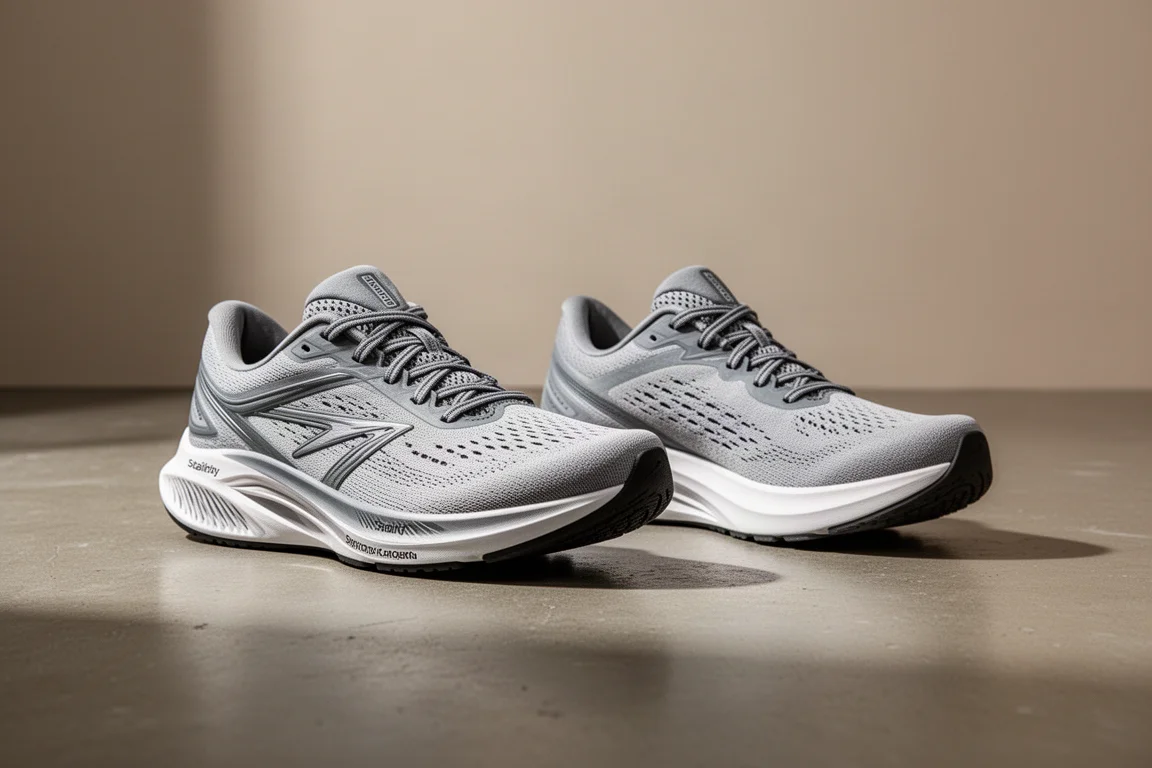
The Guide 17 has a relaxed, rolling rocker ride built around a full-length PWRRUN EVA midsole with a PWRRUN+ insole that softens the feel. It leans into comfortable daily miles rather than speedwork, and the upper matches that attitude with a slightly wider, more forgiving fit that works well for everyday training.
It is not without versatility. The Guide 17 can handle a workout when needed, but that is not what it does best. Think of it as the shoe for easy-paced running and consistent daily mileage, where its smoother, more relaxed character is an asset rather than a limitation.
Saucony Tempest: The Faster Stability Option
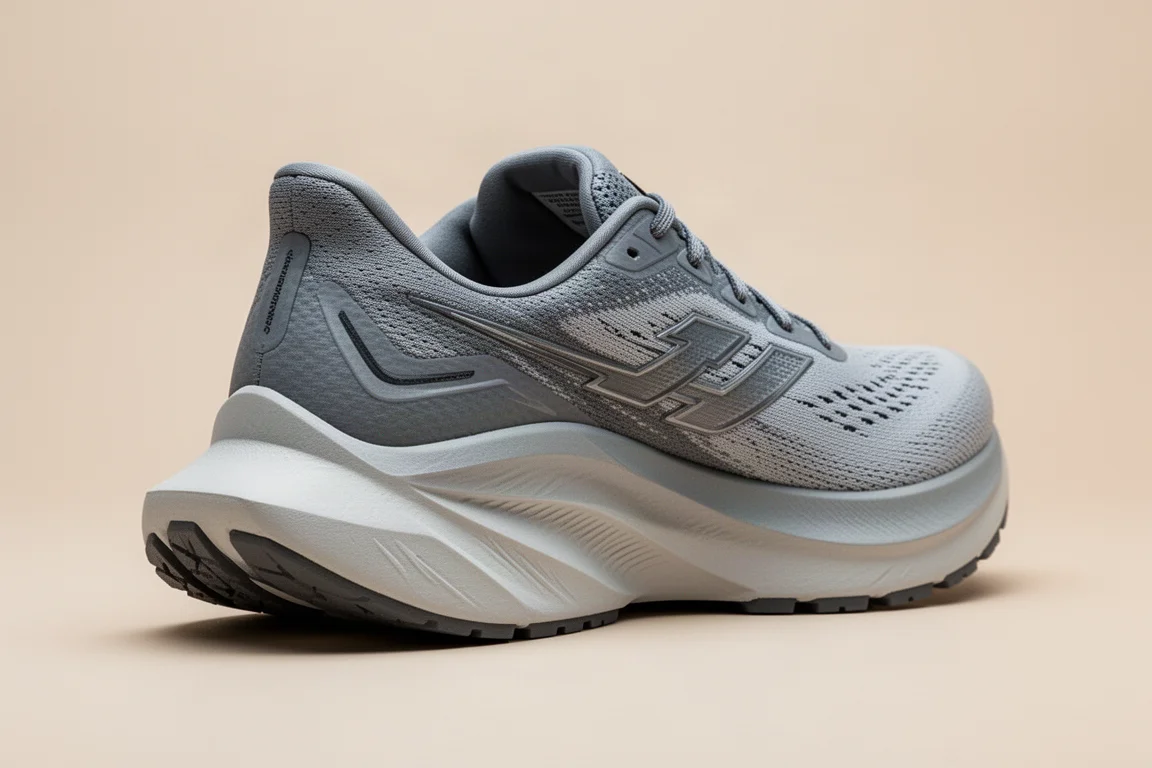
The Tempest takes a more aggressive approach. It is a lighter stability shoe with a full-length super foam, PWRRUN PB, integrated with PWRRUN in the midsole to create a centered, guiding ride that helps roll you forward. The softer super foam sits in the middle with the firmer foam on the outsides to steer the foot through the stride.

That foam choice changes what the shoe can do. The Tempest picks up the pace far more readily than the Guide 17, and it has proven capable in tempo runs and long runs alike. It is not the fastest shoe on the market, but it moves comfortably at quicker paces, which makes it a genuinely rare thing: a credible stability option for marathon racing, a category with very few choices left.
Fit and Upper
Fit is where these two diverge meaningfully. The Guide 17’s upper is more relaxed and roomy, while the Tempest feels more snug overall thanks to extra structure and a toe guard. The midfoot is a different story: the Tempest needed noticeably more lace tension to lock down securely, but once tightened it delivered a close, performance-oriented fit.
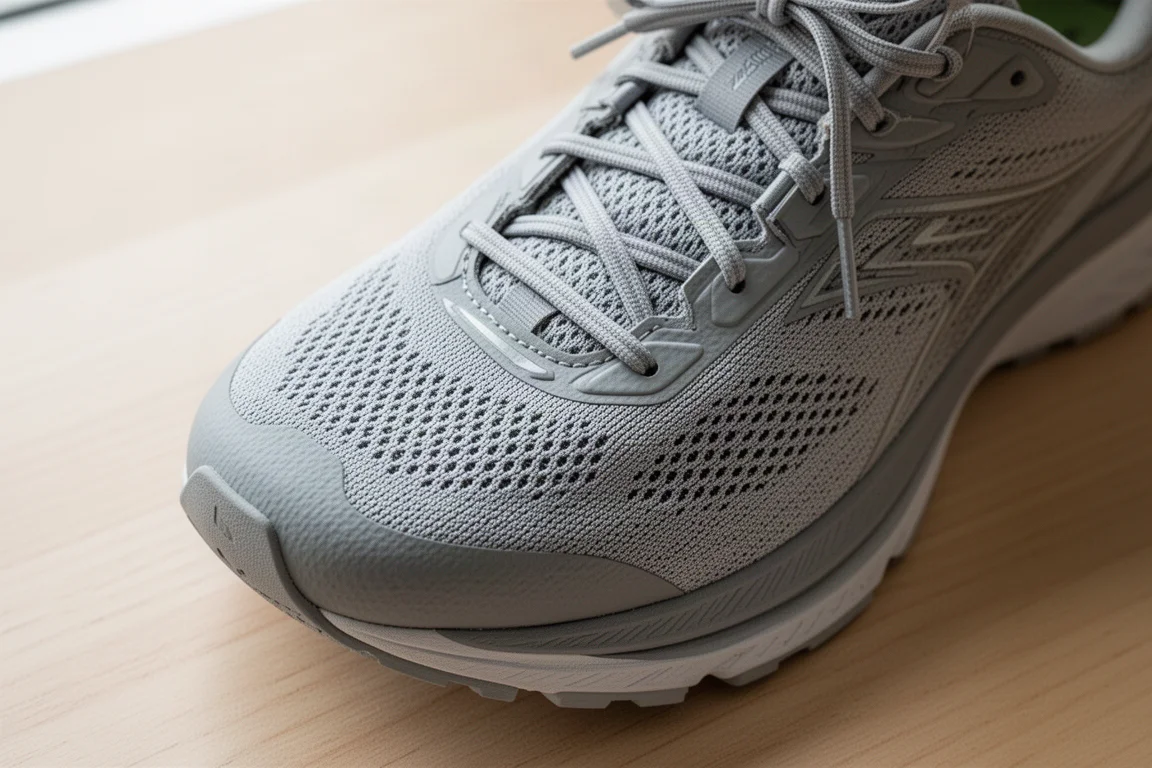
The heel counters on both shoes are on the stiffer side and do a good job of locking the heel in place. The Tempest’s heel is slightly stiffer with a bit less padding, while the Guide 17 is a touch more comfortable back there. If you prefer a plush heel, the Guide 17 has the edge; if you want a locked-in performance feel, the Tempest delivers it once laced properly.
Durability and Value
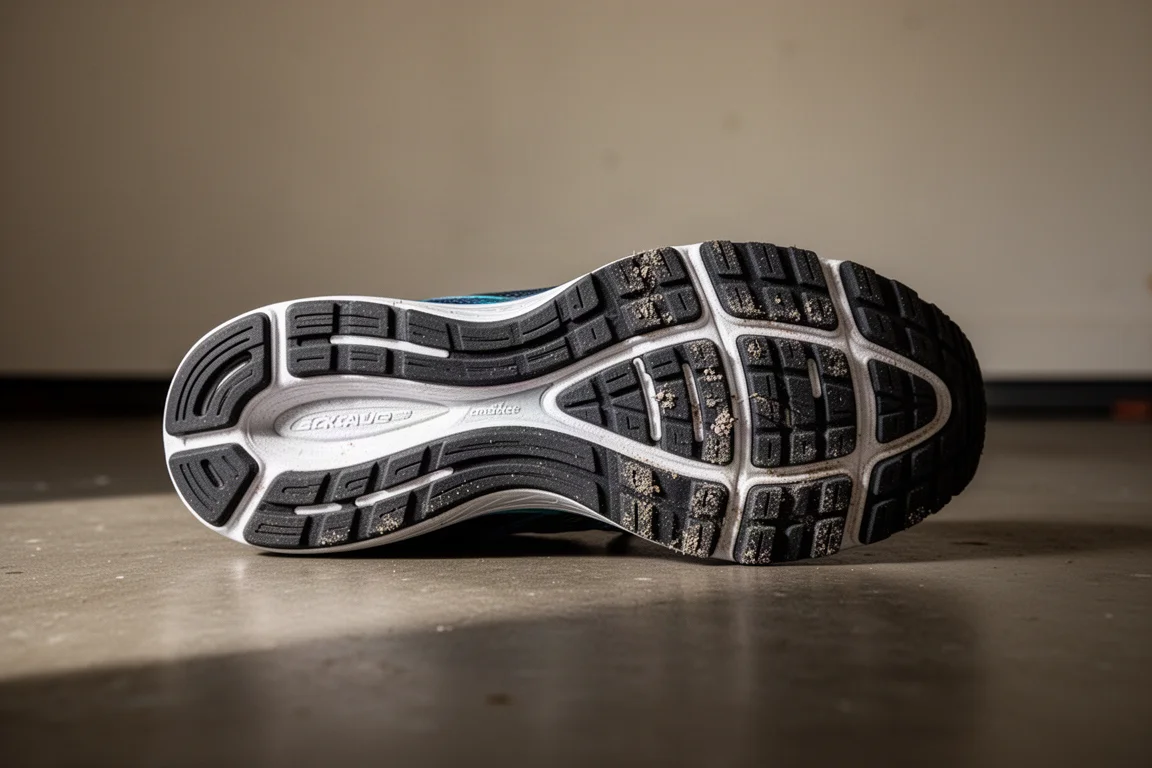
Both shoes hold up well over time. The Tempest has covered around 200 miles and the Guide 17 around 100 miles, and in both cases the outsoles show very little significant wear. Durability has been genuinely good on both, which helps the cost-per-mile math considerably.
For runners logging consistent weekly mileage, that kind of resilience means you can rely on either shoe for a full training cycle without watching the midsole or rubber degrade prematurely.
Which One Should You Buy?
The summary is straightforward. The Guide 17 is the trainer: relaxed, comfortable, and happiest at easy paces and daily miles. The Tempest is the shoe that can also be a trainer, but with more range into faster running thanks to its lighter weight and bouncier super foam, including marathon racing duty for stability runners.
If most of your running is easy-paced daily mileage and you value a roomier, more forgiving fit, the Guide 17 is the natural pick. If you want one stability shoe that can handle daily training but also tempo runs and even race day, the Tempest justifies its place as the more versatile option. Some runners may even find a case for owning both, since they cover different jobs well.
Conclusion
Both shoes are strong options for stability runners, and the right choice depends less on quality than on intent. The Guide 17 excels as a dependable daily trainer, while the Tempest stretches what a stability shoe can do, blending guidance with genuine speed. Pick based on the paces you actually run most, and either one should serve you well.
Further reading
Related Reviews

Running Shoes
Best Road-to-Trail Running Shoes: Three Versatile Options for Mixed Terrain
A practical guide to three road-to-trail running shoes that handle both pavement and mild trails, with clear strengths and trade-offs for different runner types.

Running Shoes
Best Running Shoes for Achilles Tendonitis: Three Options Explained
Three running shoes with different heel drops and support features designed to help reduce Achilles tendon pain during walking and running.

Running Shoes
Best Running Shoes for Women: Five Top Choices Ranked
A ranked guide to five women's running shoes, from versatile daily trainers to high-performance racing options, with real strengths and trade-offs for each.