Running Shoes
Saucony Guide 17 vs ASICS GT-2000: Which Moderate Stability Trainer Fits Your Ride?
Two modern stability trainers with no posts and very different rides. Here is how the Saucony Guide 17 and ASICS GT-2000 compare for daily miles, long runs, and picking up the pace.
Introduction
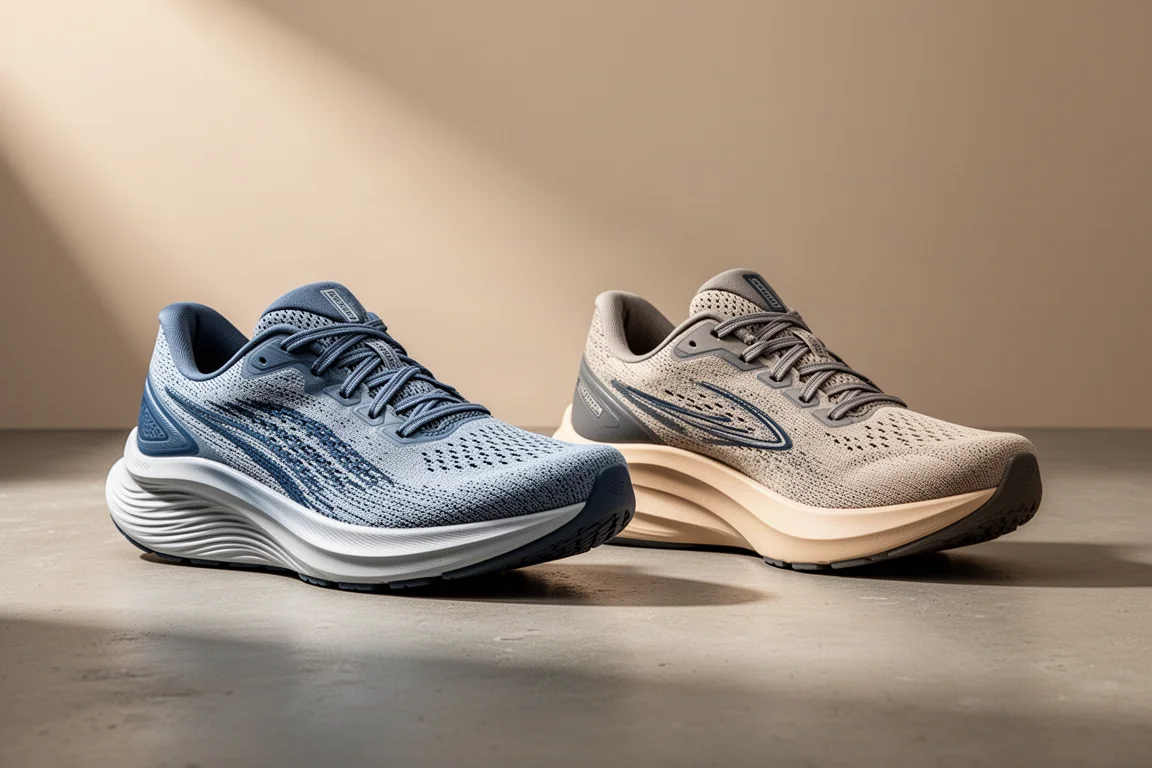
The Saucony Guide 17 and the ASICS GT-2000 have both changed significantly in the last couple of years. Neither shoe uses a medial post anymore, which was the long-standing foundation of stability in both lines. Instead, both use newer concepts of guidance to do what posts previously handled.
Both are moderate stability daily trainers, and both have proven comfortable and reliable over roughly 100 miles of testing. They are similar enough that many runners will ask which one suits them better, but there are some meaningful differences in ride feel, guidance style, and fit that make the decision easier once you know what to look for.
Specs at a Glance
The Saucony Guide 17 comes in at 9.4 oz for men in a size 9 and 8.1 oz for women in a size 8. The ASICS GT-2000 weighs 9.5 oz for men in a size 9 and 8.3 oz for women in a size 8, so the two are nearly identical on the scale and both sit in that impressive sub-10-ounce range for stability trainers.
Stack heights differ slightly. The Guide 17 measures 35 mm in the heel and 29 mm in the forefoot for a 6 mm drop. The GT-2000 measures 32.5 mm in the heel and 24.5 mm in the forefoot for an 8 mm drop. Neither figure is dramatic, and both shoes sit in a similar ride category, but the foams and how the shoes roll through the stride are very different.
Ride Feel: Roller vs Bouncer
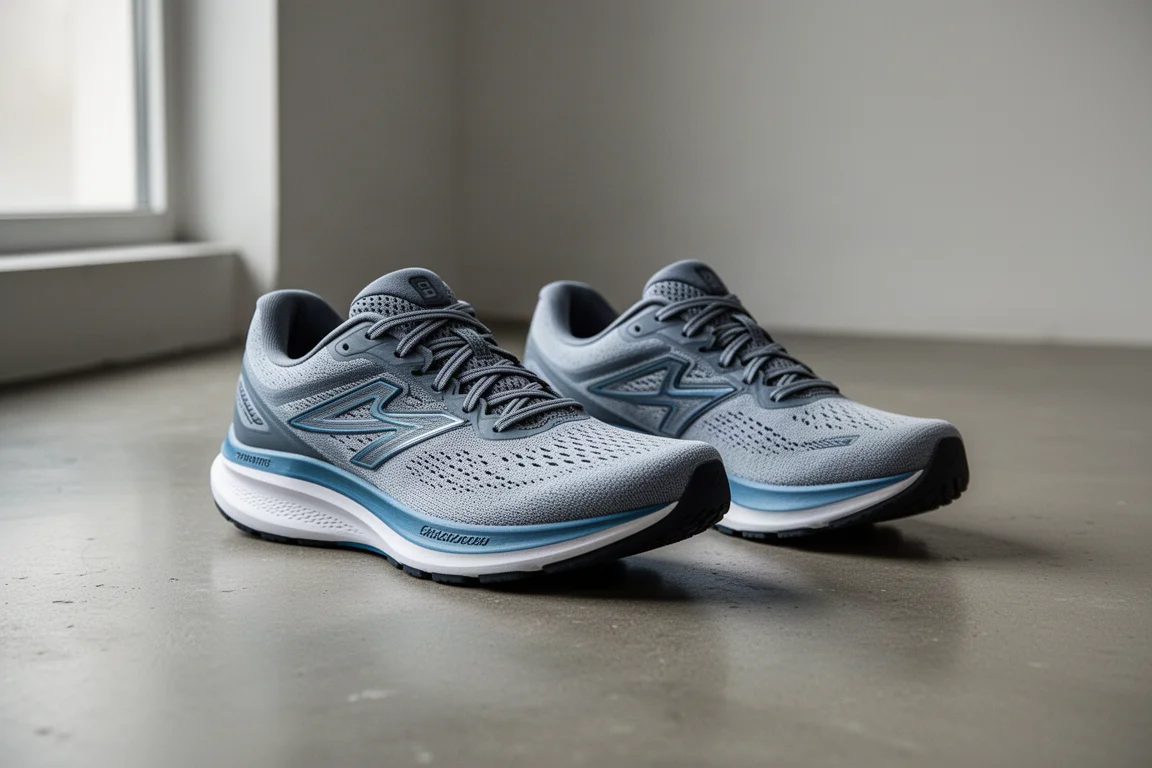
The Guide 17 delivers a very rockered ride. It still uses PWRRUN foam, paired with a PWRRUN+ insole, so the character is closer to an EVA-style ride than a super-bouncy one, but the aggressive rocker makes it roll along exceptionally well. If you want a shoe that feels like it keeps moving for you, the Guide 17 is the better fit.
The GT-2000, by contrast, has been rebuilt around its new FF Blast Plus foam with PureGel in the heel. The result is a noticeably more bouncy and responsive ride with better balance. ASICS has also improved the heel bevel, an area that historically lagged a little. If bounce and responsiveness are what you want from a stability trainer, the GT-2000 is the stronger pick.
Guidance Style: Centered vs Medial
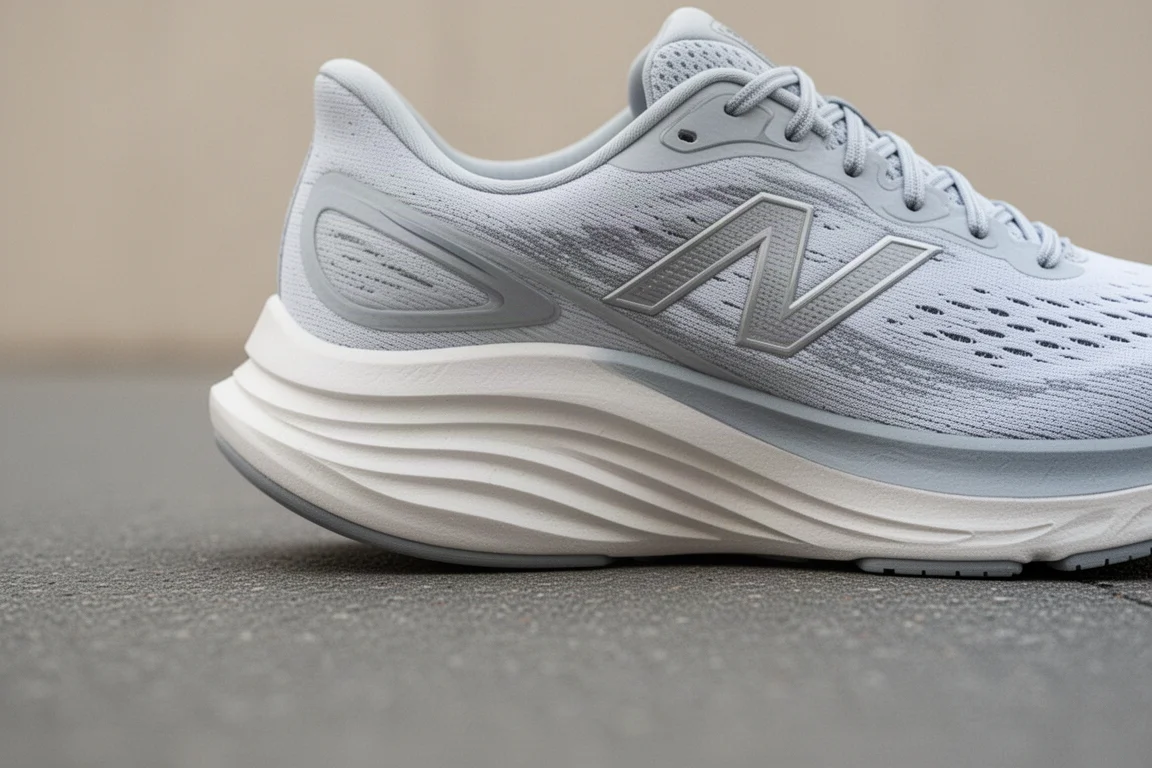
Both shoes provide stability without a post, but the way guidance plays out underfoot is noticeably different.
The Guide 17 focuses on central, forward motion. If you drift laterally or medially, it rolls you back toward the middle. There is medial stability through the heel, midfoot, and forefoot, and lateral sidewalls that help guide the lateral heel and midfoot. It takes a few runs to get used to if you are accustomed to traditional medial stability, but once you settle in, it feels very comfortable and keeps you centered.
The GT-2000, despite its modern construction, feels more like traditional stability. Most of the stability and pressure sit on the medial side, especially in the heel and midfoot. There is a lateral sidewall too, but the dominant sensation is medial guidance. If that is the kind of support you prefer, it delivers it well. Once worn in, neither shoe produces problematic pressure points.
Uppers and Fit
The uppers are the other major difference. The ASICS upper fits a little more snugly and earns a performance-fit label, which works particularly well for runners who like lightweight trainers. The Guide 17 has a bit more room, with a slightly wider forefoot and midfoot. The heel feels a little more locked down on the Guide 17 without causing issues, while the ASICS heel is slightly more snug.
Both heel counters are fairly stiff, with the Guide 17 offering a touch more flexibility, and both carry generous padding in the heel counter. Unless you are especially sensitive in that area, you should be fine in either shoe.

Daily Miles, Long Runs, and Durability
Both shoes are light for the category, sitting in the mid-9-ounce range, and both can handle a modest tempo pickup if you want to push the pace. The GT-2000 foam edges ahead when it comes to picking things up, but neither is a true speed day shoe.
Where both genuinely excel is daily mileage and long runs. These are reliable stability shoes you can trust for 12, 13, 14, even 15 miles, which is more than many comparable trainers can handle comfortably.
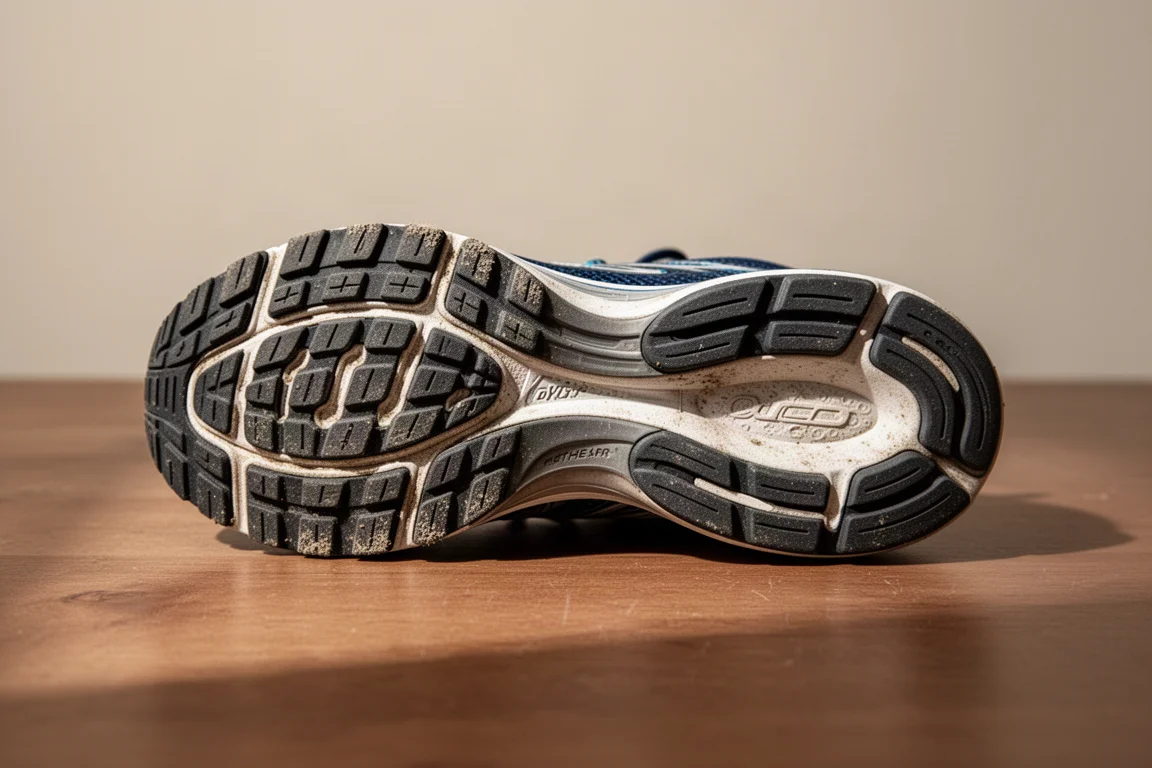
Durability has also been excellent. After more than 100 miles on each pair, the outsoles show barely any wear, so both should last a good long time and deliver solid value for the money.
Which One Should You Buy?
Choose the Saucony Guide 17 if you want a rockered, rolling ride with centered guidance that keeps you in the middle no matter which way you drift. Choose the ASICS GT-2000 if you prefer a bouncier, more responsive foam feel and more traditional medial stability, especially through the heel and midfoot. Both are light, durable, and well suited to daily training and long runs.
Conclusion
The Guide 17 and GT-2000 prove that modern stability does not need a post. One rolls you forward and keeps you centered, the other bounces and leans on classic medial support. Match the guidance style and ride feel to your preference and either shoe will serve you well as a daily stability trainer.
Product link
View more details for Saucony Guide 17
This product is mentioned in the review. Check the specifications, options, and compatibility before buying.
View more details for Saucony Guide 17Further reading
Related Reviews

Running Shoes
Best Road-to-Trail Running Shoes: Three Versatile Options for Mixed Terrain
A practical guide to three road-to-trail running shoes that handle both pavement and mild trails, with clear strengths and trade-offs for different runner types.

Running Shoes
Best Running Shoes for Achilles Tendonitis: Three Options Explained
Three running shoes with different heel drops and support features designed to help reduce Achilles tendon pain during walking and running.

Running Shoes
Best Running Shoes for Women: Five Top Choices Ranked
A ranked guide to five women's running shoes, from versatile daily trainers to high-performance racing options, with real strengths and trade-offs for each.